Staying Cool While Camping in Summer: A Heat and Heatwave Guide
· Updated
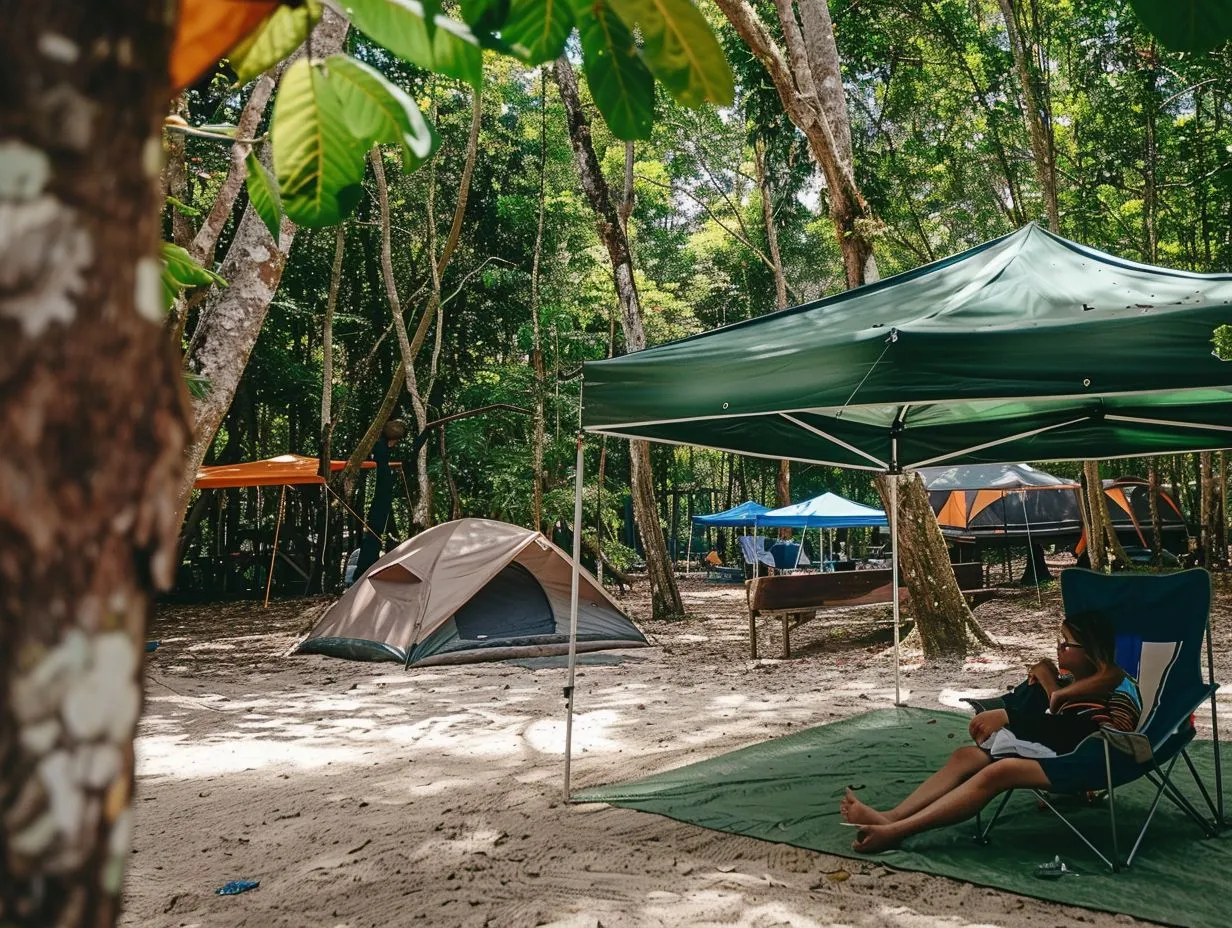
Staying cool while camping in summer comes down to five simple habits: cover up and stay out of the midday sun, drink more water than you think you need, do the active part of the day early or late, keep your food properly cold, and know the warning signs of heat exhaustion before they turn serious. A British heatwave rarely lasts more than a few days, and with a bit of planning it is nothing to fear.
This guide is about keeping yourself, your family and your dog cool and safe. For the shelter side of things, see our companion guide to keeping your tent cool. Both sit within our wider guide to camping in British weather, season by season.
It comes from Camping Sites in Britain, where you can find and compare campsites, caravan parks and glamping across the UK.
Keep yourself cool
Your body does most of the work of staying cool for you, so the job is to help it rather than fight it. Wear loose, light-coloured clothing in cotton or a breathable technical fabric, which reflects the sun and lets sweat evaporate. Tight, dark clothes trap heat and soak it up.
A wide-brimmed sun hat keeps the sun off your face and neck, which matters more than most people realise on an exposed pitch. Add sunglasses and put sunscreen of at least SPF 30 on any skin that shows, topping it up every couple of hours and after a swim. The ears, the back of the neck and the tops of the feet are the spots people forget.
The single most effective trick is a damp buff or cloth around the neck. As the water evaporates it draws heat straight off the blood vessels near the skin, and a dip in the nearest cold water refreshes it in seconds. Keep it wet through the hottest hours and you will feel the difference.
Find shade in the hottest part of the day
Get out of direct sun between roughly 11am and 3pm, when it is at its strongest. That does not mean sitting in a hot tent, which can be warmer than the air outside; it means natural shade under trees, a tarp or gazebo rigged for airflow, or the awning of a caravan. Move your chairs as the shadows move.
A cooling dip helps enormously if there is safe water nearby. A lake, river or the sea will bring your core temperature down fast, but water safety comes first. Check the depth and any current before you get in, never swim alone or after drinking, keep a close eye on children, and get out well before you feel chilled. Cold water shock is a real risk even on a hot day.
Drink plenty and watch for dehydration
Hydration is the thing that keeps everything else working, so drink steadily through the day rather than waiting until you are thirsty. In hot weather an adult can easily need three litres or more, and a great deal of that is lost as sweat you may not even notice on a dry day. Water is best; go easy on alcohol and very sugary drinks, which work against you.
Learn the early signs of dehydration: a dry mouth, a headache, feeling tired or lightheaded, and dark yellow urine. Fix it before it becomes a problem by drinking more and getting into the shade. Always carry water on walks, more than you expect the trip to need, because British paths rarely have a tap when you want one.
Time the active part of the day
Do your walking, cycling and games in the cool of the morning or the evening, and treat the middle of the day as downtime. Early mornings are the best part of a hot camping day anyway: still air, birdsong and an empty trail before the heat builds. Evenings are for a gentle stroll, a swim or simply sitting out as it cools.
Saving the hard effort for the cooler hours is not about being soft. Strenuous activity in peak heat is the most common way campers tip themselves into heat exhaustion, and it is entirely avoidable with a bit of planning.
Keep your food safe in the heat
Warm weather is when food poisoning risk climbs, so cool box discipline matters more in July than at any other time. Keep chilled food below 5C with plenty of ice packs, keep the box shut and in the shade, and never let raw meat sit out. When it is hot, no-cook meals such as salads, wraps and cold cuts save you both the heat of a stove and the worry.
We cover this properly in our guide to keeping food safe in the heat, which is worth a read before any summer trip.
Heat exhaustion and heatstroke: know the difference
Heat exhaustion is a warning; heatstroke is a medical emergency. Heat exhaustion usually gets better within 30 minutes of cooling down, but if it tips into heatstroke it can be life threatening, so knowing which you are looking at is the most important thing on this page. The signs and treatment below follow current NHS advice.
According to the NHS, the signs of heat exhaustion include tiredness, dizziness, a headache, feeling sick or being sick, excessive sweating with pale, clammy skin, cramps in the arms, legs or stomach, a high temperature, being very thirsty, and feeling irritable.
If you or someone with you shows these signs, act straight away:
- Move them to a cool place.
- Remove any unnecessary clothing, such as a jacket or socks.
- Give them plenty of water to drink, or an isotonic sports drink or rehydration powder to replace lost salt.
- Cool their skin, spraying or sponging them with cool water and fanning them. Cold packs around the armpits or neck help too.
They should feel better within 30 minutes. Call 999 if they do not, or if any sign of heatstroke appears: a very high temperature, hot skin that is not sweating and may look red, a fast heartbeat, fast breathing or shortness of breath, confusion and lack of coordination, a seizure, or loss of consciousness. Heatstroke is an emergency. While you wait for the ambulance, keep cooling the person with a cool wet sheet or by sponging them with cold water, and if they are unconscious put them in the recovery position.
Extra care for children, older people and dogs
Some of your group cannot manage heat as well as a fit adult, so they need watching more closely. Children overheat faster and often will not say they feel unwell, so keep them shaded, in hats, well covered with sunscreen and drinking regularly. Older campers and anyone with a health condition are also more vulnerable and should take the middle of the day gently.
Dogs are the biggest concern of all, because they cannot sweat and cool themselves only by panting. Never leave a dog in a hot car, and never leave one shut in a tent or caravan, where the temperature climbs to deadly levels within minutes. Walk them early and late, carry water and a bowl, keep them on shaded grass rather than hot ground, and learn the signs of a struggling dog: heavy panting, drooling, glazed eyes, staggering or collapse. If you see them, cool the dog with water and call a vet at once.
Where to pitch for a cooler trip
A shaded, breezy pitch near water makes a hot weekend far easier, so it is worth choosing your site with the forecast in mind. You can browse and compare options across the country in our campsite directory, from woodland pitches to sites beside a lake or the sea.
Frequently asked questions
How do you stay cool while camping in a heatwave?
Wear loose, light-coloured clothing and a sun hat, keep a damp cloth on your neck, stay in shade from late morning to mid afternoon, drink water steadily, and do anything active in the early morning or evening. Cool off with a safe swim if there is water nearby.
How much water should you drink camping in hot weather?
An active adult often needs three litres or more a day in hot weather, more with exercise. Drink steadily rather than waiting to feel thirsty, and always carry extra water on walks, as British paths rarely have a tap.
What are the first signs of heat exhaustion?
Early signs include tiredness, dizziness, a headache, feeling sick, heavy sweating with pale clammy skin, cramps and strong thirst. Move to a cool place, drink water and cool the skin. You should feel better within 30 minutes; if not, call 999.
When is heatstroke a 999 emergency?
Call 999 if someone has a very high temperature, hot skin that is not sweating, a fast heartbeat, fast breathing, confusion, a seizure or loss of consciousness, or if heat exhaustion does not improve within 30 minutes of cooling. Heatstroke is a medical emergency.
Is it safe to leave a dog in a tent in hot weather?
No. A tent or caravan heats up fast and a dog cannot cool itself in an enclosed space, so it can overheat within minutes. Never leave a dog shut in a tent, caravan or car in the heat. Keep them shaded, watered and walked in the cool hours.
What should you eat camping in hot weather?
Choose no-cook meals such as salads, wraps and cold cuts to avoid both stove heat and spoilage. Keep chilled food below 5C in a well-packed cool box kept shut and in the shade, and never leave raw meat sitting out.
The short version
Cover up, drink more than you think you need, stay in the shade at midday and save the effort for morning and evening. Learn the signs of heat exhaustion, treat it fast, and call 999 for heatstroke. Sort the shelter side with our guide to keeping your tent cool, and if the forecast turns the other way, our guide to camping in wet weather has you covered. Then find your pitch in the campsite directory.