Spiders in Your Tent: Which UK Spiders Bite and Which Are Harmless
No British spider can do you serious harm. Not one. The scariest-looking spider you will ever find in your tent, the big fast one that sprints across the groundsheet at night, is completely harmless and is almost certainly more frightened of you than you are of it.
That is worth saying plainly, because spiders cause more camping panic than anything with an actual sting. This guide covers the spiders you will genuinely meet in Britain, how to tell them apart, whether any of them bite, and the real story on the false widow.
It comes from Camping Sites in Britain, where you can find and compare campsites, caravan parks and glamping across the UK, and it is part of our wider guide to insects and wildlife that bother campers in Britain.
The short answer
- No UK spider is dangerous to a healthy adult. There are no deadly spiders in Britain
- Most cannot bite through skin at all, and those that can very rarely do
- The false widow is the only one worth knowing, and its bite is usually no worse than a wasp sting
- The big one in your tent is almost always a harmless house spider or wolf spider that wandered in after other insects
- To avoid them: keep the inner tent zipped, shake out boots and clothes left outside, and do not leave food out that draws the insects they hunt
The spiders you will actually meet
Britain has around 650 spider species. As a camper you will realistically encounter a handful, and it helps enormously to know which is which, because recognising a harmless house spider stops the panic before it starts.
| Spider | Size | Look | Where | Bite? |
|---|---|---|---|---|
| Giant house spider | Body 12 to 18mm, leg span up to 75mm | Big, brown, long hairy legs, very fast | Tents, sheds, toilets, baths. Peak in autumn | Can, almost never does. Harmless |
| Wolf spider | Body up to 15mm | Brown, patterned, runs along the ground rather than webs | Groundsheets, grass, under the tent | Very rarely, harmless |
| Cellar spider (daddy long-legs spider) | Tiny body, very long thin legs | Fragile, hangs in loose webs in corners | Shower blocks, toilet ceilings, porches | Effectively never. Harmless |
| Woodlouse spider | Body up to 15mm | Reddish legs, shiny cream-brown body, big jaws | Under logs, stones and groundsheets | Can nip if handled. Harmless, briefly stings |
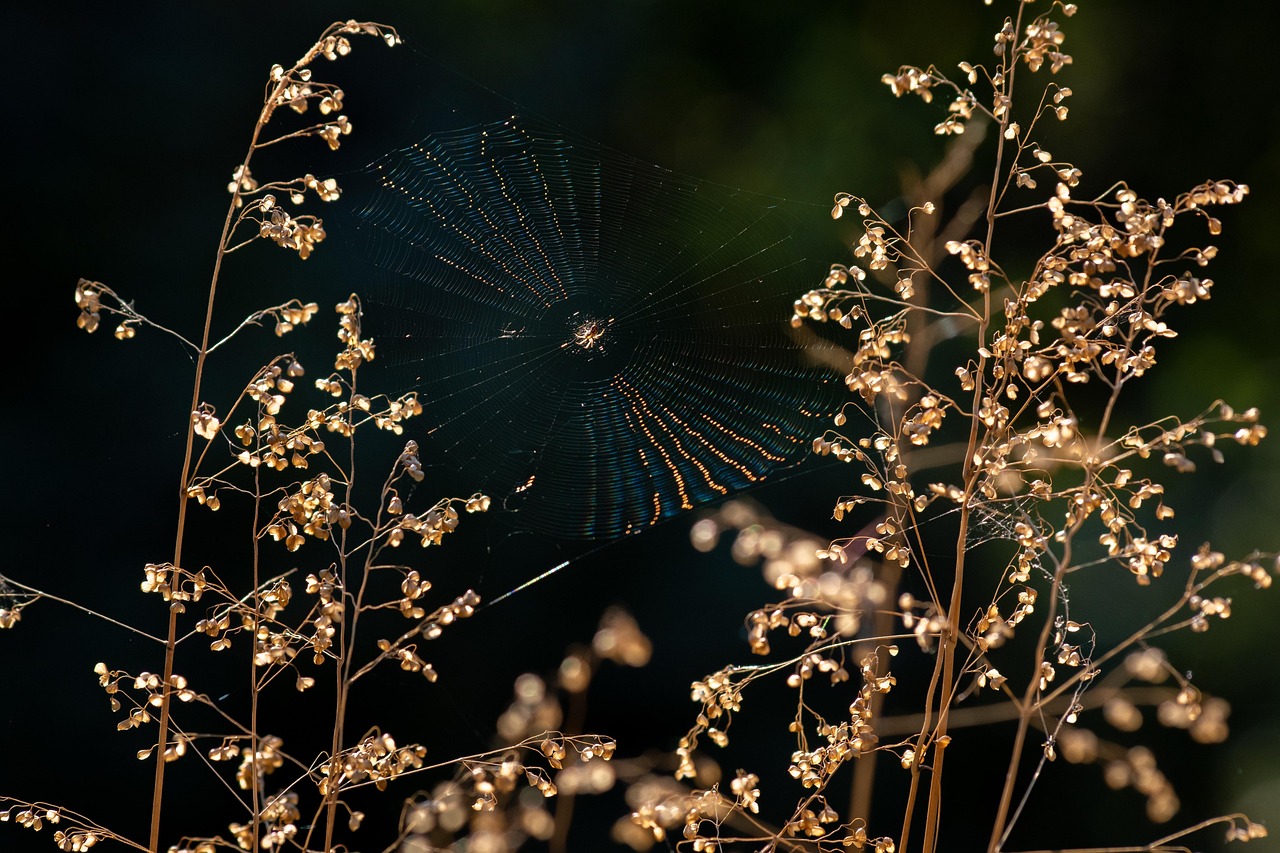
| Garden / orb-weaver spider | Body up to 15mm | Round body, white cross marking, sits in a wheel web | Guy lines, hedges, between tent and tree | No practical risk |
| False widow | Body up to 14mm | Glossy brown, cream skull-shape on the abdomen, bronze legs | Sheds, walls, window frames, log stores | Yes, rarely. Usually like a wasp sting |
The one people photograph in a panic and send to identification groups is nearly always the giant house spider. It is the big, leggy, fast brown one that appears in September and October looking for a mate. It looks alarming, it is entirely harmless, and it is the same spider that gets stuck in the bath at home.
Do any UK spiders actually bite?
A few can, most cannot, and almost none want to. British spiders bite humans only when they are trapped against skin, squashed, or handled, and even then the great majority have fangs too small or weak to break human skin.
The species capable of a noticeable bite are the false widow, the woodlouse spider, and occasionally a large house spider or wolf spider if you genuinely corner one against your body. In every case the bite is a defensive last resort, not aggression. A spider crossing your groundsheet has no interest in biting you and every interest in getting away.
There is no British spider whose bite is medically dangerous to a healthy person. No native species produces the tissue damage or serious illness that spiders in parts of Australia or the Americas can. The tabloid "flesh-eating spider" stories are, without exception, either misidentified, exaggerated, or a bacterial skin infection that had nothing to do with a spider.
The false widow: the one everyone worries about
The noble false widow, Steatoda nobilis, is the spider behind every "killer spider closes a school" headline. Here is the reality, from the people who actually study it.
What it looks like. A glossy, bulbous brown spider with a body up to about 14mm, bronze-brown legs, and a distinctive cream marking on the abdomen often described as a skull shape. It is genuinely similar to the true black widow to a nervous eye, which is where the name and the fear come from, but it is a different, far milder animal.
Where you meet it. It likes the same warm, dry, sheltered spots as us: shed walls, window frames, the eaves of a toilet block, log stores, the underside of garden furniture. It is spreading north across Britain and is now common across much of England and Wales. It is not a spider of the open tent so much as of the buildings around a campsite.
How dangerous is it, honestly. It has venom, as most spiders do, but the Natural History Museum's position is clear: the venom is not potent, bites are uncommon, and the usual symptom is pain at the site lasting anywhere from an hour to about twelve, frequently no worse than a wasp sting. It bites only when trapped against skin, for instance inside clothing or a glove it has crawled into. Serious reactions are rare and usually involve a secondary infection rather than the venom itself.
In short: worth identifying, not worth fearing. Do not put your hand blindly into a log pile or pull on a boot that has sat outside all night without checking it, and you will almost certainly never be bitten.
Why there is a spider in your tent
Spiders follow food, and food means other insects. A spider in your tent is a sign that flies, midges or moths got in first, usually drawn by a light left on with the door open at dusk.
- Zip the inner tent whenever you are not in it, and especially at dusk when insects are on the move
- Do not leave a lantern on next to an open door after dark. It fills the tent with the insects spiders come for
- Clear food and crumbs, which draw the insects that draw the spiders
- Shake out boots, shoes and folded clothing left outside or in the porch overnight before putting them on. This is the single habit that prevents the rare bite
- Check the groundsheet corners and porch when you pack down, where spiders shelter
- Store the tent dry and sealed between trips, since spiders will happily overwinter in a folded flysheet in the shed
How to get a spider out of your tent
The cup-and-card method is the whole technique. Place a mug or cup over the spider, slide a postcard, beer mat or thin lid underneath, and carry the lot outside. Lift the cup and it will walk off.
There is no need to kill it, and good reason not to: spiders eat the midges, mosquitoes and flies that are a far bigger nuisance to you than they are. A tent with a resident spider is a tent with fewer biting insects.
If you would rather not handle it at all, open both doors wide, turn off any inside light, and it will usually leave of its own accord to get away from you.
Treating a spider bite
On the rare occasion a British spider does bite, treat it like any other minor bite or sting. Most need nothing.
- Wash the area with soap and water
- Apply something cold for ten minutes to ease pain and swelling
- Take an antihistamine for itching and a paracetamol or ibuprofen for soreness
- Keep it clean and do not scratch it, which is what risks a secondary infection
See a GP or call 111 if the area becomes hot, increasingly red and spreading over the following days, weeps, or you feel unwell, which suggests the wound has become infected. This is far more common than any venom effect and is treated with antibiotics.
Call 999 for the rare signs of a severe allergic reaction to any bite: swelling of the face, lips, tongue or throat, wheezing, difficulty breathing, or dizziness. Full advice is on the NHS insect bites and stings page.
Spiders and camping with children
The most useful thing you can teach a nervous child is that the big spider in the toilet block is harmless and helpful, because a calm adult is the best cure for a spider phobia. Show them the cup-and-card rescue and let them do it. A spider carried safely outside is a much better memory than one squashed in a panic.
There is genuinely nothing in a British tent that can hurt them, which is more than can be said for the wasps, and it is worth saying so plainly rather than sharing the alarm.
When you see the most spiders
| Season | What is about |
|---|---|
| Spring | Small spiders emerging, little notice taken |
| Summer | Garden and orb-weavers building webs on guy lines and hedges |
| Autumn | Peak. Giant house spiders on the move looking for mates. This is when your tent gets visitors |
| Winter | Few active. Some overwinter in stored tents and sheds |
The famous "spider season", roughly September and October, is not more spiders appearing so much as the big males leaving their hiding places to wander in search of females. They are the same harmless spiders that were there all along, just newly visible.
Frequently asked questions
Are there any dangerous spiders in the UK?
No. No British spider is dangerous to a healthy person. A few can bite, most notably the false widow, but even that is usually no worse than a wasp sting. There are no deadly spiders native to Britain.
What is the big fast spider in my tent?
Almost certainly a giant house spider, especially in autumn. Body up to 18mm with a leg span up to 75mm, brown and very quick. It looks frightening and is completely harmless, the same spider that gets stuck in the bath at home.
How dangerous is a false widow bite?
Not very. The venom is mild, bites are uncommon, and the usual symptom is localised pain for one to twelve hours, often comparable to a wasp sting. They bite only when trapped against skin. Serious effects are rare and usually involve a secondary infection.
Which UK spiders can bite through skin?
Mainly the false widow and the woodlouse spider, and occasionally a large house or wolf spider if genuinely trapped against your body. All bite only in self-defence, and none produce a medically dangerous bite.
How do I keep spiders out of my tent?
Zip the inner tent when you are not in it, avoid leaving a light on by an open door at dusk, clear away food that attracts insects, and shake out boots and clothing left outside overnight before putting them on.
Do conkers or spider repellents keep spiders away?
There is no good evidence that conkers work, and spatial spider repellents have little proven effect outdoors. The reliable approach is to remove the insects spiders hunt and to keep the inner tent sealed.
Should I kill a spider in my tent?
No need. Spiders eat midges, mosquitoes and flies, which bother you far more than the spider does. Carry it outside with a cup and a card, or open the doors and let it leave on its own.
The short version
British spiders are harmless. The big one in your tent is a house spider that wandered in after insects and wants to leave as much as you want it to. The false widow is the only one worth recognising, and even its bite is usually no worse than a wasp sting.
Zip the inner at dusk, shake out your boots, and carry the wanderers outside with a cup. They are on your side against the midges.
For everything else that bites, stings or raids your food in Britain, see our complete guide to camping pests in Britain.