Free and low-budget things to do in Cornwall
The best of Cornwall costs nothing. The beaches are free, the coast path is free, the fishing harbours are free to wander, and the old tin mines on the Poldark coast are free to roam. Your money goes on parking, a pasty and an ice cream, and you can fill a whole week without paying to get in anywhere.
This is the honest list: the genuinely free days out, the couple of pounds well spent, and the car parks that will catch you out. For where to base yourself, start with our guide to things to do in Cornwall, and when you have picked an area, browse the Cornwall campsites on Camping Sites in Britain to find a pitch within reach of the coast.
If you want the free options sorted by activity, our best walks in Cornwall covers the coast path in detail, and family things to do in Cornwall pulls together the days that work with children in tow.
The beaches, which are all free
Every beach in Cornwall is free to walk on. You pay to park near the popular ones, and that is the only cost, so a bucket, a bodyboard and a flask make a full day out for the price of a car park ticket.
Fistral at Newquay is the surf beach, a wide Atlantic bay with proper waves and a lifeguard patrol through summer. Perranporth is three miles of flat golden sand at low tide, with a pub, the Watering Hole, sitting right on it. Gwithian and Godrevy face each other across St Ives Bay and give you dunes, rock pools and the lighthouse that inspired Virginia Woolf. Porthcurno is the postcard one, white shell sand and turquoise water under the cliffs below the Minack Theatre.
Bring your own everything and the beach costs nothing beyond parking. Most beach car parks charge in season, typically £4 to £8 for the day, so arrive before 10am in July and August or you will circle for an hour.
The South West Coast Path
The coast path is the single best free thing to do in Cornwall, and it runs the entire length of the county. Join it at any beach, harbour or headland, walk as far as you like, and turn back when you have had enough, all for nothing.
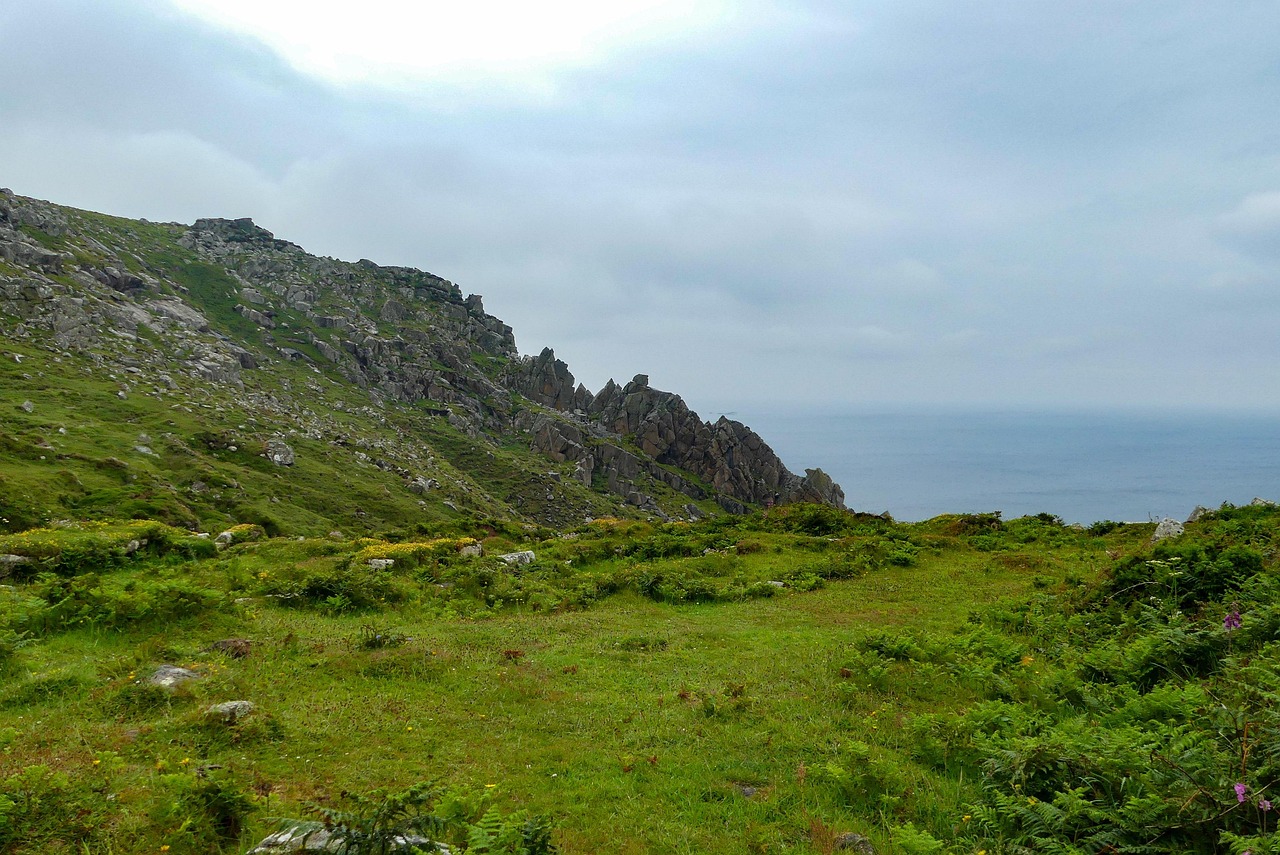
The stretch from St Ives to Zennor is wild and rugged, about six miles one way with no shortcuts, so treat it seriously. Gentler options include the cliff walk from Porthcurno to Land's End and the headland loop at St Agnes. Every one is free, waymarked with the acorn symbol, and better than any paid attraction on a clear day.
Harbours and fishing villages
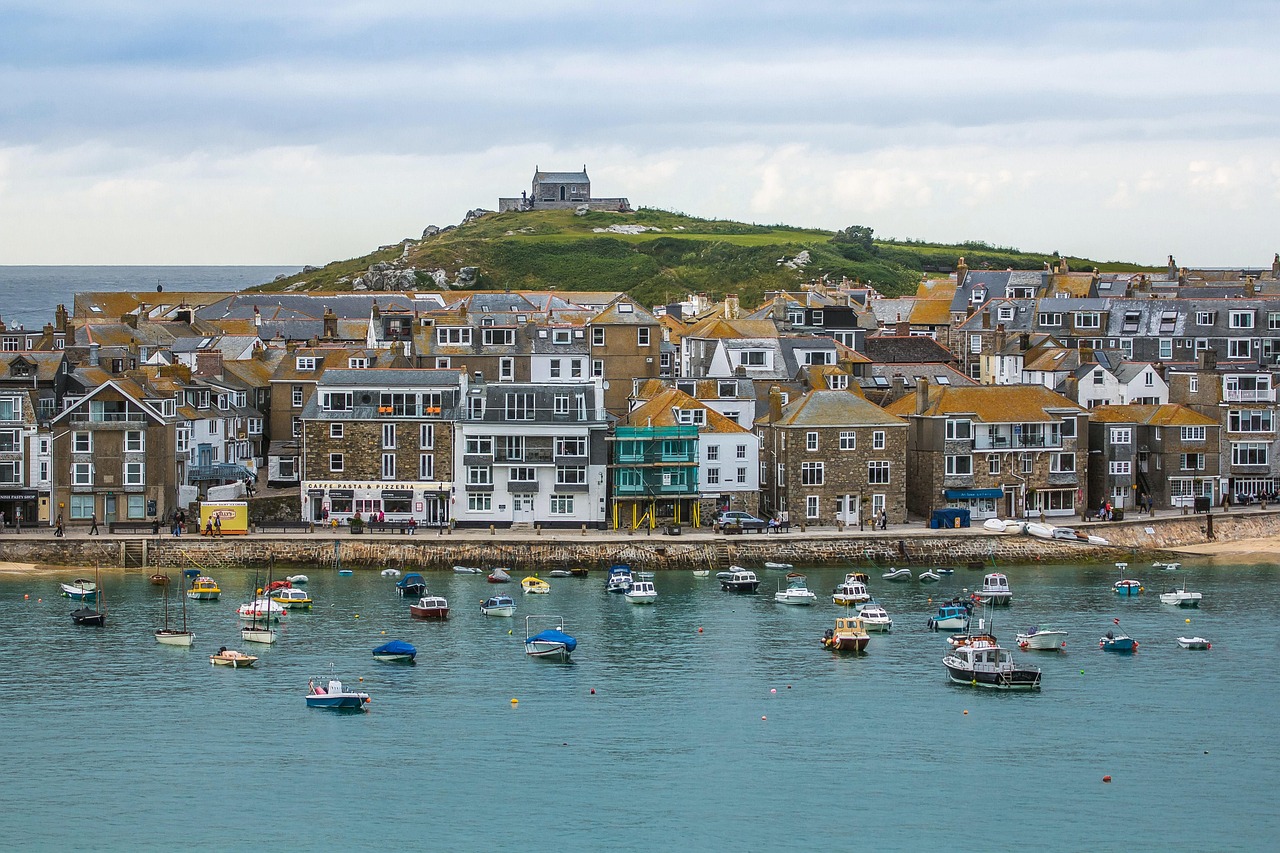
Cornwall's fishing villages are free to explore, and wandering the harbour is the whole point of visiting them. Park once, walk the quay, watch the boats and buy a pasty. That is a proper Cornish afternoon and it barely dents your wallet.
- St Ives for the harbour beach, the narrow lanes and the light that drew the artists. Town car parks fill early, so use the park and ride from Lelant.
- Mousehole, a tiny working harbour near Penzance, best walked in the morning before the lanes clog with cars.
- Fowey, a steep and handsome estuary town on the south coast.
- Port Isaac on the north coast, the fishing village that plays Portwenn in Doc Martin.
- Charlestown near St Austell, a preserved Georgian port with tall ships often moored in the harbour.
The tin mines and the Poldark coast
The old tin mines around St Just are free to visit and free to roam, and they are some of the most dramatic sights in Cornwall. This is National Trust land, open all the time, with no ticket and no gate.
Botallack is the one you have seen on screen. The Crowns engine houses cling to the cliff edge, the mine shafts once ran out under the sea, and the whole coast stood in for Poldark. Park at the Count House (National Trust, free to members, a charge for non-members) and walk down. Nearby Cape Cornwall is the only cape in England, a free headland with huge Atlantic views, quieter than Land's End and far more atmospheric. The National Trust Botallack page has current parking details.
Wildlife you can watch for free
You can see grey seals and seabirds in Cornwall without paying a penny. Godrevy, at the eastern end of St Ives Bay, has a viewing point above Mutton Cove where grey seals haul out on the beach below, often dozens of them, all year round. Keep back from the cliff edge and bring binoculars.
Kynance Cove and the Lizard
Kynance Cove is free to visit and one of the most beautiful beaches in Britain, serpentine rock stacks and white sand at low tide. The National Trust owns it and entry is free. The only cost is the clifftop car park, which charges non-members (members park free). Check tide times first, because at high water most of the sand disappears.
The rest of the Lizard peninsula, the most southerly point in mainland Britain, is free to explore. Walk out to Lizard Point, look for the lighthouse, and follow the coast path round to Kynance if the weather holds. Bring a picnic and a Lizard day need not cost anything.
Rock pooling and wild swimming
Rock pooling is the best free activity for children in Cornwall, and every rocky beach has pools at low tide. You need nothing but a net, a bucket and a tide timetable. Try the reefs at Gwithian, the flat rocks at Porthcurno, or the pools below Godrevy, and time your visit for the two hours either side of low water.
Wild swimming is free everywhere you can reach the water safely. Sheltered coves like Kynance and the harbour beach at St Ives are the calmest starting points. Swim between the flags where lifeguards are on duty, check for rip currents on the surf beaches, and never swim alone. Our things to do in Cornwall when it's raining guide is the one to reach for on the days the sea is too rough.
Parks, woods and free museums
Cornwall has free country parks and cheap town museums that make brilliant low-cost days out, especially when the coast is busy or the weather turns. Tehidy Country Park near Camborne is the largest area of woodland in west Cornwall, with nine miles of paths, a lake with swans and free parking at some entrances. It is flat, buggy-friendly and completely free.
Many small town museums run on donations rather than a fixed charge. The harbour and heritage museums in towns like Charlestown, Mevagissey and Padstow are cheap or free, the perfect hour when the rain comes in. Check opening days first, as several close over winter.
Free and cheap things to do, by area
| Free or cheap thing | Area |
|---|---|
| Fistral beach and surf watching | Newquay, north coast |
| Perranporth beach and dunes | Perranporth, north coast |
| Botallack tin mines and Cape Cornwall | St Just, far west |
| Porthcurno beach and the coast path | Penwith, far west |
| St Ives and Mousehole harbours | West Cornwall |
| Godrevy seal viewpoint | St Ives Bay, north coast |
| Kynance Cove and Lizard Point | The Lizard, south coast |
| Fowey and Charlestown harbours | South east coast |
| Port Isaac village | North coast |
| Tehidy Country Park woods | Camborne, mid Cornwall |
| South West Coast Path (anywhere) | Whole county |
The cheap treats worth paying for
A few things cost a little and are worth every penny. A proper Cornish pasty from a village bakery is a couple of pounds and makes lunch anywhere with a view, and an ice cream made with Cornish clotted cream is the traditional beach reward.
The one paid attraction worth breaking the budget for is a show at the Minack Theatre, the open-air amphitheatre carved into the cliff at Porthcurno. Evening performances cost more, but a daytime show or a garden visit is far cheaper and the setting is extraordinary. Book ahead in summer and check current prices on the Minack Theatre website.
A note on parking, honestly
Parking is where a free day out in Cornwall actually costs money, so plan for it. Most popular beach and National Trust car parks charge in season, often £4 to £8 for a day, and the machines are frequently card only or app based with patchy signal. National Trust members park free at Trust car parks like Kynance, Godrevy and Botallack, which pays for itself quickly if you visit a few. Arrive before 9am or after 4pm for the emptier spaces, and use the park and ride into St Ives and Penzance to skip the town centre misery in August.
Frequently asked questions
Are the beaches in Cornwall free?
Yes, every beach in Cornwall is free to use. The only cost is parking, which most popular beaches charge for in season, typically £4 to £8 for the day. Bring your own kit and a day at the beach costs nothing beyond the car park ticket.
Is Kynance Cove free to visit?
Yes, Kynance Cove is free to visit and owned by the National Trust. The car park at the top of the cliff charges non-members, while National Trust members park free. Check tide times first, as most of the sand vanishes at high water.
Can you visit the Cornish tin mines for free?
Yes. The mines at Botallack near St Just are National Trust land, free to roam with no ticket or gate. The Count House car park charges non-members, or park free as a member. Cape Cornwall nearby is a free headland with huge Atlantic views.
Where can you see seals in Cornwall for free?
Godrevy, at the eastern end of St Ives Bay, has a free clifftop viewpoint above Mutton Cove where grey seals haul out on the beach below, often in large numbers all year round. Bring binoculars and keep well back from the cliff edge.
What is the cheapest day out in Cornwall?
Walking a stretch of the South West Coast Path, which is free and runs the whole length of the county. Pair it with a beach, a harbour village and a pasty and you have a full day out for the price of parking and lunch.
Do National Trust car parks in Cornwall charge?
They charge non-members, usually a few pounds for the day, at sites like Kynance Cove, Godrevy and Botallack. National Trust members park free, so a membership pays for itself over a week of visits. Many machines are card or app only, so come prepared.
The short version
Cornwall rewards a small budget better than almost anywhere in Britain. The beaches, the coast path, the harbours, the seals and the tin mines are all free, and your only real cost is parking, a pasty and the odd ice cream. Arrive early, plan around the car parks, and the county is yours for next to nothing.
Pick your corner of the coast, then find a base near it on the Cornwall campsites listings, or browse the wider campsite directory to compare pitches across the county.