Winter Camping in Britain: Where to Go and How to Stay Warm
· Updated
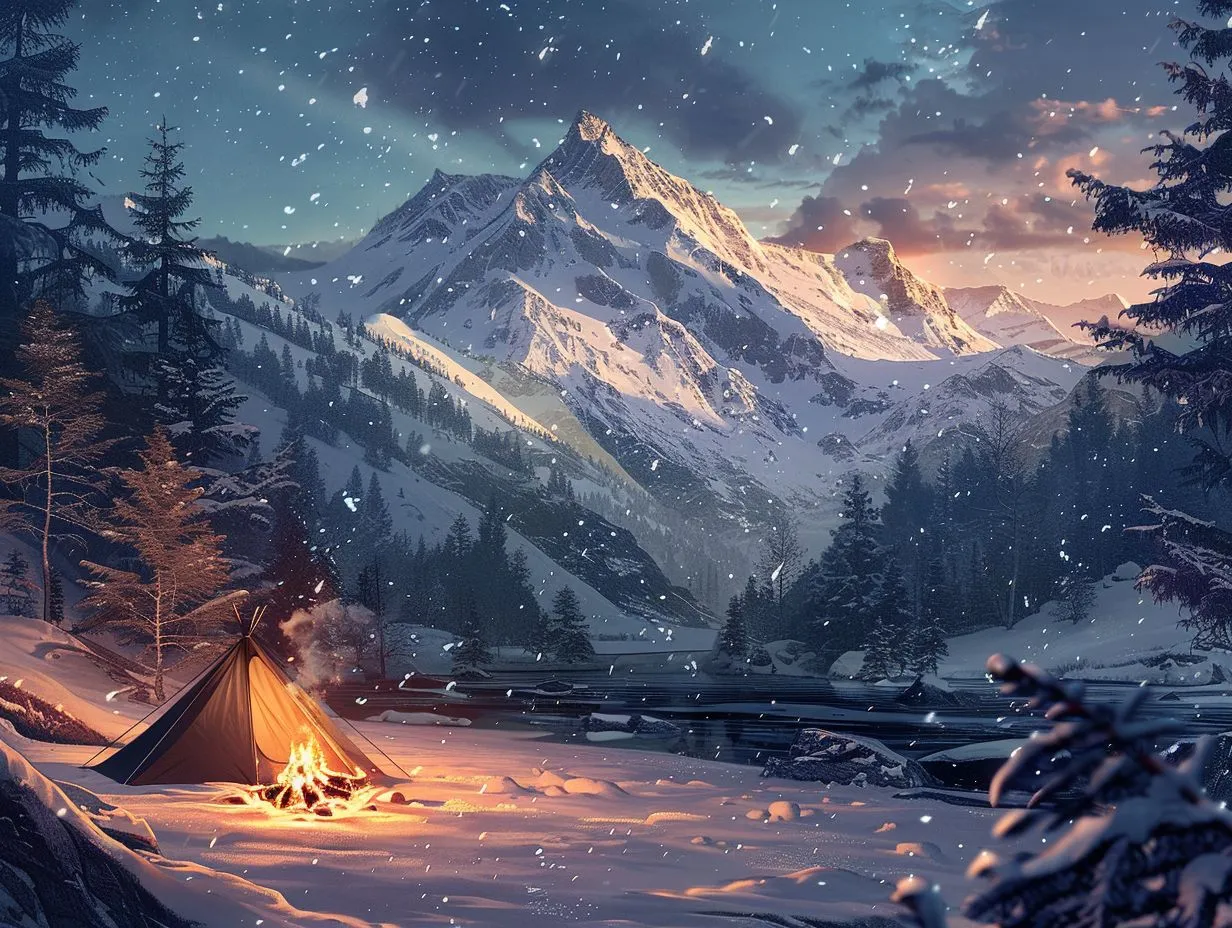
The best winter camping in Britain splits into two camps. The high, dramatic and genuinely cold: the Cairngorms, Glencoe and the Lake District fells, where the reward is snow, silence and huge skies, and the price is serious conditions. The mild and easy: the New Forest and the coasts of Cornwall and Pembrokeshire, where frost is rare, campsites stay open, and you can pitch up without mountaineering skills. Both are brilliant. The trick is matching the place to what you can actually handle.
The single most important thing in winter is finding a site that is open at all. Most British campsites close from around the end of October to the middle of March, so a spot that would be perfect in July may simply have its gates shut in January. This guide names the areas worth the trip, tells you which stay open, and explains what makes one winter pitch far more comfortable than the next.
It sits inside our wider guide to camping in British weather, season by season, and it comes from Camping Sites in Britain, where you can filter for sites that open year round.
What makes a good winter destination
A good winter destination is really a good winter campsite in a place worth being. The scenery matters, but in December the practical details decide whether you have a fine weekend or a miserable one. Look for these before you look at the view.
- It stays open. Non-negotiable. Confirm the site takes bookings for your actual dates rather than trusting a summer listing.
- Hardstanding or good drainage. Winter ground turns to mud fast. A gravel or hardstanding pitch keeps your tent, your boots and your car out of the mire.
- Electric hook-up. An electric pitch lets you run a low-wattage heater or an electric blanket, which changes a cold night completely.
- Decent heated facilities. A warm toilet and shower block is worth more in January than any amount of scenery.
- Low-level shelter. A pitch tucked behind a hedge, a wall or trees takes the sting out of the wind, which is what actually makes you cold.
- A cosy pub nearby. Somewhere warm to retreat to for a proper meal is not soft, it is sensible planning.
If a tent in the cold does not appeal, consider a pod, a shepherd's hut or a glamping cabin. Many are insulated and heated, so you get the winter landscape by day and a warm bed at night. A Certificated Location (CL) or Certificated Site (CS), the small five-van sites run under the Camping and Caravanning Club and the Caravan and Motorhome Club, is another good winter bet, since plenty stay open when the big parks close.
The best places for winter camping in Britain
Britain's best winter camping runs from the snowy Scottish mountains down to the mild south west coast, so you can pick your level of challenge. Here are the areas that reward a cold-weather trip, and what to know about each.
The Cairngorms and Aviemore
The Cairngorms are Britain's premier winter mountain landscape and Aviemore is the natural base for a trip. This is proper snow country, with the Highlands' true Arctic conditions on the high plateau, superb dark skies for stargazing, and the sense that you have gone somewhere genuinely wild. Aviemore has campsites and holiday parks that open through winter, plus pods and cabins if canvas feels a step too far, and the town gives you shops, pubs and a railway station.
Be clear-eyed about the mountains themselves. The Cairngorm plateau holds some of the most severe winter weather anywhere in the UK, with wind, whiteout and avalanche risk. Camp low, keep the high tops for days when you have the skills and kit, and check the Scottish Avalanche Information Service before you go anywhere near the snow slopes. You can browse year-round options across the Scottish Highlands on our directory.
Glencoe and the wider Highlands
Glencoe is the Highlands at their most cinematic, and winter is when it looks its best. Snow on the Buachaille, low sun on the ridges and dark, still lochs make for photography and walking you will not forget. There are campsites and bunkhouses in and around the glen that cater for winter visitors, including climbers heading for the ice.
The same warning applies with force. Glencoe's mountains are serious in winter and claim lives most years. Valley walks, the Lost Valley in good conditions and easy loch-side strolls are within reach of most people. The high ridges are mountaineering, not hiking, and need winter skills, an ice axe, crampons and the judgement to turn back.
The Lake District
The Lake District is arguably England's finest winter camping region, dramatic under snow and busy enough that services stay open. Frosted fells, crisp light and near-empty paths make a Lakeland winter special, and crucially several campsites run all year. The National Trust sites at Wasdale Head, under Scafell Pike, and Great Langdale, beneath the Langdale Pikes, both stay open through winter, so you can pitch in the heart of the mountains and still find a hot shower.
Keep the high fells for settled days and solid skills, and enjoy the valleys the rest of the time. Borrowdale, Buttermere and the lakeshore paths give you the scenery without the exposure. Browse pitches across the region on our Lake District and Cumbria campsites page.
Northumberland and Kielder
Kielder is the best winter stargazing in England, sitting inside Northumberland International Dark Sky Park, the largest area of protected night sky in Europe. On a clear, cold winter night the Milky Way is obvious to the naked eye, and the long hours of darkness mean you do not have to stay up late to see it. Kielder Water and Forest Park has campsites and cabins, and the Kielder Observatory runs public events.
This is gentler ground than the Scottish or Lakeland mountains, which makes it a fine choice if you want the winter atmosphere without alpine risk. It gets properly cold and can hold snow, so bring the warm kit, but the walking is forgiving and the skies do the work.
The Peak District
The Peak District is winter camping within easy reach of much of England, framed by gritstone edges, moorland and snug villages. Stanage Edge under frost, the White Peak dales and the moors above Edale all look terrific in winter light, and the region has a good spread of campsites, camping barns and CL sites, some of which stay open in the colder months.
The moorland tops can be bleak and boggy in winter, so pick lower valley walks in poor weather and save Kinder Scout for a clear, firm day. A camping barn or a pod makes a comfortable base if a tent feels ambitious, and there is rarely a shortage of a warm pub.
Snowdonia (Eryri)
Eryri, or Snowdonia, gives you Wales's highest mountains and some of Britain's most reliable winter snow outside Scotland. Yr Wyddfa (Snowdon) and the Glyderau carry real winter conditions, and the valleys around Betws-y-Coed, Llanberis and Beddgelert hold campsites and bunkhouses, some open year round for the winter climbing crowd.
Treat the high ground with respect. Yr Wyddfa in winter is a mountaineering objective, not a summer stroll in a coat, and people get into trouble on it every year. Low-level walks, the Miners' Track in good conditions and the woodland and lake trails near Betws-y-Coed give you the drama without committing to snow and ice.
The New Forest
The New Forest is the easiest winter camping in England and a brilliant choice for a first cold-weather trip. Winters here are mild, snow is uncommon, and the flat, sheltered heath and woodland are gentle to walk. The Camping in the Forest sites sit right among the trees, and the free-roaming ponies, deer and pigs are a highlight in the quiet season.
Check dates carefully, as the Forestry England sites here have specific opening seasons and not all run right through winter. When they are open, though, this is about as relaxed as British winter camping gets, with easy cycling, pub lunches and no need for mountain skills.
Pembrokeshire and the Cornish coast
The south west coasts of Cornwall and Pembrokeshire have the mildest winters in Britain, which makes them the softest landing for camping in the cold months. Frost is rare on the coast, the sea keeps temperatures up, and empty beaches and clifftop paths feel like they belong to you alone. Storms can roll in off the Atlantic, so shelter and a well-pitched tent matter, but the raw cold of the mountains is absent.
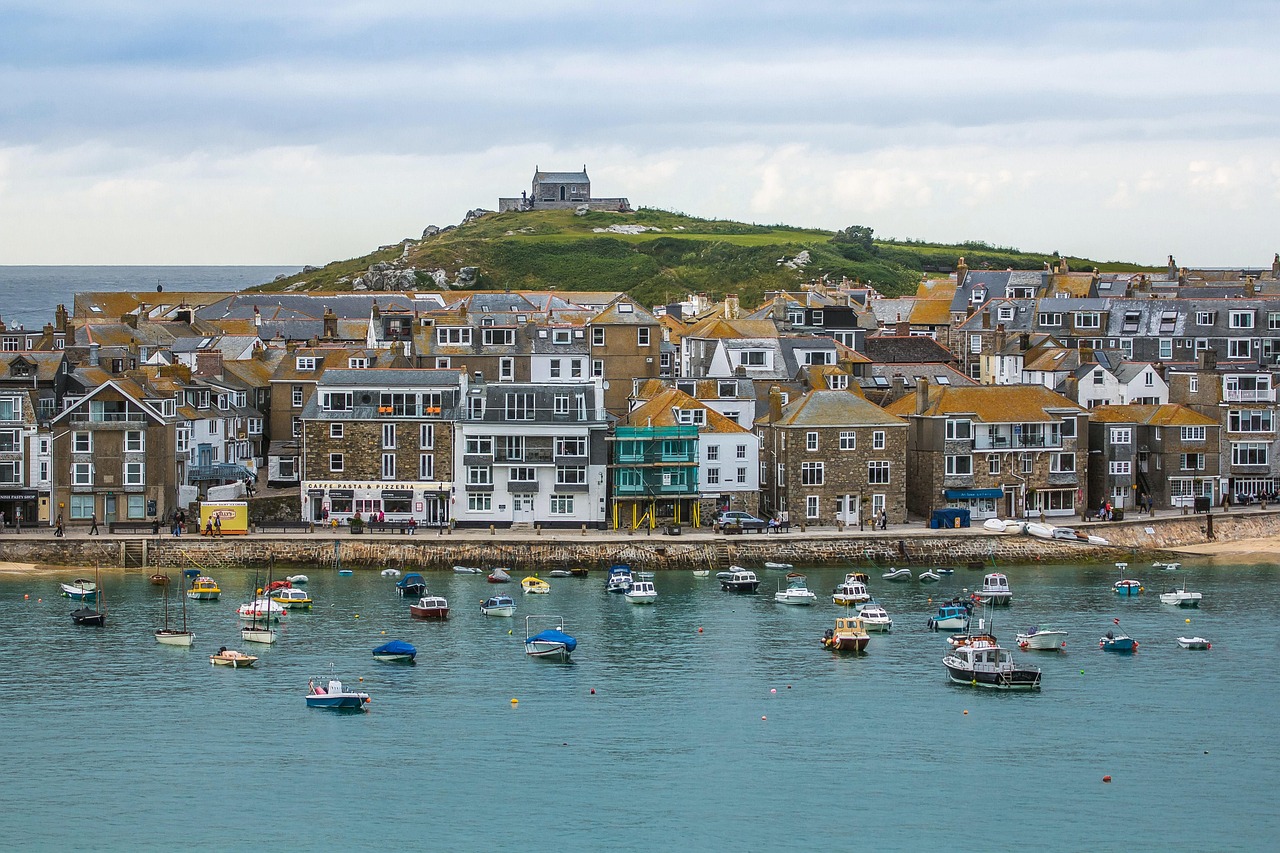
A handful of coastal sites stay open through winter, and there are pods and glamping cabins if you want a solid roof when a gale is blowing. Look along the Pembrokeshire Coast Path or the beaches around St Ives and the Lizard, and check our campsite listings for sites taking winter bookings.
Mild or serious: matching the trip to your kit
The quickest way to choose is to be honest about your experience and gear, then pick a region to match. This table sorts the areas by how demanding they are.
| Region | Winter character | Who it suits |
|---|---|---|
| Cornwall and Pembrokeshire coast | Mild, wet, windy, little frost | First-timers and families |
| New Forest | Mild, sheltered, easy walking | First-timers and families |
| Northumberland and Kielder | Cold, dark skies, gentle terrain | Stargazers, confident campers |
| Peak District | Cold, some snow, mixed terrain | Confident campers |
| Lake District | Cold, snowy fells, easy valleys | Confident campers, hillwalkers |
| Snowdonia (Eryri) | Snowy mountains, easy valleys | Experienced, winter-skilled for the tops |
| Glencoe and the Highlands | Severe mountains, mild glens | Experienced, winter-skilled for the tops |
| Cairngorms and Aviemore | Arctic plateau, sheltered base town | Experienced, winter-skilled for the tops |
Pair it with the right kit
Where you go matters less than whether you sleep warm, and that comes down to preparation rather than a thermometer reading. Cold ground steals more heat than cold air, so insulation underneath you is the first job, backed by a bag rated well below the temperature you expect.
Two guides cover the detail. Our piece on winter tent insulation walks through sleeping mats, groundsheets and taking the chill out of the tent itself, and how to stay warm at night covers layering, hot water bottles and the small habits that keep you comfortable until morning. Read both before a cold trip and you will avoid the classic mistake of a good bag ruined by a thin mat.
If you would rather build a winter break around towns and lights than mountains and mud, our guide to festive camping near Christmas markets pairs open campsites with mulled wine and market stalls.
A serious word on winter mountains
Winter walking on Britain's high mountains is a different sport from summer hillwalking, and it needs real skills. Snow and ice turn an easy summer path into ground where a slip can be fatal, daylight is short, and the weather on the tops can be violent and change in minutes. The Cairngorms, Glencoe, the Lake District fells and the peaks of Eryri all catch out people every winter who treated them like a summer stroll.
If you want the high tops in winter, get proper instruction, carry and know how to use an ice axe and crampons, check the mountain forecast and the avalanche report, and be ready to turn back. If you do not have those skills yet, there is no shame in it, and no need to miss out. Camp low, walk the valleys and lakeshores, and let the mountains be the view rather than the objective. You will still have a brilliant trip.
Frequently asked questions
Are campsites open in winter in Britain?
Some are, but most are not. A large share of British campsites close from late October to mid-March. Year-round sites, CL and CS sites, and glamping parks are your best bet. Always confirm the site takes bookings for your exact dates before you set off.
Where is the warmest place to camp in Britain in winter?
The coasts of Cornwall and Pembrokeshire have the mildest winters in Britain, with the sea keeping temperatures up and frost rare. The New Forest is also mild and sheltered. All three are good choices for a first winter trip or for camping with children.
Is winter camping in Britain safe?
Low-level and coastal winter camping is safe for anyone with warm kit and sensible planning. The risk lies on the high mountains, where snow, ice and severe weather demand winter skills, an ice axe and crampons. Camp low and walk the valleys if you lack that experience.
Where can I go stargazing while winter camping?
Kielder in Northumberland is the standout, sitting inside Europe's largest area of protected night sky. Long winter nights and low light pollution make the stars superb. The Cairngorms, Snowdonia and the Brecon Beacons also have excellent dark skies for camping stargazers.
Can I wild camp in winter in Britain?
The rules do not change with the season. Wild camping is broadly allowed in Scotland under the Scottish Outdoor Access Code, and in England it is a legal right only on parts of Dartmoor. Everywhere else you need the landowner's permission. Follow Leave No Trace year round.
Do I need a special tent for winter camping?
Not always. For mild, sheltered sites a good three-season tent pitched well is often enough. For snow, high wind or the mountains, a four-season tent that sheds snow and stands up to gusts is worth having. Insulation under your sleeping bag matters more than the tent for staying warm.
The short version
Pick your challenge and match the place to it. For an easy, mild first trip go to the New Forest or the Cornish and Pembrokeshire coasts. For cold, clear stargazing head to Kielder. For snow and drama with the skills to match, the Cairngorms, Glencoe, the Lakes and Eryri are magnificent. Whatever you choose, confirm the site is open, sort your insulation, and keep the high mountains for the days you are ready for them. Start with sites taking winter bookings on Camping Sites in Britain.