Best Lightweight Camping Gear: Cut Your Base Weight
· Updated
Lightweight camping gear is kit chosen to get your pack weight down without leaving you cold, wet or unsafe on the hill. The one number that matters is your base weight: the total of everything on your back except the food, water and fuel you will use up as you go. Get that under 10kg and you have a genuinely lightweight setup. Get it under 5kg and you are into ultralight territory.
Almost all the saving comes from three items, not from cutting your toothbrush in half. Swap a heavy tent, sleeping bag and mat for lighter versions and you can drop 3kg to 4kg in one afternoon of shopping, before you touch anything else. This spoke sits inside the complete UK camping gear guide, and it is published by Camping Sites in Britain, where you can find and compare campsites across the UK once your pack is sorted.
What base weight actually means
Base weight is your pack with all the durable kit inside but nothing you consume: no food, no water, no gas. Weigh it on kitchen scales, or hang the packed bag off a luggage scale. It is the honest measure of how light your setup is, because food and water change every trip and every day.
As a rough scale for three-season UK backpacking, treat a base weight under 10kg as lightweight, under 7kg as very light, and under 5kg as ultralight. A typical first-timer's kit, bought piecemeal from a supermarket and a high-street shop, often lands between 12kg and 16kg base. Add two litres of water (2kg) and a couple of days of food (1.5kg) and you can see how quickly a pack tips past 18kg. Cutting base weight is what turns a slog into a walk.
The big three: where the weight really hides
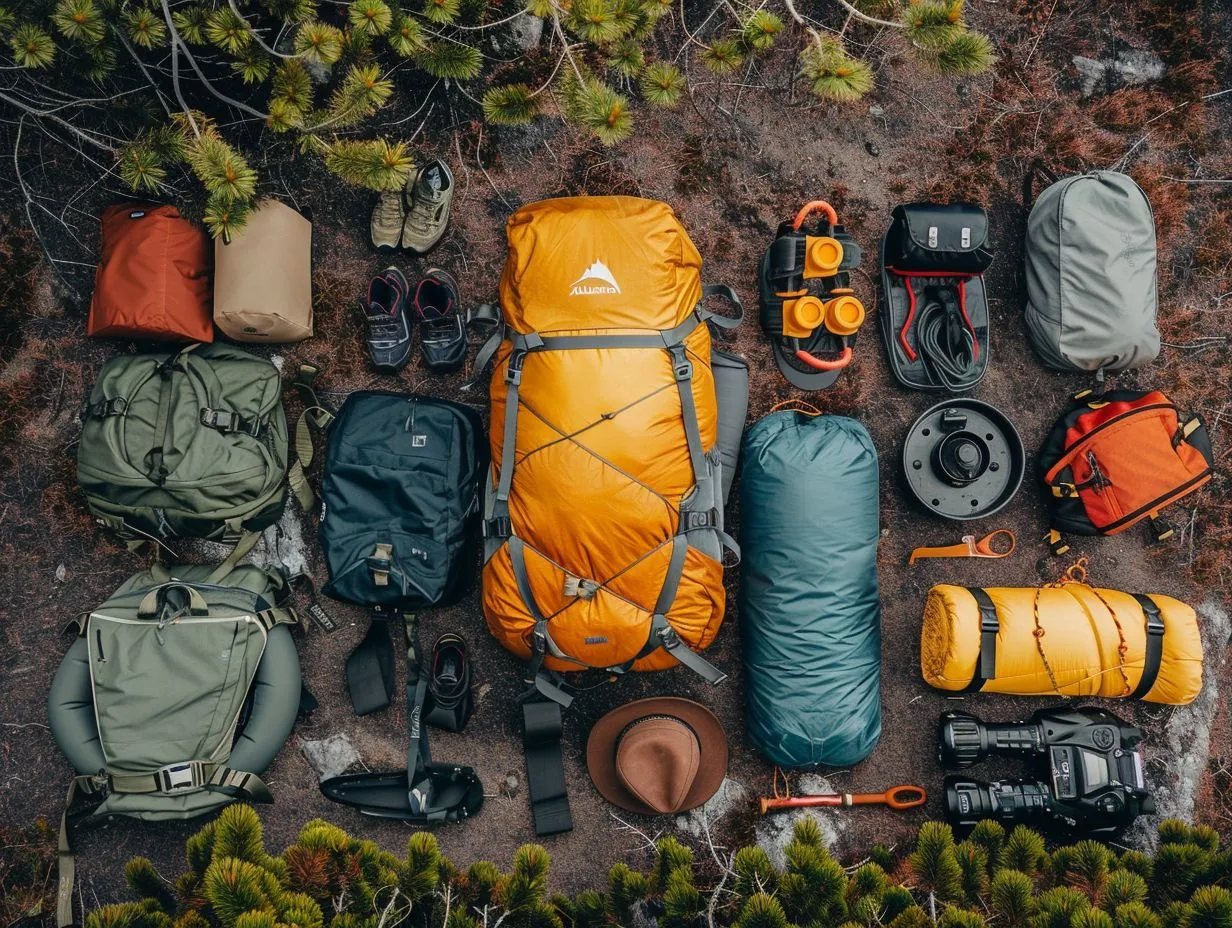
Your tent, sleeping bag and sleeping mat are the "big three", and together they usually make up more than half your base weight. Fix these first and everything else is fine-tuning. A fourth item, the backpack itself, matters almost as much, so it is worth weighing too.
Tent
A budget two-person dome tent weighs 2.5kg to 3kg. A proper lightweight backpacking tent brings that to 1kg to 1.5kg, and a trekking-pole shelter in Dyneema can drop under 900g. British brands like Terra Nova and Vango make genuinely light freestanding tents, and Alpkit and Durston cover the trekking-pole end. If you already carry poles for walking, a tent that pitches on them saves the weight of dedicated tent poles entirely. Our guide to the best lightweight tents for backpacking compares the sensible options.
Sleeping bag
A cheap synthetic bag weighs 1.5kg to 2kg. A three-season down bag from Rab, Alpkit or Mountain Equipment does the same job at 700g to 900g, because down packs more warmth into less weight and bulk. Go to a quilt, which drops the crushed insulation under your back that does nothing anyway, and you can be under 600g. Match the comfort rating to the season, not to the lightest number on the label.
Sleeping mat
A basic self-inflating mat weighs 600g to 900g. A lightweight inflatable with a decent warmth rating (look for the R-value) comes in at 350g to 500g, and a closed-cell foam mat like a folding Z-style pad is around 400g and never punctures. Do not drop the R-value below what the ground temperature demands, because a cold mat costs you more sleep than a thin bag. See the best sleeping mats for comfort for the balance between weight and a decent night's rest.
Real weights: typical vs lightweight vs ultralight
The table below shows what each core item weighs at three levels, so you can see where your kilos are going. These are realistic three-season figures, not the lightest record-setters.
| Item | Typical | Lightweight | Ultralight |
|---|---|---|---|
| Tent (1 to 2 person) | 2.5kg to 3kg | 1kg to 1.5kg | 500g to 900g |
| Sleeping bag | 1.5kg to 2kg | 700g to 900g | 400g to 600g (quilt) |
| Sleeping mat | 600g to 900g | 350g to 500g | 230g to 350g |
| Backpack | 2kg to 2.5kg | 1kg to 1.3kg | 500g to 800g |
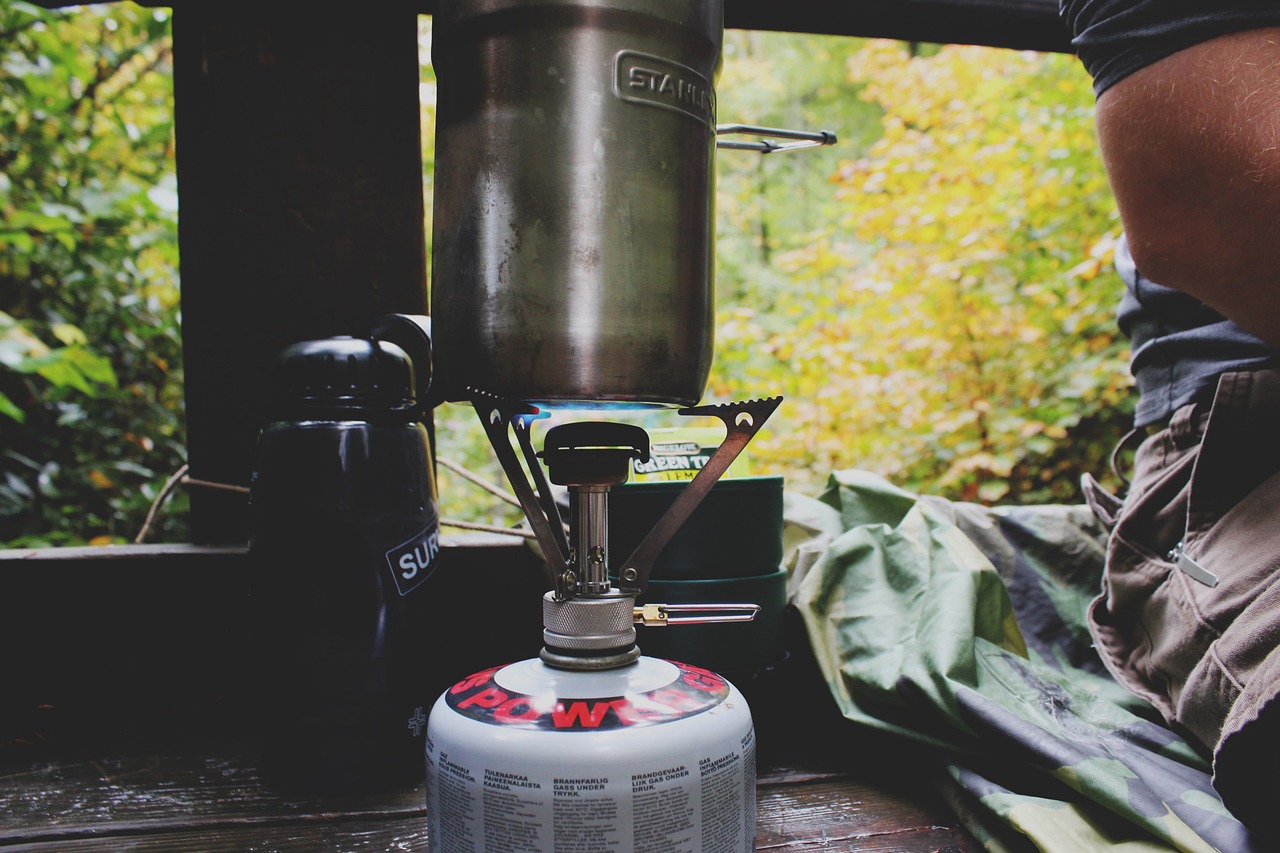
| Stove | 300g plus | 90g to 120g | 25g to 45g |
| Cook pot | 250g | 130g (titanium) | 90g |
Add up the "typical" column and the big three plus pack alone come to roughly 7kg to 8.5kg. The "lightweight" column brings the same four items to about 3kg to 4.2kg. That single swap is the biggest win available to you.
Cutting weight without cutting safety
Save weight on comfort and convenience, never on the things that keep you alive in bad weather. British hills change fast, and a light pack is no use if you are hypothermic. Some items are non-negotiable whatever your base weight target.
- Waterproofs. A proper waterproof jacket stays in, always. You can choose a lighter shell, but not no shell. Our pick of the best waterproof jackets for campers covers light options that still hold out UK rain.
- Warmth for the season. Match your bag and mat to the actual overnight low, not the daytime forecast. Being cold is dangerous, not just miserable.
- Navigation. Map, compass and a charged phone. A GPS watch is a bonus, not a replacement.
- Headtorch and spare batteries. Roughly 90g that you never leave behind.
- First aid and a whistle. A trimmed-down kit is fine; no kit is not.
- Enough water capacity. Carry the containers even when they are empty between fills.
The right way to lose weight is to carry fewer things and lighter versions of the essentials, not to leave the essentials at home. The "just in case" pile of spare clothes is usually where the real excess hides.
Make every item earn its place
Multi-use kit is the second big saving after the big three. Every item that does two jobs is an item you leave behind. A little planning here shaves a surprising amount without spending a penny.
- Trekking poles double as your tent poles with a pole-supported shelter.
- Your insulated jacket, stuffed into its sack, becomes your pillow.
- A titanium pot is also your mug, bowl and measuring jug.
- A dry bag protects your sleeping bag and lines your pack instead of a separate rain cover.
- A buff works as a hat, neck warmer, eye mask and pot grab.
- The foam sit mat cut from a sleeping pad doubles as a frame for a frameless pack.
For the full method of getting a pack down to size before you buy anything new, read how to pack light for a camping trip.
A sample sub-10kg kit
Here is a realistic three-season base weight that comes in under 6kg, leaving plenty of headroom under the 10kg mark for anyone who wants a little more comfort. Weights are the durable items only.
| Item | Weight |
|---|---|
| Lightweight tent | 1.3kg |
| Down sleeping bag | 800g |
| Inflatable sleeping mat | 450g |
| 50L backpack | 1.2kg |
| Stove and titanium pot | 220g |
| Waterproof jacket | 300g |
| Insulated jacket | 350g |
| Spare base layer and socks | 400g |
| Headtorch, first aid, repairs | 340g |
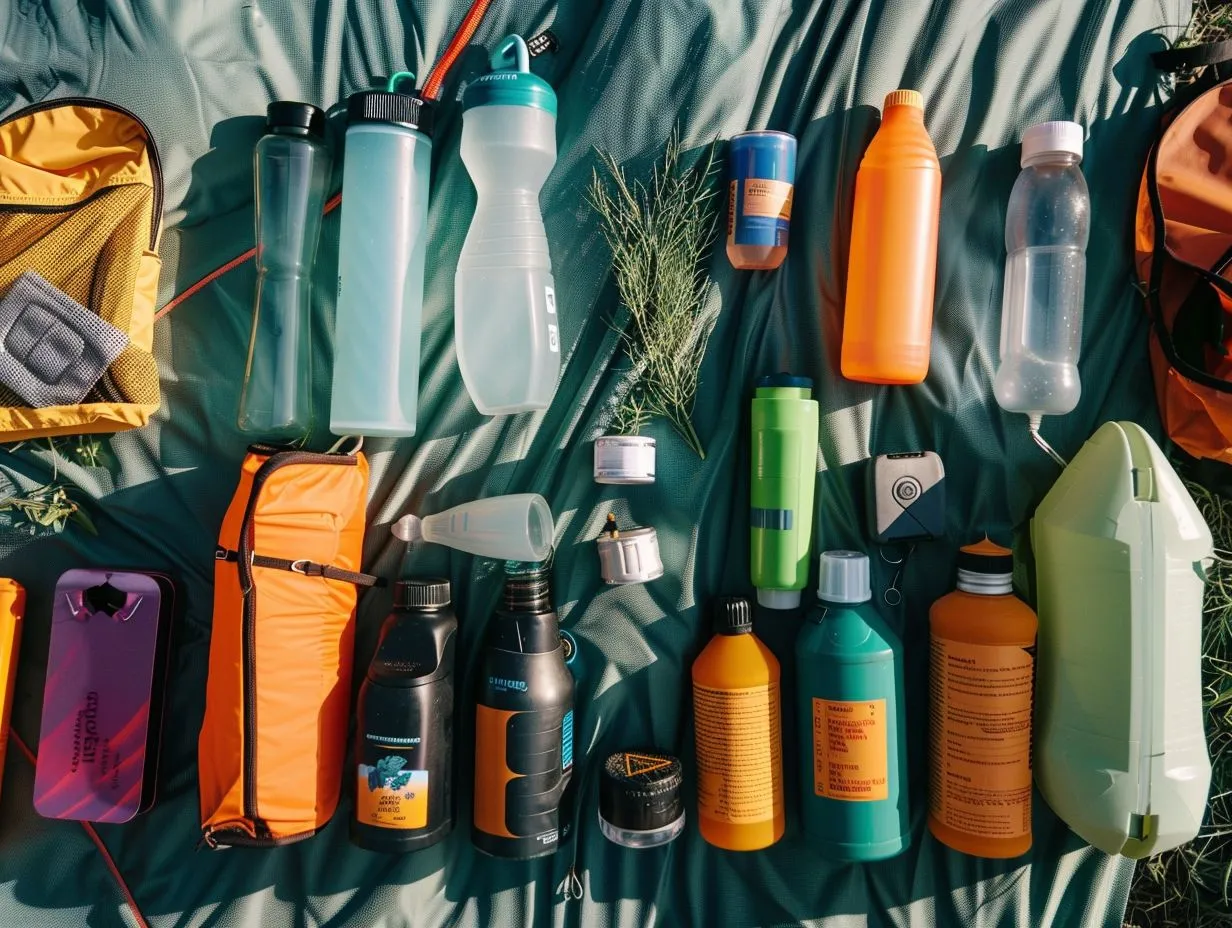
| Water filter and empty bottles | 150g |
| Cutlery, dry bags, phone battery | 400g |
| Base weight total | 5.9kg |
Add food, water and a gas canister and you are still under 10kg on the trail. That is the difference between an overnighter in the Lake District feeling like a chore and feeling like a walk. Browse the full campsite directory to plan where that first light trip takes you.
Frequently asked questions
What is a good base weight for backpacking?
Under 10kg is lightweight, under 7kg is very light, and under 5kg is ultralight, measured as everything on your back except food, water and fuel. Most beginners start around 12kg to 16kg, so the big three are where you make the first big cut.
What are the big three in camping gear?
Tent, sleeping bag and sleeping mat. Together they make up more than half of most base weights, so switching to lighter versions of these three saves more than every small item combined. The backpack is a close fourth.
Is ultralight gear worth it for UK camping?
For multi-day walks in hills like Eryri or the Highlands, yes, because less weight means less fatigue and injury. For a weekend at a car-accessible campsite it matters far less, since you are not carrying the kit far.
Does lightweight gear mean less durable?
Sometimes, but not always. Lighter fabrics can be thinner, yet materials like Dyneema and quality down deliver low weight and long life. Choose kit rated for three-season use and treat it with care rather than buying the flimsiest option.
Down or synthetic for a lightweight sleeping bag?
Down is warmer for its weight and packs smaller, which is why nearly every lightweight bag uses it. Synthetic still insulates when damp and costs less, so it suits wet trips and tight budgets, at the price of extra weight.
How do I cut weight cheaply?
Leave things at home first, it is free. Carry fewer spare clothes, ditch duplicate items, and make each thing do two jobs. Only then spend money, and spend it on the big three where each pound buys the most saving.
The short version
Base weight is the number that counts, and the big three (tent, sleeping bag, mat) are where you cut it fastest. Go lighter on comfort and convenience, never on shelter, warmth or safety, and make every item earn its place. For the wider picture, head back to the complete UK camping gear guide, then find your first trip in the campsite directory.