How to Choose a Lightweight Backpacking Tent (UK Guide)
· Updated
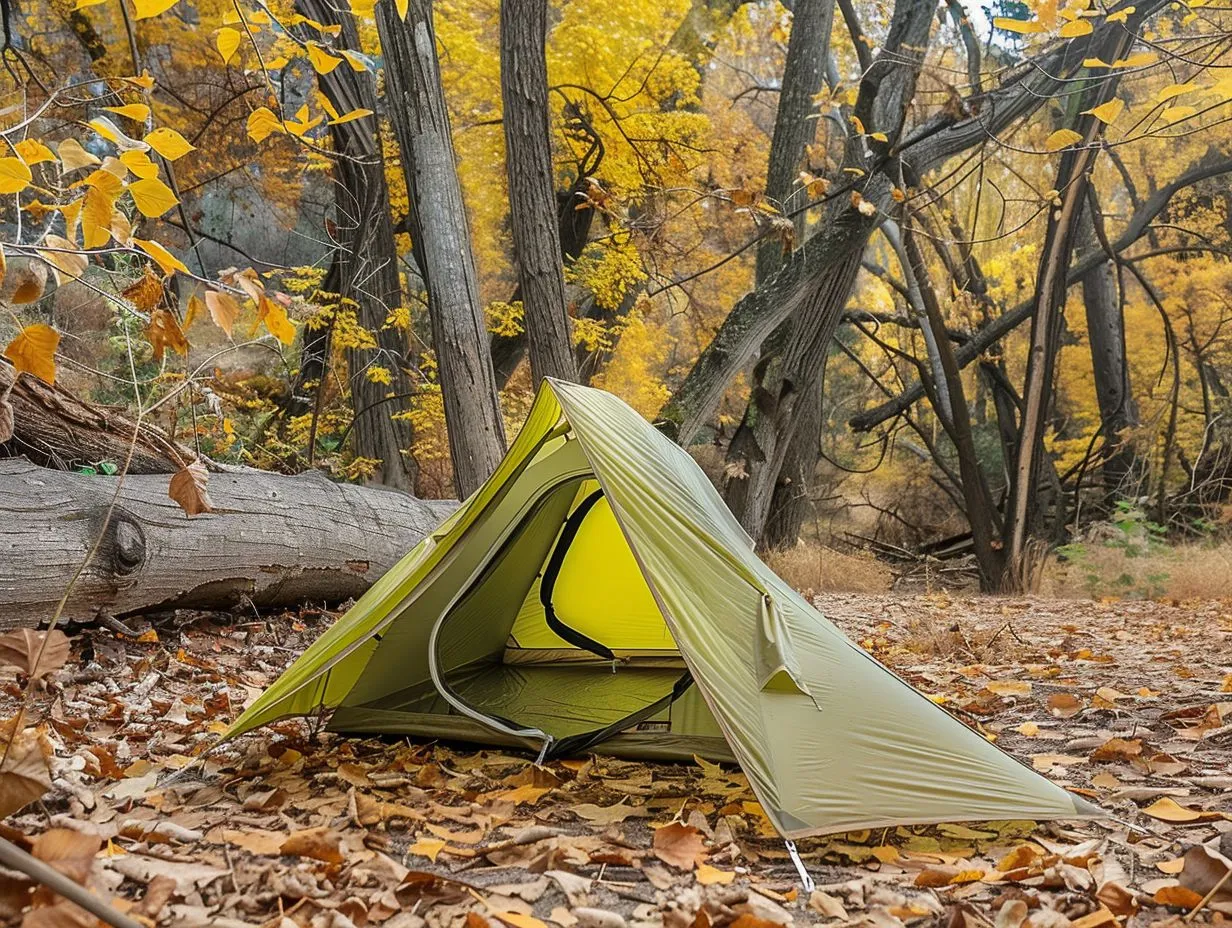
A good solo backpacking tent for British conditions weighs 1 to 2kg packed. Anything under 1kg is genuinely ultralight and usually means a trekking-pole design or an expensive Dyneema fabric. Anything over 2.5kg is a car-camping tent that will punish you on a long walk in. Those numbers are the whole decision in a nutshell, and everything below is about landing on the right point within that range for the trips you actually do.
The trap most people fall into is chasing the lowest weight on the label without checking whether the tent will stand up to a wet, windy night on a Welsh hillside. Weight, waterproofing and stability pull against each other, and the skill is balancing them for British weather.
This is part of the complete UK camping gear guide from Camping Sites in Britain, where you can find and compare campsites, caravan parks and glamping across the UK.
What counts as lightweight
Lightweight starts at roughly 2kg for a one to two person tent and drops from there. Below is the honest breakdown of what the packed weight on the label actually means for your back.
| Category | Packed weight (1 to 2 person) | What you are carrying |
|---|---|---|
| Ultralight | Under 1kg | Trekking-pole or Dyneema tents, minimal, needs skill to pitch well |
| Lightweight | 1 to 1.5kg | The sweet spot for most UK backpacking, freestanding or hybrid |
| Standard backpacking | 1.5 to 2.5kg | Roomier, more robust, fine for a weekend but you feel it on day three |
| Too heavy to carry far | Over 2.5kg | Family or festival tents, not built for walking in |
For scale, a classic British lightweight design like the Terra Nova Laser Competition sits close to 1kg for one person, while a popular two person freestanding tent such as the MSR Hubba Hubba runs around 1.7 to 1.9kg. A budget Vango or Wild Country backpacking tent from Go Outdoors or Cotswold Outdoor typically lands nearer 2.2 to 2.8kg, which is the price you pay for a lower ticket price.
Freestanding or trekking-pole supported
Freestanding tents hold their shape without pegs; trekking-pole tents use your walking poles instead of dedicated tent poles to save weight. Both work in Britain, but they suit different campers.
A freestanding tent has its own alloy pole set, usually a single hubbed frame, so it stands up on its own before you peg it out. That makes it forgiving to pitch, easy to move, and better on hard, rocky or boardwalk pitches where pegs will not bite. The cost is the weight of carrying poles, typically 250 to 400g of aluminium alloy.
A trekking-pole tent pitches over the poles you are already carrying, which can strip 300 to 500g off the total, and brands like Durston and Alpkit have made these mainstream. The trade-off is that they demand a proper pitch on ground that takes pegs, they are fussier in high wind until you learn them, and they are useless if you leave your poles at home. If you always hike with poles and camp on grass, they are the lightest sensible option.
Single wall or double wall
Double-wall tents are the safer choice for British weather because they manage condensation far better. A double wall has a waterproof outer flysheet and a separate breathable inner, with an air gap between them where moisture collects and drains away rather than dripping on your sleeping bag.
Single-wall tents combine both layers into one waterproof skin, which saves weight and packed size but traps condensation against the inside on a cold, still, damp night, which describes a lot of the UK camping calendar. They can be made to work with good venting and Dyneema fabric, but for a first lightweight tent in this climate, a double wall forgives far more. If you do go single wall, camp with the vents open and expect to wipe the walls down in the morning.
One person or two
Buy the two person version unless you are counting every gram for a long-distance route. The weight penalty for going from a one to a two person tent is usually only 200 to 400g, and the extra floor width transforms comfort, gear storage and the misery of sitting out a wet afternoon.
A one person tent typically gives you a 50 to 70cm sleeping width, which is snug with a wide sleeping mat and leaves nowhere for a rucksack except the porch. A two person tent offers around 120 to 130cm, enough for one person to spread out or two to sleep shoulder to shoulder. For solo backpacking where you want room to sit out British rain, a lightweight two person tent used by one is the most comfortable choice per gram carried.
The specs that actually matter
Four numbers on the spec sheet tell you almost everything: packed weight, packed size, hydrostatic head and the pole material. Ignore the marketing and read these.
| Spec | What to look for | Why it matters |
|---|---|---|
| Packed weight | 1 to 2kg for solo, up to 2.5kg for two | The weight you carry all day. Check "packed" not "trail" weight, which excludes pegs and bags |
| Packed size | Roughly 40 to 50cm long, 12 to 15cm diameter | Whether it fits inside or on your rucksack. Splitting poles and fabric between two people helps |
| Hydrostatic head (flysheet) | 2000mm minimum, 3000 to 5000mm better for the UK | How much water pressure the fabric resists before it leaks. British rain is relentless, so do not go below 2000mm |
| Hydrostatic head (groundsheet) | 5000mm or higher | The floor takes your body weight pressing into wet ground, so it needs a far higher rating than the fly |
| Poles | Aluminium alloy, ideally DAC, over fibreglass | Alloy is lighter, stronger and springs back in wind. Fibreglass is heavy and shatters in gusts |
Hydrostatic head is the one people skip and regret. A rating of 2000mm is the sensible UK floor for a flysheet, and many quality tents run 3000mm or more. Groundsheets need much higher, 5000mm and up, because kneeling on a thin floor forces water through fabric that would happily keep rain off. Look for taped seams too, since an untaped seam leaks regardless of the fabric rating.
Fabric denier is worth a glance as well. A 15D flysheet is feathery and fragile; 20D to 30D is the tougher, more forgiving choice for repeated UK use. Dyneema Composite Fabric is the lightest and does not stretch or absorb water, but it is dear, less abrasion resistant against gritty ground, and best reserved for people who genuinely need the weight saving.
Durability against weight for British weather
The lightest tent is rarely the right tent for the UK, because British camping punishes flimsy gear. Wind, sustained rain and damp mean a shelter that survives a Colorado summer can fail on a June night in Snowdonia.
Three things matter most for holding up here. First, wind stability: geodesic and semi-geodesic tents with crossing poles shrug off gusts that flatten a simple ridge tent, which is why they dominate on exposed British hills. If you camp high or by the coast, prioritise a low profile and a strong pole geometry over the last 200g, and back it up with the right tent pegs for the ground, which make a real difference on an exposed pitch.
Second, water management: silicone-coated polyester (silpoly) sags less than silnylon when soaked and does not soak up water weight overnight, which matters in a country where the fly is wet more often than dry. Whatever the fabric, seams should be taped and the tent should be pitchable outer-first so the inner stays dry as you put it up, and it pays to know how to reproof a tent once the coating starts to age.
Third, seasonality. A three-season tent covers spring, summer and autumn and is right for the vast majority of UK backpacking. A four-season tent adds a stronger frame and less mesh for winter and mountain use, at a weight cost. Our companion guide to 3-season and 4-season tents explains which you need. For most people the answer is a robust three-season model with a decent pole set, not the lightest thing on the shelf.
Fitting the tent into your wider kit
The tent is only one part of your carried weight, and a sensible target for a summer sleep system is a tent, mat and bag that together come in under 3kg. The sleeping mat is the next big lever, and a warm, light one matters as much as the tent for a decent night; see the best sleeping mats for comfort. For the rest of the pack, our roundup of the best lightweight camping gear shows where grams are worth chasing. Once your kit is sorted, browse campsites across Britain, or head for backpacking country in the Lake District and Cumbria.
Frequently asked questions
How light should a backpacking tent be?
Aim for 1 to 2kg packed for a solo tent in the UK. Around 1kg is excellent, under 1kg is ultralight and usually a trekking-pole or Dyneema design, and over 2.5kg is too heavy to carry comfortably on a multi-day walk.
What hydrostatic head do I need for British weather?
At least 2000mm on the flysheet, with 3000 to 5000mm giving more margin against sustained UK rain. The groundsheet should be higher, 5000mm or more, because your body weight forces water through a floor that would otherwise stay dry.
Are trekking-pole tents any good for the UK?
Yes, if you always hike with poles and camp on ground that takes pegs. They save 300 to 500g over a freestanding tent, but they need a careful pitch, handle wind less forgivingly until you learn them, and cannot be pitched without your poles.
Is a one person tent big enough?
It is enough to sleep in but tight for sitting out bad weather, with a 50 to 70cm width and no room for a rucksack indoors. Since a two person tent adds only 200 to 400g, most solo backpackers are happier carrying the larger model.
Single wall or double wall for backpacking in Britain?
Double wall for most people, because the air gap between fly and inner manages the condensation that builds on cold, damp, still UK nights. Single-wall tents are lighter but need good venting and will often need wiping down in the morning.
How much does a good lightweight tent cost?
A capable three-season backpacking tent generally runs from around £150 for a budget model to £400 for a quality freestanding one, with Dyneema ultralight tents starting near £500. Spend for a strong pole set and proper waterproofing rather than for the lowest weight alone.
The short version
Target 1 to 2kg for a solo tent, buy the two person version for the sake of 200 to 400g, insist on a 2000mm or higher flysheet with alloy poles, and choose stability over the last few grams because British weather rewards it. A robust double-wall three-season tent will serve almost everyone better than the lightest option on the shelf.
Once it is packed, work out where to take it in the complete UK camping gear guide, or find your pitch through our directory of campsites across Britain.