Camping Gear: The Complete UK Kit Guide
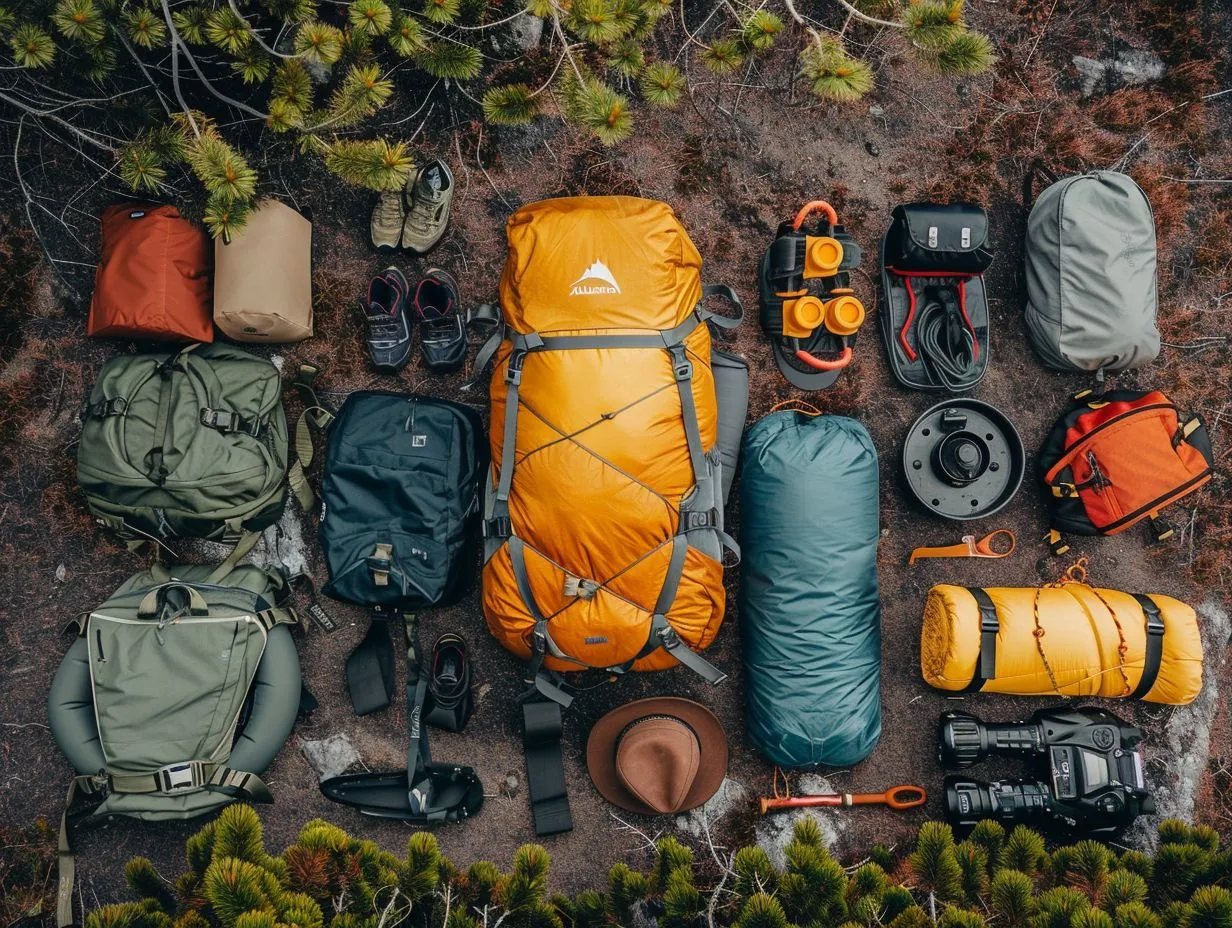
You need less camping gear than the shops suggest and better gear than the cheapest shelf offers. The trick in Britain is buying kit that handles rain, wind and cold, because our weather punishes anything built for a dry campsite in southern France.
This guide covers every category of kit, what the numbers on the label actually mean, and which pieces are worth spending on. Each section links to a full buying guide, so start here to understand the essentials, then follow the links for specific recommendations.
It is the gear guide from Camping Sites in Britain, where you can find and compare campsites, caravan parks and glamping to test your new kit on.
What you actually need, by priority
| Priority | Kit | Why it matters most |
|---|---|---|
| Essential | Tent, sleeping bag, sleeping mat, torch, first aid kit | Shelter, warmth and safety. Never cut corners here |
| Essential | Waterproof jacket, warm layers | British weather turns fast, even in July |
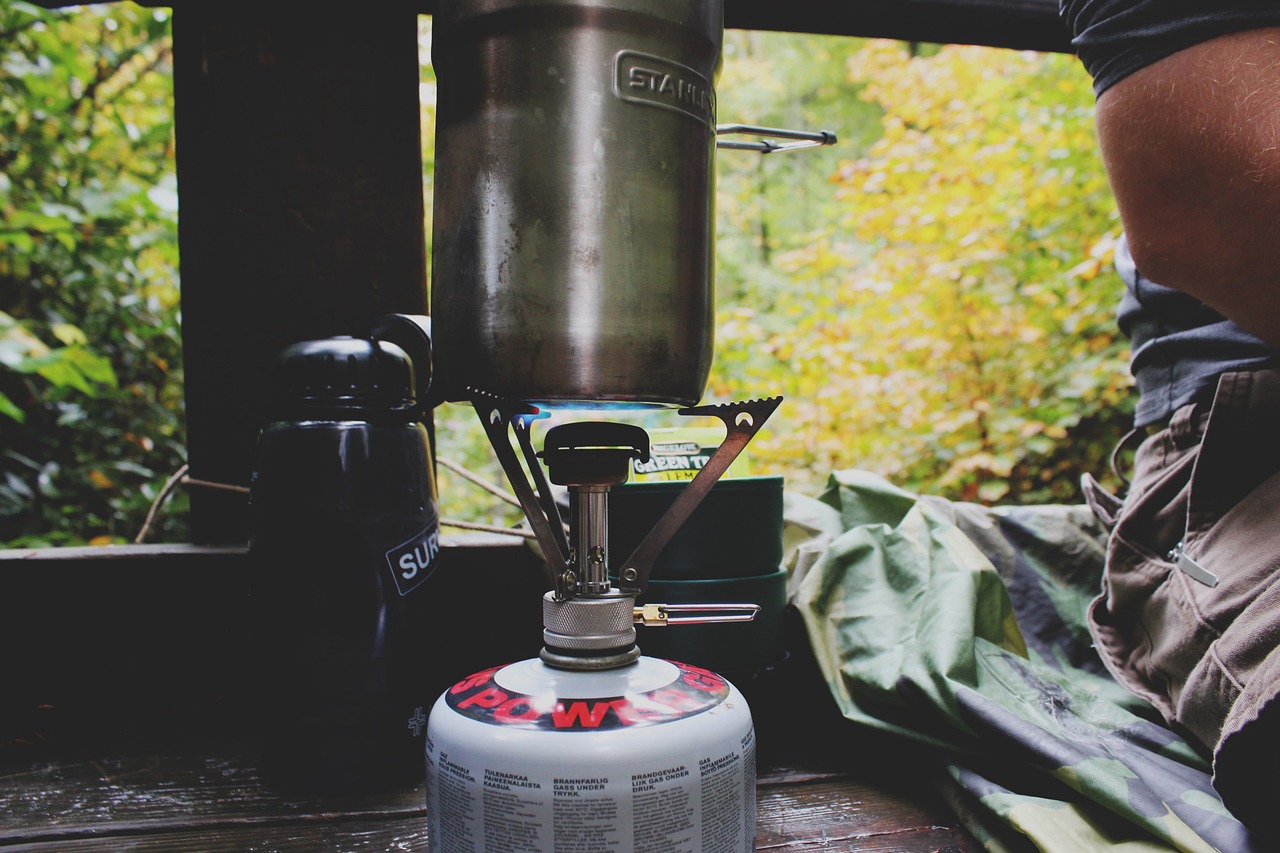
| Important | Camping stove, cookware, cool box, water carrier | Hot food and a brew make or break morale |
| Comfort | Camping chair, table, extra bedding, windbreak | Turns a night outdoors into a proper break |
| Nice to have | Portable fridge, heater, shower, coffee kit | Home comforts for car campers with room to spare |
Shelter: your tent and everything holding it up
Your tent is the one piece of kit you cannot improvise, so it is where thought pays off most. The number that matters is the hydrostatic head, the waterproof rating measured in millimetres. A flysheet is sold as waterproof from around 1,500mm, but for reliable British weather look for 2,000mm or more, and a groundsheet should be 3,000mm or higher because it takes your body weight on wet ground.
Match the tent's season rating to your camping. A three-season tent covers spring to autumn, which is almost everyone. A four-season tent adds strength for winter and exposed pitches, at the cost of weight and ventilation. Our guide to 3-season and 4-season tents explains which you need.
For the rest of the setup:
- Backpacking: weight is everything, so read the best lightweight tents for backpacking and our wider guide to lightweight camping gear.
- Fast pitching: an air tent goes up in minutes with a pump, covered in the best inflatable tents for quick setup.
- Pegs: the standard pegs supplied with a tent fail in the first proper wind. See how to choose the right tent peg for hard, soft and sandy ground.
- Tarps: a tarp adds a dry porch, a shelter over the stove, or a whole minimalist camp. Read the best tarp setups.
- Upkeep: reproofing restores a tired flysheet. Follow how to waterproof a tent once a year.
Sleep system: the difference between a trip and an ordeal
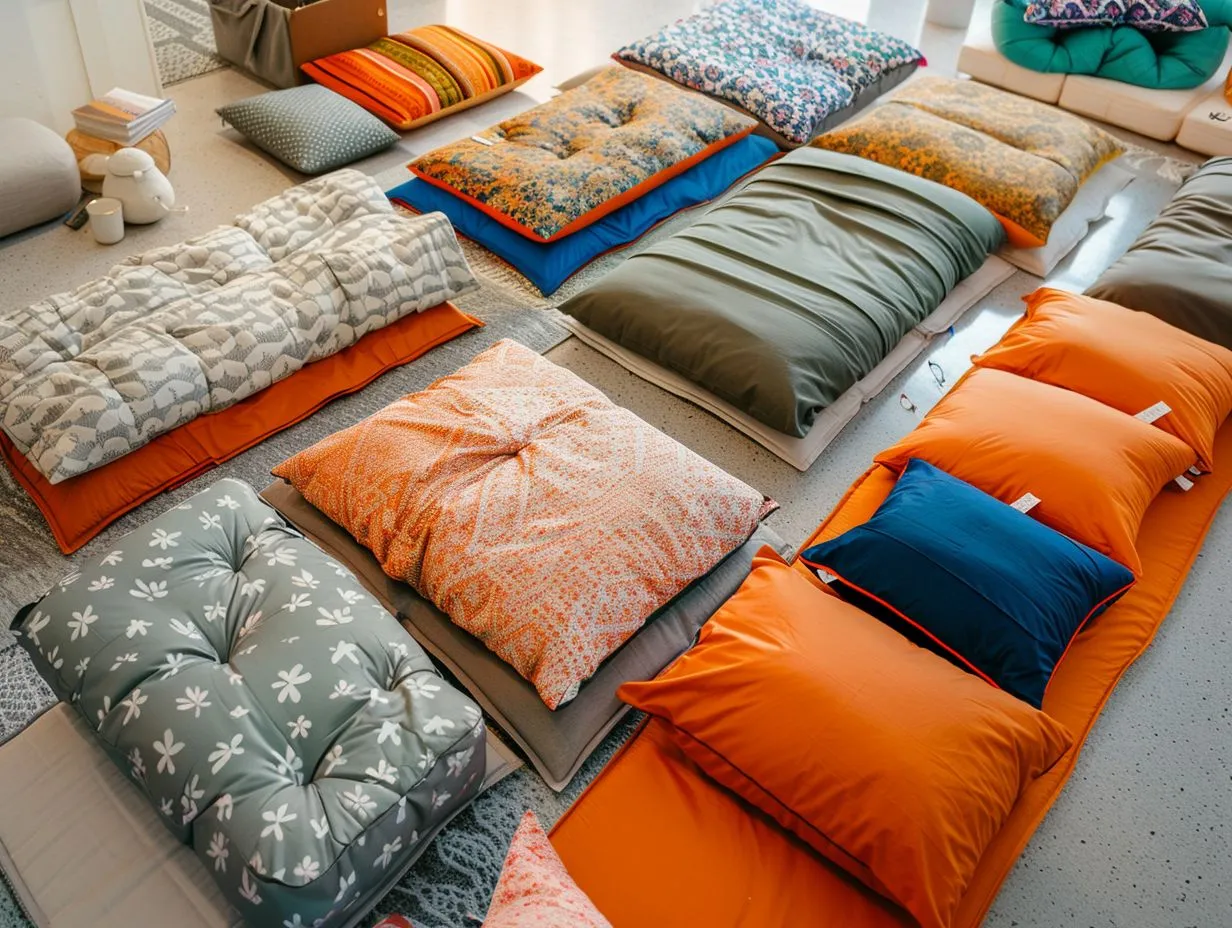
A cold night ruins the next day, and the ground steals more heat than the air. The sleeping mat matters as much as the bag, and its warmth is measured by R-value: aim for R-value 3 or higher for three-season British camping, and 4 to 5 for winter. Our guide to the best sleeping mats for comfort explains foam, self-inflating and air options.
For extra warmth in the shoulder seasons, a wool blanket over the bag is old-fashioned and effective, as covered in the best wool blankets for camping. A hammock system suits woodland and travels light: see the benefits of hammock camping and the best hammocks for tree camping.
Staying dry: waterproofs and dry storage
In Britain, staying dry is the whole game. A waterproof jacket is rated by the same hydrostatic head measure as a tent, with 10,000mm and above genuinely keeping out sustained rain, alongside breathability so you do not soak yourself with sweat. Start with the best waterproof jackets for campers and the broader rain gear guide.
Keep your kit dry too. A dry bag protects a sleeping bag and spare clothes when the tent leaks or the rucksack does, covered in the best waterproof camping bags, and a waterproof rucksack matters on any wet walk, as in the best waterproof backpacks for hiking.
Clothing and footwear
Layering beats any single thick garment, because you can add and shed layers as the weather turns. A base layer, a warm mid layer and a waterproof shell handle almost any British day. For cold trips, thermal base layers make the biggest difference for the least weight, covered in the best thermal clothing for cold weather camping.
Look after your feet, because blisters end walks. Proper socks prevent most of them: see the best hiking socks to prevent blisters. For boots without leather, read the best vegan hiking boots.
Camp comfort: kit that earns its space in the car
If you are car camping rather than carrying everything, comfort kit transforms the trip. None of it is essential, all of it is welcome:
- A proper chair saves your back over a long weekend. Compare designs in the best types of camping chairs.
- A cool box or 12V fridge keeps food safe for days. See the best portable fridges for campers.
- A portable shower is a luxury on sites with no facilities: the best portable showers.
- A tent heater extends the season, used with care and never left running overnight: the best portable heaters for tent camping.
- A windbreak is essential on the coast and useful anywhere exposed: the best windbreaks for beach camping.
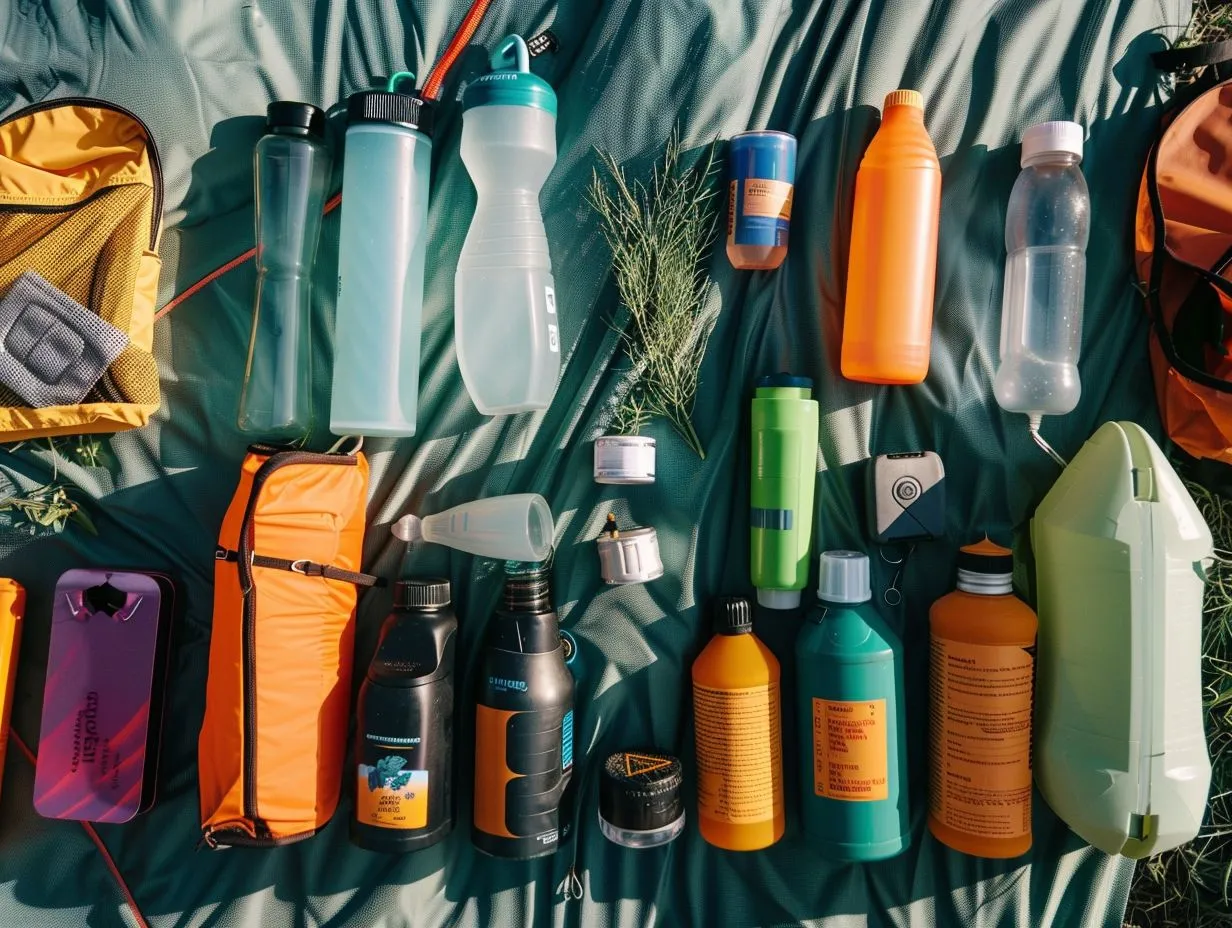
- A refillable water bottle saves money and plastic: the best reusable water bottles for camping.
Specialist kit
Some trips need their own gear. Bikepacking combines cycling and camping and demands light, packable kit that fits on a frame: see cycling gear for camping trips. For inspiration and skills through the winter evenings, our pick of the best books on camping and outdoor skills is a good place to start.
Looking after your gear
Good kit lasts a decade if you look after it, which is cheaper and greener than replacing it. Dry everything fully before storing it, reproof waterproofs and tents once a year, and repair rather than bin. Our guide to fixing common camping equipment issues covers the field repairs worth knowing, from a snapped pole to a torn flysheet.
For a single trusted piece, a full review helps: see our Robens Arrow Head review as an example of what to look for.
The starter kit checklist
- Tent with a 2,000mm-plus flysheet and a 3,000mm-plus groundsheet
- Sleeping bag rated for the coldest night you expect, plus a little margin
- Sleeping mat with an R-value of 3 or more
- Head torch and spare batteries
- Waterproof jacket and warm layers, whatever the forecast
- Camping stove, pan, mug, and a lighter plus matches
- Cool box and a water carrier
- First aid kit with a tick tool and antihistamines
- Dry bags for anything that must stay dry
Frequently asked questions
What camping gear do beginners actually need?
A tent, a sleeping bag, a sleeping mat with an R-value of 3 or more, a head torch, a waterproof jacket, a stove, a cool box and a first aid kit. Everything else is comfort you can add later. Buy the shelter and sleep system well and borrow or improvise the rest for a first trip.
What hydrostatic head do I need for a tent in the UK?
Aim for a flysheet of 2,000mm or higher and a groundsheet of 3,000mm or higher. A tent is legally sold as waterproof from around 1,500mm, but British rain and wet ground demand more, and the groundsheet takes your weight so needs the highest rating.
Is expensive camping gear worth it?
For your tent, waterproofs and sleep system, yes, because failures there ruin trips and cheap versions fail fastest. For chairs, tables and comfort kit, mid-range is fine. Buy the shelter and sleep system once and well, and save on the rest.
What is R-value on a sleeping mat?
R-value measures how well a mat insulates you from the cold ground. Aim for 3 or higher for spring-to-autumn camping in Britain and 4 to 5 for winter. The ground steals more heat than the air, so the mat matters as much as the sleeping bag.
Where can I buy camping gear in the UK?
Go Outdoors, Decathlon, Mountain Warehouse, Cotswold Outdoor and Alpkit cover most budgets, from entry-level to expedition kit. Buy in person for anything you need to fit, such as boots and rucksacks, and check the hydrostatic head and R-value on the label rather than the marketing.
The short version
Spend on the tent, the waterproofs and the sleep system, and British weather will not beat you. Save on comfort kit and add it over time. Check the numbers on the label, an R-value of 3 for the mat and 2,000mm-plus for the tent, and look after what you buy so it lasts.
Once the kit is sorted, find somewhere to use it on Camping Sites in Britain.