The Best Tent Heaters UK: How to Stay Warm Without the Risk
· Updated
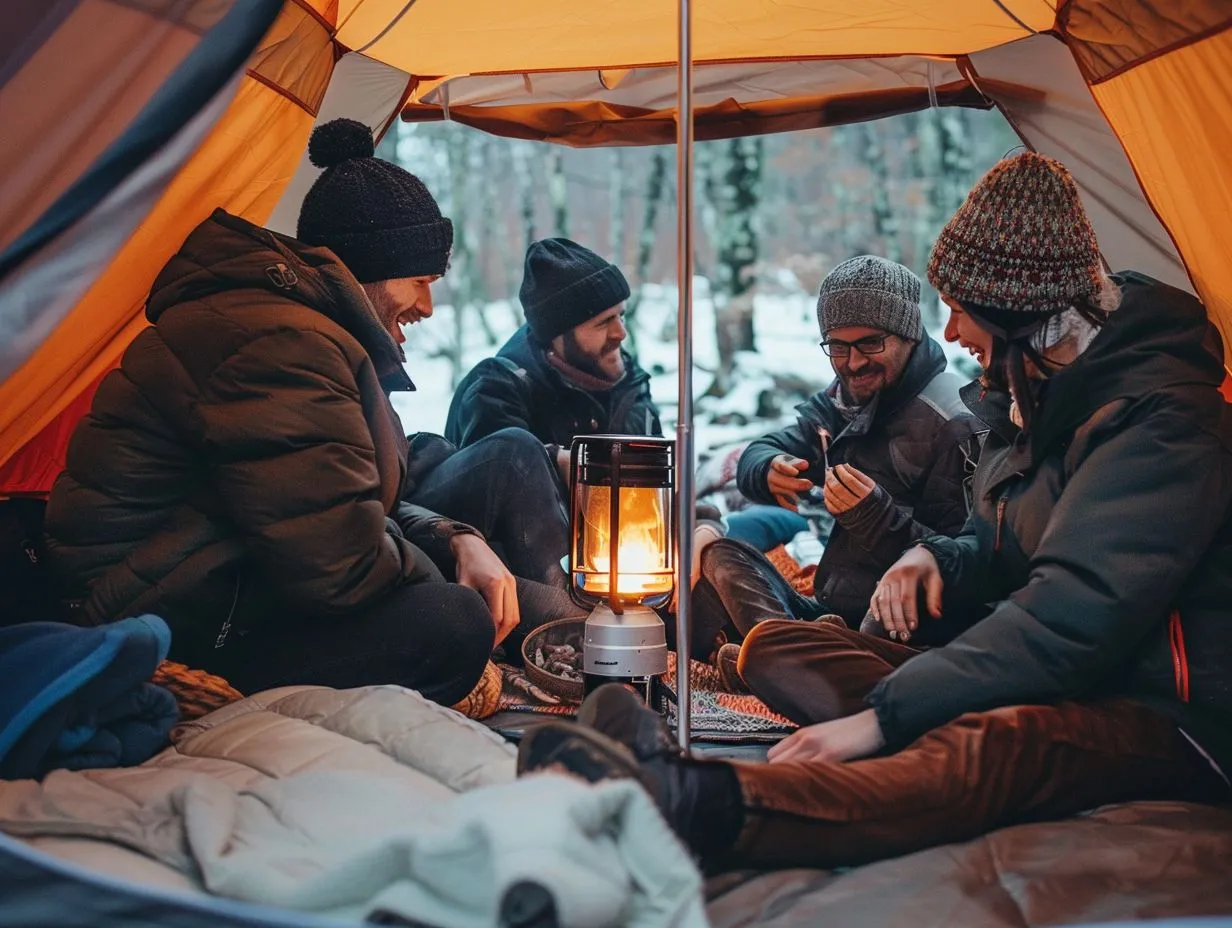
Read this before you buy anything: never run a gas heater, a paraffin heater or any kind of barbecue inside a closed tent, and never leave a heater of any sort running while you sleep. Carbon monoxide from burning fuel is colourless, has no smell, and kills campers in Britain every year. It gets you while you are asleep, before you feel anything is wrong. Get those two rules right and the rest is just comfort.
The safest way to heat a tent is a mains electric heater on a pitch with an electric hook-up. If you have not got mains power, the honest answer is that you are usually better off staying warm without a heater at all, with a proper sleeping bag, a good mat and warm layers. This guide covers all three approaches and how to keep each one safe.
It is part of the complete UK camping gear guide from Camping Sites in Britain, where you can find and compare campsites, caravan parks and glamping across the UK, including sites with electric hook-up.
The two rules that keep you alive
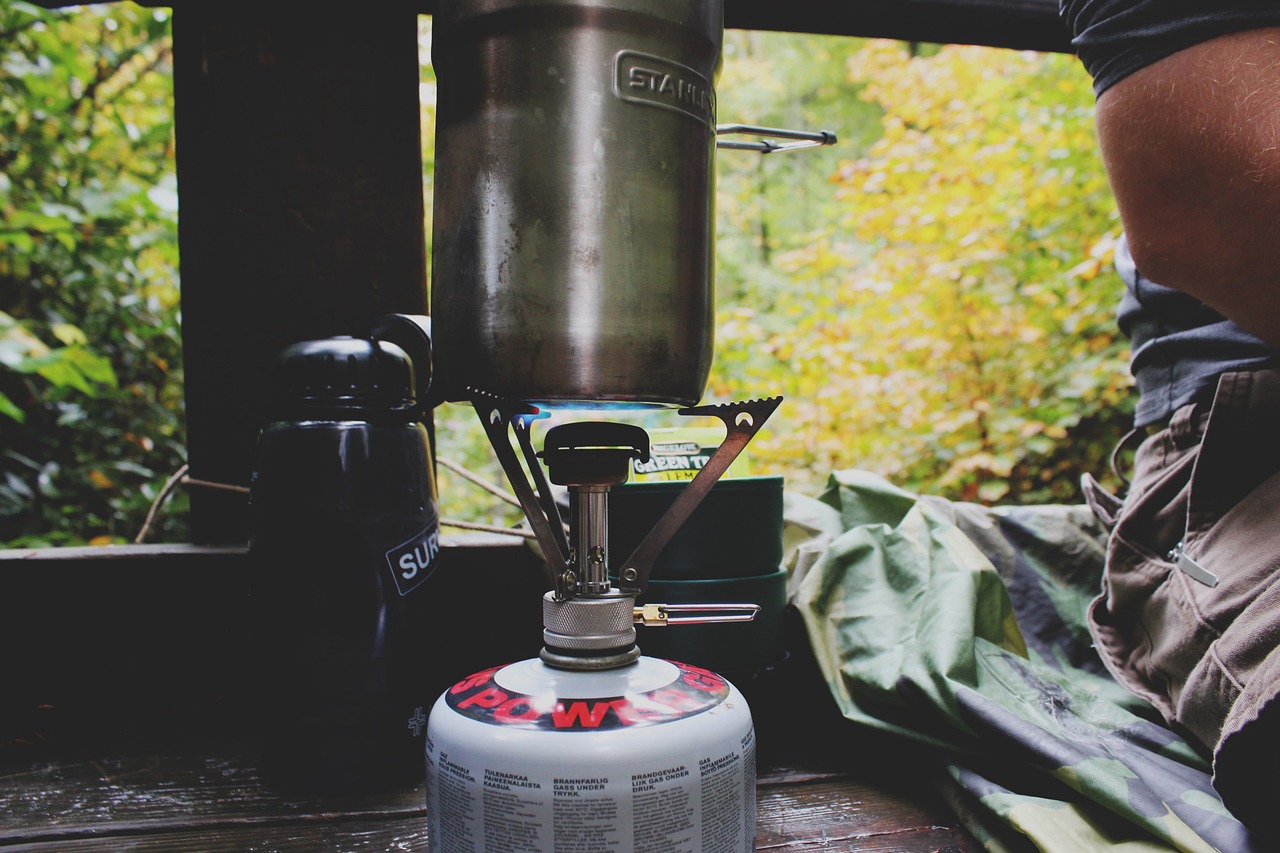
Carbon monoxide is the danger, not the cold. Anything that burns fuel, gas, paraffin, petrol, charcoal or wood, gives off carbon monoxide, and inside the small sealed space of a tent it builds up fast. The NHS is blunt about it: do not use a barbecue or camping stove indoors or inside a tent, and the same applies to gas and paraffin heaters. Early symptoms are a headache, dizziness, feeling sick and tiredness, which are easy to mistake for a bad night's sleep, and that is exactly why it is so dangerous.
Rule one: never bring a burning appliance into a zipped-up tent. That includes a barbecue you think has gone out. London Fire Brigade warns that an extinguished BBQ can keep producing carbon monoxide for hours, so a "cooling" disposable tray dragged into the porch to take the chill off has killed people. Keep all cooking and all fuel-burning heat outside, in the open air.
Rule two: never sleep with a heater on. Turn it off and unplug or disconnect it before you settle down, even an electric one. An electric heater will not gas you, but a knocked-over heater against a sleeping bag is a fire, and a tent goes up in seconds. Warm the tent, get in, switch off.
The three ways to heat a tent, compared
Your options come down to electric, gas, or no heater at all, and the right one depends entirely on whether your pitch has mains power. Here is how they stack up.
| Approach | Needs | Safety | Rough cost |
|---|---|---|---|
| Electric fan or oil-filled heater | An electric hook-up pitch | Safest option, no carbon monoxide | £15 to £50 for the heater |
| Gas heater | Ventilation and a carbon monoxide alarm | Real risk, never overnight | £40 to £120 plus gas |
| No heater (warm kit) | Good sleeping bag, mat and layers | Safest of all, nothing to go wrong | Cost of the kit you already need |
Electric heaters: the safest heat
If your pitch has an electric hook-up, a mains electric heater is the sensible choice because it produces no carbon monoxide at all. Plenty of UK campsites offer electric hook-up pitches, usually rated at 10 or 16 amps, and you plug in through the standard blue hook-up lead. This is the only heating method we would genuinely recommend for tent camping.
A small ceramic fan heater is the popular pick. It heats a compact tent quickly, costs from around £15 to £30, and packs down small. The catch is power draw: a 2,000 watt fan heater will trip a 10 amp hook-up if you are also running a kettle or a cool box, so check the amp rating of your pitch and do not run everything at once. Look for a model with a tip-over cut-out that switches it off if it gets knocked over.
An oil-filled radiator is the gentler alternative. It holds its heat, has no exposed element and no fan noise, so some campers leave it on a low thermostat setting for longer in the evening. It is heavier and slower to warm up, and it still comes off before you sleep. Whichever you choose, keep it clear of the tent walls, groundsheet and any bedding, and never run it from a domestic extension lead trailing out of the tent.
Gas heaters: only with ventilation and an alarm
A gas heater can only be used safely with permanent ventilation and a carbon monoxide alarm, and never while anyone is asleep. Portable gas heaters, the small cabinet and catalytic types that run off a butane or propane cartridge, do warm a tent, but they consume oxygen and give off carbon monoxide as they burn. That is a genuine hazard in a sealed space, not a formality.
If you use one, keep a vent or a door open the whole time it is lit, position it on flat ground well away from anything that can catch, and fit a carbon monoxide alarm (more on that below). Light it, take the edge off the cold, then turn it off and disconnect the gas before you turn in. Do not use it to warm the tent through the night, and do not use one at all if you cannot keep proper ventilation going. For most family tent trips the electric or no-heater routes are less hassle and far safer.
Warming up without a heater at all
The most reliable way to stay warm in a tent is to skip the heater and get the insulation right, because the heat you keep is worth more than the heat you make. A good sleeping system keeps you warm all night with nothing to switch off, nothing to knock over and nothing to poison you.
- Insulate from the ground. Most of your body heat is lost downwards into cold earth, so a decent insulated sleeping mat matters more than almost anything. See our guide to the best sleeping mats for comfort.
- Get the right sleeping bag. Match the bag's season or comfort rating to the nights you expect, and add a liner for a few extra degrees.
- Layer up, and keep dry layers for sleeping. Thin thermal base layers, a mid layer and a hat trap far more heat than one thick jumper. Our guide to thermal clothing for cold-weather camping covers what to pack, and a good waterproof jacket keeps the warmth in when the weather turns.
- Use a hot water bottle. Fill it before bed, drop it into the foot of your sleeping bag, and it will radiate heat for hours. It is the cheapest and safest tent heater there is.
- Eat and drink warm. A hot meal and a warm drink before bed genuinely help your body hold its temperature.
Buy a carbon monoxide alarm
Take a portable carbon monoxide alarm on every trip, even if you only ever plan to use electric heat. It is a small battery unit that costs around £15 to £25, and London Fire Brigade recommends taking a free-standing carbon monoxide alarm with you when you go away, whether you are in a hotel, tent, boat or caravan.
Look for one marked to BS EN 50291, and ideally the EN 50291-2 version, which is the standard for portable use in leisure vehicles and travel. Place it at head height near where you sleep, test it before you set off, and check the battery. It is cheap insurance against the one camping risk that can genuinely be fatal.
Frequently asked questions
Can you use a gas heater in a tent?
Only with the tent ventilated the whole time it is lit, a carbon monoxide alarm fitted, and never while you sleep. Gas heaters give off carbon monoxide as they burn, which builds up dangerously in a sealed tent. Turn it off and disconnect the gas before bed.
What is the safest heater for a tent?
A mains electric heater on an electric hook-up pitch, because it produces no carbon monoxide. A ceramic fan heater or an oil-filled radiator with a tip-over cut-out is the safest choice. Still switch it off before you go to sleep.
Is it safe to sleep with a heater on in a tent?
No. Never sleep with any heater running. A gas heater risks carbon monoxide poisoning while you are unconscious, and even an electric one is a fire risk if it is knocked against bedding. Warm the tent, then turn the heater off.
Can carbon monoxide from a barbecue really kill you in a tent?
Yes, and it does most years in the UK. A barbecue, even one you think has gone out, keeps releasing carbon monoxide for hours. Never take a lit or cooling barbecue into a tent or porch. Keep all cooking outside in the open air.
How do I keep a tent warm without a heater?
Insulate from the ground with a good sleeping mat, use a sleeping bag rated for the conditions, wear dry thermal layers and a hat, and take a hot water bottle to bed. Good insulation keeps you warmer through the night than any heater.
How many amps does a tent heater need?
A 2,000 watt fan heater draws close to the limit of a 10 amp hook-up, so it may trip if you run a kettle or cool box at the same time. Check your pitch's amp rating and avoid running high-power appliances together.
The short version
Never burn gas, paraffin or a barbecue inside a closed tent, and never leave a heater on while you sleep. If you have mains power, use an electric fan or oil-filled heater and switch it off before bed; if you have not, stay warm with a good mat, bag, layers and a hot water bottle instead. Pack a carbon monoxide alarm either way. For the full kit list, see the complete UK camping gear guide, and find your next pitch, including sites with electric hook-up, over on Camping Sites in Britain.