
Thermal Clothing for Cold-Weather Camping: A UK Layering Guide
· Updated
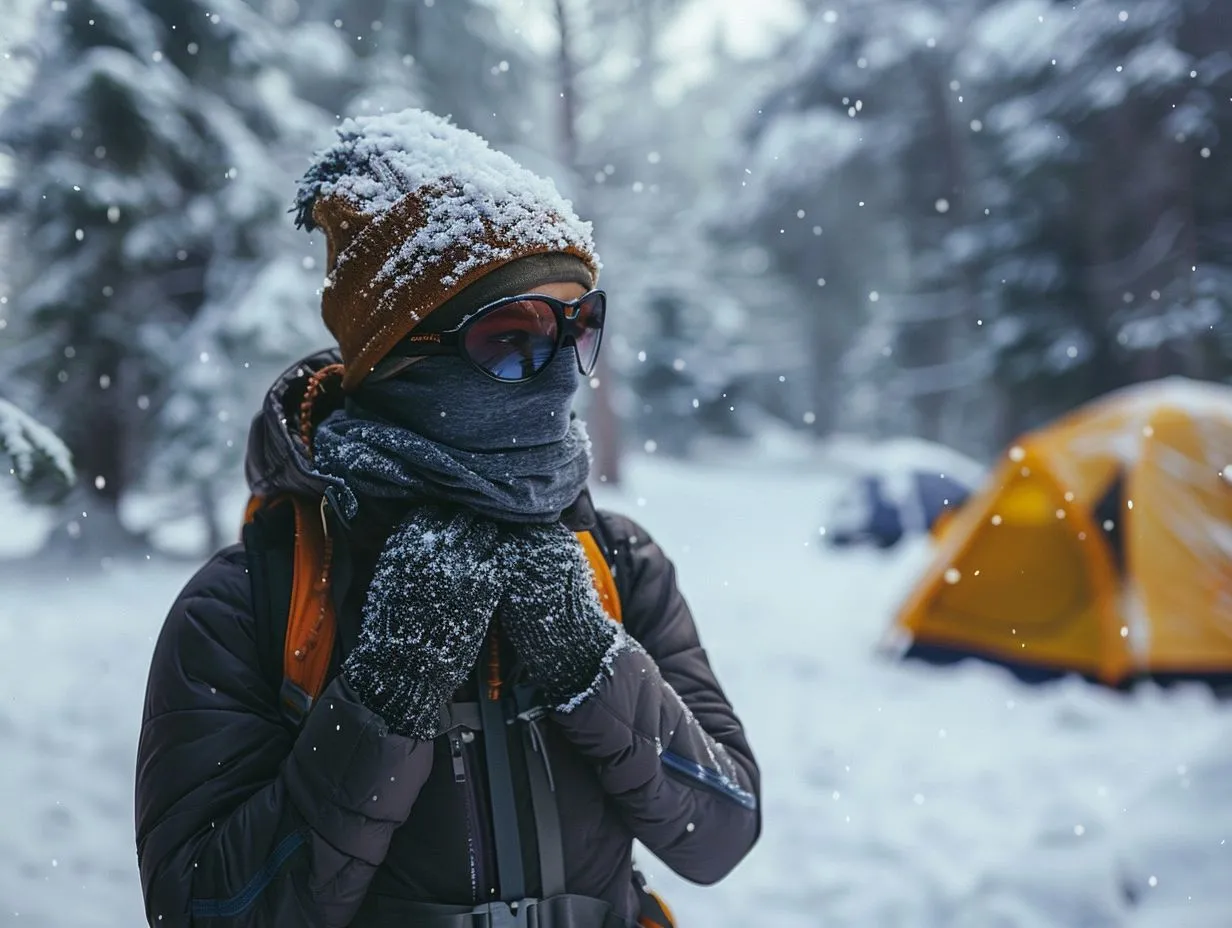
Staying warm in a British winter tent is a layering job, not a single-jacket job. Three layers do the work: a wicking base layer next to your skin, an insulating mid layer to trap warm air, and a waterproof, windproof shell on the outside. Get the base layer right and everything above it works harder; get it wrong (cotton, we are looking at you) and no amount of down will save you.
This is the thermal clothing that keeps you comfortable when the temperature drops below 5C, which it does on most UK campsites from November to March and on upland pitches well into spring. It is part of the complete UK camping gear guide from Camping Sites in Britain, where you can find and compare campsites, caravan parks and glamping across the country.
The three-layer system, in order
Layering beats one thick garment because trapped air is what insulates, and layers let you add, remove or vent that air as your activity changes. Each layer has one job.
- Base layer (wicking): sits against the skin and moves sweat away so you do not chill when you stop moving. Merino wool or synthetic, never cotton.
- Mid layer (insulating): traps warm air. Fleece, a synthetic-fill jacket or a down jacket. This is where most of your warmth comes from.
- Shell (protective): blocks wind and rain, which strip heat away faster than still cold air. A waterproof, breathable jacket goes over the lot.
The system only works if the outer layer keeps water out, so pair your insulation with a proper shell. Our guide to the best waterproof jackets for campers covers what to look for in the top layer.
Base layers: merino wool versus synthetic
Merino wins on warmth and smell, synthetic wins on drying speed, durability and price. Neither is wrong; the right choice depends on how many days you are out and how hard you are working. Merino fibres have a natural crimp that traps pockets of insulating air, and wool keeps fighting odour for days, so a merino top can be worn for a long weekend without turning the tent against you. Synthetics do not absorb moisture, so they dry far quicker after a downpour and shrug off snags and pilling, and they cost noticeably less.
| Attribute | Merino wool | Synthetic (polyester/nylon) |
|---|---|---|
| Warmth for weight | Excellent, natural crimp traps air | Good, relies on managing moisture |
| Odour resistance | Excellent, wear for days | Poor, smells after one hard day |
| Drying speed | Slower, holds some moisture | Fast, does not absorb water |
| Durability | Softer, wears quicker | Tougher, resists abrasion |
| Cost | Higher, often £40 to £90 a top | Lower, from around £15 to £40 |
For most UK winter camping, a merino or merino-blend base layer is the comfortable default. If you are on a tight budget or expect to soak your base layer daily, go synthetic and pack a spare.
Fabric weight: what the gsm number means
Base-layer warmth is set by fabric weight, measured in grams per square metre (gsm). Lightweight cloth around 150gsm suits milder nights and high-effort days where you would overheat in anything thicker. Midweight around 200gsm is the versatile all-rounder for most cold-weather trips. Heavyweight 250gsm to 260gsm is for genuinely cold, low-activity conditions, such as long still evenings at camp in a Scottish winter (Alpkit base layer weight guide). If you can only own one, buy midweight.
Why cotton kills your warmth when wet
Cotton is the one fabric to leave at home for cold-weather camping. Cotton soaks up moisture and holds it against your skin instead of wicking it away, and wet cloth pulls heat out of your body many times faster than dry cloth or still air. A damp cotton T-shirt under your fleece will keep chilling you long after you stop sweating, which is exactly how mild hypothermia starts on a cold, wet British hillside. This is why walkers repeat the phrase "cotton kills". Jeans, cotton hoodies and standard cotton socks all belong to the same problem: they get wet, they stay wet, and they steal your warmth.
Mid layers and insulation: down versus synthetic
Your insulating layer is where the warmth lives, and the choice comes down to down versus synthetic fill. Down is warmer for its weight and packs down smaller, but it collapses and stops insulating when it gets wet and is slow to dry. Synthetic fill is bulkier and heavier for the same warmth, but it keeps insulating even when damp and dries quickly, which matters a great deal in the wet UK climate.
Down warmth is rated by fill power, the volume one ounce of down loft fills: 600-fill means one ounce fills 600 cubic inches. Duck down tops out around 750 to 800 fill, while premium goose down reaches 900 and beyond, so a higher number means more warmth for less weight (REI down versus synthetic guide). For British winters, a synthetic-fill jacket or a hydrophobic (water-resistant treated) down jacket is the safer bet, because ordinary down that gets soaked is dead weight until it dries.
| Insulation | Best for | Weakness |
|---|---|---|
| Down (600 to 900 fill) | Cold, dry conditions; warmth for weight; packs small | Useless when wet, slow to dry, pricier |
| Synthetic fill | Damp UK weather; still insulates wet; cheaper | Bulkier and heavier for the same warmth |
| Fleece (100/200/300 weight) | Breathable mid layer, dries fast, hard-wearing | Poor wind resistance, less warm for weight |
Many campers carry both: a fleece for active moments and a packable insulated jacket for standing around camp. Keeping the whole kit light is easier than it sounds, as our notes on lightweight camping gear explain.
Hats, gloves and socks: the extremities
Cold hands, feet and ears will ruin an otherwise warm night, so treat them as part of the system, not an afterthought. Your head is often the only bare skin left once you are layered up, so a snug merino or fleece beanie is the cheapest warmth upgrade you can buy.
- Hat: a close-fitting merino or fleece beanie for camp, plus a buff or neck gaiter you can pull over your face in wind.
- Gloves: a thin liner glove for dexterity under a warmer insulated or waterproof outer, so you can take the outer off for fiddly jobs without bare hands. Touchscreen liners save you peeling gloves off for the phone.
- Socks: merino or merino-blend, never cotton, and never so thick they squash your boots and cut circulation. A tight boot with a fat sock gives you cold feet, not warm ones.
Blisters and cold feet come from the same place, the wrong socks, so it is worth reading up on the best hiking socks to prevent blisters before a winter trip.
A cold-weather clothing checklist
Pack this and you are covered for a typical UK winter campsite where nights sit between 0C and 5C, colder on high ground.
- Two base layer tops (one midweight merino to wear, one spare)
- Merino or synthetic base layer leggings
- Fleece or lightweight insulated mid layer
- Packable down or synthetic insulated jacket for camp
- Waterproof, windproof shell jacket and overtrousers
- Merino beanie and a buff or neck gaiter
- Liner gloves plus warm insulated or waterproof outer gloves
- Two pairs of merino socks
- Warm, dry clothes reserved only for sleeping
Keep a full set of dry clothes strictly for the tent. Changing out of anything damp before you turn in is the single best thing you can do to sleep warm.
Frequently asked questions
How many layers should I wear for winter camping?
Three: a wicking base layer, an insulating mid layer, and a waterproof, windproof shell. Add or remove mid layers as you warm up or cool down. The base and shell stay on; the middle is where you adjust.
Is merino wool or synthetic better for a base layer?
Merino is warmer and resists odour for days, so it suits multi-day trips. Synthetic dries faster, lasts longer and costs less, so it suits high-sweat days and tight budgets. A midweight merino blend is the best all-round choice.
What gsm base layer do I need for cold weather?
Around 200gsm midweight for most UK winter camping, dropping to 150gsm for milder or high-effort days and rising to 250gsm to 260gsm for still, genuinely cold conditions. If you buy one, buy midweight.
Down or synthetic insulation for UK camping?
Synthetic or water-resistant treated down for damp British weather, because ordinary down stops insulating when wet and dries slowly. Choose untreated down only when you can keep it reliably dry.
Why should I never wear cotton camping in winter?
Cotton soaks up moisture and holds it against your skin, and wet fabric drains body heat far faster than dry fabric. That is how mild hypothermia starts, hence the walkers' phrase "cotton kills". Choose merino or synthetic instead.
What is the warmest thing I can do at camp?
Change into dry clothes kept only for sleeping and put on a hat. Damp base layers and a bare head lose heat all night; a dry set and a beanie fix both for almost nothing.
The short version
Layer up: wicking base, insulating mid, waterproof shell, and bin the cotton. Choose merino around 200gsm for the base, synthetic or treated down for the insulation, and never skimp on hat, gloves and socks. Then find your cold-weather pitch through our campsite listings or head north to the Scottish Highlands, and read the rest of the complete UK camping gear guide before you pack.