Vegan Hiking Boots UK: How to Buy a Genuinely Leather-Free Pair
· Updated
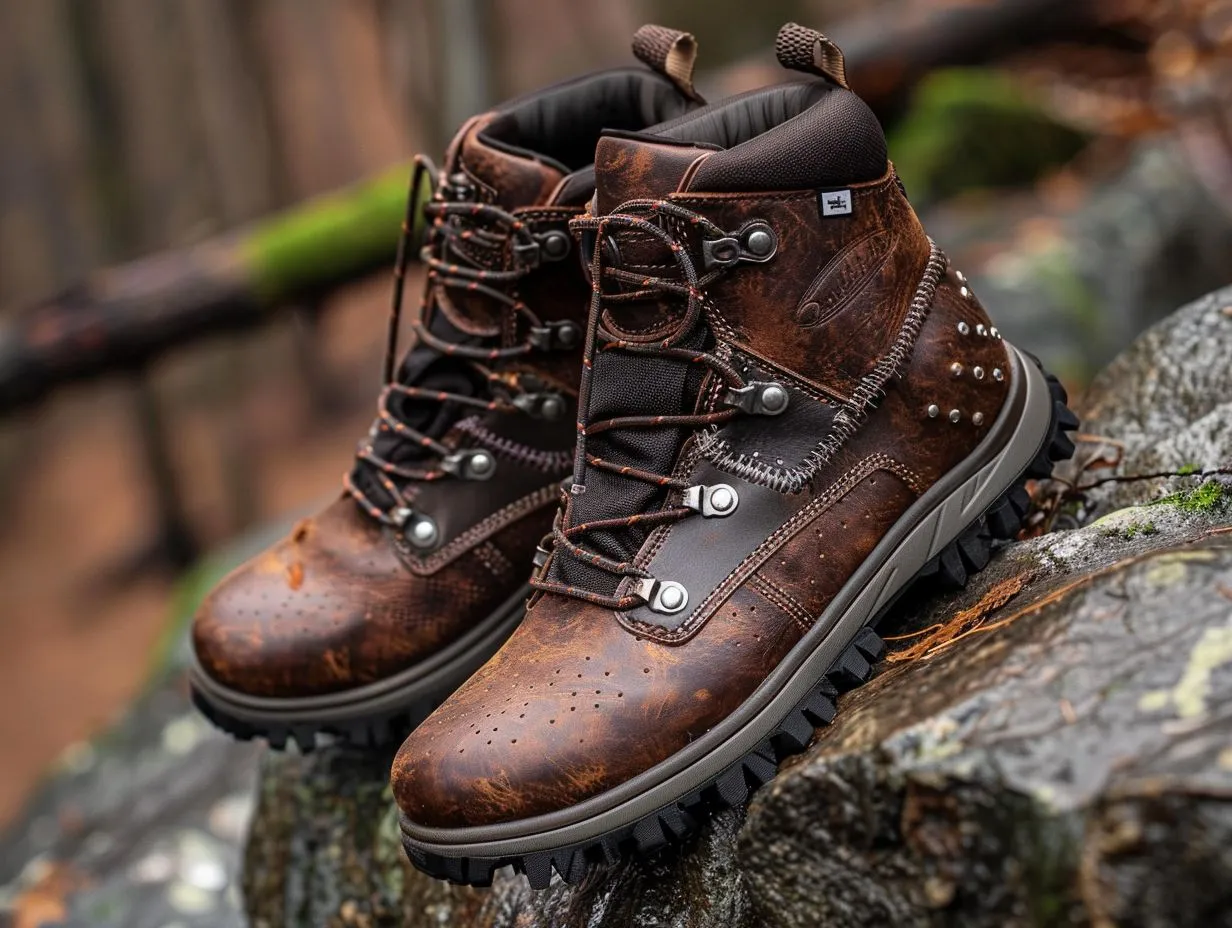
A vegan hiking boot is simply a boot built with no animal parts: no leather upper, no suede, no wool lining, and no animal-derived glue or dye. In place of leather it uses a synthetic or textile upper, and it keeps water out with a waterproof membrane rather than a treated hide. The good ones perform every bit as well as leather on a British hill, and several are approved by PETA.
The catch is that "leather-free" and "vegan" are not the same thing. A boot can have a synthetic upper and still be glued with fish-based adhesive or dyed with animal-derived colour. This guide covers what vegan boots are made of, how they stay dry, how to check a pair is genuinely vegan before you pay, and which UK brands to trust.
It is part of the complete UK camping gear guide from Camping Sites in Britain, where you can find and compare campsites, caravan parks and glamping across the country.
What vegan hiking boots are made of
Vegan boots replace the leather upper with synthetic and recycled materials that do the same job at lower weight. The most common uppers are coated microfibre (a microporous synthetic that mimics leather, such as Altberg's Lorica), knitted or woven polyester, and ripstop textile panels backed with reinforcement. Many now use recycled plastic bottles in the lining and a percentage of recycled rubber in the outsole.
The parts that matter for performance are the same as any boot: a grippy rubber outsole (Vibram and similar compounds are vegan), a cushioned midsole, and a supportive heel counter. What changes is the upper and, crucially, the hidden bits: the thread, the glue that bonds the sole, and the dye. Those are where animal products sneak in.
Synthetic uppers have two real advantages over leather. They weigh less, which adds up over a long day, and they need almost no maintenance beyond a rinse and a dry. They will not last quite as long as a top-end full-grain leather boot resoled and cared for over 10 years, so ignore any claim that vegan boots are "more durable" than leather. They are lighter and lower-maintenance, which is a different and honest selling point.
Waterproofing: it is the membrane, not the leather
Vegan boots stay dry using a waterproof breathable membrane bonded inside the boot, not a wax or oil treatment on the surface. Leather boots can be waterproofed by treating the hide itself; a synthetic boot cannot, so nearly every waterproof vegan boot relies on a membrane instead. Gore-Tex is the most common, and Gore-Tex is vegan. Some brands use their own membrane, such as Haglofs Proof Eco, which is fluorocarbon-free and bluesign approved.
The membrane sits between the outer fabric and the lining. It blocks liquid water from getting in while letting sweat vapour escape, which is what keeps your feet dry from both directions. Because the waterproofing is built in rather than sitting on the surface, you do not need leather conditioner or dubbin, both of which are usually animal-derived anyway.
You still maintain the outer fabric. A spray-on durable water repellent (choose a vegan, PFC-free one) keeps the surface from wetting out and going heavy in the rain. Reproofing the outer face fabric every so often is normal for any membrane boot, vegan or not. For the wider picture on staying dry on the trail, our guide to the best waterproof jackets for campers covers the same membrane technology in a jacket.
How to check a boot is genuinely vegan
Never assume a synthetic boot is vegan; check the adhesives and dyes before you buy. The upper being leather-free is only half the story. The two things most likely to hide an animal product are the glue that bonds the sole to the upper, which is sometimes fish-derived, and the dye or finish, which can use animal-derived colour or gelatin-based components.
Run through this checklist before you pay:
| Check | What you are looking for |
|---|---|
| Upper | Stated as synthetic, textile, recycled or microfibre. No leather, suede or nubuck. |
| Lining | Synthetic or recycled. No wool, no leather lining. |
| Adhesive | The maker confirms vegan glue. Some mainstream brands cannot guarantee this. |
| Dyes and finish | No animal-derived dye or gelatin-based coating. |
| Label | Marked "100% vegan" or "vegan friendly", or listed by PETA or a vegan brand. |
The safest route is a boot the maker markets as fully vegan, or one that appears on PETA's vegan hiking boot list. Where a brand only says "leather-free", email them and ask directly about the glue and dye. Some large outdoor brands make a synthetic boot that is animal-friendly in every visible way but cannot promise the adhesive is vegan, so a quick question saves disappointment.
Fit and break-in
Synthetic boots break in faster than leather because the material is softer from the start and does not need moisture and time to mould to your foot. Most vegan boots feel close to their final shape out of the box, so a couple of shorter walks are usually enough rather than the weeks a stiff leather boot can demand. That is a genuine advantage if you are buying close to a trip.
Fit still matters more than anything else, vegan or not. Try boots on in the afternoon when your feet are slightly swollen, wear the socks you will actually hike in, and check you can wiggle your toes with a thumb's width of room at the front on a downhill. A boot that does not fit will blister you whatever it is made of, and the right socks do half the work. See our guide to the best hiking socks to prevent blisters before you commit to a pair.
Because synthetic uppers have less natural give than leather over the years, get the size right on day one. Leather stretches and relaxes; synthetic flexes but stretches far less, so there is no growing into them later.
UK brands and options worth knowing
Two British brands make fully vegan boots, and several mainstream makers now offer vegan models. The dedicated vegan specialists are the safest bet because every material is chosen with veganism in mind, adhesives included.
- Vegetarian Shoes, based in Brighton, is an entirely vegan company that has made tough walking boots for decades and is listed by PETA.
- Will's Vegan Store (also sold as Will's Vegan Shoes) is a 100% vegan brand with a dedicated WVSport hiking range.
- Altberg, a boot maker in North Yorkshire, produces a vegan version of its walking boots using synthetic Lorica rather than leather, which is a rare thing for a traditional British bootmaker.
On the mainstream side, PETA-approved vegan models turn up from Merrell, Vivobarefoot, XPETI and others, and outdoor retailers list vegan-friendly boots from the likes of Keen, Inov-8 and Adidas Terrex. Models and stock change constantly, so rather than chase a specific boot, filter for "vegan" on the retailer's site and then run the checklist above. Avoid brands that make specific-model or lifetime-durability claims you cannot verify.
Wherever you buy, buy for the ground you actually walk. A lightweight synthetic boot is brilliant for well-made paths and dry summer trails; for boggy moorland or winter you want a stiffer sole and a proper membrane. Once you have the boots sorted, plan the trip: browse campsites across Britain, or head straight for the Lake District campsites if you want serious hills to test them on. For the rest of your kit, our guide to the best lightweight camping gear keeps the whole pack honest.
Frequently asked questions
Are vegan hiking boots waterproof?
Yes. Waterproof vegan boots use a breathable membrane such as Gore-Tex bonded inside the boot, which keeps water out and lets sweat escape. This works independently of the upper material, so a synthetic boot is just as waterproof as a leather one.
Does "leather-free" mean a boot is vegan?
No. A boot can have a synthetic upper yet still use fish-based glue, animal-derived dye or gelatin coatings. Check the adhesive and dye, or choose a boot the maker markets as fully vegan, before assuming it is animal-free.
Are vegan boots as durable as leather?
Not quite, and any claim that they are more durable is false. A well-cared-for leather boot lasts longer and can be resoled repeatedly. Vegan synthetic boots trade some of that lifespan for lighter weight and near-zero maintenance.
Which UK brands make vegan hiking boots?
Vegetarian Shoes in Brighton and Will's Vegan Store both make fully vegan boots. Altberg in North Yorkshire offers a vegan model, and mainstream brands including Merrell and Vivobarefoot have PETA-approved options sold in UK outdoor shops.
How do I look after vegan hiking boots?
Rinse off mud, let them air dry away from direct heat, and refresh the outer fabric with a vegan, PFC-free water-repellent spray now and then. Skip leather conditioner and dubbin, which are animal-derived and pointless on a synthetic upper.
Do vegan boots need breaking in?
Less than leather. Synthetic uppers are soft from the start and sit close to their final shape out of the box, so a couple of short walks usually does it. Get the size right on day one, as synthetics stretch far less than leather.
The short version
Vegan hiking boots use a synthetic upper and a waterproof membrane instead of leather, and the best ones hold their own on any British trail. The one job that is on you is checking the glue and dye, not just the upper, so buy from a fully vegan brand or a PETA-listed model and you are sorted. Get the fit and socks right, then pick your ground from campsites across Britain or dig into the complete UK camping gear guide.