The Best Hiking Socks to Prevent Blisters: Fabric, Fit and Liners
· Updated
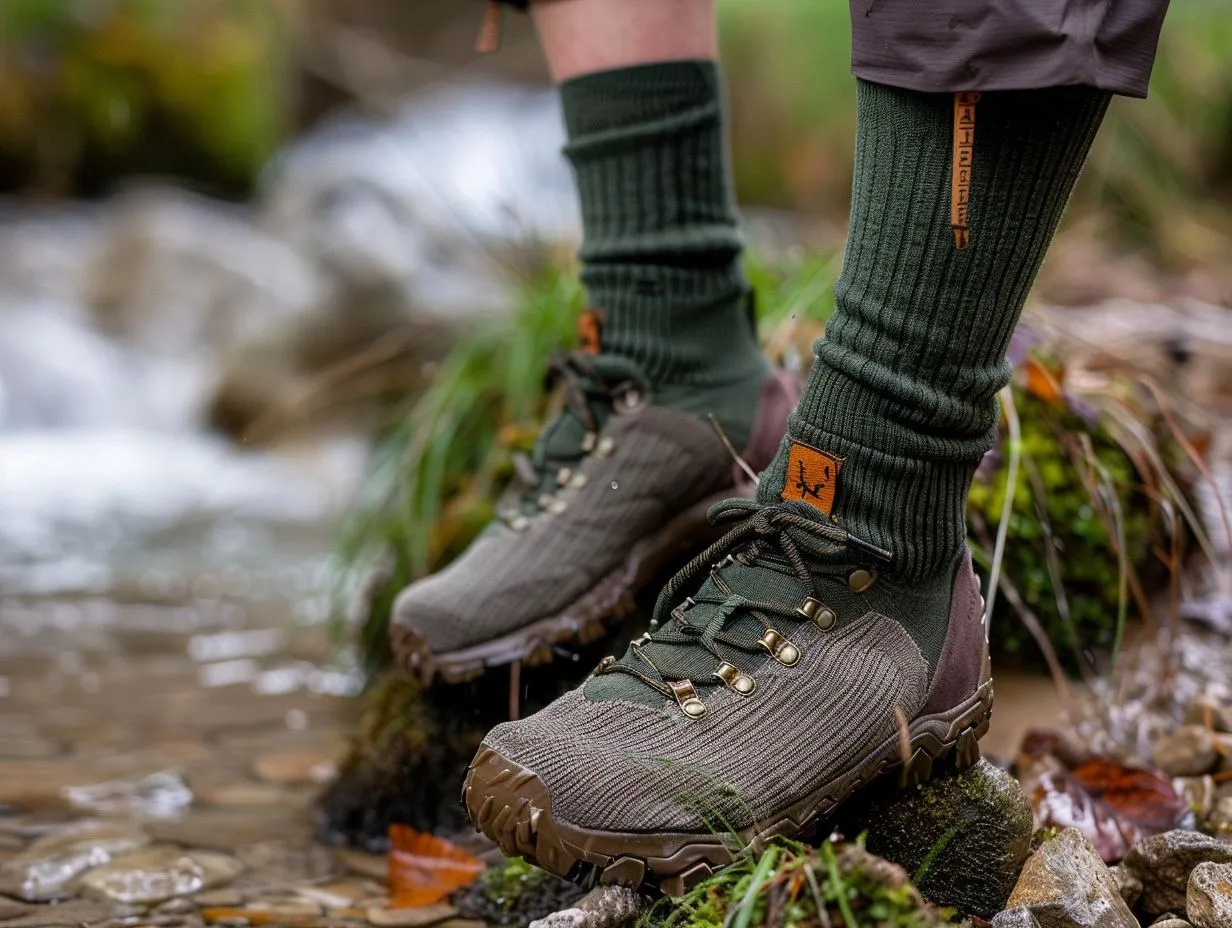
The best hiking socks to prevent blisters are close-fitting pairs made from merino wool or a merino and synthetic blend, worn snug with no wrinkles and kept as dry as possible. Merino manages sweat and cushions the pressure points; a good synthetic blend does much the same and dries faster. On long or wet days, add a thin liner sock or wear a double-layer (twin-skin) design so the two fabric layers rub against each other instead of your skin.
The one rule that matters more than the brand on the label is this: keep cotton off your feet. Everything below explains why blisters form, which socks stop them, how to get the fit right, and what to do the moment a hotspot appears.
This guide is part of the complete UK camping gear guide from Camping Sites in Britain, where you can find and compare campsites, caravan parks and glamping across the country.
Why blisters happen
Hiking blisters are caused by three things working together: friction, moisture and heat. Your sock and skin rub against the inside of your boot thousands of times an hour, and where that rubbing concentrates, the upper layers of skin shear apart and fill with fluid. That is a friction blister.
Moisture makes it far worse. Damp skin is softer and grips the sock more, so it tears more easily. Sweat, rain and river crossings all soften the skin and raise the friction. Heat then speeds the whole process up, which is why the back of the heel and the ball of the foot, the warmest and hardest-working areas, blister first. Control any one of the three and you cut your risk; control all three and blisters become rare.
Why cotton is the enemy
Cotton socks are the single most common cause of hiking blisters, so leave them at home. Cotton soaks up sweat and holds it against your skin instead of moving it away, so your feet stay wet, soft and vulnerable for the whole walk. A wet cotton sock also loses its shape, bunches up and creates exactly the folds and pressure points that start a blister.
The phrase walkers use is "cotton kills", borrowed from cold-weather advice, but it applies just as neatly to your feet. Choose a fabric that wicks moisture and springs back into shape, and you have already solved most of the problem.
Merino wool or synthetic: which is better
Both merino wool and technical synthetics prevent blisters well, and the best hiking socks usually blend the two. Merino draws moisture off the skin, insulates even when damp and resists odour, so it suits multi-day trips and cooler UK weather. Pure synthetics such as polyamide and polyester wick fast and dry quickest of all, which is handy for wet lowland walks and river crossings.
Most quality socks combine a high proportion of merino with a little nylon for durability and elastane for stretch and shape retention. That blend gives you the comfort of wool with the toughness and quick recovery of synthetic fibres.
| Fabric | Strengths | Best for |
|---|---|---|
| Merino wool blend | Warm when damp, odour-resistant, cushioned | Multi-day trips, cool or cold weather, camping |
| Synthetic (polyamide/polyester) | Fastest drying, very durable, cheaper | Wet days, warm weather, river crossings |
| Double-layer (twin-skin) | Two layers shear against each other, not your skin | Blister-prone feet, long distances, new boots |
| Cotton | None for hiking | Nothing, keep it off the trail |
Double-layer and twin-skin socks
Double-layer socks are the most reliable way to stop blisters, because they move the friction off your skin entirely. They have a smooth inner layer bonded loosely to a cushioned outer layer, so when your boot rubs, the two fabric layers slide against each other and your skin stays still. The British brand 1000 Mile pioneered this design and sells its Original twin-layer socks with a no-blister guarantee, and rivals such as Bridgedale offer their own twin-skin versions.
If your feet blister no matter what you try, or you are breaking in a new pair of boots, a twin-skin sock is the first thing to buy. They cost a little more than a single sock, roughly £14 to £20 a pair in the UK, but one blister-free three-day walk pays for them.
Sock liners: the cheaper alternative
A liner sock does the same job as a double-layer sock for less money. It is a thin, tight, wicking sock (usually synthetic or fine merino) worn under your main hiking sock. The liner grips your foot and moves sweat outward, while the outer sock takes the rubbing, so friction happens between the two socks rather than against your skin.
Liners are worth carrying for another reason: they weigh almost nothing, so you can pack two or three pairs and swap to dry ones at lunch. They also add a warm layer for cold trips, which pairs neatly with the rest of your kit in our guide to thermal clothing for cold-weather camping.
Getting the fit and cushioning right
A sock that fits badly will blister you whatever it is made of, so buy for fit first. The sock should be snug with no loose fabric bunching at the toe or heel, and the heel cup should sit over your actual heel, not below or above it. Too big and it wrinkles; too small and it drags the skin with every step. Buy socks in your shoe-size band and replace them once the elastic goes soft and they start slipping down.
Cushioning is about matching the sock to the boot and the terrain. Thicker, cushioned socks pad the heel and ball for rocky ground and long days, but only if your boots have room for them, so try boots on with the socks you will actually wear. Thinner socks suit warm weather and close-fitting shoes. Whatever the weight, look for a smooth or seamless toe seam, since a bulky seam sitting across your toes is a classic hotspot. The right boots matter just as much: see our guide to the best vegan hiking boots for how upper and fit affect rubbing.
Keeping your feet dry on the trail
Dry feet blister far less, so managing moisture is half the battle. Start the day in fresh, dry socks and carry at least one spare pair in a dry bag. When your socks get soaked from sweat, rain or a bog, stop and change them; five minutes swapping socks saves an hour limping later.
A few habits help keep the sweat down. Loosen your laces on long climbs to let air move, air your feet at rest stops, and use a foot powder or anti-chafe balm on feet that sweat heavily. In persistent wet, waterproof socks or gaiters keep the worst out, though nothing beats simply carrying spares and changing often.
How to stop a hotspot becoming a blister
Act the second you feel a hotspot, because a warm, sore, reddened patch is a blister that has not formed yet. Stop walking, take your boot and sock off, and dry the area. Cover the hotspot with a plaster, a strip of zinc-oxide tape or a blister-specific hydrocolloid dressing such as Compeed, making sure it is smooth with no creases. Check that a seam, grit or a rucked sock is not the cause before you carry on.
If a blister has already formed, the NHS advises against bursting it, as the skin over the top protects the raw layer underneath from infection. Cover it with a soft dressing or a padded plaster, keep it clean and dry, and let it heal. Only if it bursts on its own should you clean it, leave the flap of skin in place and cover it. Verify current guidance with the NHS advice on blisters, and pack the means to treat one in your first aid kit, as covered in our guide to essential first aid tips for campers.
Frequently asked questions
What socks are best for preventing blisters?
Close-fitting merino wool or merino-synthetic blend socks are best, ideally in a double-layer or twin-skin design, or a single sock worn over a thin liner. All of these keep your feet dry and shift friction off your skin. Never hike in cotton socks.
Should you wear two pairs of socks to prevent blisters?
Yes, wearing a thin liner sock under a main hiking sock is a proven way to prevent blisters. The two layers rub against each other rather than your skin. A double-layer sock builds the same principle into a single pair.
Do merino wool socks stop blisters?
Merino wool socks greatly reduce blisters because the fibres wick sweat away and stay comfortable even when damp, keeping the skin drier and softer against friction. Merino alone is not a guarantee, so still get the fit right and keep spare socks handy.
Why do I get blisters even with good socks?
Usually the fit or the moisture, not the sock fabric. Socks that are too big wrinkle, socks that are too small drag the skin, and wet feet blister whatever you wear. Check boot fit, change damp socks and treat any hotspot the moment you feel it.
How do I treat a blister while hiking?
Do not burst it. Clean and dry the area, then cover the blister with a padded plaster or a hydrocolloid dressing to protect it and cut further rubbing. If it has already burst, leave the skin flap in place, clean it and cover it, following NHS guidance.
Can I wear normal socks for hiking?
You can, but ordinary cotton socks make blisters far more likely because they hold sweat against your skin and bunch up when wet. Purpose-made hiking socks in merino or synthetic blends wick moisture, hold their shape and cushion the pressure points.
The short version
Skip cotton, choose a close-fitting merino or synthetic-blend sock, and add a liner or twin-skin layer if your feet are blister-prone or the day is long. Keep spare socks in a dry bag and change them the moment your feet get wet, and treat any hotspot the second you feel it. Get that right and blisters stop being part of the walk. For the rest of your kit, read the complete UK camping gear guide, then find your next basecamp in our campsite listings.