
Camping With a Cause: UK Conservation and Volunteering Holidays
· Updated
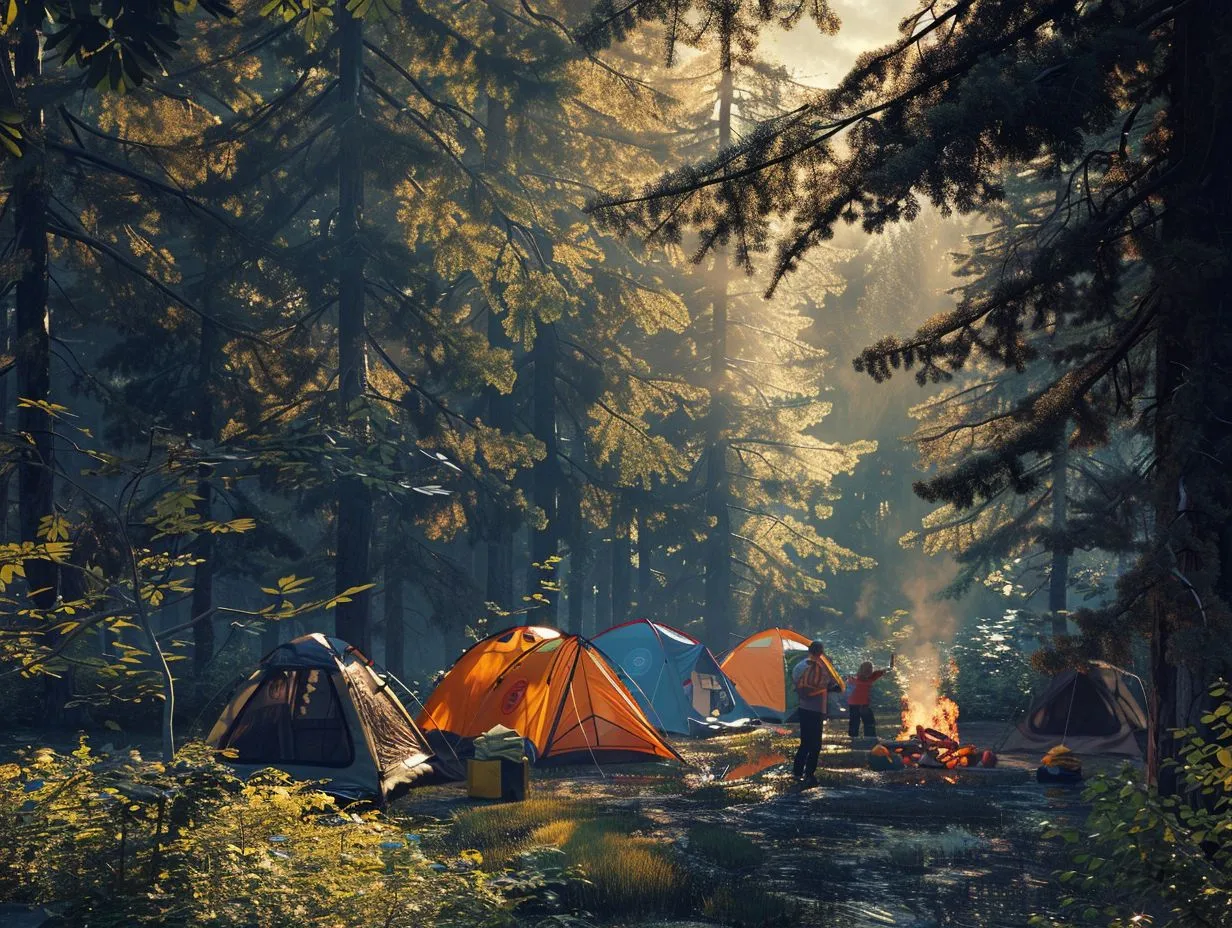
You can camp in some of the most beautiful corners of Britain, pay very little or nothing for the pitch, and spend your days repairing a mountain path, planting trees or clearing a beach. That is what conservation volunteering holidays offer: outdoor work that keeps wild places in good shape, a bunkhouse or campsite to sleep in, and the company of people who want the same thing you do.
These trips come in two shapes. Some are residential, where you stay on site for a few days or a week and work as a group. Others are day volunteering, where you pitch up at a normal campsite and join a local task party for a morning or an afternoon. Both give something back, and neither needs any experience.
This guide is part of our advice on eco-friendly camping practices from Camping Sites in Britain, where you can find and compare campsites, caravan parks and glamping right across the UK.
Why people camp and volunteer
The pull is simple: you get fit outdoors, learn real skills, meet good people and leave a place better than you found it. Dry-stone walling, hedge-laying, path repair and coppicing are proper crafts, and a task party is a friendly way to learn them from someone who knows what they are doing.
The accommodation is a genuine draw too. Residential conservation weeks often cost far less than a normal holiday, and some day tasks are free, with a cheap campsite nearby. You wake up in a national park, a nature reserve or a Highland glen, and the work gives the trip a point beyond your own enjoyment. Plenty of people go back year after year for exactly that.
What to expect on the work
Expect physical, outdoor graft in all weathers, and expect to be looked after while you do it. Tasks are always explained and demonstrated, tools and training are provided, and you work at the pace of the group rather than racing anyone. Most organisers welcome all abilities and will match jobs to what you can manage, so you do not need to be an athlete to take part.
Accommodation is usually basic and communal: a bunkhouse, a bothy, a village hall or a field with a standpipe, with everyone mucking in on cooking and cleaning. Bring sturdy boots, waterproofs, work clothes you do not mind ruining, and a decent sleeping bag. Gloves and hand tools are normally supplied, but check the joining instructions first.
The main UK organisations to volunteer with
Several well-known conservation bodies run task days, work parties or residential weeks, and most let you sleep on or near the site. Here is who does what.
| Organisation | Typical work | Stay | Format |
|---|---|---|---|
| The Conservation Volunteers (TCV) | Green Gym sessions, tree planting, path and habitat work | Often local, some residential | Day and residential |
| National Trust for Scotland (Thistle Camps) | Highland path repair, archaeology, garden and coastal work | Bothy to farmhouse | Residential |
| National Trust | Woodland clearing, fencing, path work, beach litter picks, wildlife surveys | Local, day-based | Mostly day |
| RSPB and the Wildlife Trusts | Reserve management, scrub clearance, species monitoring | Local, some residential parties | Day and residential |
| John Muir Trust | Upland path repair, tree planting, litter removal | Basic, remote | Work parties |
| Marine Conservation Society and Surfers Against Sewage | Beach cleans and litter surveys | Your own campsite | Day |
The Conservation Volunteers (TCV)
TCV runs the Green Gym, a free, sociable way to get outdoors and improve green spaces through practical conservation. Sessions include planting, path building and habitat management, and the network stretches across England, Scotland and Wales. Find your nearest group through the TCV Green Gym pages, which also list one-off conservation days and longer projects.
National Trust for Scotland Thistle Camps
Thistle Camps are the National Trust for Scotland's residential conservation weeks for over-18s, based at Trust places from the Highlands to the islands. Work ranges from repairing eroded mountain footpaths to garden restoration and archaeology, and you live on site with the group, often in a bothy or a shared farmhouse. Check the current programme and dates on the NTS Thistle Camps website before you plan a trip.
The National Trust
The National Trust's long-running residential working holidays were paused during the pandemic, so the main offer now is local, day-based conservation volunteering at its properties across England, Wales and Northern Ireland. Tasks include woodland clearing, fencing and path repair, beach litter picks and wildlife surveys such as BioBlitz events. Search current opportunities through the National Trust volunteering pages.
RSPB and the Wildlife Trusts
The RSPB and the 46 Wildlife Trusts run regular volunteer days and some residential work parties on nature reserves the length of the country. Expect scrub clearance, reedbed and meadow management, fencing and species monitoring, all of which directly help wildlife. Start with the volunteering sections of rspb.org.uk and wildlifetrusts.org, then contact your local reserve.
John Muir Trust and upland projects
The John Muir Trust organises work parties on its wild land estates, including path repair, tree planting and litter clearance in remote spots like Schiehallion and Knoydart. These are hands-on days in big country, sometimes with basic accommodation laid on. Details sit on johnmuirtrust.org.
Beach cleans with MCS and Surfers Against Sewage
Beach cleans are the easiest way in, and you can do them straight from a coastal campsite. The Marine Conservation Society runs the Great British Beach Clean and organised litter surveys, while Surfers Against Sewage coordinates cleans on beaches, rivers and city streets. Find one near your pitch through mcsuk.org and sas.org.uk.
National park ranger schemes and rewilding
Every UK national park runs volunteer ranger and task programmes, from footpath surveys in the Lake District to dune care on the coast, and each park's website lists dates and how to sign up. Rewilding and tree-planting projects, run by estates, trusts and community groups, are growing fast and welcome willing hands through the winter and early spring planting season.
Day volunteering from your campsite, or a residential week
Choose day volunteering if you want a normal camping trip with a good deed built in. You book your own pitch, join a local beach clean or task party for a few hours, and keep the rest of the holiday free. This is the flexible, low-commitment route, and it pairs naturally with camping responsibly in national parks.
Choose a residential week if you want to go deeper. You commit to several days on one project, live with the group, and finish something substantial like a stretch of restored path. The accommodation is included, which keeps costs down, and the shared effort is where the friendships form. The Highlands are a classic choice, and you can browse nearby options among our Scottish Highlands campsites for the days either side.
Volunteering as a family or a beginner
Beginners are the norm, not the exception, so do not let inexperience put you off. Organisers assume most people arrive knowing nothing and build training into the day, and jobs are shared out by ability, so there is always something useful you can do.
Families are well catered for on day tasks especially. Beach cleans, tree planting and many Wildlife Trust and national park events welcome children with an adult, though age limits vary and residential camps are often over-18s only. Check each event's minimum age before you set off, and keep your family's footprint light by following Leave No Trace camping and choosing eco-friendly campsites for your base.
How to find and book a trip
Start with the organisation whose cause you care about most and check its volunteering or events page for dates. The websites above list the majority of opportunities, and the volunteering hub do-it.org lets you search by cause and postcode across thousands of UK charities and groups.
For local, day-based work, your national park's volunteering page and your county Wildlife Trust are the quickest wins. Book your pitch separately through our directory, then match your dates to a task nearby. Browse campsites across Britain to find a base close to the project you fancy.
Frequently asked questions
Do I need experience to volunteer on a conservation holiday?
No. Almost all UK conservation volunteering is open to beginners. Tasks are explained and demonstrated, tools and training are provided, and work is matched to your ability, so you can start with no prior skills.
Is conservation volunteering free, and do I pay for accommodation?
Many day tasks, including beach cleans and Green Gym sessions, are free. Residential weeks usually charge a modest fee that covers basic accommodation and food, which still works out far cheaper than a normal holiday.
Can children join camping volunteer trips?
Children are welcome on many day events such as beach cleans, tree planting and Wildlife Trust tasks, with an adult. Residential conservation camps are often for over-18s only, so check each event's minimum age first.
What is the difference between residential and day volunteering?
Residential trips mean staying on or near a project for several days and working as a group, with accommodation included. Day volunteering means joining a local task for a few hours from your own campsite, with no overnight commitment.
Do the National Trust and Thistle Camps still run volunteer holidays?
The National Trust paused its residential working holidays during the pandemic and now focuses on local day volunteering. The National Trust for Scotland still runs residential Thistle Camps; check its website for the current programme and dates.
Where can I find conservation volunteering near me?
Use the volunteering pages of the RSPB, the Wildlife Trusts, TCV and your national park, or search by cause and postcode on do-it.org. Then book a campsite nearby through our directory.
The short version
Conservation volunteering lets you camp cheaply in beautiful places and give something back, whether that is a single beach clean from your pitch or a full residential week repairing a Highland path. No experience is needed, all abilities are welcome, and the cause carries the trip. Pick an organisation, check its dates, and find a base through our guide to eco-friendly camping practices.