The Best Places to Visit in the Peak District
· Updated
The Peak District is Britain's original national park, designated on 17 April 1951 as the first of its kind, and it remains one of the most visited national parks in the world. Sitting between Manchester, Sheffield and Derby, it packs gritstone edges, limestone dales, show caverns, stately homes and some of England's best-known villages into an area you can cross in an afternoon.
If you want the landmark places rather than a long list, start with five: Mam Tor and the Great Ridge for the classic ridge walk, Kinder Scout for the wild high moor, Stanage Edge for the views, Dovedale for the stepping stones, and Chatsworth House for the grand day out. Everything below builds on those.
This is part of our guide to camping in the UK's national parks, from Camping Sites in Britain, where you can find and compare campsites, caravan parks and glamping right across the country.
Dark Peak or White Peak: the two halves of the park
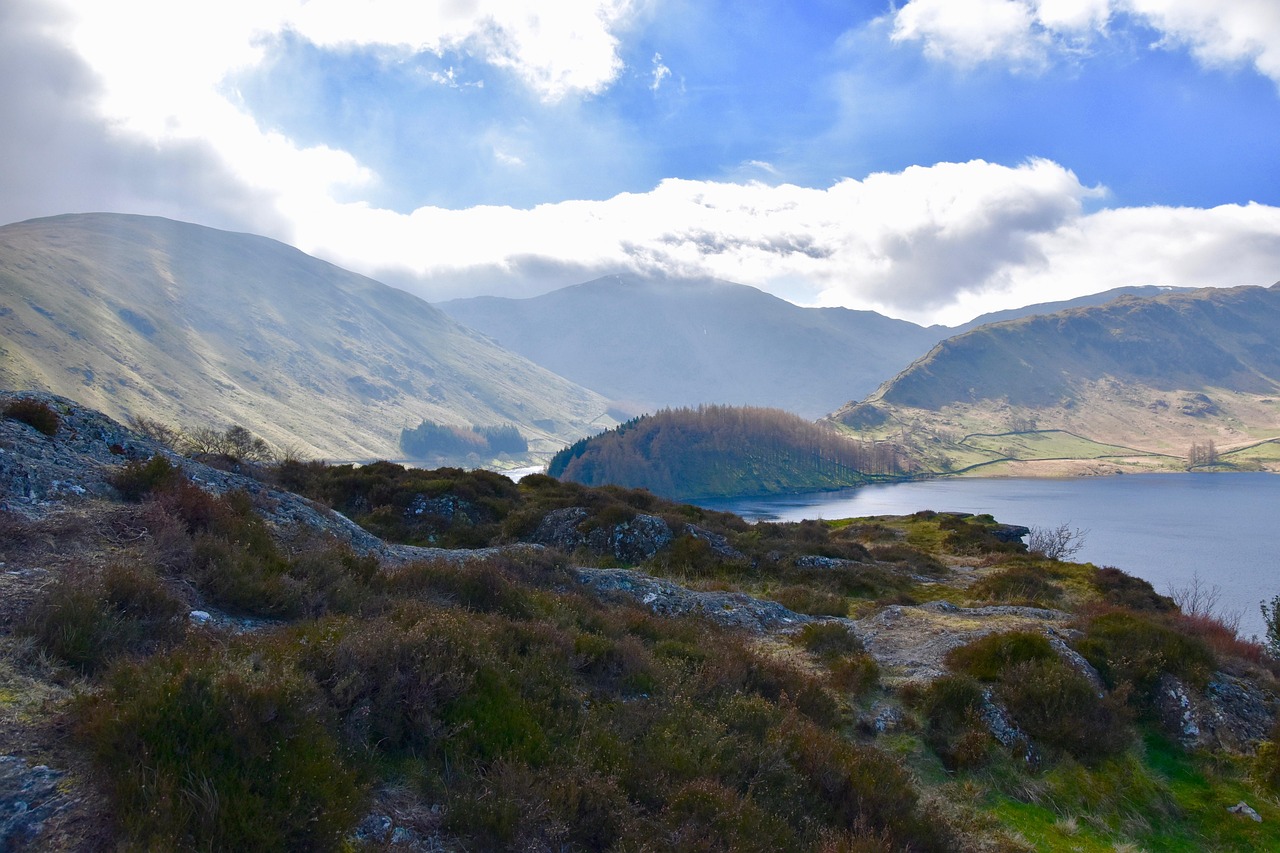
The Peak District splits neatly into two landscapes, and knowing which is which helps you plan. The Dark Peak to the north and west is high gritstone moorland: heather, peat bog, rocky edges and big open skies. The White Peak in the south and centre is gentler limestone country: green dales, dry-stone walls, rivers and wooded valleys.
Climbers, ridge walkers and anyone after drama head for the Dark Peak. Families, cyclists and gentler days out lean towards the White Peak. Most visitors do a bit of both, because the two sit within a short drive of each other.
The great landscapes and viewpoints
The Peak District's signature views are its ridges, edges and summits, and the best of them are within reach of a half-day walk. These are the places that put the park on postcards.
Mam Tor and the Great Ridge
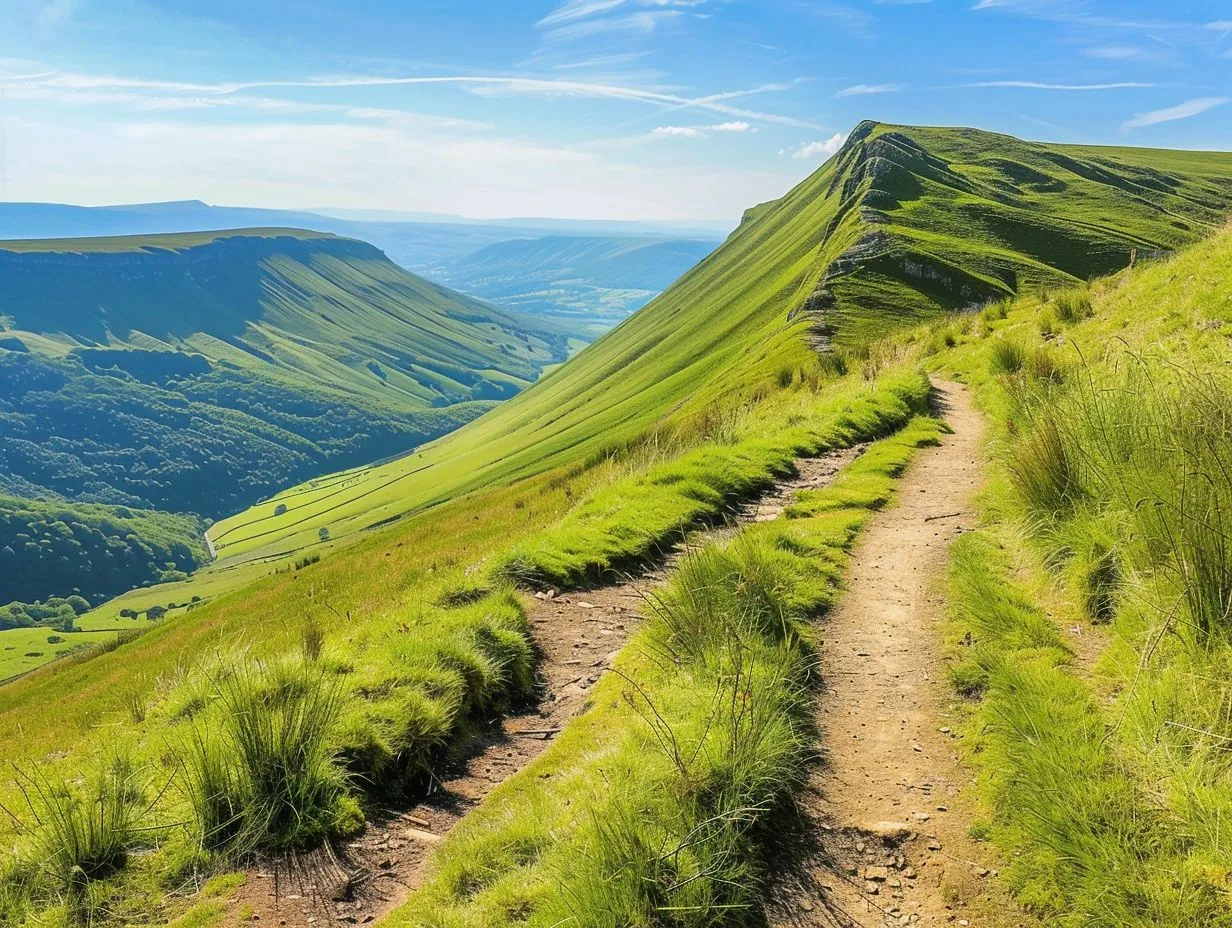
Mam Tor, the "shivering mountain" above Castleton, is the finest short walk in the park. From the summit at 517m a grassy ridge runs east over Hollins Cross and Back Tor to Lose Hill, with the Hope Valley on one side and Edale on the other. The full ridge is roughly 4 miles and suits most reasonably fit walkers. A car park sits close to the summit, so you can reach the top with little climbing if you prefer.
Kinder Scout
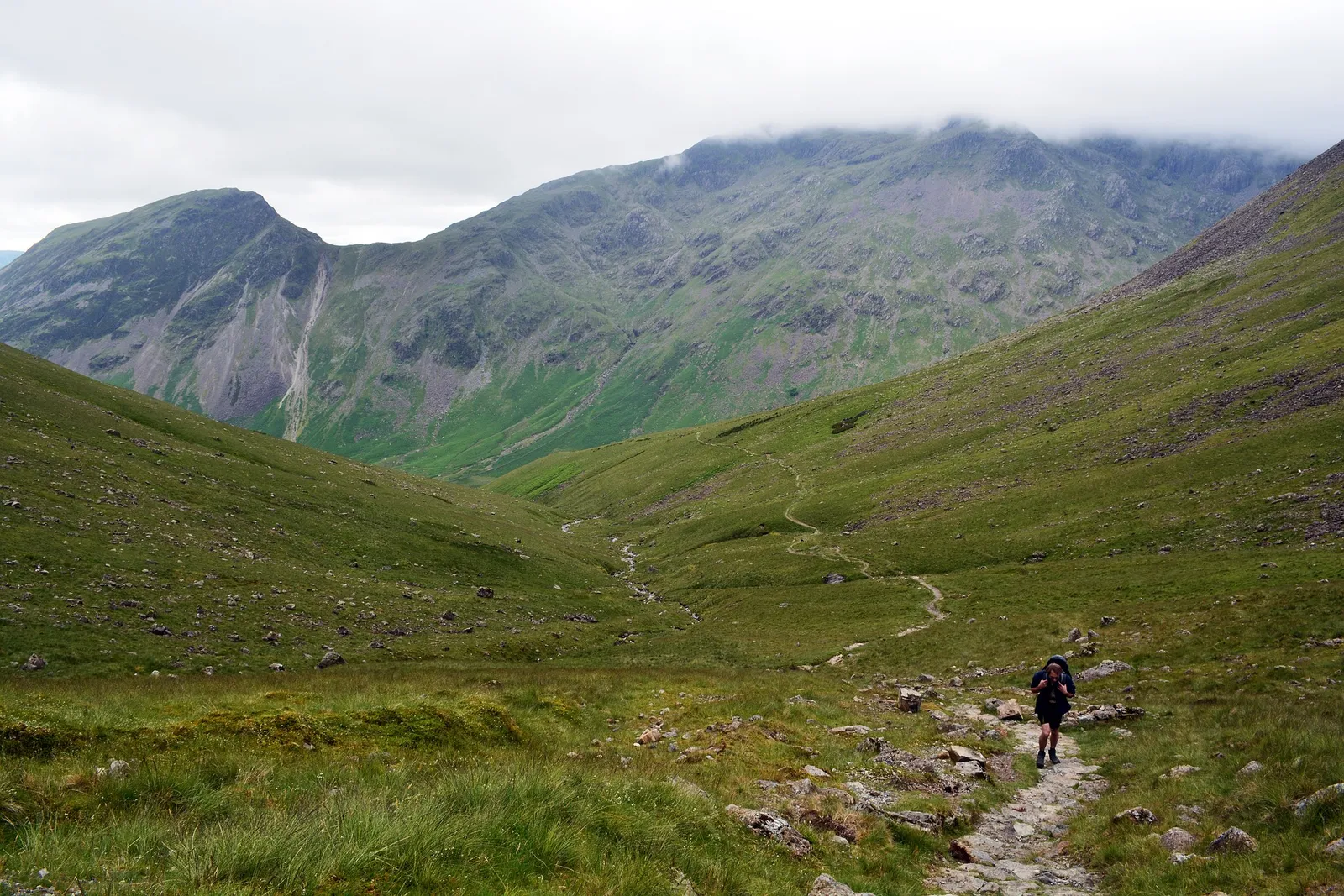
Kinder Scout is the highest point in the Peak District at 636m and the wildest ground in the park, a vast peat plateau above Edale. It is also where the modern right to roam was won: the Mass Trespass of 24 April 1932 saw ramblers walk onto Kinder in protest at being shut out, and the campaign it fuelled eventually opened access land across England and Wales. The Pennine Way starts in Edale below it. This is proper hill country, so take a map, waterproofs and time.
Stanage Edge
Stanage Edge is the longest and most famous gritstone escarpment in the country, a 4-mile line of rock above Hathersage that draws climbers from all over Britain. You do not need to climb to enjoy it: a level path runs along the top with huge views over the Dark Peak, and the old millstones abandoned below the crag are one of the park's best-known sights.
The Roaches
The Roaches, near Leek on the Staffordshire side, is a dramatic gritstone ridge of weathered rock, popular with walkers and climbers and quieter than the eastern edges. Look out for the small herd of wild wallabies that has lived on the moor since escaping a private zoo in the 1930s, plus Lud's Church, a deep mossy chasm hidden in the woods below.
Dovedale and its stepping stones
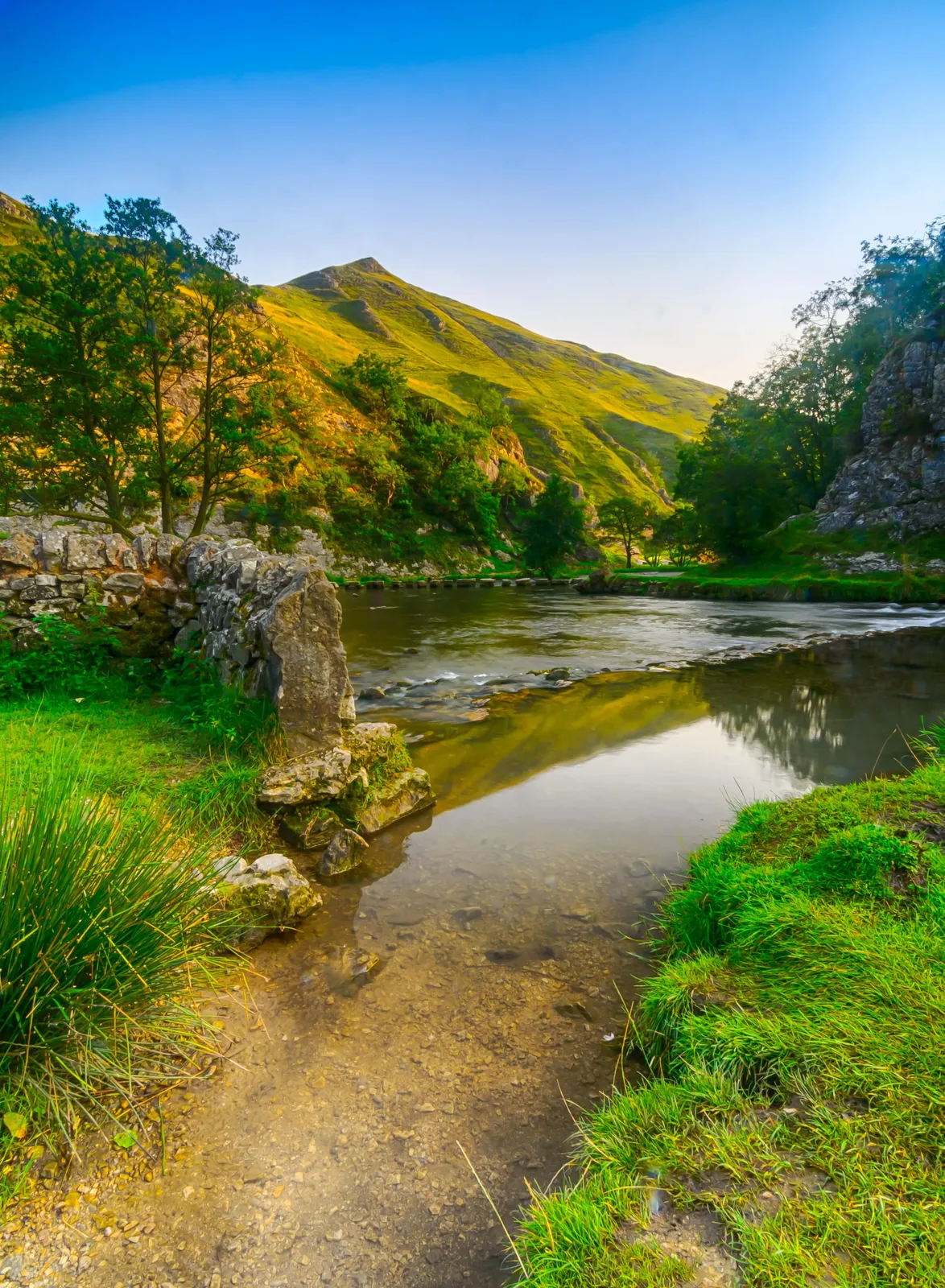
Dovedale is the loveliest of the White Peak dales, a wooded limestone valley carved by the River Dove on the Derbyshire and Staffordshire border. Its stepping stones, laid across the river in Victorian times, are so popular they can queue on a summer weekend, so come early. The riverside path continues past limestone spires with names like Tissington Spires and Ilam Rock, and it stays flat and easy underfoot.
Villages and towns worth a stop
The Peak District's towns and villages are destinations in their own right, each with a distinct claim to fame. These four are the ones to build a day around.
Castleton and its caverns
Castleton, at the head of the Hope Valley, is the base for the park's show caverns and one of its most striking villages. Four caverns are open to visitors, including Peak Cavern (also known as the Devil's Arse, home to the largest cave entrance in Britain) and Blue John Cavern, source of the rare Blue John stone found nowhere else in the world. Above the village stand the ruins of Peveril Castle, a Norman keep founded in the 11th century with commanding views down the valley.
Bakewell and its pudding
Bakewell is the largest town inside the national park and the home of the Bakewell pudding, a jam-and-almond pastry that predates the more familiar Bakewell tart. Set on the River Wye with a fine medieval bridge, it has a busy Monday market, independent shops and easy riverside walks, and it makes a natural hub for the central White Peak.
Eyam, the plague village
Eyam is famous for an act of extraordinary sacrifice: when plague arrived in 1665, the villagers chose to quarantine themselves to stop it spreading to neighbouring communities, and many died as a result. The story is told at Eyam Museum, and plaques around the village mark the cottages of those who lost their lives. It is one of the most moving places to visit in the park.
Tissington and its wells
Tissington is a picture-perfect estate village of stone cottages, a hall and a duck pond, best known for its well dressings. Every spring the wells are decorated with intricate pictures made from flower petals, a Peak District tradition thought to give thanks for clean water. The village sits on the Tissington Trail, a former railway line now used by cyclists and walkers, with bike hire nearby.
Grand houses: Chatsworth and Haddon Hall
The Peak District holds two of England's great historic houses, and they sit only a few miles apart. Chatsworth House, seat of the Duke of Devonshire, is the showpiece: 500 years of art and history, over 30 rooms open to the public, and expansive gardens with fountains, a cascade and a famous maze. Haddon Hall, near Bakewell, is the opposite in character, a medieval and Tudor manor barely altered in centuries and so atmospheric it is a favourite for period films.
Peak District places at a glance
| Place | What it is | Area | Best for |
|---|---|---|---|
| Mam Tor and the Great Ridge | Ridge walk above the Hope Valley | Dark Peak | Views, walking |
| Kinder Scout | Highest point, 636m, wild moor | Dark Peak | Serious hill walking |
| Stanage Edge | Gritstone climbing edge | Dark Peak | Climbing, easy top walk |
| The Roaches | Rocky ridge near Leek | Dark Peak | Walking, climbing |
| Dovedale | Limestone dale and stepping stones | White Peak | Easy riverside walks |
| Castleton | Village with four show caverns | White Peak edge | Caves, history |
| Bakewell | Market town and pudding | White Peak | Shops, food, base town |
| Chatsworth House | Grand house and gardens | White Peak | Full day out |
Where to camp for the Peak District
Base yourself according to what you have come for. Edale and Castleton put you under the Dark Peak's biggest hills and the Mam Tor ridge. Bakewell, Hartington and Dovedale sit in the gentler White Peak, handy for the dales, the trails and Chatsworth. Hathersage and the Hope Valley are the pick for Stanage Edge and the eastern gritstone.
You can browse and compare sites across the region in our campsite directory. It is worth booking ahead for summer weekends and bank holidays, when the honeypot villages fill quickly.
For more of the park's scenery, our guide to the Peak District's most enchanting waterfalls covers the falls tucked into its dales and moors. If you are travelling with children, the family expedition guide to the Peak District focuses on days out that keep younger visitors happy, and the caverns and grand houses above earn their keep on rainy afternoons. When it is time to eat, our tour of the Peak District's finest pubs points you at the best food and a proper pint.
The caverns and limestone dales are also a highlight in our round-up of the UK's geological wonders near campsites, and if you would rather see the park from behind the wheel, the best scenic drives to campsites takes in roads like the Snake Pass and the Winnats.
Frequently asked questions
What is the Peak District best known for?
The Peak District is best known for being Britain's first national park, designated in 1951, and for its mix of gritstone edges and limestone dales. Landmark sights include Mam Tor, Kinder Scout, Stanage Edge, Dovedale, Chatsworth House and the caverns at Castleton.
What is the highest point in the Peak District?
Kinder Scout is the highest point in the Peak District at 636m. It is a large peat plateau above Edale in the Dark Peak, and the site of the 1932 Mass Trespass that helped open access to England's moorland.
What is the difference between the Dark Peak and the White Peak?
The Dark Peak is high gritstone moorland in the north and west, with rocky edges and open heather. The White Peak is limestone country in the south and centre, with green dales, rivers and dry-stone walls. Most visits take in both.
What is the prettiest village in the Peak District?
Castleton, Tissington and Eyam are among the most admired villages. Castleton pairs stone cottages with caverns and a Norman castle, Tissington is famous for its well dressings, and Eyam is known for the plague quarantine of 1665.
Is the Peak District good for families?
Yes. The show caverns at Castleton, the stepping stones at Dovedale, Chatsworth's gardens and the traffic-free Tissington Trail all suit children. Our family guide to the Peak District has more days out built around younger visitors.
How long do you need in the Peak District?
A weekend covers the highlights of one half of the park, either the Dark Peak hills or the White Peak dales and houses. Three to four days lets you do both without rushing, with time for a couple of proper walks.
The short version
The Peak District rewards a plan: pick the Dark Peak for ridges, edges and wild moor, or the White Peak for dales, villages and grand houses, and if you can, do both. Start with Mam Tor, Kinder Scout, Stanage Edge, Dovedale and Chatsworth, and fit the caverns and villages around them. When you are ready to book, find your base in our campsite directory or read more in our guide to camping in the UK's national parks.