Camping in the UK's National Parks: A Guide to All 15
Britain has 15 national parks: 10 in England, three in Wales and two in Scotland. Every one allows camping, but the rules differ sharply from park to park, and only one place in England lets you pitch a wild tent as a legal right.
This guide covers all 15, what each is best for, and exactly where you can and cannot wild camp. Use the table to find your park, then read the wild camping rules before you plan a night out under the stars, because getting them wrong is how a good trip turns into a conversation with a landowner.
It is the national parks guide from Camping Sites in Britain, where you can find and compare campsites, caravan parks and glamping across every park on this page.
The 15 UK national parks at a glance
| Park | Nation | Best for | Wild camping |
|---|---|---|---|
| Lake District | England | Fells, lakes, big walks | Tolerated high on the fells |
| Peak District | England | First national park, easy access | Not a right, permission needed |
| Dartmoor | England | Wild camping, moorland | Legal right on the commons |
| Exmoor | England | Dark skies, red deer, coast | Not a right, permission needed |
| New Forest | England | Families, ponies, gentle terrain | Banned, campsites only |
| North York Moors | England | Heather moorland, steam railways | Not a right, permission needed |
| Yorkshire Dales | England | Limestone country, waterfalls | Tolerated high on the fells |
| Northumberland | England | Darkest skies in England, solitude | Not a right, permission needed |
| South Downs | England | Rolling chalk, close to London | Banned, campsites only |
| The Broads | England | Boating, wetland wildlife | Banned, campsites and moorings |
| Eryri (Snowdonia) | Wales | Yr Wyddfa and the biggest peaks | Not a right, permission needed |
| Bannau Brycheiniog (Brecon Beacons) | Wales | Waterfalls, dark skies, Pen y Fan | Not a right, permission needed |
| Pembrokeshire Coast | Wales | Beaches, coast path, sea kayaking | Not a right, permission needed |
| Cairngorms | Scotland | Largest UK park, mountains, wildlife | Legal right under the access code |
| Loch Lomond and The Trossachs | Scotland | Lochs, Munros, near Glasgow | Right, but permit zones March to September |
Where you can legally wild camp
Wild camping law depends entirely on which nation you are in, and most people get it wrong. Here is the position in mid 2026.
England: only Dartmoor, as a right
Dartmoor is the single place in England where you can wild camp without asking anyone. In May 2025 the Supreme Court confirmed that the public has a legal right to backpack camp on the Dartmoor commons, ending a three-year legal battle brought by two landowners. You still have to follow the national park authority's rules: pitch out of sight of roads and houses, stay one or two nights, carry everything out, and use the authority's own map to see which areas are open.
Everywhere else in England, wild camping needs the landowner's permission. On the high fells of the Lake District and the Yorkshire Dales it is widely tolerated above the highest wall or fence, out of sight, for a single night, arriving late and leaving early. That is a convention, not a right, and it does not apply in valleys, on farmland or near villages.
Scotland: a broad right almost everywhere
Scotland gives you the strongest wild camping rights in Britain. The Land Reform (Scotland) Act 2003 and the Scottish Outdoor Access Code let you wild camp on most unenclosed land, including nearly all of the Cairngorms, as long as you camp responsibly, keep away from buildings and roads, and leave no trace.
The one exception is Loch Lomond and The Trossachs. From 1 March to 30 September you need a permit or a place on a formal campsite inside the park's camping management zones, which cover the busiest loch shores. Permits cost a few pounds and sell out on summer weekends, so book ahead.
Wales: permission needed everywhere
Wales has no right to wild camp. In Eryri, Bannau Brycheiniog and Pembrokeshire Coast you need the landowner's permission, though experienced walkers pitch discreetly high on the mountains under the same one-night, leave-no-trace convention used in the Lake District. The safe and legal option in all three Welsh parks is a campsite.
For the full picture, including how to camp responsibly wherever you pitch, see our guide to wild camping in Britain.
The parks in detail
Lake District
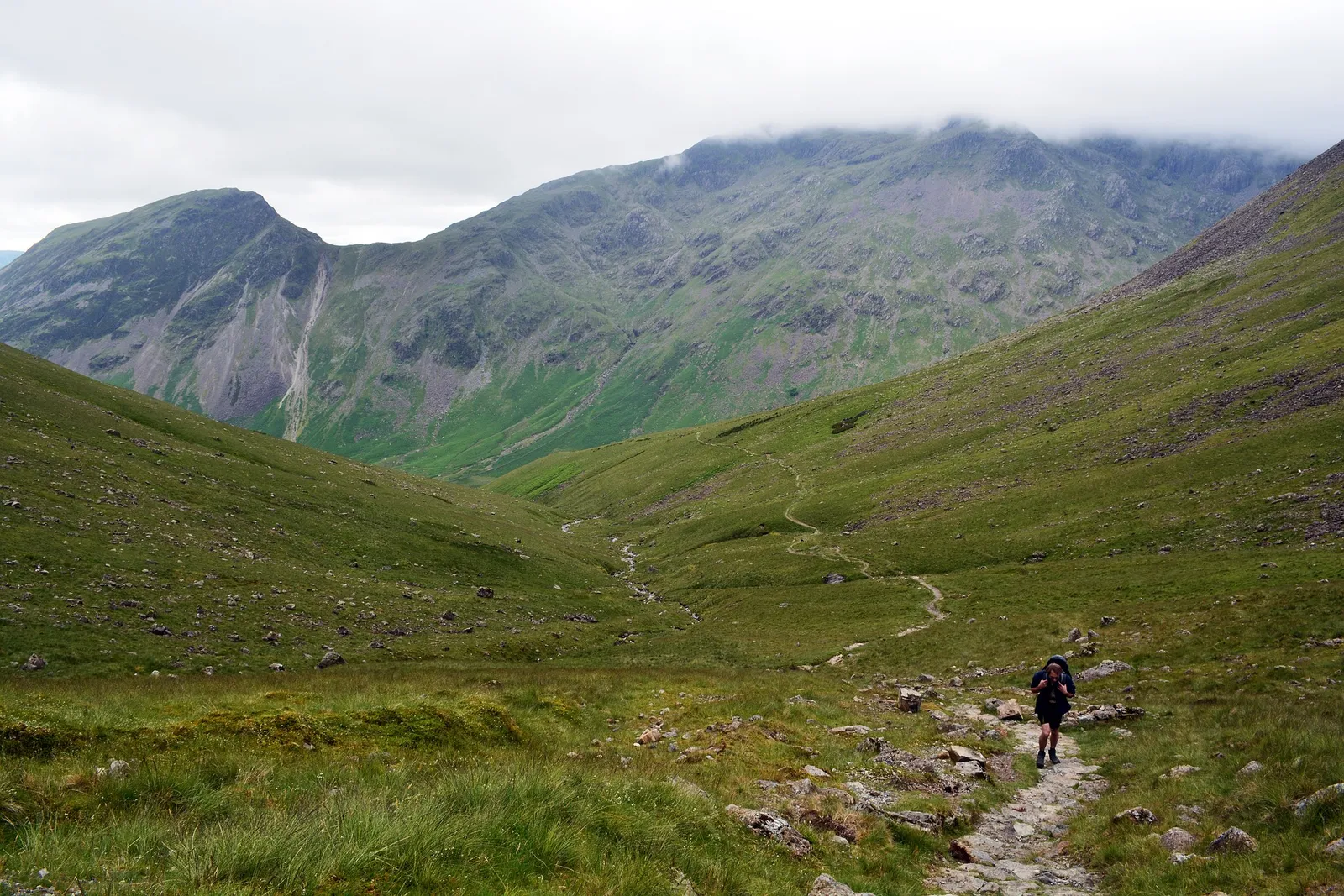
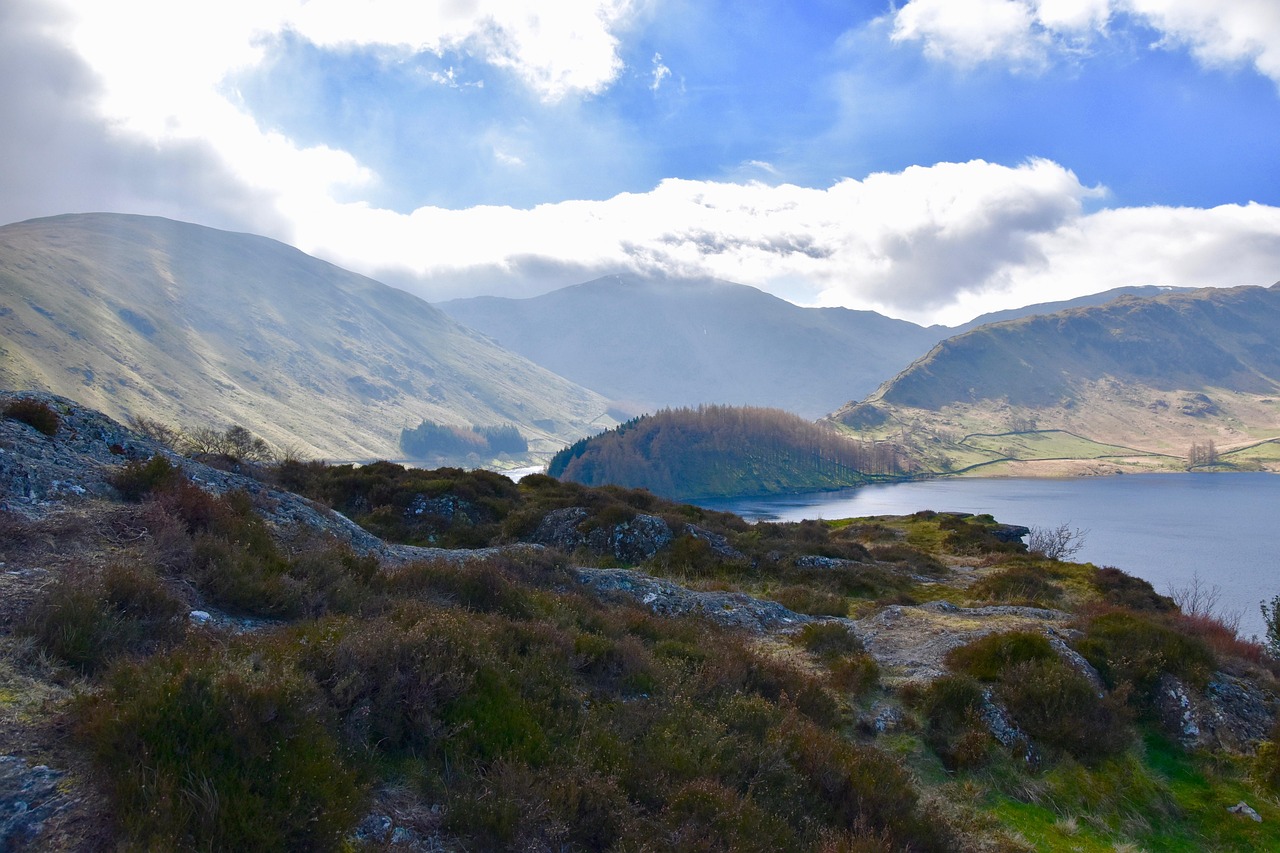
England's largest national park and a UNESCO World Heritage Site, the Lake District packs the country's highest mountain, Scafell Pike at 978 metres, and its deepest lake, Wastwater, into a compact area. It is the busiest park for campers, which means plenty of sites but heavy summer booking, so reserve early for July and August.
Base yourself in Great Langdale, Borrowdale or Eskdale for the big walks, or Ullswater for a gentler stay. Browse Lake District and Cumbria campsites to compare pitches. For quieter corners away from the honeypots, read hidden wonders of the Lake District and our guide to its seven secluded corners. On a wet day, the region's indoor attractions save the trip, and the short walk to Aira Force waterfall works in any weather. Families should start with our pick of family activities in the Lake District.
Peak District
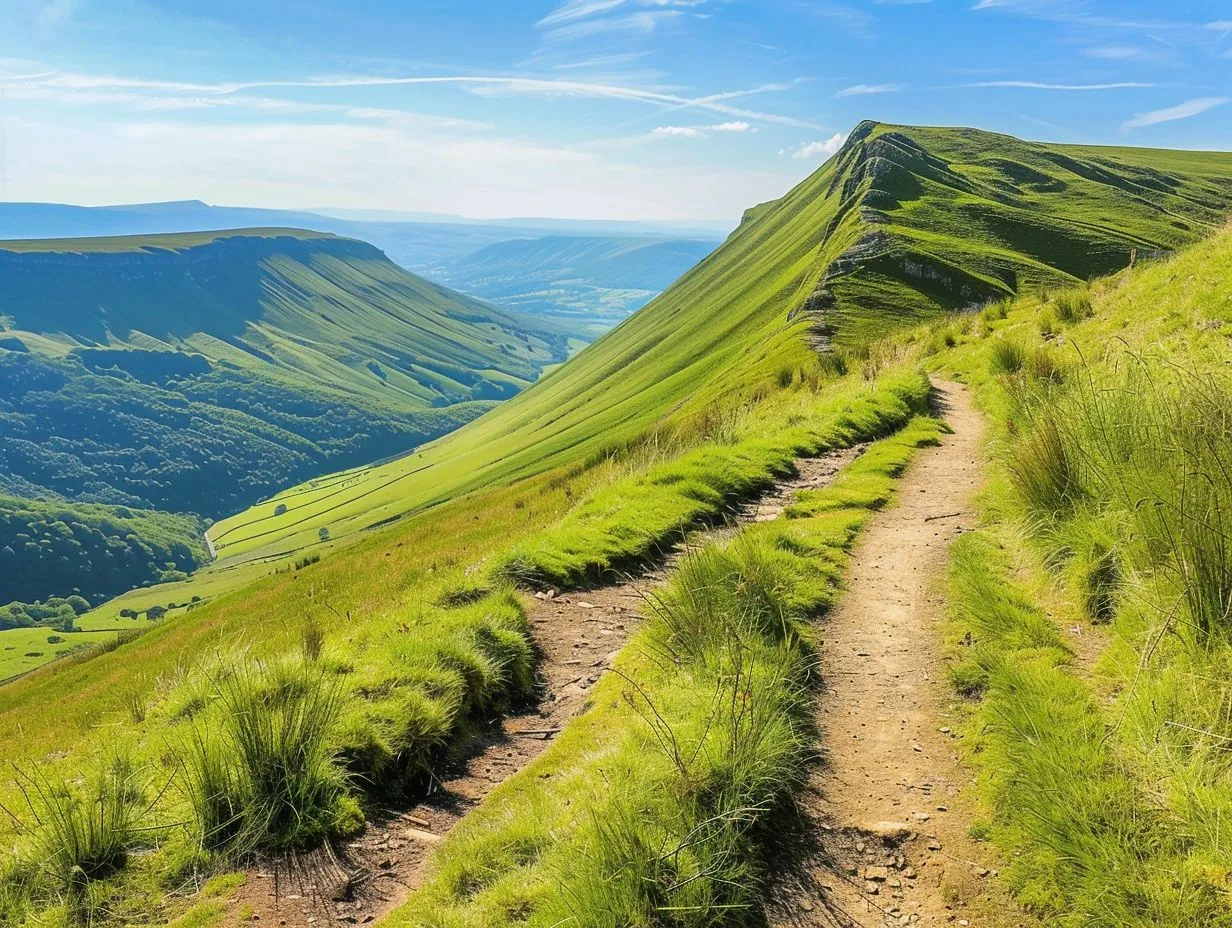
The Peak District became Britain's first national park in 1951 and sits within an hour of Manchester, Sheffield and Derby, which makes it the most accessible park for millions of people. It splits into the gentle limestone White Peak in the south and the wilder gritstone Dark Peak in the north.
It is superb for a first camping weekend, with easy walks, caves, stately homes and villages close together. Start with our guide to the park's 10 finest waterfalls, its hidden treasures, a family expedition through the park, and where to eat with our tour of its finest pubs.
Dartmoor
Dartmoor is the wild camping capital of England and the only park where the right is written in law. Its granite tors, open moorland and free-roaming ponies make it feel genuinely remote despite sitting in Devon. Follow the national park authority's camping map, avoid the military firing ranges when the red flags are flying, and be ready for fast-changing weather on high ground.
See the best routes across the moor in our guide to Dartmoor's scenic and historic trails, and compare Devon campsites if you would rather have a shower block and a shop.
New Forest
The New Forest is the best park in Britain for a first family camping trip. The terrain is flat, the famous ponies, donkeys and cattle wander freely between the campsites, and the whole area is small enough to explore with young children. Wild camping is banned, but the park has some of the largest and best-equipped campsites in the country, most run on former Forestry England land right in the woods.
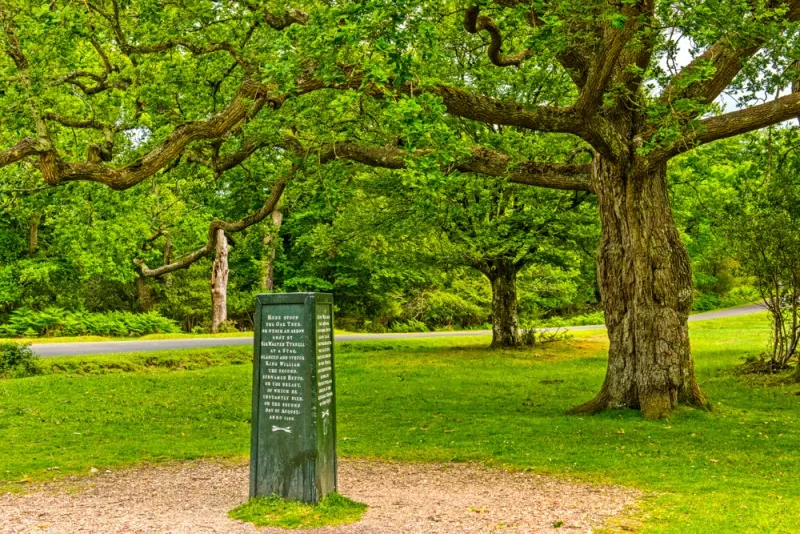
Plan days out with our guides to family fun in the New Forest, its seven best scenic spots, the historic Rufus Stone, and the finest New Forest pubs for the evening.
Cairngorms
The Cairngorms is the largest national park in the UK at 4,528 square kilometres, twice the size of the Lake District, and holds five of Scotland's six highest mountains. It is a stronghold for wildlife you will see almost nowhere else in Britain, including ospreys, red squirrels, capercaillie and reindeer. Wild camping is a right here under the Scottish Outdoor Access Code, so it is the finest big-scale wild camping in the country.
Read our complete Cairngorms visitor's handbook, the best hiking trails, where to pitch in our guide to the best Cairngorms campsites, and family activities for a trip with children.
Bannau Brycheiniog (Brecon Beacons)
Renamed Bannau Brycheiniog in 2023, the park most people still know as the Brecon Beacons is south Wales at its best: the flat-topped Pen y Fan at 886 metres, the waterfall country around Ystradfellte, and an International Dark Sky Reserve overhead. It is a two-hour drive from Cardiff, Bristol and much of the Midlands.
See camping and hiking in the Brecon Beacons for routes and campsite areas.
Loch Lomond, the Trossachs and the Highlands
Loch Lomond and The Trossachs is the closest national park to Glasgow and the gateway to the Highlands, mixing big lochs, Munros and the start of the West Highland Way. Remember the camping permit zones between March and September. Beyond the park, the wider Highlands hold Britain's grandest scenery and its most open wild camping.
Plan a trip with our guide to exploring Loch Lomond, how to choose a campsite in the Highlands, the best campervan sites in Scotland, and everything in preparing for a camping trip in Scotland. The Fairy Pools on Skye are worth the drive north.
The Broads
The Broads is Britain's largest protected wetland and the only national park built around water, with 125 miles of lock-free, navigable rivers and lakes. Camping means a campsite or a boat, as wild camping is not permitted, but a night moored on a quiet dyke is the Broads at its finest.
See our Norfolk Broads boating guide to plan it.
Which park should you choose?
- First camping trip or young children: the New Forest, then the Peak District. Flat, gentle, close to everything, with big proper campsites.
- Wild camping legally: Dartmoor in England, or the Cairngorms in Scotland. These are the only two parks where the right is clear.
- Big mountains and serious walking: Eryri (Snowdonia), the Lake District, or the Cairngorms.
- Dark skies and stargazing: Northumberland, Exmoor and Bannau Brycheiniog are all official Dark Sky reserves.
- Beaches and coast: Pembrokeshire Coast, the only wholly coastal national park in Britain.
- Close to a city: the Peak District, South Downs and Loch Lomond are all within an hour of a major city.
Whichever you pick, compare pitches, facilities and dog policies across the whole of Britain on Camping Sites in Britain before you book.
Frequently asked questions
Can you wild camp in UK national parks?
Only in some. Dartmoor is the only national park in England with a legal right to wild camp, confirmed by the Supreme Court in 2025. Scotland's parks allow it under the Scottish Outdoor Access Code, though Loch Lomond needs a permit from March to September. Everywhere else needs the landowner's permission.
How many national parks are there in the UK?
Fifteen. Ten are in England, three in Wales, and two in Scotland. The Peak District was the first, designated in 1951, and the Cairngorms is the largest.
Which UK national park is best for families?
The New Forest. The terrain is flat, the free-roaming ponies delight children, the campsites are large and well equipped, and the whole park is easy to explore in a weekend. The Peak District is the strongest alternative.
What is the largest national park in the UK?
The Cairngorms, at 4,528 square kilometres. It is roughly twice the size of the Lake District and holds five of Scotland's six highest mountains.
Do you need to book campsites in national parks?
Yes, for popular parks in summer. The Lake District, New Forest and Loch Lomond fill their best sites weeks ahead for July and August. Book early, or travel in May, June or September when pitches are easier and the weather is often better.
The short version
All 15 UK national parks welcome campers, but wild camping is a legal right in only two places: Dartmoor and the Scottish parks under the access code. For a first trip choose the New Forest or the Peak District, for mountains choose the Lakes, Eryri or the Cairngorms, and for a guaranteed pitch book a campsite before you go.
Pick your park, then find and compare the campsites, caravan parks and glamping inside it on Camping Sites in Britain.