Boating on the Norfolk Broads: a beginner's guide
· Updated
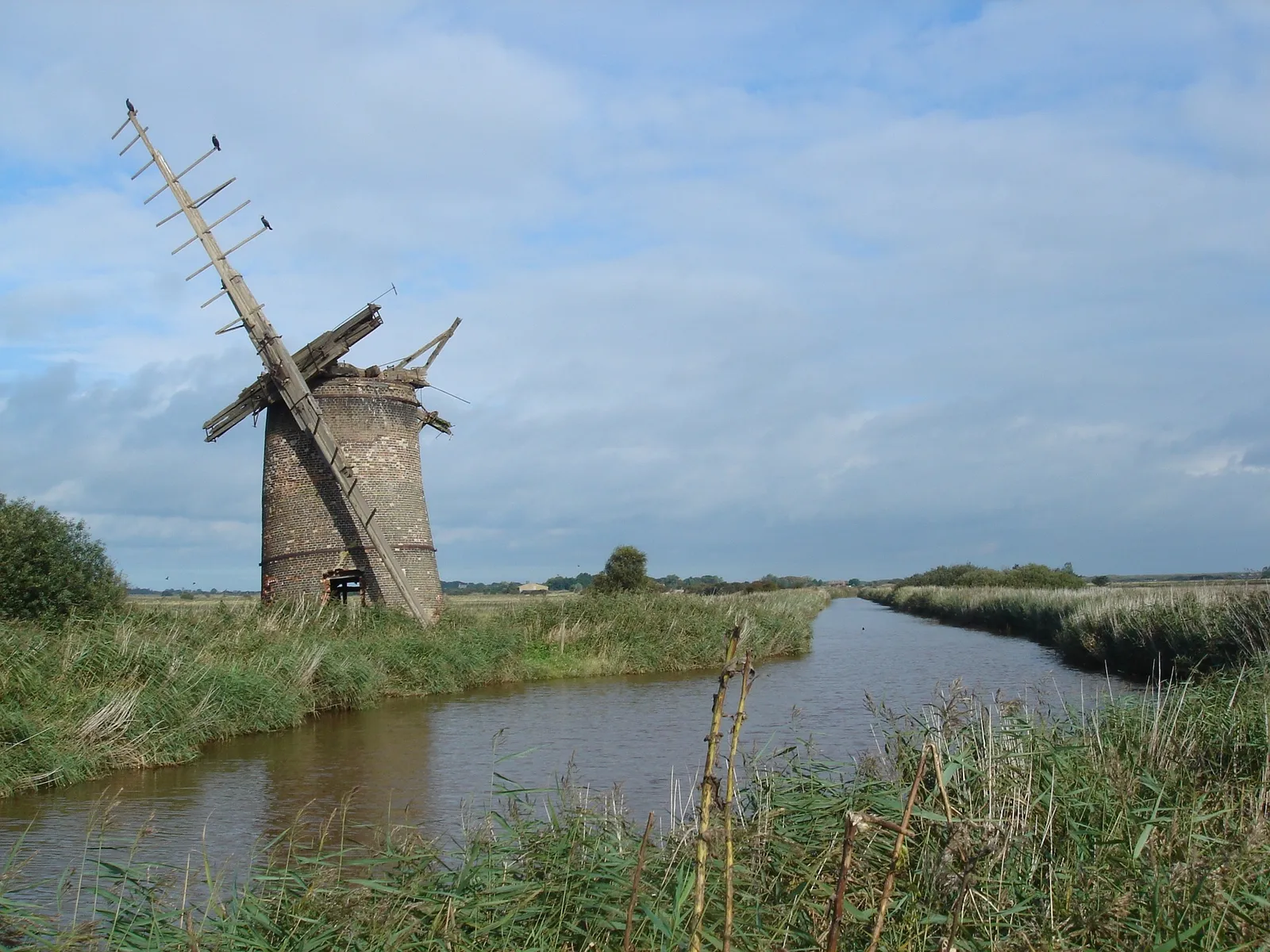
You do not need a licence to hire a boat on the Norfolk Broads. Turn up, get a short handover from the boatyard, and you can be steering your own cruiser across 125 miles (200km) of lock-free, mostly flat water the same afternoon. That is what makes the Broads the friendliest place in Britain to try boating for the first time.
The Broads sit in the flat country east of Norwich, spread across Norfolk and a slice of Suffolk. The "broads" themselves are wide, shallow lakes, and they are not natural: they are flooded medieval peat diggings, dug out for fuel and later drowned as sea levels rose. Today they are a protected landscape and a proper wildlife stronghold. This is part of our guide to camping in the UK's national parks, and if you want to pair a boating trip with a night under canvas, Camping Sites in Britain is a good place to start planning.
Are the Norfolk Broads a national park?
The Broads have a status equivalent to a national park, given to them by the Broads Act 1988. The full name of the legislation is the Norfolk and Suffolk Broads Act 1988, and it created the Broads Authority as the single body responsible for the area. The Authority describes the Broads as a member of the national park family, managing conservation, planning and navigation together.
That last word matters. Unlike the Lake District or Snowdonia, the Broads Authority also runs the waterways, sets the speed limits, and charges the tolls that pay for dredging and upkeep. So the same organisation that protects the bittern also decides how fast your boat can go.
Hiring a boat: what you actually need to know
No licence, no test, no prior experience. Hire boats on the Broads are open to anyone, and the boatyard gives every new skipper a briefing before you set off, covering steering, mooring, and the local rules. Two broad choices face you: a day boat for a few hours out, or a cruiser you sleep aboard for a long weekend or a week.
| Option | Good for | Typical hire |
|---|---|---|
| Day boat | First-timers, families testing the water, a short outing from one town | A few hours to a full day |
| Motor cruiser | Sleeping aboard, covering more of the network, a proper holiday afloat | Short break (three nights) to a week or more |
| Canoe or kayak | Quiet, shallow dyke exploring and getting close to wildlife | By the hour or day |
Established yards worth knowing include Richardson's at Stalham, Herbert Woods at Potter Heigham, and Barnes Brinkcraft at Wroxham. Book ahead for the school holidays, when the popular cruisers go early.
Do tolls apply?
Yes. Every powered boat using the Broads pays a Broads Authority toll, which funds dredging, moorings and safety. If you are hiring, the toll is already built into the price, so you pay nothing extra on the day. Only boat owners and private craft need to buy a toll directly.
Speed limits
Speed limits on the Broads are low, typically between 3 and 6 mph depending on the stretch of river. The limits protect the banks from wash and keep wildlife and other boats safe, and they are clearly signed. There are no locks anywhere on the navigable network, which is a large part of why the Broads suit nervous beginners.
Where to go: the key hubs and broads
Wroxham is the natural starting point. Known as the capital of the Broads, it has the biggest cluster of boatyards, shops and moorings, and sits right next to Wroxham Broad. From there the river network fans out, and a few names come up again and again.
- Wroxham: the busiest hub, best for hiring, provisioning and a first outing.
- Potter Heigham: famous for its low medieval bridge, which only experienced pilots take larger boats under. A hub for the northern rivers.
- Horning: a pretty riverside village on the Bure, thick with thatched houses and waterside pubs.
- Ranworth: home to Ranworth Broad and its floating wildlife centre, plus a church tower with a long view over the whole area.
For open water, Hickling Broad is the largest of them all and a national nature reserve, brilliant for birdwatching. Ranworth Broad is quieter and more sheltered, and the walk out to the wildlife centre puts you eye to eye with the reedbeds.
Wildlife on the water
The Broads are one of the best wildlife spots in lowland Britain. The reedbeds hide the bittern, a shy heron whose booming call carries across the water in spring, and marsh harriers quarter the reeds overhead. In early summer, look for the swallowtail, Britain's largest butterfly, which breeds here and almost nowhere else in the country.
Go slowly, keep your wash down, and you will see far more. If you enjoy this side of a trip, our guides to the UK's geological wonders near campsites and the best campsites for exploring ancient woodlands pair well with a Broads visit.
Waterside campsites and pubs
You can camp on the edge of the water and boat by day, which is the cheapest way to enjoy the Broads. The Waveney River Centre at Burgh St Peter has pitches, moorings and boat hire on the same site, and Clippesby Hall near Filby is a well-run family site within easy reach of the northern rivers. Browse and book Norfolk pitches through the Camping Sites in Britain directory.
Half the fun of the Broads is mooring up for lunch. Classic waterside pubs include The Swan Inn and The Ferry Inn at Horning, and The Pleasure Boat Inn beside Hickling Broad. Most have free daytime moorings for customers, though they fill fast on sunny weekends, so aim to tie up early.
Frequently asked questions
Do you need a licence to hire a boat on the Norfolk Broads?
No. Hire boats need no licence and no experience. The boatyard gives every skipper a handover covering steering, mooring and the rules before you set off, and staff are on call by phone if you need help.
How big are the Norfolk Broads?
The Broads have around 125 miles (200km) of navigable, lock-free waterways across Norfolk and Suffolk. The network links seven rivers and more than 60 broads, though only some are open to boats.
What is the largest of the Broads?
Hickling Broad is the largest, a national nature reserve on the northern rivers famous for its birdlife. Wroxham Broad is the busiest, and Ranworth Broad is the best for a quiet wildlife stop.
Are the Norfolk Broads a national park?
The Broads have a status equivalent to a national park under the Broads Act 1988 and are managed by the Broads Authority, a member of the national park family. The Authority also runs the waterways and sets the tolls.
How fast can you go on the Broads?
Speed limits are low, usually between 3 and 6 mph depending on the river, and clearly signed. Keeping slow protects the banks from wash and the wildlife from disturbance.
Are there tolls on the Broads?
Yes, every powered boat pays a Broads Authority toll that funds dredging and upkeep. If you hire, the toll is included in the price, so you pay nothing extra on the day.
The short version
The Norfolk Broads are the easiest place in Britain to try boating: no licence, no locks, 125 miles of gentle water and a boatyard briefing to get you going. Hire from Wroxham, keep your speed down, moor up at a waterside pub, and watch for the swallowtail on the way. To pair it with a night ashore, start with the Camping Sites in Britain directory or read more about camping in the UK's national parks.