Ancient woodland camping in the UK: the best forests and campsites
· Updated
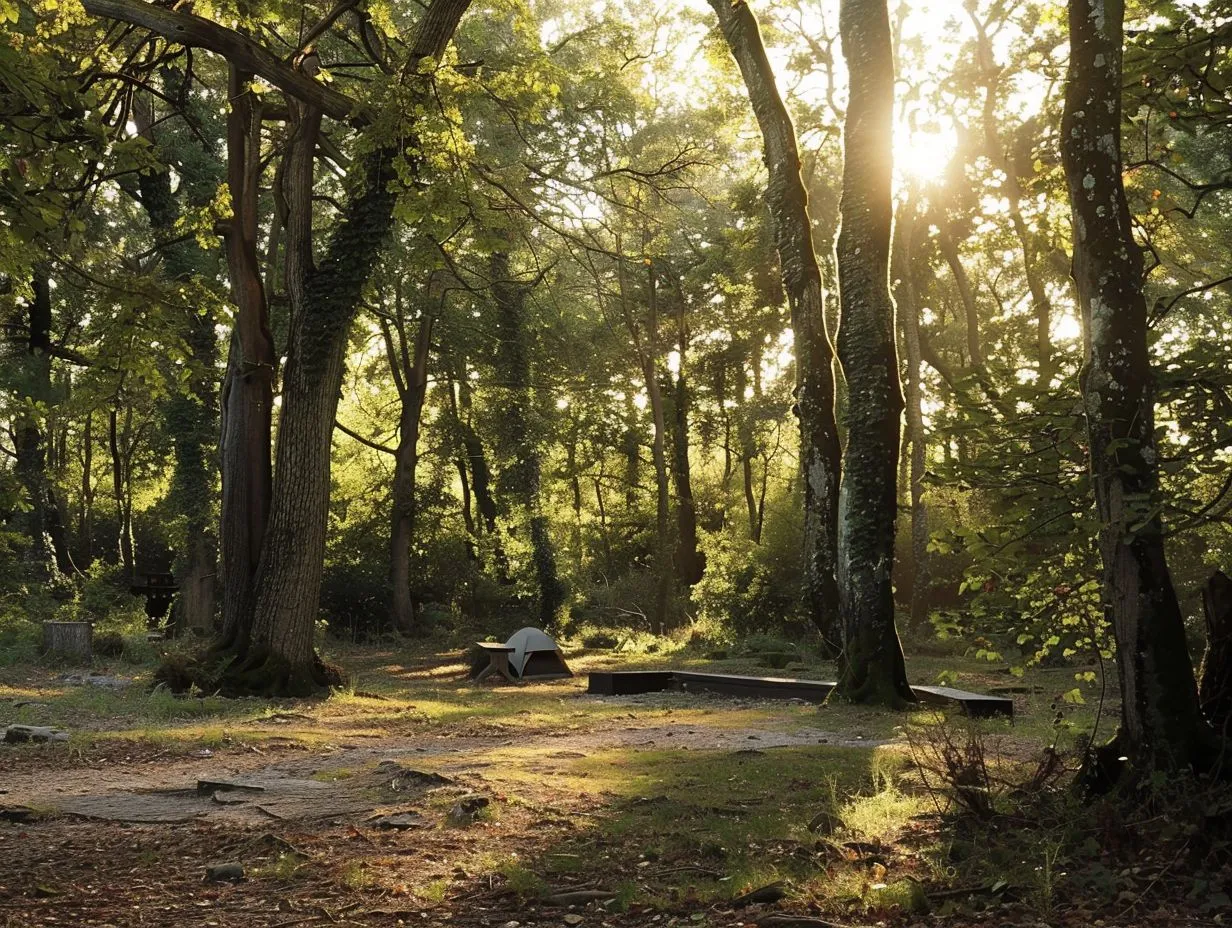
The best base for exploring an ancient wood is a proper campsite pitched inside or on the edge of the forest itself. In England that usually means a Forestry England site, and the two easiest to book beside genuinely old woodland are Ashurst and Roundhill in the New Forest. For the wildest ancient oaks in the country, camp on Dartmoor within reach of Wistman's Wood, and for temperate rainforest head to the Sunart oakwoods in Argyll.
A wood counts as ancient when it has been continuously wooded since 1600, which is why these places feel different from a young plantation: deeper soils, veteran trees, and plants like bluebell and wild garlic that take centuries to spread. This guide names the real forests, the sites that put you inside them, and the seasons worth planning around. It sits within our wider guide to camping in the UK's national parks, and you can search every option on Camping Sites in Britain.
What makes a woodland "ancient"
An ancient woodland is one that has existed continuously since at least 1600 in England and Wales (1750 in Scotland). The date matters because reliable maps begin around then, so anything wooded before that line is treated as ancient and effectively irreplaceable. Natural England keeps the official Ancient Woodland Inventory, and the Woodland Trust estimates ancient woodland now covers only about 2.5 per cent of the UK.
You do not need a map to spot one. Ancient woods carry indicator plants that spread painfully slowly, so their presence signals long, unbroken tree cover. Look for carpets of bluebell, drifts of wild garlic (ramsons), wood anemone, and old coppice stools or wood banks. Add gnarled veteran oaks, standing deadwood and thick moss, and you are almost certainly standing in something centuries old.
The best ancient woodlands to camp near
These six woods give you the fullest range, from lowland royal forest to Atlantic rainforest. Each pairs with a real place to pitch up.
New Forest, Hampshire
The New Forest is a former royal hunting ground set aside by William the Conqueror around 1079, and it remains one of the largest tracts of ancient pasture woodland, heath and grazing in lowland Britain. Free-roaming ponies, cattle and pigs still shape it. Forestry England runs a cluster of campsites here, and Ashurst (right beside the woods near Lyndhurst) and Roundhill (a big open site near Brockenhurst) are the two that drop you straight into old oak and beech enclosures. Book early for July and August, and remember open fires are not permitted anywhere in the Forest.
Forest of Dean, Gloucestershire
The Forest of Dean is an ancient royal forest between the Wye and the Severn, full of oak, beech and rooting wild boar. Two Forestry England sites put you inside it: Bracelands, a large family site above Symonds Yat, and Christchurch, handy for the Sculpture Trail and Cannop Ponds. Both work brilliantly as a base for cycling the old railway lines and walking down to the Wye.
Sherwood Forest, Nottinghamshire
Sherwood is the Robin Hood forest, and its ancient heart holds around 1,000 veteran oaks, including the Major Oak, thought to be 800 to 1,000 years old. The surviving old wood pasture sits within a much larger managed forest, so pitch at nearby Sherwood Pines or a Camping and Caravanning Club site and walk in to the National Nature Reserve, which is free to enter.
Wistman's Wood, Dartmoor, Devon
Wistman's Wood is the most atmospheric ancient wood in England: a high, stunted oakwood at around 400 metres on Dartmoor, its dwarf oaks smothered in moss, ferns and lichen and tangled through granite boulders. It is a fragile National Nature Reserve, so stay on the path and do not climb the trees. Dartmoor is also the one place in England where backpack (wild) camping on foot is a legal right, confirmed by the UK Supreme Court in May 2025, though only in the permitted zones and never inside the wood itself. For facilities and hot showers, base yourself at a campsite around Two Bridges or Postbridge and browse Devon campsites for options.
Argyll's Atlantic rainforest, Scottish Highlands
The Sunart oakwoods near Strontian are part of Britain's Atlantic (temperate) rainforest, a globally rare habitat kept alive by mild, wet Atlantic air. The Ariundle Oakwood National Nature Reserve is the easiest to reach, dripping with mosses, liverworts and lichens that only thrive in clean, damp air. Camping options are scattered and small in this corner of the Highlands, so book ahead and follow the Scottish Outdoor Access Code if you wild camp.
Kielder Forest, Northumberland
Kielder is the largest forest in England, though most of it is planted conifer rather than ancient woodland, with pockets of older native trees along the burns. Come here less for veteran oaks and more for space, red squirrels and the Kielder dark skies, one of the best places in Europe for stargazing. Camp lochside at Kielder or nearby and combine woodland walks with an evening under genuinely dark skies.
Ancient woodlands and camping at a glance
| Woodland | Where | Nearest real camping | Best season |
|---|---|---|---|
| New Forest | Hampshire | Ashurst, Roundhill (Forestry England) | Apr to May for bluebells; autumn for colour |
| Forest of Dean | Gloucestershire | Bracelands, Christchurch (Forestry England) | Spring and autumn |
| Sherwood Forest | Nottinghamshire | Sherwood Pines area sites | Late spring to autumn |
| Wistman's Wood | Dartmoor, Devon | Two Bridges, Postbridge sites | Late spring; misty autumn mornings |
| Sunart oakwoods | Argyll, Highlands | Small sites near Strontian | May to June; September for fungi |
| Kielder | Northumberland | Kielder lochside sites | Autumn for colour and dark skies |
When to go: the woodland calendar
Spring and autumn are the two peak windows for ancient woodland, for completely different reasons. April into May is bluebell season, when the UK's woods hold roughly half the world's bluebells and the floor turns blue for two or three weeks. Wild garlic flowers at the same time and scents the whole wood. This is also the best stretch for birdsong, with the dawn chorus at full volume through May.
Autumn is fungi season. From September to November, damp ground and mild days bring up fly agaric, boletes and dozens of other species, and the oak and beech canopy turns gold and copper. Look but do not pick in nature reserves. Summer is greener and busier, so book Forestry England sites well ahead for the school holidays, and winter strips the trees back to reveal their shape and the veteran trunks beneath.
Camping responsibly in old woodland
Ancient woods are irreplaceable, so the rules are stricter than on open ground, and they exist for good reason. Pitch only on established campsites or, where wild camping is allowed, on durable ground well away from tree roots and never inside a nature reserve. Do not light open fires: they scorch roots, destroy the deadwood that rare insects and fungi depend on, and are banned outright in places like the New Forest.
Keep to marked paths so you do not trample slow-growing woodland plants, take all litter home, and follow the Countryside Code (or the Scottish Outdoor Access Code north of the border). If you want to sleep among the trees without touching the ground, a tree-friendly setup with proper wide straps is the gentlest option. For more on reading a wood and its wildlife, our sibling guides to the UK's geological wonders near campsites and family activities in the Lake District pair well with a woodland trip, and Scotland travellers should read our notes on preparing for a camping trip in Scotland.
Frequently asked questions
What counts as an ancient woodland in the UK?
A woodland that has existed continuously since 1600 in England and Wales, or 1750 in Scotland. These woods are listed on the Ancient Woodland Inventory maintained by Natural England and are protected as irreplaceable habitat.
Can you camp inside an ancient woodland?
Not usually inside the wood itself, especially in nature reserves. Camp on established sites nearby, most often a Forestry England campsite. Only Dartmoor allows backpack wild camping as a legal right, and even there not within Wistman's Wood.
Where is the best ancient woodland to camp near?
The New Forest is the most accessible, with Forestry England sites like Ashurst and Roundhill set among old oak and beech. For drama, camp on Dartmoor near Wistman's Wood; for rainforest, head to the Sunart oakwoods in Argyll.
When is the best time to see bluebells in ancient woods?
Mid April to mid May, depending on the spring. UK woodlands hold around half the world's bluebells, and the display lasts roughly two to three weeks. Wild garlic and the dawn chorus peak at the same time.
Can you have a campfire in ancient woodland?
No. Open fires damage tree roots and the deadwood that rare species need, and they are banned in places such as the New Forest. Use a raised stove on a designated pitch, and only where the site allows it.
Are dogs allowed in ancient woodlands?
Usually yes, on a lead, but check each site and reserve. Livestock graze the New Forest and the Forest of Dean, and ground-nesting birds are vulnerable in spring, so keep dogs close from March to July.
The short version
Ancient woodland camping in the UK is about pitching near the forest and walking in: the New Forest for easy access, Dartmoor's Wistman's Wood for wild oaks, and Argyll's Sunart oakwoods for rainforest. Go in April or May for bluebells or in autumn for fungi and colour, and tread lightly. Start by browsing campsites across Britain or read the wider guide to camping in the UK's national parks.