Quiet Corners of the Lake District: 7 Secluded Spots to Escape the Crowds
· Updated
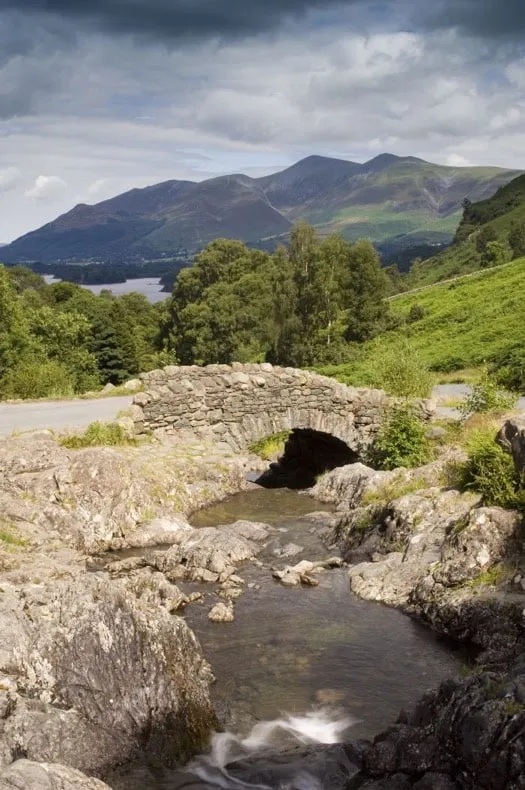
The real Lake District, the quiet one, starts about ten minutes past the car park you already know. Windermere, Ambleside, Tarn Hows and Aira Force take the coaches and the crowds, which leaves whole valleys almost to themselves. Wast Water, Ennerdale, Haweswater, the Duddon and Martindale can be walked on a summer Saturday and barely trouble another soul.
This is a tour of seven of them, with the practical bits that matter: where to leave the car, what the walk is like, and where to pitch nearby. The Lake District is England's largest national park at 2,362 square kilometres, and it became a UNESCO World Heritage Site in 2017, so there is a lot of it, and most visitors only ever see a tenth.
It comes from Camping Sites in Britain, and it is part of our guide to camping in the UK's national parks. If you want a base for any of these valleys, browse campsites across the Lake District and Cumbria and book something close.
1. Wast Water and Wasdale
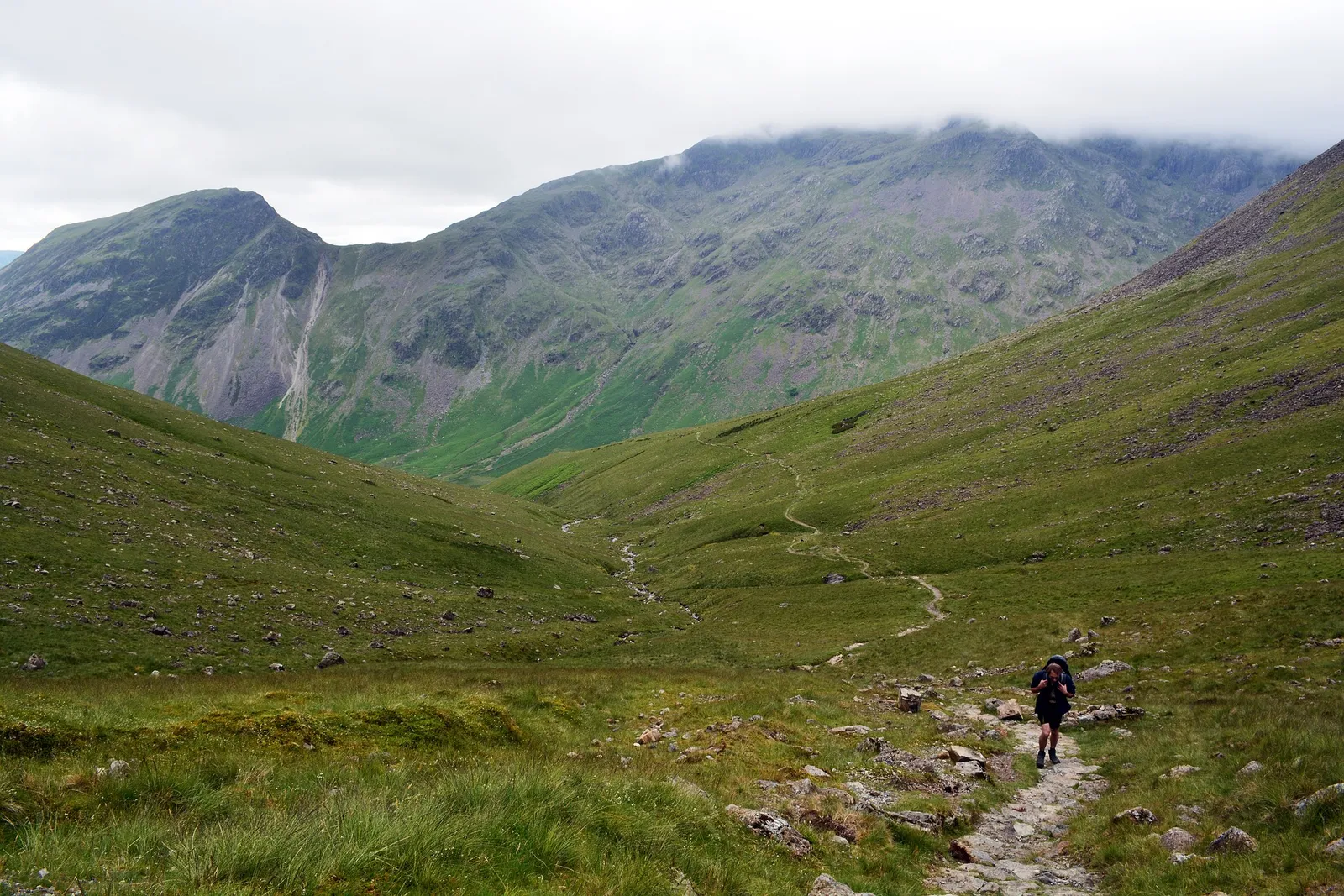
Wast Water is England's deepest lake at roughly 79 metres, and its far shore is one of the most dramatic sights in the country. The Wastwater Screes tip straight into the water, a mile-long slope of shattered rock that keeps the whole valley feeling remote and slightly severe. Wasdale Head sits at the top, ringed by Scafell Pike, Great Gable and Kirk Fell.
Getting here takes effort, which is exactly why it stays quiet. The single road in runs from Gosforth on the west coast, well away from the central Lakes, so day trippers rarely bother. Walk the flat lakeside path for the classic view, or use Wasdale Head as the shortest start for Scafell Pike, England's highest mountain at 978 metres.
2. Ennerdale and the rewilding project
Ennerdale is the only major Lakeland valley with no through road, and that single fact changes everything about it. You park at Bowness Knott and walk, which strips out the traffic and leaves a long, wooded valley threaded by the River Liza and Ennerdale Water.
Since 2003 the valley has been managed by Wild Ennerdale, a partnership between Forestry England, the National Trust, United Utilities and Natural England that is letting nature take the lead. Fences have come down, cattle graze freely, the river has been allowed to wander, and the regimented conifer plantations are slowly turning back into mixed woodland. It is the closest thing England has to genuine rewilding at scale, and you can walk right through the middle of it.
3. Haweswater and the golden eagle valley
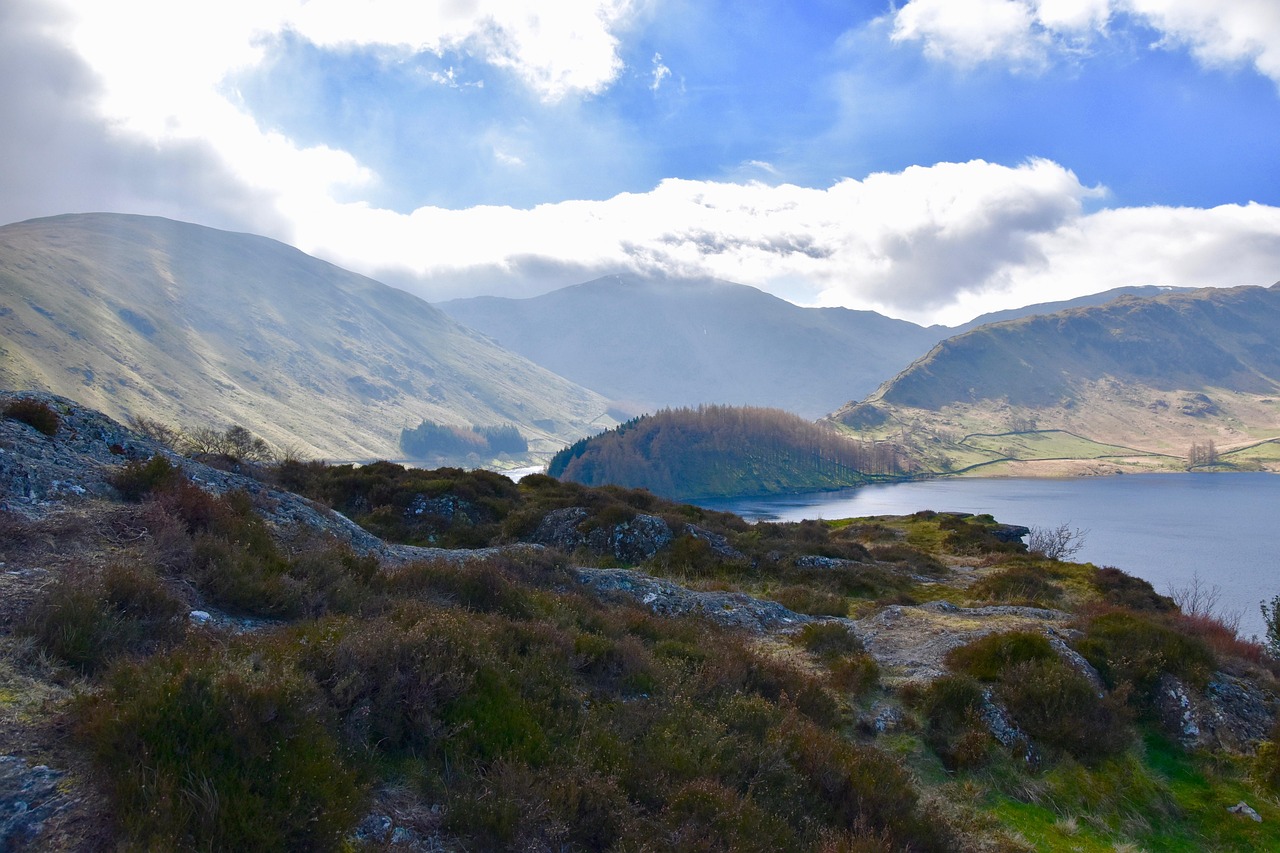
Haweswater is a reservoir with a secret past and the wildest feel of any lake in the park. Beneath the water lies Mardale Green, a village flooded in the 1930s when the valley was dammed to supply Manchester. In dry summers the old walls and packhorse bridge reappear as the level drops.
Above the water, Riggindale is known as the golden eagle valley. England's last resident golden eagle held territory here for years, and although it has now gone, the RSPB still manages the wider Haweswater reserve for upland wildlife. It is a long, quiet drive to the road end at Mardale Head, and the round of the reservoir or the climb up High Street rarely feels busy. Nearby Swindale has been reshaped by a beck restoration project that let the straightened stream meander again, and it now floods with wildflowers and wading birds.
4. Buttermere and Loweswater
Buttermere and Loweswater sit in the quieter north west, over the Honister and Newlands passes from Keswick. Buttermere is small enough to walk right round in a couple of gentle hours, a level four-and-a-half-mile loop with the Haystacks and Fleetwith Pike reflected in the water. It is one of the most rewarding easy walks in the Lakes and a brilliant one for families.
Loweswater, its neighbour, is quieter still, and one of the few lakes where the National Trust asks you to row rather than use a motor. The two make a proper day out with a lot less footfall than Derwentwater a few miles east.
5. The Duddon Valley
The Duddon was Wordsworth's favourite valley, and he wrote a sequence of 34 sonnets about the river that runs through it. Tucked into the south west corner of the park, it is off almost everyone's route, a soft, wooded valley of stone bridges, old packhorse tracks and clear pools.
You reach it over the Wrynose and Hardknott passes, two of the steepest roads in England, or more gently up from Broughton in Furness. Ulpha and Seathwaite make good quiet stops, and the ancient sessile oak woodland along the valley floor is some of the best in Cumbria. Our guide to the best campsites for exploring ancient woodlands covers what to look for in places like this.
6. Martindale, above Ullswater
Martindale holds one of the oldest native red deer herds in England, and it feels a world away from the steamers on Ullswater just over the ridge. You get there on the narrow, hairpin road up from Pooley Bridge and Howtown, past the tiny old church of St Martin, into a hidden double valley of Bannerdale and Boredale.
This is walking country with almost no crowds. The deer roam the fellsides of Beda Fell and the Nab, and autumn brings the rut, when the stags bellow across the valley. Keep your distance and keep dogs on leads, especially in October.
7. Eskdale and the western fringe
Eskdale rounds off the quiet west, a green valley running down from the foot of the Hardknott Pass to the coast at Ravenglass. It has a Roman fort, the Ratty narrow-gauge railway, packhorse bridges and the lovely Stanley Ghyll Force waterfall, and it stays calm even in August because it is such a long way round from the honeypots.
It pairs naturally with Wasdale and the Duddon for a west-coast Lakes trip that skips the crowds entirely. If you like linking these valleys by car, our guide to the best scenic drives to campsites and the geological wonders near campsites both cover the passes and the rock that shaped them.
Where to camp in the quiet valleys
Camping is how you actually reach these places at their best, early and late in the day when the walkers have gone home. The west and the far valleys have small, low-key sites rather than big holiday parks, and many run a quiet-pitch ethos: grass, no hardstanding rows, no clubhouse, lights out at a sensible hour.
| Valley | Nearest base | Good for |
|---|---|---|
| Wasdale | Wasdale Head, Nether Wasdale | Scafell Pike, remote lakeside |
| Ennerdale | Ennerdale Bridge | Rewilding, long valley walks |
| Haweswater | Bampton, Mardale | Wildlife, High Street, solitude |
| Buttermere | Buttermere, Loweswater | Easy family loops |
| Duddon | Seathwaite, Ulpha | Woodland, river pools, quiet drives |
| Martindale | Howtown, Pooley Bridge | Red deer, low crowds |
Browse and compare options across the Lake District and Cumbria to find a pitch near the valley you want. If you are bringing children, our list of top family activities in the Lake District pairs well with the gentler spots like Buttermere and Eskdale.
Camping responsibly in the fells
Wild camping is not a legal right in the Lake District. Unlike Dartmoor, where the UK Supreme Court confirmed a right to backpack camp in May 2025, camping anywhere in the Lakes needs the landowner's permission, and the practical answer for most people is a proper campsite. Fell-top wild camping high above the intake walls is tolerated in places by some landowners, but it is a courtesy, not a right, and it comes with strict expectations.
Wherever you pitch, follow the Countryside Code: take all your litter home, leave gates as you find them, keep dogs under control near livestock and ground-nesting birds, and use a stove rather than lighting fires on the fells. These quiet valleys stay quiet because people look after them, so leave every pitch exactly as you found it.
Frequently asked questions
What are the quietest parts of the Lake District?
The western and eastern fringes stay quietest: Wasdale, Ennerdale, Eskdale and the Duddon in the west, and Haweswater, Swindale and Martindale in the east. They are further from the main honeypots of Windermere and Keswick and take more effort to reach, which keeps the crowds away.
What is the deepest lake in the Lake District?
Wast Water in Wasdale is the deepest, at roughly 79 metres. It is also one of the most remote, ringed by the Wastwater Screes and the high fells of Scafell Pike and Great Gable, and it stays quiet because the only road in comes from the west coast.
Can you still see golden eagles at Haweswater?
No. England's last resident golden eagle held territory in Riggindale above Haweswater for years but has now gone. The RSPB still manages the reserve for upland wildlife, and you may see red deer, ravens and buzzards, but there are no breeding golden eagles in England at present.
Is wild camping allowed in the Lake District?
Not as a legal right. Camping needs the landowner's permission, and a campsite is the reliable choice. High fell-top camping is tolerated by some landowners as a courtesy, provided you arrive late, leave early, take everything away and follow the Countryside Code.
Where can I see red deer in the Lake District?
Martindale, above Ullswater, holds one of England's oldest native red deer herds. Reach it on the narrow road up from Howtown. Autumn brings the rut, when stags bellow across Bannerdale and Boredale, so keep your distance and keep dogs on a lead.
Which quiet valley is best for families?
Buttermere. The level loop round the lake is about four and a half miles, easy underfoot, and stunning throughout. Loweswater next door and Eskdale on the coast are gentle too, and all three have small campsites within easy reach.
The short version
The Lake District's crowds cluster in a handful of famous spots, which leaves whole valleys, Wasdale, Ennerdale, Haweswater, the Duddon and Martindale among them, almost empty. Base yourself at a small campsite in the west or east, follow the Countryside Code, and you get a UNESCO World Heritage landscape largely to yourself.
Start by finding a pitch across the Lake District and Cumbria, or read more in our guide to camping in the UK's national parks.