Camping on National Trust Land: Sites, Membership and the Rules
· Updated
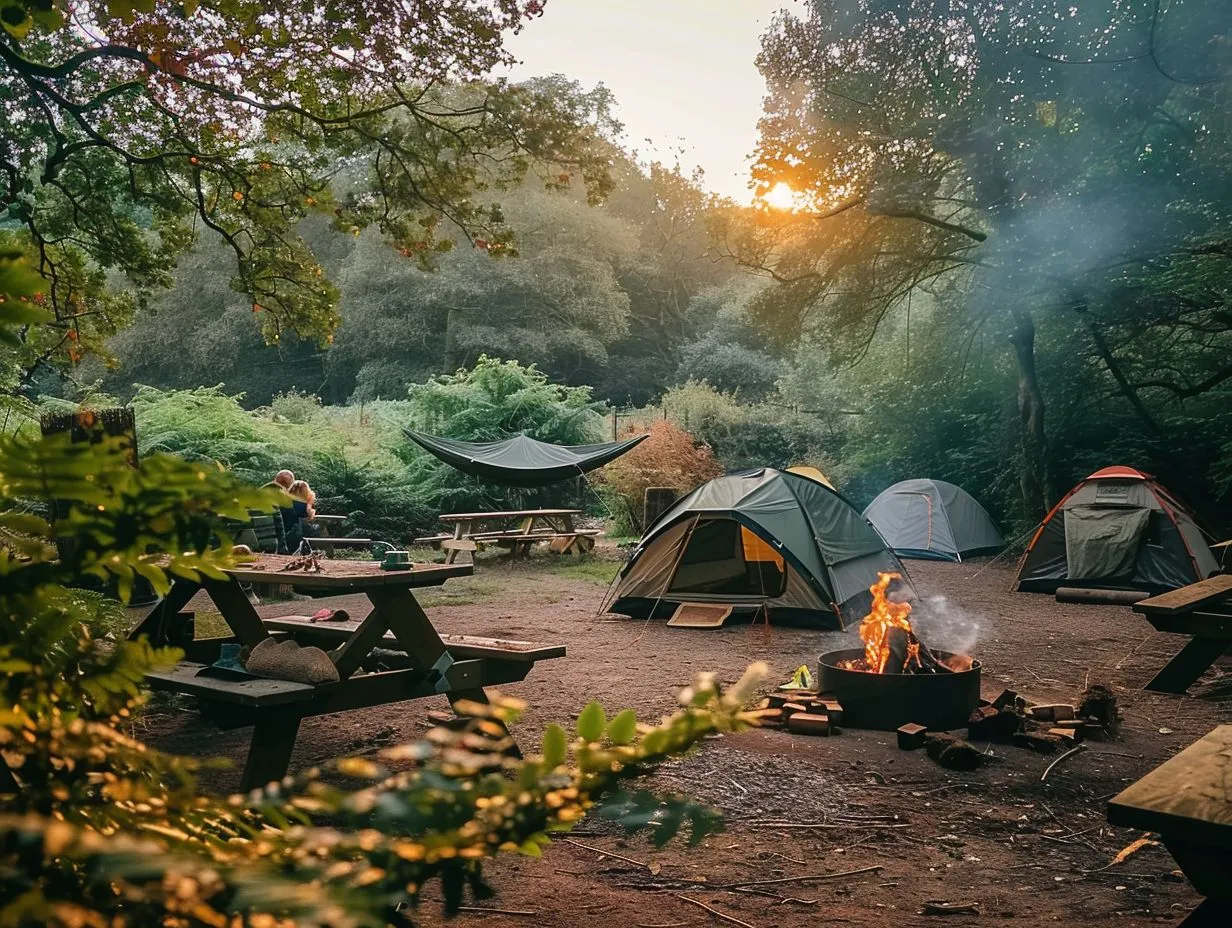
The National Trust runs only a handful of campsites of its own, so most "camping on National Trust land" actually means booking a pitch at one of those few Trust sites or staying at a campsite that sits on or beside a Trust estate. You cannot simply turn up and wild camp on Trust land. Almost everywhere in England and Wales you need the landowner's permission, and the Trust is the landowner.
The good news is that the sites the Trust does run are some of the best-placed campsites in the country, pitched in the Lake District valleys and on the Cornish coast where the walking starts at the gate. This page covers where they are, how National Trust membership fits in, and the rules that catch people out.
It is part of our guide to camping at the UK's heritage sites, from Camping Sites in Britain, where you can find and compare campsites, caravan parks and glamping across the UK.
Does the National Trust run campsites?
Yes, but only a few, and they are concentrated in the places the Trust protects most of. The best known are in the Lake District and Cornwall, and they take tents, campervans and motorhomes rather than static caravans. They tend to be low-key, with the emphasis on the setting rather than on-site entertainment.
The Trust also owns huge tracts of countryside where independent campsites, Camping and Caravanning Club sites and Caravan and Motorhome Club sites operate on or right beside Trust land. So you can camp "on the National Trust" in two ways: at a site the Trust runs directly, or at a neighbouring site that shares the same views and footpaths.
The best National Trust campsites
These are the Trust-run sites worth building a trip around. All are booked directly through the National Trust and all welcome dogs, with a limit of two per pitch.
| Campsite | Where | Good for |
|---|---|---|
| Great Langdale | Great Langdale valley, Lake District | Fell walking and climbing under the Langdale Pikes; 120 tent pitches plus hardstanding and camping pods |
| Wasdale | Wasdale Head, Lake District | England's highest ground; the site sits below Scafell Pike and Great Gable |
| Low Wray | Western shore of Windermere, Lake District | Lakeside pitches, canoe and kayak launching, family camping |
| Highertown Farm | Lansallos, near Looe, Cornwall | A small, peaceful site a short walk from the South West Coast Path and a hidden cove |
Great Langdale and Wasdale, Lake District
These two sit at the heart of the high fells and are the reason a lot of people first camp with the Trust. Great Langdale has around 120 informal tent pitches spread across meadows, hardstanding pitches with electric hook-up for campervans and motorhomes up to 6.5m, and a scattering of camping pods. Facilities run to showers, toilets, laundry, a washing-up area and a shop. Wasdale sits under Scafell Pike, so it suits walkers who want the biggest hills in England on the doorstep.
You will find plenty more pitches across the national park in our directory of campsites in the Lake District and Cumbria, including sites near Great Langdale and Wasdale if the Trust ones are full.
Low Wray, Windermere
Low Wray is the family and watersports option, set on the quieter western shore of Windermere with pitches close to the lake. You can launch a canoe or kayak straight from the site, which makes it a favourite for people who want the water as much as the fells. Being on Windermere it books up fast for school holidays.
Highertown Farm, Cornwall
Highertown Farm at Lansallos is the Trust's small Cornish site and a complete contrast to the Lakes. It is an unmanned working farm campsite with around 30 grass pitches, run by the Trust's rangers, with a self-check-in system and a one-night minimum stay. It takes tents, campervans and motorhomes up to 6m, has showers, toilets and a shared barn, and sits a short walk from the South West Coast Path and Lansallos cove. Campfires are not allowed but raised barbecues are.
For more of the county, browse our campsites in Cornwall. If castles and coast are more your thing, our guide to Britain's historic castles and their campsites covers the pick of the ramparts.
Campsites on and beside National Trust estates
Many independent and club campsites border National Trust land, which gives you Trust walking and scenery without staying at a Trust-run site. Farms on the edge of Trust estates often run their own campsites, and the Camping and Caravanning Club and the Caravan and Motorhome Club both have sites in and around Trust countryside.
The practical upside is choice. If the Trust site in a valley is booked, a neighbouring campsite usually shares the same footpaths and views. Search by region in our campsite directory and check the map against the Trust land you want to explore. Grand houses make a good base too, as our guide to camping near Britain's historic homes explains.
What National Trust membership gets you
Membership does not get you free or cheaper camping, so do not join expecting a discount on pitches. What it does get you is free entry to Trust places and, crucially for campers, free parking at the Trust's own car parks. That is the real saving on a walking trip, because Trust car parks at popular spots can cost a fair bit for a full day and you often use them daily.
For a family basing themselves near Trust countryside for a week and driving to a different car park each morning, membership can pay for itself quickly. You still pay the going rate for your pitch, whether you book a Trust site or an independent one. Check current membership prices and what is included on the National Trust membership page.
National Trust versus National Trust for Scotland
They are two separate charities, and your membership card matters. The National Trust covers England, Wales and Northern Ireland. The National Trust for Scotland is an independent organisation that looks after places north of the border. The two run a reciprocal arrangement, so members of one usually get access to the other's places, but they are not the same body and their sites and rules are managed separately.
If you are planning a Scottish trip around Trust for Scotland properties such as Glencoe or Ben Lawers, check that charity's own guidance rather than assuming the England and Wales rules apply.
Can you wild camp on National Trust land?
No, not without permission, and that surprises people who assume Trust land is open to camp on. The Trust owns the land, and across England, Wales and Northern Ireland you need the landowner's consent to pitch a tent. Walking access under the right to roam does not include the right to camp, so a night on a Trust hillside without asking is trespass.
There are two genuine exceptions to keep straight. In England, the only place with a legal right to wild camp is the Dartmoor commons, confirmed by the UK Supreme Court in May 2025, and much of Dartmoor is not Trust land in any case. In Scotland, the Land Reform (Scotland) Act 2003 gives a wide right to wild camp responsibly under the Scottish Outdoor Access Code, with permit zones around Loch Lomond between 1 March and 30 September. Everywhere else, including National Trust land, you ask first or you book a pitch. Our guide to exploring historical ruins near campsites is a better bet than pitching wild beside one.
Practical tips for camping with the National Trust
Book ahead, respect the land and keep dogs under control. Trust sites are popular and small, so the successful trips are the planned ones.
- Book early. Great Langdale, Wasdale and Low Wray fill for weekends and school holidays months out. Highertown Farm has only around 30 pitches. Do not rely on turning up.
- Follow the Countryside Code. Take your litter home, leave gates as you find them, keep to paths across farmland and light fires only where the site allows them. Most Trust sites ban open campfires but permit raised barbecues.
- Keep dogs under close control around livestock. Trust estates are working farmland. Keep dogs on a lead near sheep and cattle, and never walk a dog between a cow and her calf.
- Bring your membership card for parking. If you are visiting Trust places between camps, the free parking is where membership earns its keep.
- Check the site's own rules. Pitch sizes, vehicle length limits, arrival times and dog policies vary by site, so read the confirmation before you set off.
Frequently asked questions
Does the National Trust have campsites?
Yes, but only a few. The best known are Great Langdale, Wasdale and Low Wray in the Lake District and Highertown Farm in Cornwall. They take tents, campervans and motorhomes, and you book them directly through the National Trust.
Is camping free with National Trust membership?
No. Membership gives you free entry and free parking at National Trust places, but you pay the normal pitch price at Trust campsites and everywhere else. The saving for campers is on car parking during a walking trip, not on the camping itself.
Can you wild camp on National Trust land?
No, not without permission. The Trust owns the land, and in England, Wales and Northern Ireland you need the landowner's consent to camp. The only legal wild camping right in England is on the Dartmoor commons; Scotland allows responsible wild camping under its own access code.
Are dogs allowed at National Trust campsites?
Yes, at the main sites, usually with a limit of two dogs per pitch. Keep them under close control around livestock and on a lead near sheep and cattle. Some camping pods are not dog-friendly, so check when you book.
What is the difference between the National Trust and the National Trust for Scotland?
They are two separate charities. The National Trust covers England, Wales and Northern Ireland; the National Trust for Scotland looks after Scottish places. A reciprocal arrangement usually lets members of one visit the other's sites, but they are run independently.
Do you need to book National Trust campsites in advance?
Yes. The sites are small and popular, and Great Langdale, Wasdale, Low Wray and Highertown Farm all fill for weekends and holidays. Book directly with the National Trust well ahead rather than arriving on spec.
The short version
The National Trust runs a small number of brilliant campsites, mostly in the Lake District and Cornwall, and you book them directly rather than wild camping on Trust land, which needs permission. Membership does not cut the pitch price but pays off through free parking on a walking holiday.
For more places to pitch up near heritage, read our guide to camping at the UK's heritage sites or search the full campsite directory.