Reducing plastic use on camping trips: simple swaps that work
· Updated
The fastest way to cut plastic on a camping trip is to stop buying it in the first place. A weekend away is where single-use plastic piles up quickly, in bottled water, cling film, sachets, disposable cutlery and the barbecue you bin on Sunday. Swap those for things you already own or can reuse for years, and most of the waste simply never happens.
Reducing beats recycling every time. Recycling still needs energy, sorting and a working facility, and half of what campers bag up as recyclable ends up in general waste anyway. The plastic you never pack is the plastic you never have to deal with. This guide is the practical, by-area version of our wider advice on eco-friendly camping practices.
You do not have to overhaul your kit in one go. Swap one thing at a time, a refillable bottle this trip, a bar of soap the next, and it sticks without feeling like a chore. It comes from Camping Sites in Britain, where you can find and compare campsites across the UK.
This guide stays in its lane: cutting single-use plastic specifically. If you want the full system, including food waste and composting, read our companion guide to zero-waste camping.
The quick swaps
Here is the short version before the detail. Each of these removes a chunk of single-use plastic from a typical weekend, and none of it costs much once you own the reusable item.
| Swap this | For this |
|---|---|
| Bottled water | A refillable bottle and a big water carrier |
| Cling film and foil | Beeswax wraps and reusable tubs |
| Disposable plastic cutlery | Metal or bamboo cutlery |
| Paper and plastic plates | A real plate and an enamel or steel mug |
| Single-serve snack and sauce packs | Loose or decanted food in tubs |
| Small bottles of shower gel and shampoo | A bar of soap and solid shampoo |
| Plastic toothbrush | Bamboo toothbrush |
| Carrier bags | A bag-for-life and reusable produce bags |
| Disposable barbecue | A refillable gas stove or reusable BBQ |
The kitchen, where most of it hides
The camp kitchen is where single-use plastic multiplies, so start here. Fix the water, the wrapping and the eating kit and you have dealt with most of a trip's plastic in three moves.
Water: a bottle and a carrier, not a case of bottles
A refillable bottle plus a collapsible water carrier replaces every plastic bottle you would otherwise buy. Most campsites have drinking water taps, so fill a 5 or 10 litre carrier on arrival for cooking and washing up, and top up your personal bottle from that. A case of 24 half-litre bottles is 24 pieces of plastic for one weekend; a carrier lasts years and packs flat when empty.
If you are unsure about a water source, a filter bottle sorts it without a single throwaway bottle. Either way you are carrying water in something you keep, not something you chuck.
Wrapping and storage: tubs and beeswax, not cling film
Reusable tubs and beeswax wraps do everything cling film and foil do, and you take them home to use again. Pack sandwiches in a wrap, keep leftovers in a lidded tub, and cover a bowl with a beeswax square instead of tearing off foil. Wraps wash in cold water and last about a year; a stack of tubs will outlive several tents.
Eating kit: real plates, metal cutlery, a proper mug
A set of enamel or melamine plates, metal or bamboo cutlery and a steel or enamel mug means you never touch a disposable plate or fork. Disposable tableware is the classic camping tat: used once, in the bin by teatime, and often not recyclable because it is food-stained. A camping set is light, near indestructible and pays for itself in a couple of trips. Add a flask so hot drinks come from a refill rather than a run of paper cups.
Food: buy loose or decant it
Single-serve packs are the worst offenders for packaging per bite, so decant instead. Tip cereal, pasta, coffee, oil and sauces into your own tubs and bottles at home, and buy fruit, veg and bread loose rather than shrink-wrapped. You carry less packaging, you know exactly how much you need, and there is nothing to bin on site. A refillable bottle of washing-up liquid, topped up from a big container at home, finishes the job.
Toiletries: go solid
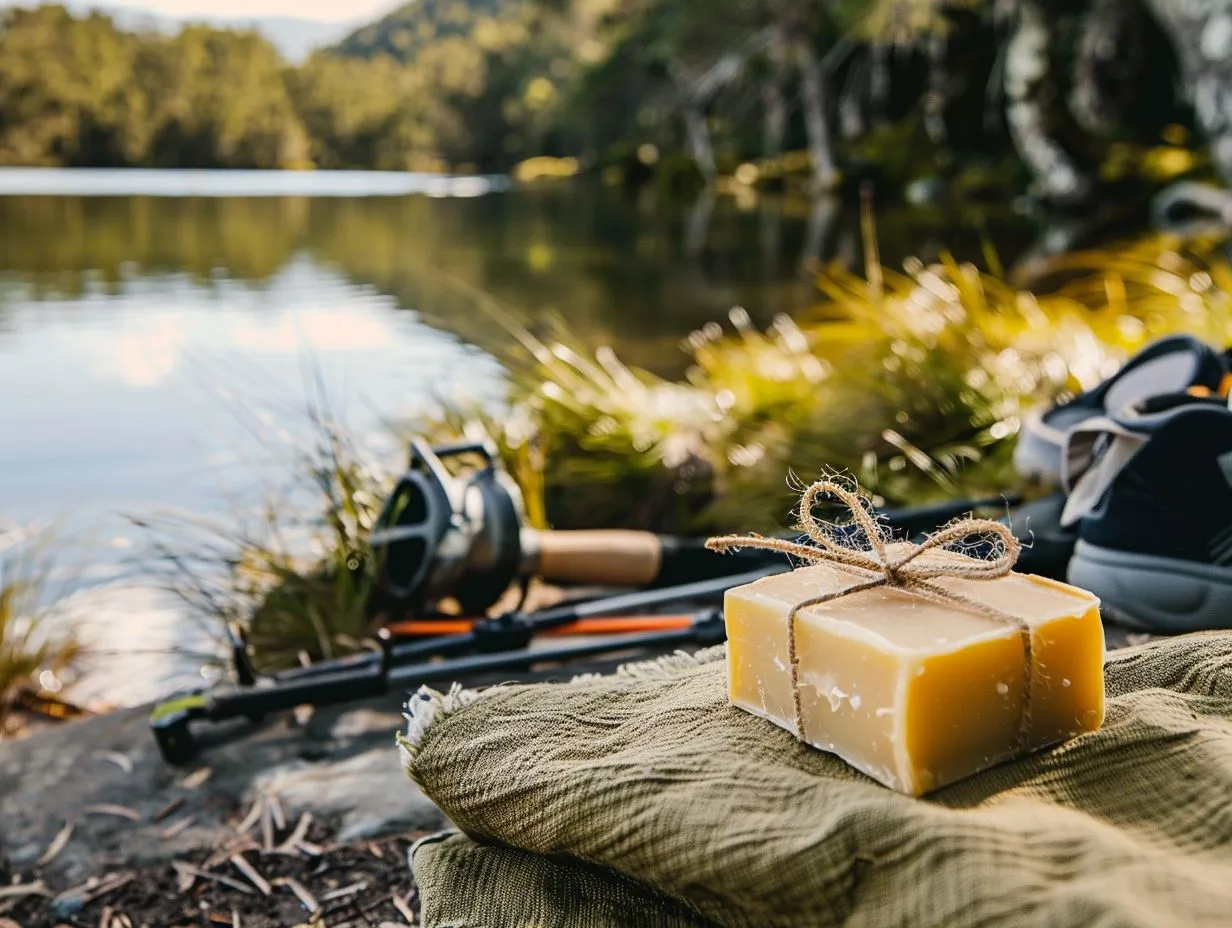
Switching to solid toiletries removes almost all the plastic bottles from your wash bag. A bar of soap does the work of shower gel and hand wash, solid shampoo and conditioner bars replace their bottled versions, and none of it can leak across your rucksack. Bars are lighter, last longer than you expect and come in paper or tin rather than plastic.
Add a bamboo toothbrush and refillable travel containers for anything you cannot get as a bar, and decant from full-size products at home rather than buying miniatures. If you are washing near a stream or on a wild pitch, choose a genuinely gentle, plant-based bar and keep all washing well away from the water. Our guide to the best biodegradable soap for camping covers what to look for and how to use it responsibly.
General kit: buy once, buy well
Away from the kitchen and wash bag, the biggest win is choosing durable gear over cheap plastic that breaks. A tent pole that snaps, a chair that cracks or a torch that dies after one trip becomes landfill and a repeat purchase. Better kit costs more up front and far less over its life, which is the whole point of reducing rather than replacing.
A few habits cover the rest. Keep a bag-for-life and a couple of reusable produce bags in the car for the shop on the way. Carry reusable food bags for snacks and rubbish instead of a roll of plastic ones. Skip disposable barbecues, which are single-use metal and plastic that scorch the ground, in favour of a refillable gas stove or a BBQ you keep. And resist the single-use camping tat, the novelty inflatables and one-weekend gadgets, that ends its life in a bin. For kit built to last, see our rundown of eco-friendly camping gear essentials.
One swap at a time
You do not need a perfect plastic-free trip to make a difference. Pick one swap for your next trip, make it a habit, then add the next. A refillable bottle and a bag-for-life are the easiest starting points, cost almost nothing, and remove a surprising amount of plastic on their own. Ready to plan the trip itself? Browse and compare sites across the country at our campsite directory.
Frequently asked questions
What is the single easiest way to reduce plastic when camping?
Carry a refillable water bottle and a collapsible water carrier. Fill them from the campsite tap and you replace every plastic bottle you would otherwise buy for the trip. It is the cheapest swap and cuts the most obvious waste straight away.
Is reducing plastic better than recycling it?
Yes. Recycling still uses energy, needs sorting and depends on a facility that will actually take the material, and food-stained plastic often fails. Plastic you never pack creates no waste at all, so cutting it out beats bagging it up to recycle later.
How do I keep food fresh without cling film or foil?
Use beeswax wraps and reusable lidded tubs. Wraps cover bowls and hold sandwiches, tubs store leftovers and decanted ingredients, and both wash and come home with you. A cool box or bag keeps everything chilled without any single-use wrapping.
Are solid toiletries worth it for camping?
Yes. A bar of soap plus solid shampoo and conditioner bars replace several plastic bottles, weigh less and cannot leak in your bag. Pair them with a bamboo toothbrush and refillable containers to clear almost all the plastic from your wash bag.
What should I use instead of a disposable barbecue?
A refillable gas stove or a reusable barbecue you keep and clean. Disposable barbecues are single-use metal and plastic that scorch the ground and go straight in the bin. A proper stove lasts for years and is cheaper over its life.
Do I have to swap everything at once?
No. Change one thing per trip, make it stick, then add the next. Starting with a refillable bottle and a bag-for-life removes plenty of plastic for almost no cost, and the habit builds naturally from there without feeling like hard work.
The short version
Cutting plastic on a camping trip is mostly about not buying it: refill your water, wrap food in tubs and beeswax, eat off real plates, go solid in the wash bag, and choose gear that lasts. Swap one thing at a time and it sticks. For the wider picture, read our guide to eco-friendly camping practices, then find your pitch at Camping Sites in Britain.