Eco-friendly camping gear essentials: what to buy and what to skip
· Updated
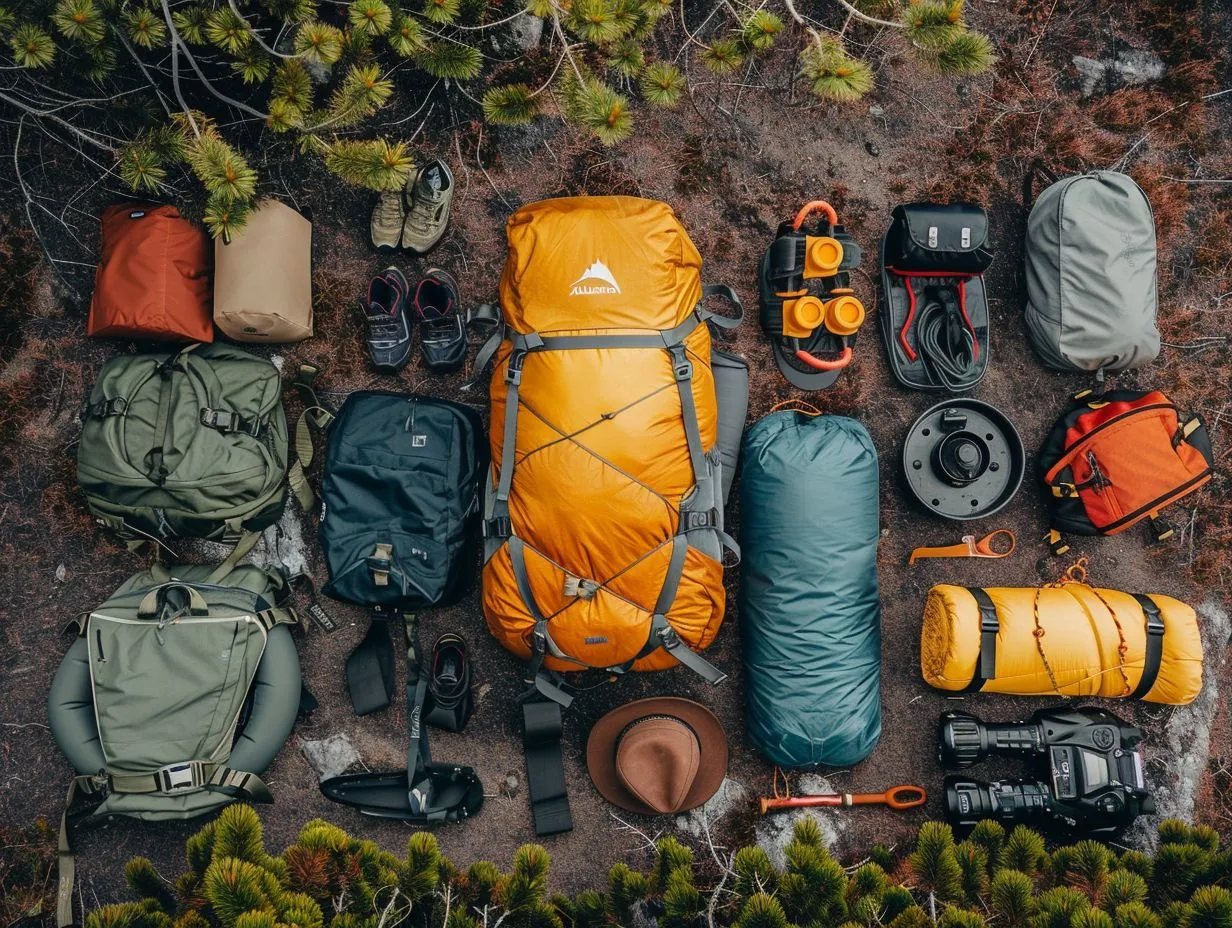
The greenest piece of camping gear you own is the one already in your loft. Every tent, stove and sleeping bag carries the carbon of its manufacture and shipping before it ever reaches a pitch, so the single biggest thing you can do for the planet is not buy a replacement you do not need. Buy less, buy once, buy quality that lasts and can be repaired, and keep the kit you have going for as long as it possibly will.
That is the whole principle, and it beats every clever product claim on this page. Nothing marketed as sustainable is greener than the perfectly good gear you already own. When you genuinely do need something new, then the choices below make a real difference.
This is part of our guide to eco-friendly camping practices, and it sits alongside the rest of Camping Sites in Britain, where you can find and compare campsites, caravan parks and glamping across the UK.
The one rule that beats all the others
Buy less, buy once, and repair before you replace. A tent that lasts 15 seasons has a far smaller footprint than three cheap ones that fail, even if each cheap one claimed to be recycled. Quality and repairability matter more than any single eco-label.
Before any purchase, ask three questions. Do I already own something that does this job? Can I borrow or hire it for the one trip I need it? If I must buy, is it built to be mended rather than binned? Carry a small repair kit (tent-pole splint, fabric tape, a needle and strong thread, spare guy lines) and most gear failures become a five-minute fix at the pitch rather than a trip to the shops.
Shelter and sleep
Choose a durable tent from a maker that offers spare parts and repairs, and you have already made the greenest shelter choice available. Longevity outweighs materials, but the two go together well. Several UK ranges now use recycled polyester flysheets, and many brands, including Vango and Nordisk, have moved to PFC-free (also called PFAS-free) waterproofing, which avoids the "forever chemicals" that older durable water repellent coatings shed into the ground and water.
Look for a tent you can actually fix: replaceable poles, a flysheet sold separately, and a maker that stocks spares. Nordisk works a lot in organic cotton that outlasts cheap synthetics, and recycled-polyester options cut the virgin plastic without giving up weather protection. For sleep, a good sleeping bag and mat looked after (stored loose, not compressed, and dried fully after every trip) will outlast several budget replacements. That care is the eco win, not the label on the stuff sack.
Cooking
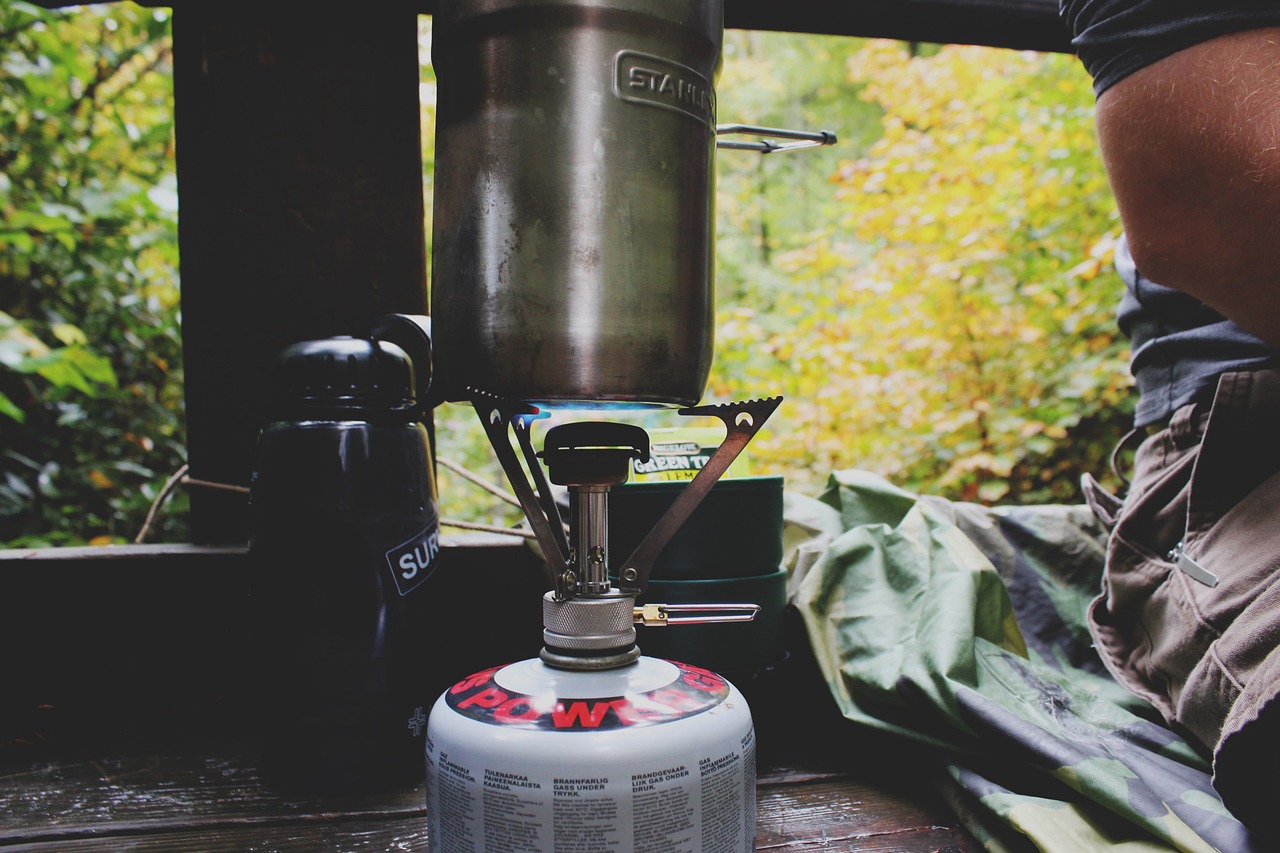
Cook on a refillable gas stove or a wood-burning stove and eat off reusable plates and cutlery, and you cut almost all the waste a camp kitchen produces. The one thing to skip outright is the disposable barbecue. They scorch the ground, cannot be recycled, cause wildfires and injuries every summer, and several UK retailers and national parks have already stopped selling or allowing them.
A refillable gas system beats screw-on canisters you throw away, and a small wood stove burns fuel you gather on site. Pack a set of hard-wearing plates, bowls, mugs and cutlery you will keep for years, in stainless steel, bamboo or tough plastic, rather than anything single-use. A cloth and a scrap of biodegradable washing-up liquid handles the clean-up without any throwaway packaging.
Power and light
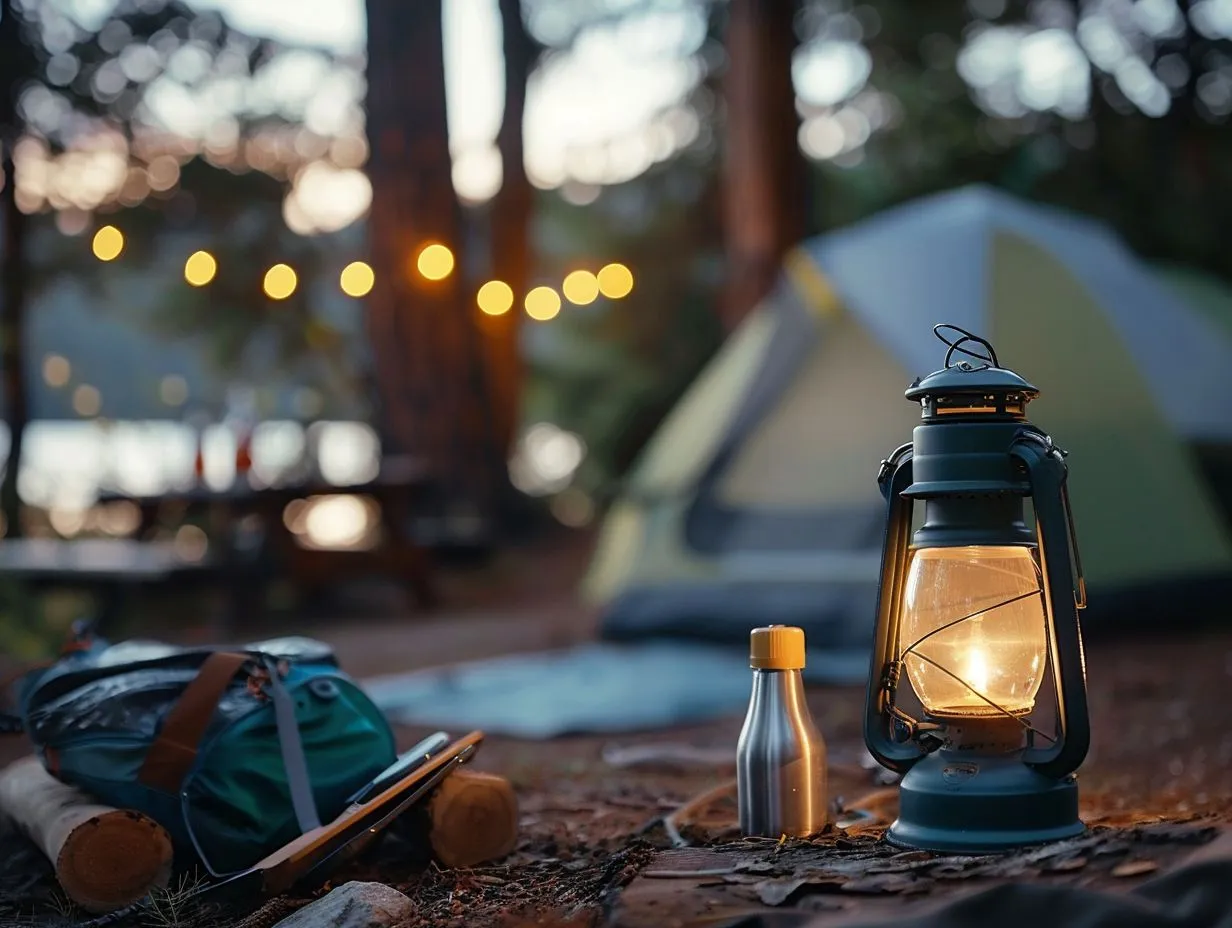
Use solar panels, a rechargeable power bank and rechargeable lanterns instead of single-use batteries and disposable lights. Disposable batteries are one of the most polluting items a camper carries, and they are easy to design out entirely. A small folding solar panel tops up a power bank through the day, and that bank runs your phone, head torch and lantern for a weekend.
Rechargeable AA and AAA cells cover any older kit that still needs them, and a solar or USB-rechargeable lantern replaces the battery-hungry ones for good. Cutting single-use batteries and plastic-wrapped gadgets is one of the quickest wins there is, and it links straight to reducing plastic use on camping trips.
Toiletries and cleaning
Switch to solid soap bars, a biodegradable all-purpose wash and a bamboo toothbrush, and your wash bag stops generating plastic waste almost overnight. Solid shampoo and soap bars come without bottles, last a long time and cannot spill in your pack. A single concentrated biodegradable soap handles body, hair and dishes on most trips.
Biodegradable does not mean you can wash directly in a stream, so keep all washing at least 30 metres from any watercourse and let the ground filter the water. For which products genuinely break down and how to use them properly, see our guide to the best biodegradable soap for camping.
Clothing
Buy natural or recycled fibres with PFC-free waterproofing, buy second-hand where you can, and repair what you already own. A jacket re-proofed and patched keeps far more carbon out of the air than a new "sustainable" one bought to replace it. Wool, organic cotton and recycled synthetics all do the job, and PFC-free (PFAS-free) durable water repellent now performs well enough for British weather.
The used market for outdoor clothing is excellent, so charity shops, marketplace listings and brand resale schemes are the first place to look. When something wears out, re-proof, re-stitch or send it to a brand repair service before you write it off.
The everyday essentials
A refillable water bottle, a reusable water carrier, reusable food bags and a proper first aid kit cover the small stuff without a scrap of single-use tat. A sturdy stainless steel or hard plastic bottle you keep for years replaces a stream of throwaway ones, and a collapsible carrier saves trips to the tap.
Reusable silicone or fabric food bags and a few solid containers keep food fresh without cling film. Pack a decent first aid kit and refill it rather than buying new, and skip the novelty single-use gadgets. If it is used once and binned, you almost certainly do not need it.
Certifications worth trusting
A handful of independent certifications tell you a product's green claims have been checked by someone other than its marketing team. These are the ones worth looking for on a label.
| Look for | What it tells you |
|---|---|
| bluesign | The fabric was made under strict controls on harmful chemicals, water and worker safety across the whole supply chain. |
| Fair Wear Foundation | The brand is audited on labour conditions and fair pay in the factories that make its clothing. |
| Recycled content (GRS) | A verified percentage of the material is genuinely recycled, not just claimed. |
| PFC-free / PFAS-free | The waterproofing avoids "forever chemicals" that persist in soil and water. |
No single label makes a product perfect, but a bluesign or Fair Wear mark, a stated recycled percentage and PFC-free waterproofing together are a good sign the claims are real. You can check what the schemes actually verify on the bluesign and Fair Wear Foundation sites.
Borrow, hire and buy second-hand
For anything you use rarely, hiring or borrowing beats buying, and for anything you use often, second-hand beats new. A festival tent, a family sleeping bag for a one-off trip or a stove for a single expedition rarely justifies a new purchase. Hire shops, gear libraries and friends cover the occasional need, and the used market covers most of the rest.
This is where the "buy less" rule pays off most. Every item you borrow instead of buy is a whole product's worth of carbon and materials avoided, and it usually saves you money too.
The greener-kit checklist
Run through this before your next trip, in order. The top of the list saves far more than the bottom.
- Use what you own. Repair and re-proof before you replace anything.
- Borrow or hire anything you will only use once or twice.
- Tent: durable, repairable, recycled fabric and PFC-free waterproofing if buying new.
- Cooking: refillable gas or wood stove, reusable plates and cutlery, no disposable barbecues.
- Power: solar panel, power bank and rechargeable lanterns, no single-use batteries.
- Toiletries: solid soap bars, biodegradable wash, bamboo brushes.
- Clothing: natural or recycled fibres, PFC-free waterproofs, second-hand first.
- Essentials: refillable bottle and carrier, reusable food bags, a refillable first aid kit.
- Certifications: look for bluesign, Fair Wear and stated recycled content.
Once your kit is sorted, the other half of camping greener is where and how you pitch. Our guide to how to choose eco-friendly camping sites covers that, and you can find sites across the UK in our campsite directory.
Frequently asked questions
What is the most eco-friendly camping gear?
The gear you already own. No new product, however sustainable its marketing, has a smaller footprint than kit you keep, repair and reuse. The greenest purchase is the one you avoid by borrowing, hiring or fixing what you have.
Are recycled-polyester tents actually better for the environment?
They cut the virgin plastic used, which helps, but durability matters more. A recycled tent that lasts one season is worse than a well-made one you keep for ten. Buy for longevity and repairability first, recycled content second.
What does PFC-free or PFAS-free waterproofing mean?
It means the durable water repellent coating avoids per- and polyfluorinated chemicals, the "forever chemicals" that do not break down and build up in soil, water and wildlife. Brands including Vango and Nordisk now use PFC-free coatings that perform well in British weather.
Which eco-certifications should I look for?
bluesign for chemical and supply-chain controls, Fair Wear Foundation for labour standards, a stated recycled percentage (ideally GRS-certified) for materials, and a clear PFC-free or PFAS-free claim for waterproofing. Together they show the green claims have been independently checked.
Why should I avoid disposable barbecues?
They scorch the ground, cannot be recycled, cause wildfires and burns every summer, and many UK retailers and national parks have stopped selling or allowing them. A refillable gas or wood stove does the job with none of the harm.
Is it cheaper to camp sustainably?
Usually, yes. Buying less, buying quality once, borrowing rarely-used items and choosing refillable over disposable all save money over time. The upfront cost of good gear is higher, but it lasts and rarely needs replacing.
The short version
The greenest camping kit is the kit you already own, so buy less, buy once, and repair before you replace. When you do need something new, choose durable, recyclable and repairable gear with PFC-free waterproofing and a trustworthy certification, and skip anything single-use. For the wider picture, head back to our guide to eco-friendly camping practices.