The Best Biodegradable Soap for Camping (and How to Use It)
· Updated
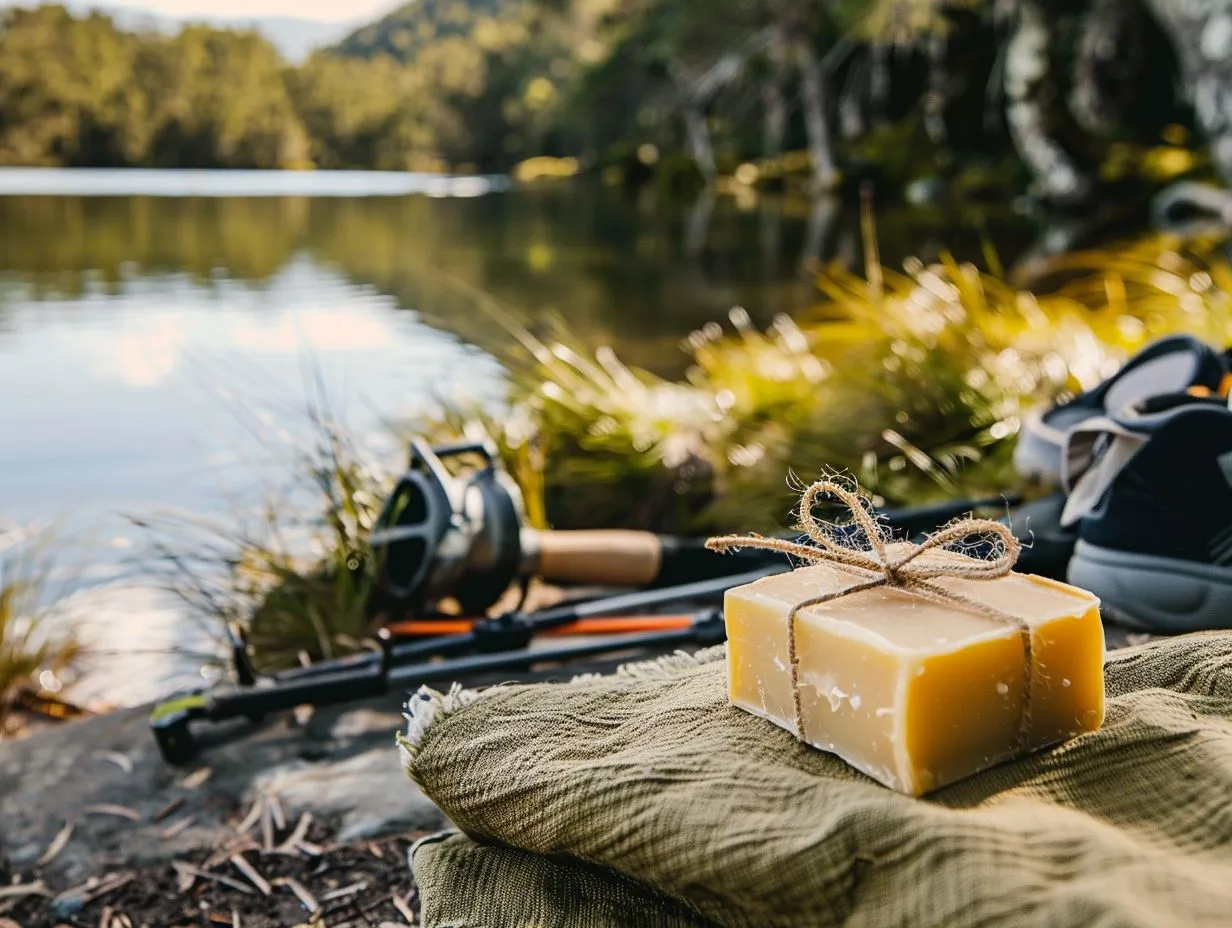
The best biodegradable soap for camping is a concentrated, phosphate-free, multi-use wash such as Dr Bronner's castile soap, Sea to Summit Wilderness Wash or a plastic-free bar. It cleans your body, hair, dishes and clothes with a tiny amount, and it breaks down naturally in soil. That last part matters, because there is one thing "biodegradable" does not mean.
Biodegradable does not mean you can lather up in a river or lake. Even biodegradable soap harms aquatic life, feeding algae and coating the gills of fish and invertebrates before it has any chance to break down. It only degrades properly once soil microbes get to work on it, so you wash on land, well away from open water, and let the ground do the filtering.
This guide is part of our advice on eco-friendly camping practices here at Camping Sites in Britain, where you can find and compare campsites, caravan parks and glamping across the UK.
Why biodegradable soap still has to stay away from water
Biodegradable means the soap will break down into harmless components, but only in the right conditions and only over time. Those conditions are soil, oxygen and microbes, not the cold, low-nutrient water of a lake or stream. Tip it straight into a river and it behaves like any other pollutant while it lingers.
The damage is real even with a "green" label. Soap disrupts the surface tension of water and the protective coatings on fish and insects, and the phosphates in some formulas act as a fertiliser that triggers algal blooms and starves the water of oxygen. That is why the Leave No Trace principle on waste tells you to keep all washing at least 60 metres from any water source.
Sixty metres is roughly 70 adult steps, or a distance where you can barely hear the water. Some guidance quotes 30 metres as a minimum, but further is always better. Carry the water you need away from the bank, wash there, and let the soil filter your grey water long before it works its way back to the stream.
Types of camping soap, with real examples
There are three formats worth packing, and the right one depends on how much you carry and how many jobs you want one bottle to do. All of them can be genuinely biodegradable, so read the format first and the label second.
| Type | Best for | Examples |
|---|---|---|
| Concentrated all-in-one liquid | Doing everything with one bottle | Dr Bronner's castile soap, Sea to Summit Wilderness Wash, Pyramid or Nikwax travel soap |
| Solid soap and shampoo bars | Light packing, no spills, air travel | Plastic-free bars and shampoo bars from most eco brands |
| Biodegradable washing-up liquid | Dish duty at a pitch or campervan | Ecover, Bio-D and similar plant-based ranges |
Concentrated all-in-one camp soaps
A single concentrated soap can replace four or five bottles. Dr Bronner's castile soap is the classic: one liquid that does body, hair, dishes and clothes, and you only need a few drops per job. Sea to Summit Wilderness Wash is another proper camp staple, and Pyramid and Nikwax both make compact travel soaps aimed at walkers and paddlers.
These earn their place because they are concentrated. A small bottle lasts a long trip, which cuts both weight and packaging. Decant into a tiny reusable bottle rather than carrying the full size, and you will barely notice it in the pack.
Solid soap bars and shampoo bars
Solid bars are the simplest low-impact option: no plastic bottle, nothing to leak over your sleeping bag, and they sail through airport security because they are not a liquid. A body bar and a shampoo bar in a small tin will keep you clean for a fortnight and weigh almost nothing.
Bars also help you use less by design. You rub the bar, not squeeze a pump, so it is harder to overdose. Let it dry between uses in a draining soap tin so it does not turn to mush at the bottom of your washbag.
Biodegradable washing-up liquids
If your main job is dishes, a dedicated plant-based washing-up liquid such as Ecover or Bio-D does it well and rinses clean with very little. These are handy for campervan and caravan trips where you have a proper washing-up bowl, and they still count as grey water that belongs on land, not down a drain into a watercourse.
What to look for on the label
Four things separate a good camp soap from a marketing claim. Check them in order and you will not go far wrong.
- Genuinely biodegradable and phosphate-free. Look for a stated biodegradability standard and a phosphate-free claim, not just a green leaf on the bottle.
- Concentrated. The more concentrated it is, the less you pack and the less you use per wash. A little should go a long way.
- Multi-use. One soap for body, hair, dishes and clothes saves you carrying several bottles and cuts your overall packaging.
- Plastic-free packaging. A bar, a refillable bottle or cardboard beats single-use plastic every time. This ties straight into reducing plastic use on your trips.
Fragrance is a personal call. Unscented is kinder to sensitive skin and slightly less likely to interest wildlife around your pitch, though scent has no bearing on how well the soap breaks down.
How to use biodegradable soap responsibly
The soap is only half the job; how you use it decides your impact. The rule is simple: keep the soap out of open water and let the ground deal with it. Here is the routine that does that.
- Carry water away from the source. Fill a bowl or pot and walk at least 60 metres from any river, lake or stream before you wash anything, yourself included.
- Use only a little. A few drops or a quick rub of a bar is plenty. More soap means more to rinse and more to filter through the soil.
- Scrape dishes first. Get leftover food off plates and pans before washing, then pack the scraps out with your rubbish so you are not washing solids into the ground.
- Scatter grey water widely. Fling the used water in a broad arc over soil or leaf litter rather than pouring it in one spot, so soil microbes break it down fast.
Good soap habits are part of a tidy pitch generally, so it is worth pairing this with our advice on keeping your campsite clean and choosing the right eco-friendly camping gear before you set off. When you are ready to book, browse pitches across the country in our campsite directory.
Frequently asked questions
Can you use biodegradable soap in a river or lake?
No. Biodegradable soap only breaks down properly in soil, and in water it still harms fish and aquatic insects. Wash on land at least 60 metres from any river, lake or stream and let the ground filter the grey water.
How far from water should you wash when camping?
At least 60 metres, which is about 70 adult steps. That is the Leave No Trace standard for all washing and toileting. Thirty metres is an absolute minimum, but the further away you are, the better the soil filters your grey water.
Is Dr Bronner's soap good for camping?
Yes. Dr Bronner's castile soap is concentrated, biodegradable and multi-use, cleaning body, hair, dishes and clothes from one bottle. Use only a few drops and keep it well away from open water like any other camp soap.
Does biodegradable soap need to be rinsed off?
Yes, rinse yourself, dishes and clothes with the water you carried away from the source, not in the water itself. Use only a little soap so there is less to rinse, then scatter the grey water widely over soil.
What is the difference between biodegradable and eco-friendly soap?
Biodegradable describes what happens after use, meaning the soap breaks down naturally in soil. Eco-friendly is a broader label that can also cover ingredients and packaging. Check for a phosphate-free formula and plastic-free packaging as well as the biodegradable claim.
Can biodegradable soap wash dishes, clothes and hair?
Yes, that is the point of a concentrated all-in-one soap. Dr Bronner's, Sea to Summit Wilderness Wash and similar camp soaps handle body, hair, dishes and clothes, which saves you carrying several bottles and cuts packaging.
The short version
Pack a concentrated, phosphate-free, multi-use soap, a Dr Bronner's or a plastic-free bar, and use a tiny amount. Whatever the label says, never wash in a river or lake: carry water at least 60 metres away, scatter the grey water over soil, and let the ground do the rest. For more on treading lightly, head back to our guide to eco-friendly camping practices.