
How to Keep Your Campsite Clean: Tips for a Tidy Pitch
· Updated
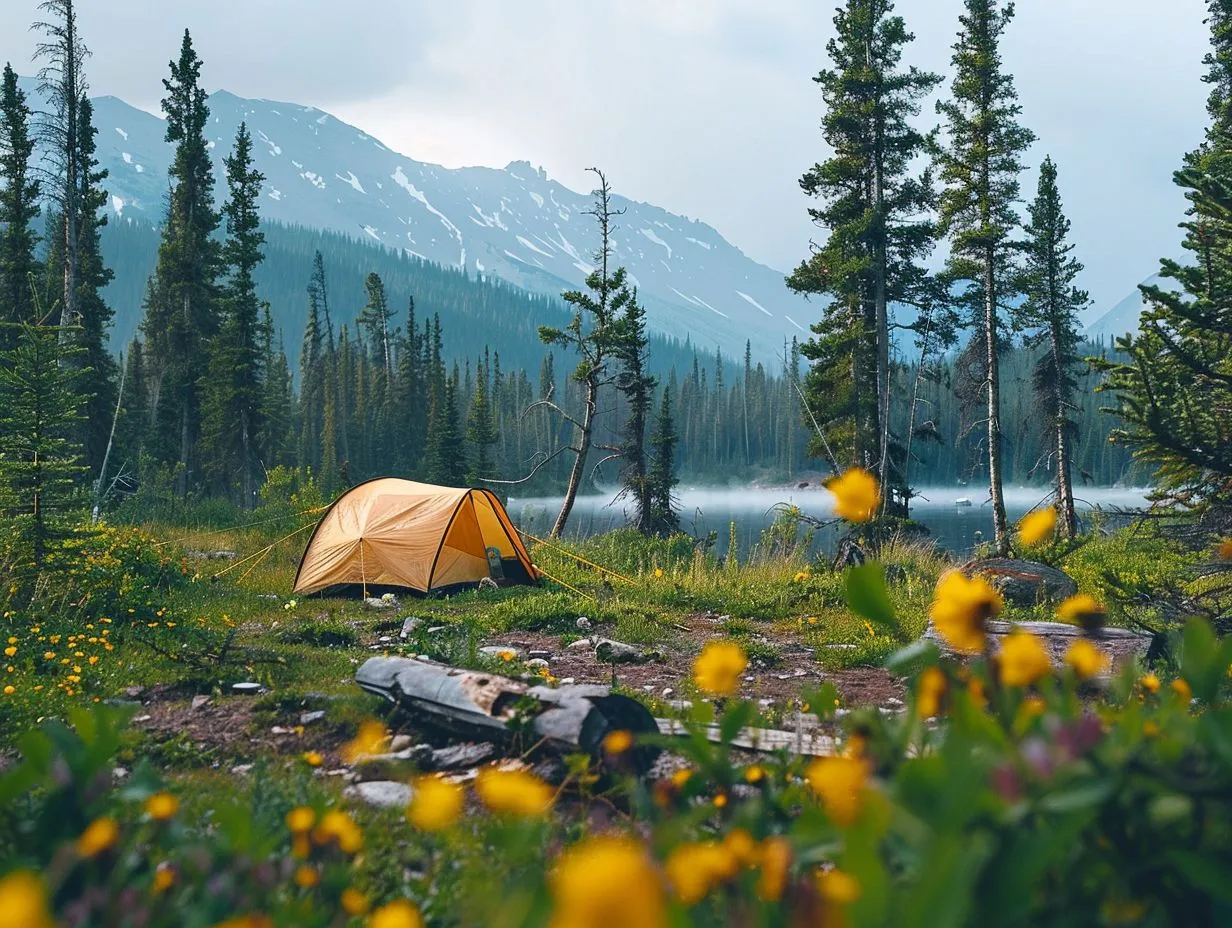
A clean campsite comes down to one habit: give everything a home and put it back the moment you finish with it. Do that, keep your rubbish bagged and your washing up under control, and a tidy pitch takes about five minutes a day rather than a frantic hour on packing morning.
This is the hands-on version. If you want the bigger picture of low-waste, low-impact camping, that sits in our guide to eco-friendly camping practices. Here we stay practical: storage, bins, dishes, food, the tent and the toilet block, plus a daily routine that keeps mess from ever building up.
It is the tidy-pitch guide from Camping Sites in Britain, where you can find and compare campsites, caravan parks and glamping across the UK. For the ethics behind it all, our companion piece on Leave No Trace camping covers the principles; this page covers the doing.
Give everything a home
Clutter is the root of almost every messy pitch, so decide where each thing lives before you unpack. A camp that has a spot for the stove, a spot for shoes and a spot for the head torches never ends up with kit trodden into the grass or lost under a groundsheet.
Set up a "boot room" area first: a spare groundsheet, an old doormat or a cheap outdoor rug just inside the tent door or under the awning, where wet boots, waterproofs and muddy kit stay in one place. It keeps the dirt in a single zone instead of spread across your sleeping area.
Storage tubs do the heavy lifting for everything else. A couple of stackable plastic crates with lids keep food, cookware and odds and ends dry, off the ground and away from rain, dew and passing paws. Label them or colour-code them so anyone in the group can find the tea bags without emptying three boxes.
For the small stuff that vanishes, a hanging organiser or a shoe tidy looped over a tent pole or the awning frame is brilliant. Phones, chargers, sun cream, matches, keys and first aid all get a pocket at eye level, which means fewer things on the floor and fewer things lost.
Sort your rubbish and recycling
Bring bags before you bring anything else. Pack at least two: one bin bag for general waste and a separate bag or reusable sack for recycling, so you are not sorting a sticky heap on the last morning. A couple of spare bags and a roll of tape cost almost nothing and save the whole trip.
Hang or clip the bags somewhere sealed and off the ground. Most UK sites have communal bins and recycling points near the amenities block, so empty your bags there daily rather than letting them fill and split. If your pitch is remote or the site asks you to, take everything home and dispose of it there. Never bury or burn rubbish, and never leave a single wrapper behind.
Secure the bags overnight. Foxes, badgers, crows and gulls will happily tear open a bin bag left out, scattering the contents across your pitch and the ones next door. Knot bags tightly, keep them inside a crate with a lid, or stash them in the car boot until morning. Tidy rubbish is as much about wildlife as it is about looks, and it links straight to running a proper zero-waste camping trip where there is barely any rubbish to manage in the first place.
Keep washing up under control
The washing-up pile is where a tidy camp usually falls apart, so build a quick system and stick to it after every meal. Wash up straight after eating, while the pans are still warm, rather than letting crusted plates stack up and attract flies and wasps.
A collapsible washing-up bowl is the key bit of kit. It gives you a contained volume of water instead of a running tap, packs flat, and lets you carry the grey water to the right place afterwards. Heat water on the stove or from the site's hot supply, and use a small amount of biodegradable soap rather than ordinary washing-up liquid.
Scrape first, wash second. Get every food scrap off the plates and into your bin before the dishes go near the bowl, so you are not tipping fat, rice and beans down a drain or onto the ground. Wash, rinse, then dry with a quick-dry microfibre cloth so nothing sits damp and smelly in a crate overnight.
Keep soap and grey water well away from streams, rivers and lakes. Even biodegradable products should not go straight into a watercourse, so use the site's designated washing-up sinks and grey-water drains where they exist. Our guide to the best biodegradable soap covers which products actually break down and how little you need.
Store food so it never makes a mess
Sealed containers are the single best defence against both mess and pests. Move food out of flimsy packaging and into lidded tubs or resealable boxes as soon as you arrive, so nothing spills, nothing tears open and nothing sends out a smell that draws in ants, mice, wasps and foxes.
Keep the food crate closed between meals and off the ground. A cool box or coolbag handles anything that spoils, and it stops warm, smelly food scenting the whole pitch. Wipe down your cooking and eating surfaces after every meal, because crumbs and spills are what turn a clean table into an insect magnet by teatime.
Never keep food loose in the tent. Even a packet of biscuits in the porch is an invitation to rodents overnight. Store everything in the car or a sealed crate away from where you sleep, and you sidestep most of the wildlife problems that make a pitch feel grubby.
Keep the tent clean
Most tent mess is just dirt walked in, so stop it at the door. A shoes-off rule plus a doormat or offcut of rug at the entrance keeps mud, grass and grit out of your living and sleeping space, which is far easier than cleaning it out later.
Sweep the tent out daily with a small dustpan and brush or a folding camp broom. Two minutes clears the grit that would otherwise grind into the groundsheet and get into sleeping bags. Shake the groundsheet and doormat outside while you are at it.
Air your bedding every morning when the weather allows. Unzip sleeping bags and drape them over a chair or line so overnight moisture dries off, which keeps them fresh and stops that damp, musty smell building up over a long trip. Leave the tent doors and vents open on dry days to let condensation clear.
Use the toilet and grey-water points properly
On a managed site, cleanliness at the amenities block is part of keeping your own pitch clean, so use the facilities as intended and leave them as you found them. Take grey water from your washing-up bowl to the designated waste point or gully, never tip it on your pitch or into a hedge, and rinse the sink after you use it.
If you are using a chemical toilet, empty it only at the marked chemical disposal point (often signed CDP), not in the toilet block or an ordinary drain. Wash your hands, close bins, and give shared showers and sinks a quick wipe so the next camper walks into the same tidy space you would want. Good manners at the block keeps the whole site pleasant, not just your corner of it.
Leave your pitch cleaner than you found it
Aim to hand back a pitch with no sign you were ever there, then go one better and pick up what someone else left. Before you strike the tent, walk a slow circle of the whole pitch and collect every tent peg, guy line, bottle top, wrapper and scrap, because small litter hides easily in long grass.
Check the fire area if you had one, remove any tape or pegs from trees, and lift the groundsheet to sweep up anything trapped underneath. A final lap with a bin bag takes five minutes and is the difference between a pitch the warden is glad to see and one they have to clean. It is the most visible part of the wider Leave No Trace camping habit.
A simple daily tidy routine
The trick is little and often, not one big clean-up. Fold these quick jobs into the natural rhythm of the day and mess never gets the chance to pile up.
| When | Quick jobs |
|---|---|
| Morning | Air the bedding, sweep the tent, wipe surfaces, air out the tent |
| After each meal | Scrape plates, wash up straight away, bag scraps, wipe the table |
| Evening | Return everything to its crate, take bags to the site bins, secure food and rubbish |
| Packing morning | Walk the pitch, collect every scrap and peg, sweep under the groundsheet, empty grey water at the waste point |
Planning a trip and want somewhere that keeps its facilities as tidy as you keep your pitch? Browse and compare sites in our campsite directory and check the reviews for how clean the amenities are.
Frequently asked questions
What is the easiest way to keep a campsite tidy?
Give every item a fixed home in a labelled crate and put it back the moment you finish with it. A shoes-off rule, a daily sweep and washing up straight after meals stop mess building, so tidying takes minutes rather than an hour on the last day.
What should I do with my rubbish while camping?
Bag general waste and recycling separately, then empty the bags into the site's bins and recycling points daily. On remote pitches, take everything home. Never bury, burn or leave litter, and secure bags overnight so foxes, badgers and gulls cannot raid them.
How do I wash up without making a mess?
Scrape all food scraps into the bin first, then wash in a collapsible bowl with hot water and a little biodegradable soap. Empty the grey water at the site's waste point, well away from any stream or lake, and dry everything with a quick-dry cloth.
How do I keep animals and insects away from my pitch?
Store all food in sealed containers off the ground, ideally in a cool box or the car, never loose in the tent. Wipe up crumbs and spills after every meal and knot your rubbish bags tightly. Remove the food smells and you remove most of the visitors.
Can I use normal washing-up liquid when camping?
Use biodegradable soap instead. Ordinary washing-up liquid contains chemicals that harm aquatic life if grey water reaches a watercourse. Even biodegradable products should go down the site's waste point rather than straight into a stream, river or lake.
What does leaving a pitch cleaner than you found it mean?
It means removing every trace of your stay, then picking up anything a previous camper missed. Walk the pitch before you leave, collect all litter, pegs and guy lines, sweep under the groundsheet and hand back a spot the next camper would be glad to pitch on.
The short version
A clean camp is a habit, not a chore: a home for everything, bags for rubbish and recycling, washing up done straight away, food sealed and the pitch left spotless. Build the daily routine above into your trip and the tidiness looks after itself. For the wider approach to low-impact camping, read our guide to eco-friendly camping practices, or start planning at Camping Sites in Britain.