The Best Camping Hammocks for Sleeping Between Trees in the UK
· Updated
A camping hammock on its own will not get you through a British night. What you actually sleep in is a system: the hammock, a pair of wide tree straps, a tarp over the top for the rain that will arrive, insulation underneath because your back gets cold before anything else does, and a bug net for the midges. Buy the hammock as part of that kit and you sleep well. Buy the hammock alone and you spend the night cold, damp and awake.
So the best camping hammock for tree camping is the one that comes ready to take a tarp, an underquilt and a net, rated well above your loaded body weight, and hung between two healthy trees with straps that will not strip the bark. Get those choices right and a hammock beats a tent on rocky, sloping or waterlogged ground every time.
This is part of the complete UK camping gear guide from Camping Sites in Britain, where you can find and compare woodland campsites, caravan parks and glamping across the UK.
The full setup: what you actually need
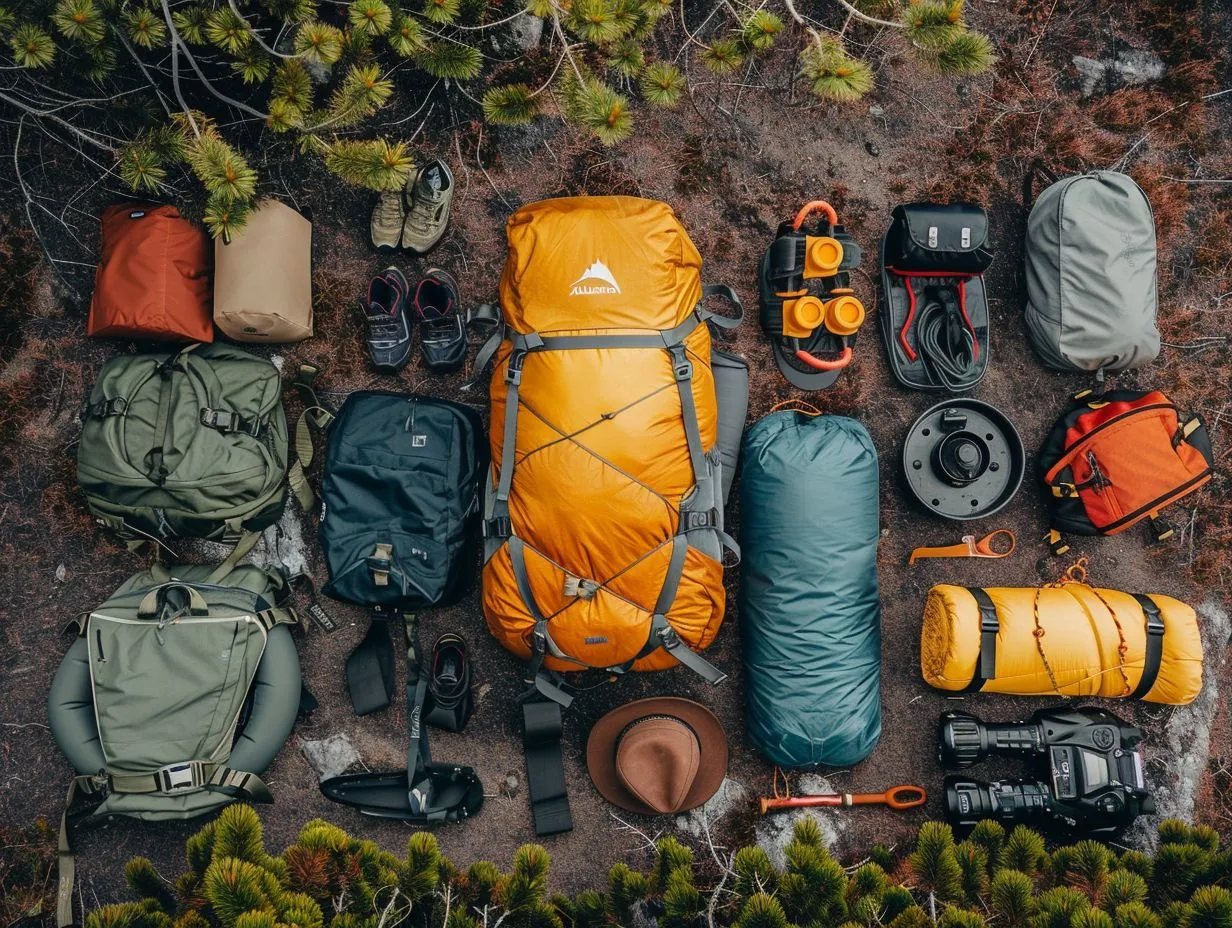
Five things turn a hammock into a shelter you can sleep in. Miss one and the trip suffers. Here is the complete kit and what each part is for.
| Component | What it does | Do not skip if |
|---|---|---|
| Hammock body | The bed itself, usually ripstop nylon | Ever |
| Wide tree straps | Spread the load and protect the bark; 25mm or wider | Always, this is not optional |
| Tarp | Keeps the rain off you and your gear | You are camping in Britain |
| Underquilt or sleeping mat | Insulates your underside, which a sleeping bag cannot | The temperature drops below about 18C |
| Bug net | Keeps midges and mosquitoes out | Camping near water, or May to September |
Some hammocks come with an integrated net and are cut ready for a separate tarp and underquilt, which is the simplest way to buy. Others are a bare hammock you build a system around. Both work. A tarp is the one thing beginners leave at home and regret, so treat it as essential, not an upgrade. Our guide to the best tarp setups for camping covers the diamond and full-coverage pitches that suit a hammock.
Single or double?
Buy a double even if you always sleep alone. A double hammock gives one person far more room to lie at a diagonal, which is the whole trick to lying flat and comfortable, and it weighs only a little more than a single. A single hammock is tighter, lighter and fine for a packed-down thru-hike, but for most UK trips the extra fabric of a double is worth carrying.
A true two-person hammock is a different thing again. Two adults in one hammock roll into the middle and squash together all night, so most couples who hammock camp carry two separate hammocks rather than share. Use "double" to mean a roomy one-person bed, not a shared one.
The hang: the 30-degree rule and a ridgeline
Hang the straps so each one sits at roughly 30 degrees to the ground, not pulled tight and level. A common beginner mistake is stringing the hammock up as tight as a washing line, which squeezes you into a banana shape and leaves the fabric pressing on your shoulders. A gentle sag lets you lie across the diagonal and get an almost flat back.
Aim for trees around 3.5 to 4.5 metres apart, with the fabric hanging so the lowest point sits about 45cm off the ground, roughly chair height for easy getting in and out. Add a structural ridgeline, a fixed length of cord between the two ends of the hammock, and you get the same comfortable sag every single time regardless of how far apart the trees are. The ridgeline also gives you somewhere to hang a head torch, glasses and a bug net.
Staying warm: your underside is the problem
Insulate underneath before you worry about anything else. When you lie in a hammock your body weight crushes the sleeping bag flat beneath you, so the down or synthetic fill stops trapping air and stops insulating. Cold air then flows freely under the fabric and pulls heat out of your back all night. This catches out everyone on their first cold hammock night.
Two fixes work. An underquilt hangs on the outside of the hammock, underneath you, where nothing compresses it, and it is the warmest and most comfortable option for three-season British camping. A closed-cell foam or inflatable sleeping mat slid inside the hammock is cheaper and doubles as your daytime sit mat, though it can shift around in the night. In a British spring or autumn you want one or the other; on a cold clear night you may want both. Our guide to the best sleeping mats for comfort covers the R-values worth looking for.
Weight ratings: read them and add a margin
Check the rated capacity and leave yourself a clear margin above your loaded weight. Most quality camping hammocks are rated to somewhere between 130kg and 200kg. That figure has to carry you plus your boots, your kit and the shock load when you drop into it, so if you weigh 90kg do not buy a hammock rated to 100kg. The webbing straps and carabiners carry the same load, so match them to the hammock rather than reusing random cord from the shed.
Weight on your back matters too. A single hammock, straps, tarp and net comes in around 1 to 1.5kg, lighter than most one-person tents, which is part of why hammocks suit long-distance walkers. If you are counting grams, our guide to the best lightweight camping gear shows where to trim without losing the parts that keep you dry and warm.
Tree care and leave no trace
Use wide webbing straps and never rope, cord or bare paracord. Thin cord bites into the bark under load and can ring-bark and kill a tree over time, which is exactly the damage that gets hammocks banned from woodland. Straps of at least 25mm spread the load so they leave the tree unharmed.
Pick living, healthy trees at least the width of your thigh, roughly 15cm across or more, and never a dead, leaning or shallow-rooted one. Hang your straps above any obvious wear points, take everything down when you leave, and follow the wider Countryside Code and Leave No Trace: no fires against trunks, pack out all rubbish, and leave the spot so the next person cannot tell you were there. Midges love damp woodland, so pack repellent too; our guide to the best insect repellents for campers covers what actually works against them.
Where you can legally hang a hammock in the UK
You need the landowner's permission to hang a hammock almost everywhere in England and Wales. A hammock strung between two trees counts as camping, and there is no general right to camp on land you do not own. The one exception in England is Dartmoor, where the UK Supreme Court confirmed a right to backpack camp on 21 May 2025, subject to the National Park's rules on where and how.
Scotland is more generous. The Land Reform (Scotland) Act 2003 and the Scottish Outdoor Access Code give you a right to wild camp responsibly on most unenclosed land, which includes hanging a hammock, as long as you camp lightly, in small numbers and away from buildings and roads. Loch Lomond and the Trossachs has seasonal permit zones from 1 March to 30 September, so check before you go.
Wherever you are, do not hang in protected woodland without permission. Sites of Special Scientific Interest, ancient woodland, nature reserves and most Forestry England and National Trust land either forbid hammocks outright or require you to ask first, because repeated hanging damages trees and disturbs wildlife. The safe and easy answer is a campsite that welcomes hammocks. You can browse and filter woodland-friendly options across the CSIB campsite directory, including plenty in wooded parts of the Scottish Highlands.
Frequently asked questions
Do I need a tarp for hammock camping in the UK?
Yes. British weather turns quickly and a tarp is the difference between a dry night and a soaked sleeping bag. Pitch it as a diamond for fair weather or pull it low and full-coverage when rain and wind are forecast.
Why do I get cold in a hammock even in a good sleeping bag?
Your body weight compresses the bag's insulation flat underneath you, so it stops trapping warm air and cold air pulls heat from your back. Add an underquilt outside the hammock or a sleeping mat inside to fix it.
How far apart should the trees be?
Around 3.5 to 4.5 metres works for most hammocks. Hang the straps at roughly 30 degrees to the ground rather than tight and level, with the seat about 45cm off the ground so you can get in and out easily.
What weight can a camping hammock hold?
Most quality models are rated between 130kg and 200kg, which must cover you plus your kit and the shock of dropping in. Leave a clear margin above your loaded weight and match the straps and carabiners to the same rating.
Is wild hammock camping legal in England?
Only on Dartmoor, confirmed by the UK Supreme Court in May 2025, and even there under the National Park's rules. Everywhere else in England and Wales you need the landowner's permission. Scotland allows responsible wild camping under its access code.
Will a hammock damage the trees?
Not if you use wide webbing straps of 25mm or more, which spread the load and protect the bark. Thin rope or cord cuts in and can kill a tree, so never use it. Choose healthy trees and take everything down when you leave.
The short version
Buy a roomy double hammock rated well above your loaded weight, and budget for the tree straps, tarp, underquilt and bug net at the same time, because the system is what keeps you dry and warm. Hang it at 30 degrees on healthy trees with wide straps, and only where you have the right to camp. For the wider kit list see the complete UK camping gear guide, read up on why people love it in our guide to the benefits of hammock camping, then find a spot in the CSIB campsite directory.