Camping Mistakes to Avoid: the Pre-Trip Check That Saves Your Weekend
· Updated
Most camping trips that go wrong go wrong before you leave the drive. The tent that has never been out of the bag, the mallet still hanging in the shed, the bin bags nobody packed: these are the mistakes that turn a good weekend into a wet, dark scramble, and nearly all of them are caught by one short check the night before you go.
This guide covers the camping mistakes that catch first-timers and seasoned campers alike, and the pre-departure check that stops them. It is part of our guide to planning your first camping trip, and it sits alongside our full camping checklist for what to pack in the first place.
We are Camping Sites in Britain, where you can find and compare campsites, caravan parks and glamping across the UK. This page is about avoiding the errors. The checklist is about the kit, so use the two together.
The mistakes that happen before you leave home
The most costly mistakes are the ones you cannot fix once you have arrived. Three of them are made in the shed and the garage, days before you pitch a single peg.
Not testing the tent at home. Pitch it once in the garden or a park before the trip. A brand new tent can arrive with a pole missing or a peg bag short, and a tent that has sat in the loft since last summer grows mould, perished shockcord and split seams. You also learn how it goes up while it is dry, light and calm, rather than working it out at a dark, wet pitch with a queue of tired people behind you.
Not counting poles and pegs. Count the pegs against what the tent actually needs, which for a family tent can be 15 to 20 plus guy lines. Pegs are the cheapest thing on the trip and the easiest to lose in long grass, so pack a bag of spares.
Forgetting the mallet and the pump. British ground bakes hard in summer and hides stones you cannot feel by hand, so a mallet is what actually gets pegs in. An airbed or an air tent without its pump is just an awkward groundsheet, and no, you will not manage it by mouth.
Your 10-minute pre-departure check
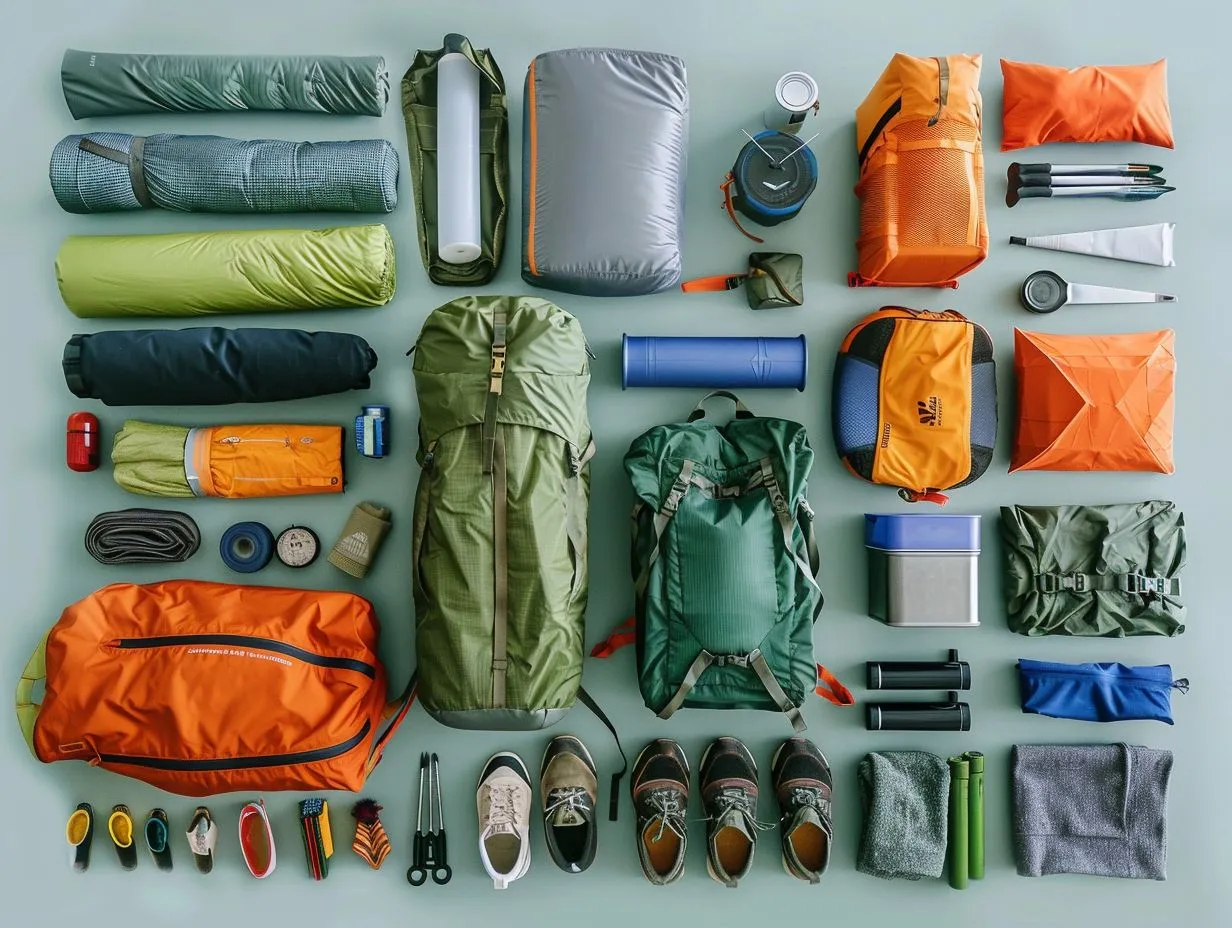
Run this list the night before, not on the morning you leave, so there is still time to buy or borrow anything that is missing. It is a verification pass, not a packing list, so tick off that each thing is present and works.
| Check | Why it matters | Takes |
|---|---|---|
| Pitch the tent once at home | Finds missing poles, split seams and perished elastic while you can still fix it | 15 min, once |
| Count pegs, pack spares | Cheap, easily lost, useless when you are short by four | 2 min |
| Mallet and a peg puller in the bag | Hard ground cannot be pegged by hand, and pulling pegs out at the end is worse | 1 min |
| Pump for the airbed or air tent | No pump means no bed, and with an air tent no shelter either | 1 min |
| A torch or head torch per person, batteries checked | You will arrive, cook or find the loo in the dark | 2 min |
| Several bin bags and a roll of tape | Rubbish, wet kit, a dry seat, and emergency repairs | 1 min |
| Food sealed in hard boxes | Stops wasps by day and mice and foxes by night | 2 min |
| A warm layer and a proper sleeping bag | Nights are colder than the afternoon suggests | 2 min |
| Check the forecast and your arrival time | Pitching in daylight and in the dry beats every alternative | 2 min |
For the full kit that these checks assume you have already packed, work from our camping checklist. If space or weight is tight, our guide to packing light for a camping trip shows what you can safely leave behind, and what you cannot.
Pitching mistakes that ruin the first night
Where and when you pitch matters more than how fast you get the tent up. Two errors here cause most miserable first nights.
Pitching in a dip. Water runs downhill, so the lowest corner of a field is the one that floods when overnight rain arrives. Look at the slope before you commit, picture where the water would go, and choose a slight rise. A flat spot that is fractionally higher than its surroundings stays dry when a hollow turns into a puddle at 3am.
Arriving after dark. Putting a tent up for the first time by torchlight, in the wind, is where trips fall apart before they start. Aim to arrive with at least two hours of daylight in hand, and check the site's arrival and check-in times before you set off, because plenty of campsites shut reception or close the gate in the early evening and will not let you on after that. If you are driving down after work, our tips for a successful car camping trip cover timing the journey so you pitch in the light.
Overnight mistakes: cold, food and rubbish
The discomforts people actually remember are a freezing night and a tent full of wasps. Both are easy to design out.
Underestimating the cold. Even in July, clear nights in upland Britain such as the Lake District, Snowdonia or the Highlands can drop into single figures, and a cheap summer bag rated for 15°C will leave you awake and shivering. Take a warm layer to sleep in, a hat, and a sleeping bag rated a few degrees colder than you expect to need. An insulating mat between you and the ground matters as much as the bag, because most of the cold comes up from below.
Leaving food unsealed. Open packets and unwashed pans draw wasps in daylight and mice and foxes overnight. Seal everything in hard boxes rather than carrier bags, keep the pitch clear of crumbs, and store food in the car overnight rather than in the sleeping compartment.
Packing no bin bags. Bring several. They take rubbish to the bins, hold wet and muddy kit on the way home, double as a groundsheet to kneel on, and line a bag that has started to leak. Walk your rubbish to the site bins before bed rather than leaving it in the porch for something to find.
Quick reference: the mistakes and the fix
| Mistake | What happens | The fix |
|---|---|---|
| Never testing the tent | Missing poles or split seams found at the pitch | Pitch it in the garden once, days before |
| No mallet | Pegs will not go into hard ground | Pack the mallet and a peg puller |
| No pump | No bed, and with an air tent no shelter | Check the pump is in the bag and works |
| Arriving after dark | First pitch in the wind by torchlight | Arrive with two hours of daylight |
| Pitching in a dip | Waking up in a puddle after rain | Pick a slight rise, read the slope |
| Summer sleeping bag only | A cold, sleepless night | Warmer bag, mat, hat and a sleep layer |
| Unsealed food | Wasps by day, mice and foxes by night | Hard boxes, food in the car overnight |
| No bin bags or torch | Rubbish everywhere and nothing in the dark | Head torch each, and several bin bags |
None of this needs to cost much. If you are watching the budget, our guide to camping on a budget shows where to spend and where a supermarket version will do the job just as well. Once the kit and the plan are sorted, browse and compare sites on our campsite listings to find one with facilities and check-in times that suit how you travel.
Frequently asked questions
What is the most common camping mistake?
Not testing the tent at home before the trip. A first pitch on site is where missing poles, split seams and perished elastic get discovered, usually in the wind and often in the dark. Ten minutes in the garden days beforehand removes the risk entirely.
How early should I arrive at a campsite?
Aim to arrive with at least two hours of daylight left, and check the site's arrival and check-in times first. Many campsites close reception or the gate in the early evening and will not admit late arrivals, so a fixed booking with a late-day drive is a common way to get caught out.
Why do I need a mallet for camping?
British ground is often baked hard in summer or full of hidden stone, and tent pegs will not go in by hand. A mallet drives them home, and a peg puller gets them out again without bending them. Both are cheap and both are frequently forgotten.
How cold does camping in the UK get in summer?
Clear nights can fall into single figures even in July, especially in upland areas like the Lake District, Snowdonia and the Highlands. A summer bag rated for 15°C is not enough. Take a warmer bag, an insulating mat and a layer to sleep in.
What should I check the night before a camping trip?
Run the pre-departure check: tent tested, pegs counted with spares, mallet and pump packed, a torch each with fresh batteries, bin bags, food sealed in hard boxes, a warm sleeping bag, and the forecast and arrival time confirmed. It takes about 10 minutes and catches almost everything.
Do I really need to pack bin bags?
Yes, and more than one. They carry rubbish to the bins, hold wet and muddy kit for the journey home, work as a kneeling mat or a dry seat, and line a leaking bag. They weigh nothing and solve several problems at once.
The short version
Test the tent at home, count the pegs, pack the mallet and the pump, and never plan to arrive after dark. Seal your food, take a warmer bag than the day suggests, and throw in a torch each and a handful of bin bags.
Do that 10-minute check the night before and the mistakes on this page simply do not happen. For the wider picture, from choosing kit to booking a first weekend away, read our guide to planning your first camping trip, or start comparing sites on our campsite listings.