Car Camping in the UK: Kit, Pitches and Sleeping in the Car
· Updated
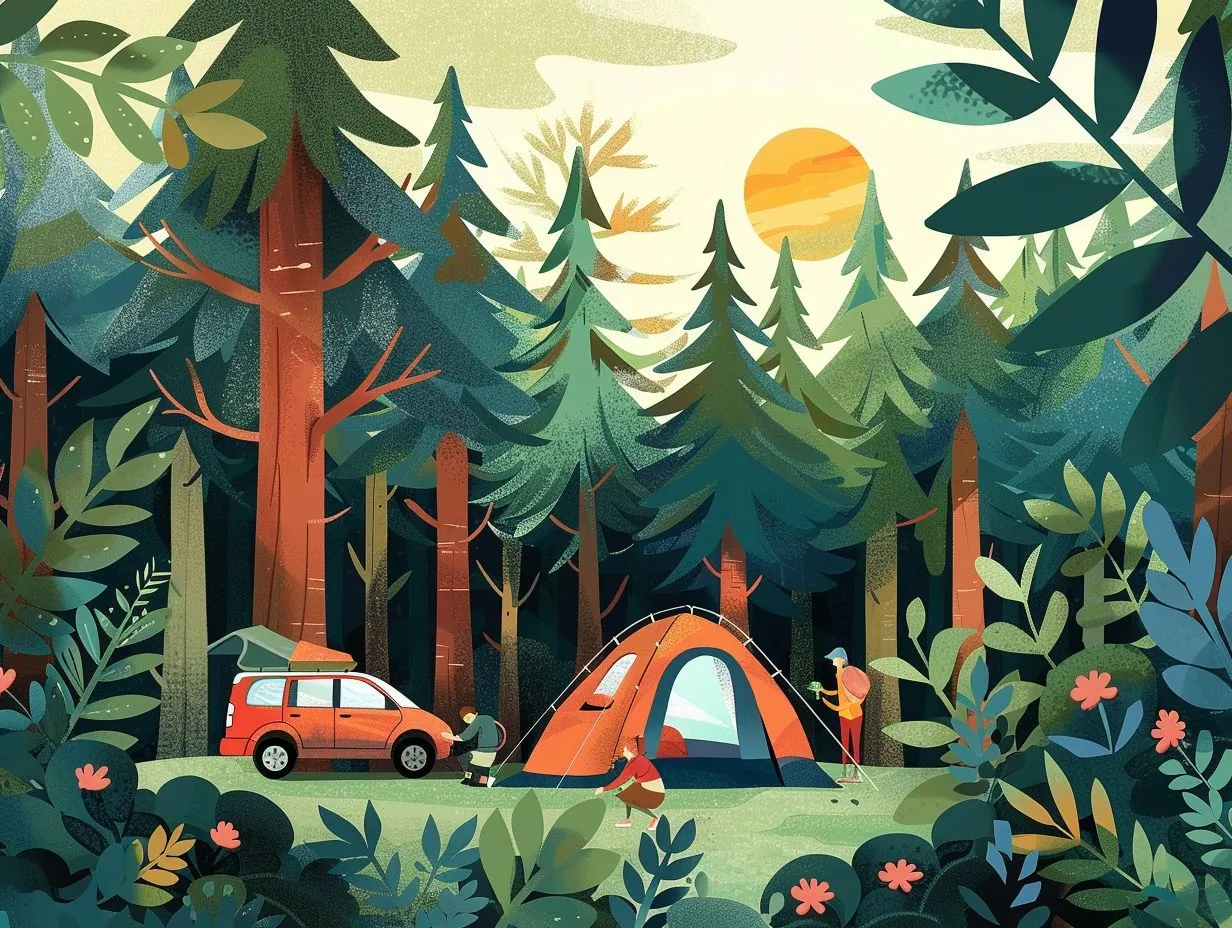
Car camping means you drive to a campsite, park at or beside your pitch, and camp with the car right there. No carrying kit for miles, no counting grams, no leaving the comforts at home. The car is your storage, your windbreak, your dry changing room and, if you fancy it, your bed. It is the easiest, most comfortable way to camp in Britain, and it is how most families start.
Because you are not carrying anything on your back, the whole calculation changes. You can bring the big tent, the proper chairs, the cool box, a second duvet and a folding table, and still have room for the dog. The skill is not in going without; it is in loading the car well, choosing a pitch you can actually park by, and packing kit that earns the space it takes.
This is part of our guide to planning your first camping trip, from Camping Sites in Britain, where you can find and compare campsites, caravan parks and glamping across the UK.
Why car camping beats carrying it all
The big advantage is that comfort no longer costs you a sore back. Everything a backpacker leaves behind to save weight, you get to bring. That single fact reshapes the trip.
- More kit, and better kit. A roomy family tent, a real sleeping system, a two-ring stove, a cool box that keeps milk fresh for three days. Weight is irrelevant when the boot does the carrying.
- Proper comfort. Camp beds or a thick self-inflating mat, folding chairs with backs, a table to cook and eat at, and a change of clothes for every kind of British weather in one trip.
- Shelter and supply runs. The car blocks wind and shades the tent, and if you run low on milk the nearest shop is a five minute drive, not a day's hike.
The trade is that you are tied to sites you can drive onto and park at, which rules out remote wild pitches. For most people, most of the time, that is a fair swap. If you want the freedom without the full backpack, our guide to packing light for a camping trip shows where to trim.
How to pack the car
Load the car in reverse order of need, so the first things you want are the last things in. On a UK campsite you almost always need to pitch the tent before anything else, so the tent, mallet and groundsheet go in last and come out first.
Pack in labelled boxes rather than loose bags. Stackable plastic crates with lids keep gear dry, stop the boot becoming a landslide, and let you carry a whole kitchen or bedroom in one lift. A rough loading order that works for most cars:
| Load last (need first) | Middle of the boot | Load first (need last) |
|---|---|---|
| Tent, poles, pegs, mallet | Cook box: stove, gas, pans, food crate | Sleeping bags and bedding |
| Groundsheet and footprint | Cool box (keep it upright and accessible) | Camp beds or sleeping mats |
| Chairs and folding table | Water containers and washing-up kit | Spare clothes and towels |
Keep a "grab bag" in the cabin with you for the drive: snacks, water, first aid kit, torch, waterproofs and phone chargers. If the boot is full to the parcel shelf and you still have gear, that is the point a roof box earns its keep. We weigh up whether a roof box is worth it for your vehicle if you are close to running out of room. Before you load anything, run the precamping checklist so the mallet and the tent poles both actually make it into the car.
Can you sleep in the car in the UK?
Yes, sleeping in your car is legal in the UK, but where you do it and whether you have had a drink both matter. On a campsite it is entirely down to the site's rules. In a public layby it is a grey area, and if you have been drinking you can be prosecuted even with the engine off.
On a campsite
Most sites are happy for you to sleep in an estate car, a van or a rooftop tent as long as you have booked a pitch, but not all are, and some charge differently for a vehicle you sleep in versus a tent. The Caravan and Motorhome Club and many independent sites have specific pitches for this. Always ring ahead and ask; turning up to sleep in the car on a tent-only pitch can mean being turned away. Browse and filter options on our campsite directory and check the pitch type before you book.
In a layby or car park
There is no single law banning sleeping in a parked car on a public road or layby, but local restrictions bite. Councils use byelaws and Traffic Regulation Orders to ban overnight parking in named laybys, coastal car parks and beauty spots, usually marked with a sign, and ignoring one can bring a fine. A trunk-road layby is for a short rest, not a night's stay, with no facilities or security. A booked pitch is safer and legal without question.
The drink-driving trap
This is the one that catches people out. Under section 5 of the Road Traffic Act 1988 it is an offence to be "drunk in charge" of a vehicle, and you can be over the limit and in charge even when you are asleep in the back with the keys in your pocket and no intention of driving. A conviction carries a fine, penalty points or a driving ban. If you have had a drink at the campsite bar, sleep in the tent, not the car, or make sure the keys are genuinely out of reach and you can show you had no plan to drive. See the official guidance on drink-driving penalties from GOV.UK.
Choosing a car-friendly pitch
Book a pitch you can actually park a car on, because not every campsite lets you keep the vehicle beside the tent. Sites broadly split into three types, and the wording on the booking page tells you which you are getting.
| Pitch type | What it means for the car | Best for |
|---|---|---|
| Pitch-and-park (drive-on) | Car sits on or right beside your pitch | Big loads, families, sleeping in the car |
| Car by the pitch (grass) | Park on the grass next to the tent, conditions permitting | Most touring sites in dry weather |
| Car park only | Unload, then move the car to a shared car park | Quieter, tidier sites; more carrying |
When you get there, choose the ground carefully. Look for firm, level grass, and after wet weather avoid low-lying corners where a car can sink and churn the pitch to mud. Point the tent door away from the prevailing wind, which in Britain usually comes from the south west, and use the car as a windbreak on the exposed side. Leave room to open the boot and the tailgate fully without them hanging over the guy lines. Arrive with a couple of hours of daylight left so you can pick your spot and pitch in the dry.
Kit that earns its space
Bring comfort, not clutter. The point of car camping is the extras you can carry, but a boot crammed with things you never use just slows the pack-up. These are the items that repay the space every trip.
- A cool box or 12V electric cool box. Fresh milk, cold drinks and real food for three or four days. A powered one that runs off the car socket is the single biggest upgrade to campsite eating.
- Camp beds or a thick self-inflating mat. Getting off the cold ground is what turns a rough night into a proper sleep. This is where car campers should spend.
- Folding chairs with backs and a table. Cheap, bulky, and the difference between lounging at your pitch and perching on a cool box.
- A double-burner gas stove. Cook a real breakfast and boil the kettle at the same time. Carry a spare gas canister.
- A tarp or gazebo. A dry, shaded outdoor room for British weather that swings from sun to squall in an afternoon.
- Stackable storage crates. They organise the load, keep the boot dry and double as seats and a washing-up basin.
What to leave out: anything you are packing "just in case" and have not used on the last two trips. A tidy car is a fast pack-up on a wet Sunday morning.
Frequently asked questions
What is car camping?
Car camping means driving to a campsite and camping with your vehicle at or beside your pitch, using it for storage and shelter. Some people also sleep in the car itself. It differs from backpacking, where you carry all your kit on foot.
Is it legal to sleep in your car in the UK?
Yes, sleeping in a parked car is legal, but local byelaws can ban overnight parking in specific laybys and car parks, shown by signs. On a campsite it depends on the site's rules, so book a suitable pitch and check first.
Can I be arrested for sleeping in my car after drinking?
You can be prosecuted for being "drunk in charge" under the Road Traffic Act 1988 even while asleep and not driving, if you are over the limit with access to the keys. If you have had a drink, sleep in the tent instead.
Do all campsites let you park next to your tent?
No. Some are pitch-and-park, some let you park on the grass in dry conditions, and some make you use a shared car park and carry your kit in. Check the pitch type on the booking page before you go.
What kit is worth bringing for car camping?
Focus on comfort you could never carry on foot: a cool box, camp beds or a thick mat, folding chairs and table, a two-ring stove and a gazebo or tarp. Skip anything you have not used on recent trips.
How should I pack the car for camping?
Load in reverse order of need, so the tent comes out first and bedding last. Use labelled crates rather than loose bags, keep the cool box upright and accessible, and put a grab bag of snacks, water and first aid in the cabin.
The short version
Car camping gives you comfort without the sore shoulders: load the boot in reverse order of need, pick a pitch you can genuinely park on, and pack kit that earns its space. Sleep in the car if the site allows it, but never after a drink, and never park up overnight where a sign forbids it. Ready to book? Find your spot on our campsite directory, or read the full guide to planning your first camping trip.