Solo Camping for Beginners: How to Plan and Enjoy Your First Trip
· Updated
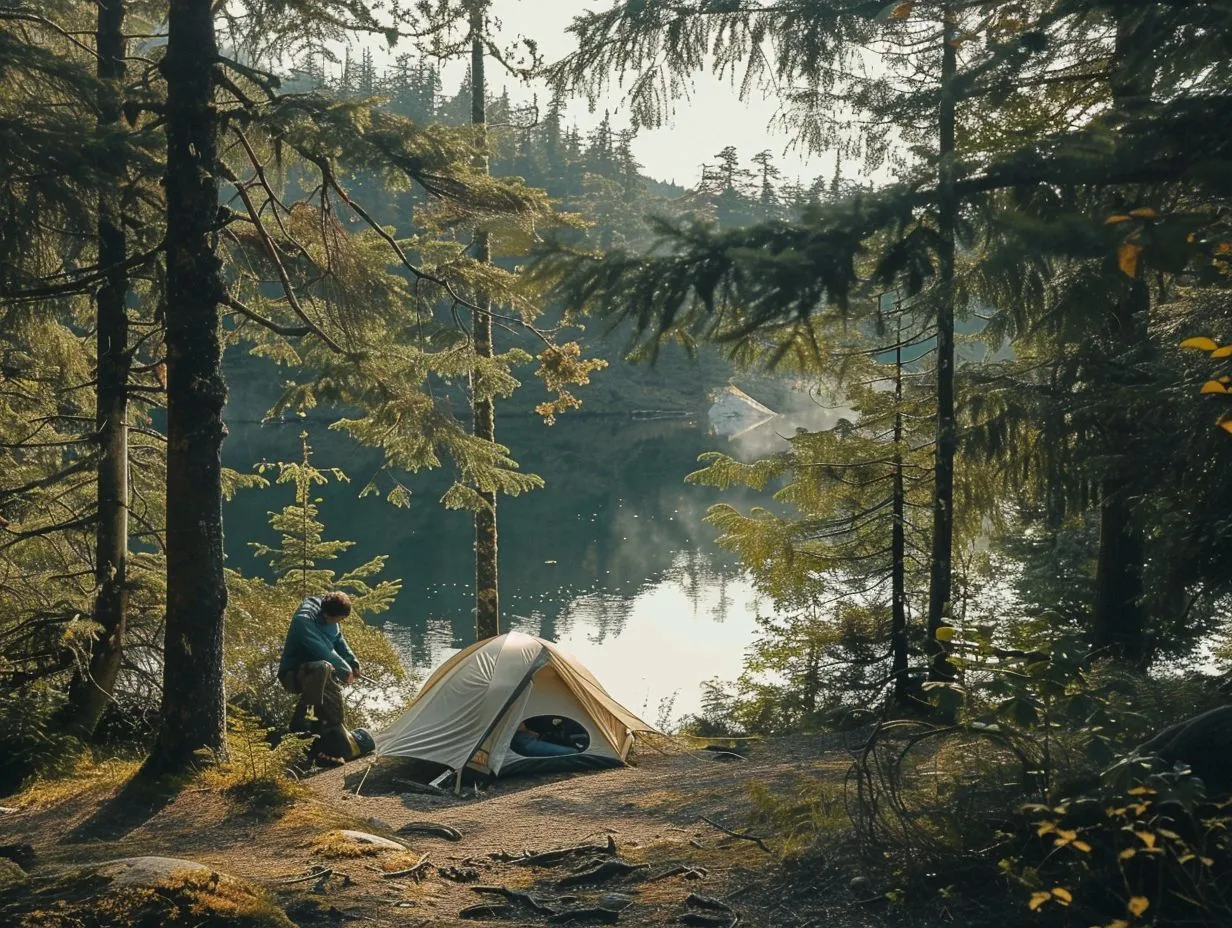
Solo camping is one of the most rewarding ways to spend a night outdoors, and it is far easier to get right than most first-timers fear. The trick is to start small. Book one night at a friendly, staffed campsite close to home rather than a remote pitch miles from anywhere, and get that first trip under your belt. The freedom, the quiet and the quiet confidence of it will have you planning the next one before the car is unpacked.
People camp alone for the freedom above all else. You go where you like, eat when you like, walk as far or as little as you fancy, and answer to nobody. There is your own pace, proper headspace away from screens and small talk, and a closer connection with nature than you ever get in a group. This guide is about enjoying all of that. Keep our essential first aid tips for campers to hand before you set off, because a little preparation is what lets you relax once you arrive.
This is the solo camping guide from Camping Sites in Britain, where you can find and compare campsites, caravan parks and glamping right across the UK. The safety essentials, from telling someone your plans to picking a secure pitch, live in the companion articles linked below. Here we focus on the good bit: how to have a brilliant first trip on your own.
Why camp on your own
Solo camping gives you something a group trip never quite can: the whole experience on your own terms. You decide the route, the meals, the bedtime and the pace, and you notice far more when nobody is talking. Most people come back calmer, a little braver, and keen to do it again.
- Freedom. No compromise on where you go, when you eat, or how long you sit doing nothing.
- Your own pace. Walk hard all day or read in a chair all afternoon. Both are the right answer.
- Headspace. A night away from screens, notifications and other people's plans resets you like little else.
- Confidence. Pitching a tent, cooking a meal and settling in alone is a genuine boost, and it compounds every trip.
- Connection with nature. You hear the birds, the weather and the river properly when you are the only one there.
Start small on your first trip
Your first solo trip should be easy, close and short. One night at a well-run campsite within an hour of home is the ideal, because you can drive back if you truly hate it, and you almost certainly will not. Save the wild pitches, the two-hour drives and the remote glens for later, once pitching, cooking and sleeping out on your own feel like second nature.
A staffed site with a reception, a shower block and a few neighbours takes most of the unknowns off the table. If the weather turns or a guy line pings loose at midnight, there is someone about and a hot shower in the morning. That safety net is exactly what lets a nervous first-timer actually enjoy the evening rather than lie awake listening.
Choosing the right site
For a first solo trip, choose a site that is sociable but not crowded, and staffed rather than remote. You want other campers within earshot for reassurance, a warden or reception for questions, and decent facilities so you are not wrestling with too much at once. A field with a friendly hum to it beats both a packed festival-style site and an empty, isolated one.
Look for a small or mid-sized campsite with marked pitches, clean toilets and showers, and good reviews mentioning a helpful owner. Browse and compare options in our directory of UK campsites, and filter for the region you fancy. Somewhere like the Lake District and Cumbria or North Yorkshire gives you proper scenery with plenty of established, well-run sites to start from.
| Good for a first solo trip | Save for later |
|---|---|
| Staffed site with reception and a warden | Unstaffed or honesty-box pitches |
| Neighbours within easy earshot | Fully isolated, single-pitch fields |
| Showers, toilets and drinking water on site | No facilities, carry everything in |
| Under an hour from home | Long drives to remote areas |
| Level, marked pitches with good reviews | Rough ground you have never seen |
The right kit for one
Packing for one is a pleasure, because you only carry what you actually use. You do not need the biggest tent or the fanciest stove. You need a small setup you can pitch on your own in a few minutes, a simple way to make a hot meal, and enough comfort to enjoy the evening. Here is the short list that matters.
- A small, easy-pitch tent. A one or two-person tent you can put up alone in five minutes. A two-berth gives you room to keep your kit inside and dry.
- A stove and simple meals. A gas stove and one pan will do everything. Think pasta, a chilli, or a fry-up. Solo cooking should be quick, not a project.
- A comfortable chair and a good book. The single upgrade that makes a solo evening. A proper camp chair and something to read turn an empty pitch into a treat.
- A head torch. Hands-free light for cooking, reading and the walk to the toilet block. Pack spare batteries.
- Evening entertainment. A book, a podcast, a journal, a small speaker kept low, or binoculars for the stars. Plan for the quiet hours after dark.
- A warm layer and a decent sleeping bag. British nights get cold even in summer. Being warm is most of being happy out there.
For a fuller packing approach for one person, our guide to keeping your tent secure also covers sensible storage so nothing wanders off while you are out on a walk.
Planning your time
Have a loose plan, then give yourself full permission to ignore it. One walk or activity pencilled in for the day is plenty: a coastal path, a summit, a swim, a village pub lunch, whatever drew you to the area. Around that, leave the day open. The whole point of solo camping is that you owe nobody an itinerary.
Doing nothing is a valid plan, and often the best one. Sitting with a coffee watching the weather move across a valley is exactly the reset most of us are there for. Book one thing so the day has a shape, keep the rest soft, and stop the moment you feel like stopping.
Pitching and cooking for one
Pitching solo is straightforward once you have done it once. Do a dry run in the garden before you go, so the first real pitch is not also your first ever. On site, choose level ground, point the door away from the wind, and peg the corners out taut before you thread the poles. A small tent gives you nothing to fight.
Cooking for one is where solo camping shines: no debating the menu, no catering for fussy eaters. Get the stove going and keep it simple, with one pan, one pot of tea and one bowl to wash. Aim to have your meal cooked before the light goes, so you eat it in the last of the sun rather than by torchlight.
Embracing the evening alone
The evening is the part that first-timers dread and quickly come to love. Once the tent is up and dinner is done, the pace drops right off, and a night on your own outdoors turns out to be genuinely lovely. Have a plan for it and you will look forward to it rather than fill it with worry.
- A fire pit where allowed. Many campsites permit fires in a raised fire pit or an off-ground firebowl. Always check the site's rules first, keep water to hand, and never light a fire straight on the grass.
- Stargazing. Away from town lights the sky is extraordinary. Lie back with a warm layer on and let your eyes adjust for ten minutes. A stargazing app helps you name what you are seeing.
- Journalling. Ten minutes writing down how the day went is a lovely way to end it, and it becomes a record you will enjoy rereading before your next trip.
- A book and a brew. The classic for a reason. A head torch, a hot drink and a good chapter is most of what a happy solo evening needs.
The right mindset
Feeling a bit nervous the first time is completely normal, and it passes fast. Almost every solo camper felt exactly the same on their first night, usually somewhere around dusk, and almost every one of them woke up the next morning wondering what they had worried about. The nerves are just unfamiliarity, and one night cures most of it.
Solo campers are a friendly bunch, too. Turn up at a decent site and you will find neighbours happy to lend a mallet, share a weather forecast or point you at the best walk nearby, and equally happy to leave you in peace if that is what you want. You are far less alone out there than the phrase "solo camping" suggests.
Staying safe without spoiling it
A few sensible habits let you switch your brain off and relax, which is the entire point. Tell someone at home where you are going and when you will be back, check the weather before you commit, keep your phone charged, and pick a pitch you feel comfortable on. None of it takes long, and all of it means you enjoy the evening rather than listen for trouble.
We keep the granular safety detail in its own guides so this one can stay about the fun. Read solo camping safety for the personal-safety essentials, staying safe in remote areas for when you graduate to wilder pitches, and keeping your tent secure for looking after your kit. Sort the safety basics once and they become second nature.
Frequently asked questions
Is solo camping a good idea for a beginner?
Yes, if you start small. Book one night at a staffed, sociable campsite close to home rather than a remote pitch. That gives you a warden, neighbours and facilities on hand, so a first solo trip feels like an adventure rather than a test.
How do I choose a campsite for my first solo trip?
Pick a small or mid-sized site that is staffed, has showers and toilets, and has other campers within earshot without being crowded. Under an hour from home is ideal. Compare well-reviewed options in our directory and filter by region before you book.
What should I pack for camping alone?
A small easy-pitch tent, a gas stove and simple meals, a comfortable chair, a head torch with spare batteries, a warm layer and a good sleeping bag. Add a book, a journal or binoculars for the evening. You only carry what you actually use.
Is it normal to feel nervous camping on my own?
Completely normal, and it passes quickly. Most solo campers feel it around dusk on their first night and wake up wondering what they worried about. Choosing a friendly, staffed site for your first trip takes most of the edge off.
What is there to do camping alone in the evening?
Plenty. A fire pit where the site allows it, stargazing once your eyes adjust, journalling the day, or a book and a hot drink by head torch. Plan the evening rather than leaving it empty and you will look forward to it.
How do I stay safe when camping alone?
Tell someone where you are and when you will return, check the weather, keep your phone charged, and choose a pitch you feel comfortable on. For the full essentials, read our solo camping safety guide before you go.
The short version
Start small: one night at a friendly, staffed site close to home, a small tent you can pitch alone, a simple hot meal and a good book. Have a loose plan and permission to do nothing. The nerves pass by morning, and the freedom is the whole reason people keep going back.
When you are ready to book, browse and compare sites in our UK campsite directory, and read up on solo camping safety before you set off.