Camping First Aid in the UK: What to Pack and How to Treat Common Injuries
· Updated
Most camping injuries are minor and you can treat them yourself: a burn from the stove, a blister on the walk in, a wasp sting, a twisted ankle on tent pegs. A small kit and a handful of NHS steps deal with nearly all of them. The trip that goes wrong is the one where nobody packed a plaster, or where a real emergency arrives in a field with no signal and no address.
This is the full first aid guide for camping in Britain: what to carry, how to treat the injuries you will actually see, how to get safe drinking water, and the exact procedure for calling for help when you are miles from a road. Where it matters, the advice here follows current NHS guidance and links to it.
It is the first aid guide from Camping Sites in Britain, where you can find and compare campsites, caravan parks and glamping across the UK.
Common camp injuries at a glance
Start here, then read the section below for the full method. When in doubt about anything serious, call 999 or 111.
| Injury | First thing to do | Get help if |
|---|---|---|
| Burn or scald | Cool under running water for 20 minutes | Burn is deep, larger than the hand, or on face, hands or genitals |
| Cut or graze | Press to stop bleeding, clean, cover | Bleeding will not stop, or the wound is deep or gaping |
| Sprain or strain | Rest, ice, compress, elevate | You cannot bear weight or the joint looks deformed |
| Blister | Cover with a blister plaster, do not burst | It becomes hot, red and increasingly painful |
| Bite or sting | Clean it, antihistamine and a cold pack | Face, mouth or throat swells, or breathing is affected. Call 999 |
| Hypothermia | Shelter, dry clothes, wrap up, warm drinks | Any suspected case. Call 999 |
| Heat exhaustion | Cool place, cool skin, sips of water | No better after 30 minutes. Call 999 |
What to pack in a camping first aid kit
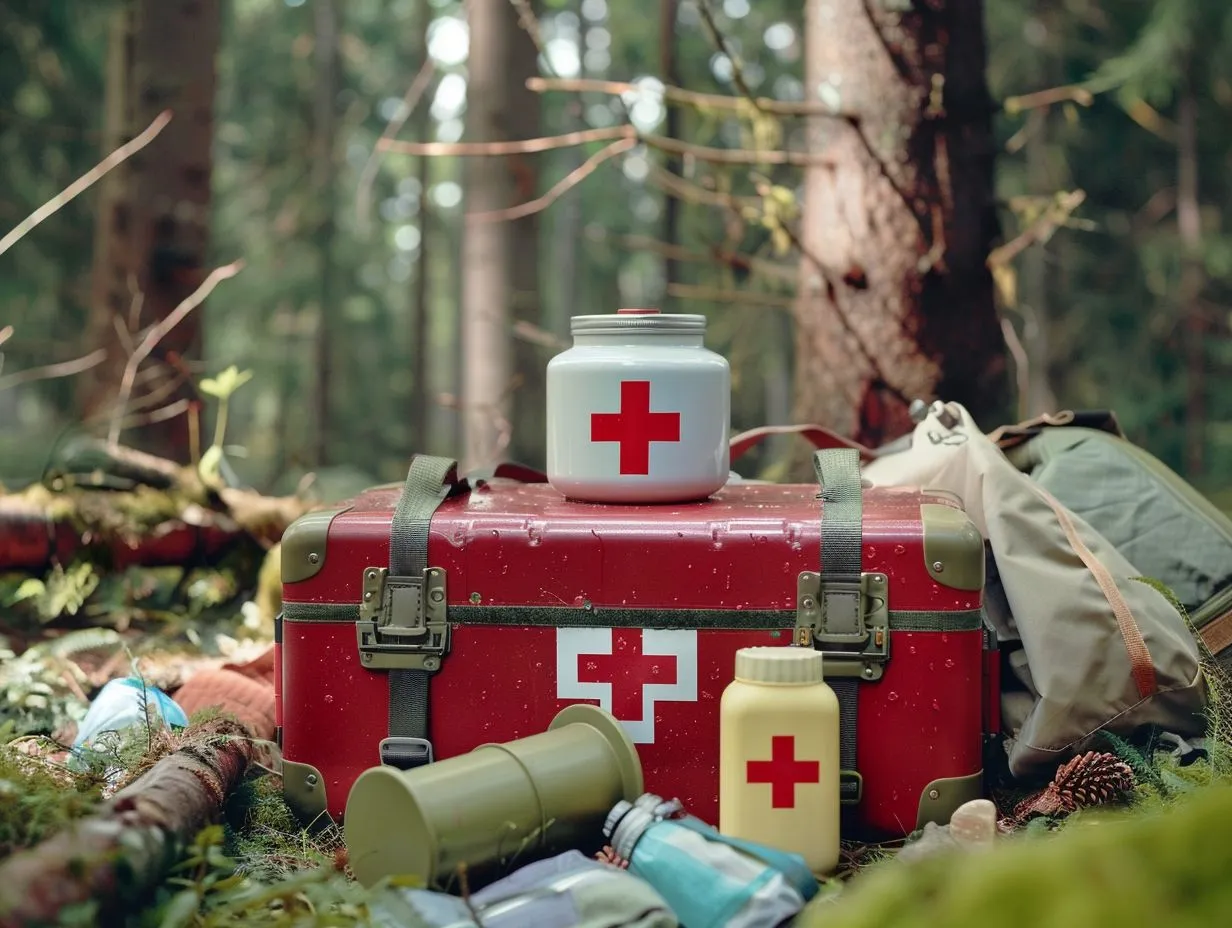
A camping first aid kit needs to cover cuts, burns, blisters, bites, pain and the odd upset stomach, and it should fit in a small waterproof pouch. Buy a ready-made kit as a base and add to it, rather than assembling from scratch.
- Plasters in several sizes, plus blister plasters
- Sterile dressings and gauze pads for larger wounds, with a roll of tape
- A crepe or elastic bandage for sprains and to hold dressings on
- Antiseptic wipes and a small bottle of saline for cleaning cuts and flushing eyes
- Fine-tipped tweezers and a tick removal tool for splinters and ticks
- Scissors and a pair of disposable gloves
- Painkillers (paracetamol and ibuprofen), antihistamine tablets and a soothing bite cream
- Cling film or a clean plastic bag to cover a burn once cooled
- A foil survival blanket, which weighs nothing and is genuinely useful in the cold
- Any personal medication, plus an adrenaline auto-injector if anyone in the group carries one
Check the expiry dates before every trip and restock after each use. For a full breakdown by trip length and group size, read the guide to how to pack a first aid kit for camping.
Treating common camp injuries
Burns and scalds
Cool a burn under cool or lukewarm running water for at least 20 minutes, as soon as possible after it happens. This is the single most important step and the one people cut short. Remove any clothing or jewellery near the burn, but leave anything that is stuck to the skin. Once cooled, lay cling film over the burn rather than wrapping it around, or use a clean plastic bag for a hand or foot.
Do not use ice, butter, toothpaste or creams, and do not burst any blisters. Take paracetamol or ibuprofen for the pain. Go to A&E or call 999 for any burn that is deep, larger than the affected person's hand, or on the face, hands, feet or genitals, and for any chemical or electrical burn. The full method is on the NHS burns and scalds page.
Cuts and grazes
Stop the bleeding first by pressing on the wound with a clean cloth or dressing, and raise the injured part if you can. Once bleeding slows, rinse the wound under clean running water, pat it dry, and cover it with a plaster or sterile dressing. Clean a graze the same way to get grit out before it heals over.
Change the dressing daily and watch for infection: spreading redness, heat, swelling or pus, sometimes with a fever, all mean you should contact a pharmacist or call 111. See a doctor or A&E for a deep or gaping wound, one that will not stop bleeding, or anything that might need stitches.
Sprains and strains
Treat a sprained ankle or a pulled muscle with rest, ice, compression and elevation for the first two to three days. Rest the joint, apply an ice pack (or a bag of frozen peas) wrapped in a tea towel for up to 20 minutes every few hours, wrap it with a bandage for support, and keep it raised when you sit down. Do not put heat on it or have a hot bath in the first couple of days.
Most sprains settle within a couple of weeks. Get it checked if you cannot put any weight on the leg, the joint looks out of shape, or the pain and swelling are severe, since that can point to a fracture.
Blisters
Leave a blister intact wherever you can, because the skin over it is the best barrier against infection. Cover it with a soft dressing or a hydrocolloid blister plaster and it will usually heal on its own. Blisters are almost always caused by friction, so the real fix is well-fitting boots and moisture-wicking socks, plus taping any hot spot the moment you feel it on a walk.
If a blister bursts, let the fluid drain, leave the skin flap in place, clean the area and cover it. Keep an eye out for infection and see a pharmacist if it turns hot, red and increasingly sore.
Bites and stings
Most insect bites and stings in Britain need nothing more than a wash, an antihistamine tablet and a cold pack for the swelling. Scrape a bee sting out sideways rather than pinching it, and remove a tick promptly with a tick tool, gripping close to the skin and pulling straight up. Britain's only venomous snake is the adder, and although no one here has died of an adder bite since 1975, you should still treat any adder bite as urgent and call 999.
Call 999 immediately if a bite or sting causes swelling of the face, lips, mouth or throat, wheezing or difficulty breathing, dizziness or a fast heartbeat. These are signs of a severe allergic reaction. Help the person use their adrenaline auto-injector if they have one, and still call 999 even if they seem to improve. For which insects bother UK campers and how to avoid them, read our guide to camping pests in Britain.
Hypothermia
Hypothermia sets in when the body loses heat faster than it can make it, and cold wet nights under-equipped are the classic camping cause. The signs are shivering, pale cold skin, tiredness, confusion and slurred speech. Treat any suspected case as an emergency and call 999.
While you wait for help, move the person into shelter, remove any wet clothing and wrap them in dry blankets or a sleeping bag, cover their head, and give warm (not hot) drinks and sugary food if they are fully awake. Do not put them in a hot bath, do not use a hot water bottle or heat lamp directly on the skin, do not rub their arms and legs, and never give alcohol. The NHS hypothermia page sets out the full do and do not list.
Heat exhaustion and heatstroke
Heat exhaustion is the warning stage and heatstroke is the emergency. Heat exhaustion brings tiredness, dizziness, headache, feeling sick, heavy sweating and cramps. Move the person somewhere cool, get them to lie down with their feet slightly raised, cool their skin with a wet sponge or cold packs on the neck and armpits, and give plenty of water or a sports drink. They should feel better within 30 minutes.
Call 999 if they are no better after 30 minutes, or if you see signs of heatstroke: a very high temperature, hot skin that is not sweating, confusion, seizures or loss of consciousness. Keep cooling them while you wait. The NHS heat exhaustion and heatstroke page has the detail.
Safe drinking water
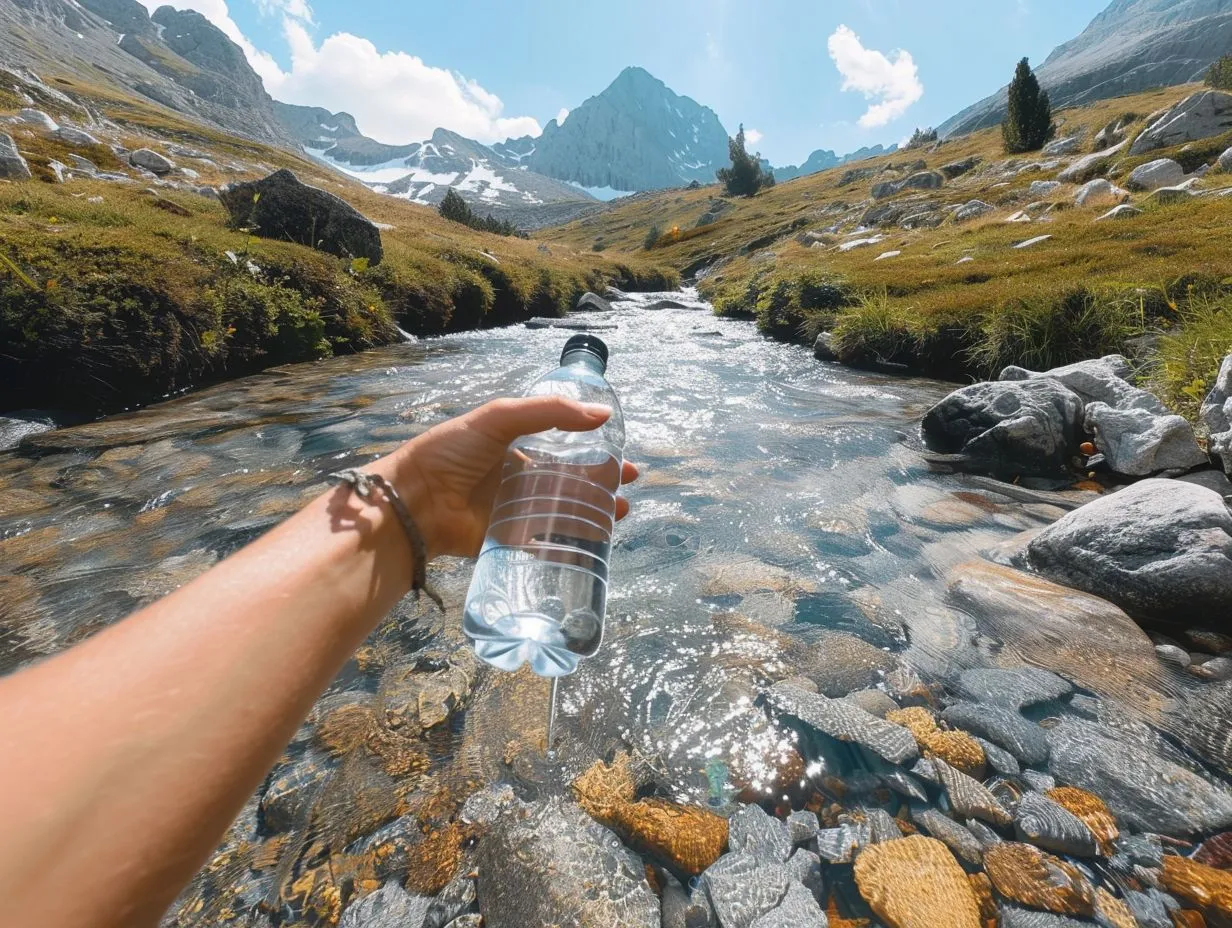
Never drink untreated water straight from a stream, river or loch, however clean it looks, because it can carry bugs that cause days of sickness and diarrhoea. On a serviced campsite the tap water is treated and safe unless a tap is marked otherwise. Off-grid, carry what you can and treat the rest.
The reliable methods are boiling for at least one minute, a purification tablet, or a proper camping water filter, and many campers pair a filter with tablets on remote trips. Our guide to safe drinking water while camping covers each method, and the roundup of the best portable water filters for campers compares what to carry.
Solo and remote camping safety
Safety on your own or off-grid is mostly about preparation, because there is no one else to notice a problem. Always tell someone your route and your expected return time, and agree when they should raise the alarm if they do not hear from you. Carry a charged phone and a power bank, check the forecast, and know where the nearest road and phone signal are before you set off.
A tent that fails in the night is a genuine hazard in exposed country, so pitch with the weather in mind and know how to secure your tent in high winds and prepare for unexpected weather while camping. For going out alone, read our tips for a successful solo camping trip and the dedicated guide to solo camping safely. The full checklist for wild and back-country pitches is in how to stay safe when camping in remote areas, and it is worth knowing how to make your tent more secure against theft on busier sites too.
Calling for help in a remote area
In a serious emergency in the hills or on open country, dial 999 (or 112), ask for the Police, then ask for Mountain Rescue. At the coast or on the water, ask for the Coastguard instead. Mountain Rescue and the Coastguard are called out through the police, so this is the correct route, and both are free.
Give your location as precisely as you can: an Ordnance Survey grid reference, a what3words address, or the nearest recognised landmark. Then give the number of people, what has happened, any injuries, and a phone number they can call back on. Stay where you are once you have made the call until the team reaches you, unless staying put is more dangerous than moving.
Two things to sort before you go. If your phone has no signal but can still reach the emergency network, 999 may connect anyway; and if you cannot speak, you can send an emergency text, but only if you have registered your phone in advance by texting "register" to 999. Do that at home. Remote regions like the Scottish Highlands and the Lake District have patchy coverage, so never rely on your phone as your only plan.
When to call 999 or 111
Call 999 for anything life-threatening. Call 111 for urgent advice when it is not an emergency and you are not sure what to do. Use this as your guide.
| Call 999 now | Call 111 for advice |
|---|---|
| Difficulty breathing, or swelling of the face, mouth or throat | A wound or bite that looks infected days later |
| Unconsciousness, confusion, seizures or a suspected stroke | A minor injury you are unsure how to treat |
| Severe bleeding that will not stop | Persistent vomiting or diarrhoea after drinking suspect water |
| Suspected hypothermia, heatstroke or an adder bite | Advice on medicines, or care for a child under 5 |
| A deep or large burn, or a serious fall | A tick bite followed by a spreading circular rash |
Have the campsite name, postcode and pitch number, or your grid reference, ready before you dial, and send someone to wait at the entrance to flag the ambulance down. Rural sites are genuinely hard to find, and that alone can cost several minutes. You can browse and compare sites, with their locations and facilities, across our UK campsite listings.
Frequently asked questions
What should be in a camping first aid kit?
Plasters and blister plasters, sterile dressings, a bandage, antiseptic wipes, tweezers and a tick tool, scissors, gloves, painkillers, antihistamines, a bite cream, cling film for burns and a foil blanket. Add any personal medication and check expiry dates before each trip.
How do you treat a burn while camping?
Cool it under running water for at least 20 minutes as soon as possible, remove nearby clothing or jewellery, and cover it with cling film or a clean plastic bag. Do not use ice, butter or creams, and do not burst blisters. Seek help for deep or large burns.
Can you drink stream water when camping in the UK?
No, not untreated. Even clear streams can carry bugs that cause sickness and diarrhoea. Boil the water for at least one minute, use a purification tablet, or run it through a camping water filter. Serviced campsite taps are safe unless marked otherwise.
When should you call 999 rather than 111 when camping?
Call 999 for anything life-threatening: difficulty breathing, a severe allergic reaction, unconsciousness, severe bleeding, suspected hypothermia or heatstroke, or an adder bite. Call 111 for urgent but non-emergency advice, such as an injury you are unsure how to treat or a wound that looks infected.
How do you call mountain rescue in the UK?
Dial 999 or 112, ask for the Police, then ask for Mountain Rescue. At the coast, ask for the Coastguard instead. Give a grid reference or what3words location, the number of people and any injuries, then stay put until the team reaches you.
How do you treat hypothermia at a campsite?
Call 999, then move the person into shelter, remove wet clothing, wrap them in dry blankets and cover their head. Give warm drinks and sugary food if they are fully awake. Do not use a hot bath, a hot water bottle on the skin, or rub their limbs, and never give alcohol.
The short version
Pack a small kit and check it before every trip, cool burns under water for 20 minutes, treat sprains with rest and ice, never drink untreated water, and always tell someone your plan. Know that 999 is for emergencies and 111 is for urgent advice.
Get those basics right and you will handle almost everything a camping trip throws at you. When you are ready to plan the next one, find and compare your pitch across the UK on Camping Sites in Britain.