Camping With a Baby in the UK: How to Get the First Trip Right
· Updated
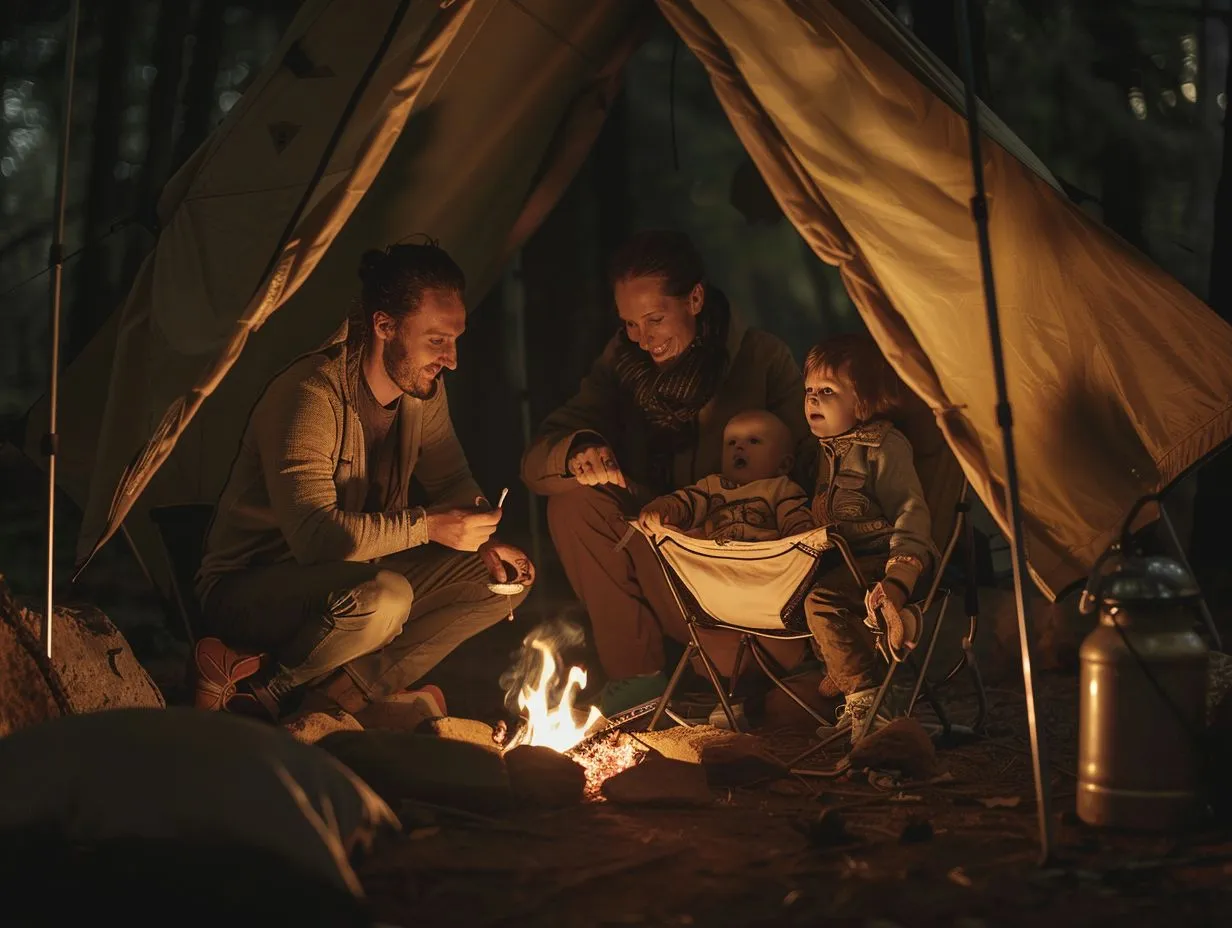
Camping with a baby works best when you keep the first trip small: one or two nights, a proper family site close to home, and a plan for warm, safe sleep. Babies do not need a wild adventure. They need their routine, a firm flat place to sleep on their back, and parents who are not exhausted from an hour's drive on top of a bad night.
The single thing to get right is sleep. A baby should sleep on their own firm, flat surface, on their back, in a clear space, whether that is at home or in a tent. Never zip a baby into a loose adult sleeping bag, and never put a duvet, pillow or spare blanket over them. Everything else on this page, from nappies to sun cream, is easier than that and matters less.
This is part of our guide to child-friendly campsites in the UK, and it comes from Camping Sites in Britain, where you can find and compare family sites, caravan parks and glamping across the country.
Choose an easy site close to home
For a first trip with a baby, pick the nearest good family site rather than the most beautiful one. A short drive means you can turn back if it all goes wrong, and it takes the pressure off a single bad night. Save the Highlands and the far west of Wales for when your child is walking and sleeping through. What matters now is close, clean facilities and a level, sheltered pitch, not a remote field with a view.
| What to look for | Why it matters with a baby |
|---|---|
| Heated toilet and shower block, open 24 hours | Night nappy changes and warming a cold baby without a trek across a field |
| Hot water and a washing-up area | Bottles, weaning bowls and general clearing up |
| Level, sheltered, grassy pitch | A stable travel cot and a windbreak against the worst of the weather |
| Family or quiet field, not the party field | Naps in the day and an early bedtime |
| A pitch near, but not next to, the facilities | Short walk to the toilets without the noise and foot traffic |
| Somewhere within an hour of home | You can abandon the trip cheaply if you need to |
Book a pitch with electric hook-up if you can, so you can run a bottle warmer or a low plug-in monitor and are not relying on a torch at 3am. Gentle, low-lying counties like Devon suit a first baby trip, but any well-run site near you will do. Browse the full directory of UK campsites to find one within easy reach.
Keep the baby warm and safe at night
Warmth at night comes from the right fitted layers and a proper baby sleep bag, never from loose bedding piled on top. A tent gets much colder than a bedroom once the sun goes down, so dress your baby in more layers than you would at home. The Lullaby Trust is clear that babies are safer slightly cool than too hot, because overheating raises the risk of sudden infant death syndrome (SIDS). Follow the same safe-sleep rules you use at home, because they do not change in a tent.
- Baby on their back, on a firm flat surface, in their own clear space. A travel cot with its own firm, flat mattress is ideal. Nothing loose goes in with them.
- No adult sleeping bags, duvets, pillows or cot bumpers. A loose adult bag can slip over a baby's face. Use a fitted baby sleep bag sized by your baby's weight so they cannot wriggle down inside it.
- Layer underneath, not on top. A vest, a sleepsuit and a warmer-tog sleep bag beat a thin bag plus a blanket thrown over. If you need more warmth, use a higher-tog sleep bag rather than adding a blanket.
- No hats indoors or in the tent for sleep. Babies lose heat through their heads, so a covered head while sleeping can cause overheating.
- Insulate from the ground. The cold comes up from below. A travel cot lifts the baby off the floor; if you are using a floor-level setup, put a foam mat or thick roll mat underneath the cot base.
Check whether your baby is too hot or too cold by feeling their chest or the back of their neck, not their hands and feet, which are cold to the touch anyway. Sweaty or clammy skin means too many layers. Full safe-sleep guidance is on the Lullaby Trust safer sleep pages, and it is worth reading before you go.
Travel cots, and why a ready bed is for toddlers
A travel cot with a firm, flat mattress is the safest sleep setup for a baby under one, at home or camping. It gives your baby their own protected space, keeps them off the cold tent floor, and needs no extra padding or blankets to be safe. Set it up in the darkest, most sheltered corner of the tent, away from the door.
Inflatable toddler ready beds are a different thing. They are designed for children from around 18 months and older, not babies, because a baby can roll against the raised sides. Stick to a travel cot until your child is a confident toddler, at which point a ready bed becomes one of the easier ways to camp with them.
Watch the room, or tent, temperature
Aim to keep your baby's sleeping space between 16 and 20°C, the same range the Lullaby Trust advises at home. A tent swings much further than a house, baking by mid-morning and cold by the early hours, so you manage it with layers and by choosing your pitch rather than a thermostat.
Pack a small clip-on or plug-in thermometer for near the cot, because guessing tent temperature is unreliable, and it tells you whether to add or drop a layer at the night feed. Pitch in shade if you can, keep the cot out of direct morning sun, and open a vent or the inner door a little on warm nights to stop the tent turning into a greenhouse.
Feeding and nappies on site
Keep feeding as close to your home routine as the site allows. If you are breastfeeding, you need almost nothing extra. If you are bottle feeding or weaning, the work is in the water and the washing up.
- Water and sterilising. Bring more bottled or cooled boiled water than you think, or check the site has a drinkable mains tap. Cold-water sterilising tablets in a lidded tub travel well and need no power.
- Bottles and warming. A flask of hot water warms a bottle in a jug. With electric hook-up you can run a plug-in warmer instead.
- Weaning food. Pouches and jars are the sensible camping choice: no fridge, no cooking, no waste. Bring a couple of familiar favourites so a strange setting does not put your baby off eating.
- Nappies. Pack roughly 50 percent more than a normal day, plus nappy sacks and plenty of wipes. Change on a mat away from any food-prep area, and carry used nappies straight to the site bins rather than leaving them in the tent porch, where they draw flies and wasps.
A few of the small hazards people forget on a first trip are covered in our roundup of common blunders that spoil family camping trips, which is worth a skim before you pack.
Sun and shade in the day
Keep a baby under one out of direct sun completely, and shade older babies through the middle of the day. The NHS advises keeping babies under six months out of direct sunlight altogether, because their skin has far less melanin and burns quickly. British sun is strong enough to matter from March to October, even on a hazy day.
Rig a shaded zone with the tent porch, a gazebo or a UPF pop-up shelter, and clip a sunshade over the pram. Dress your baby in a wide-brimmed hat and loose, long, light clothing, and use a child-safe sun cream on any skin you cannot cover once they are over six months. Plan walks for early morning or late afternoon, and keep the hot middle of the day for shade and a nap. Full detail is on the NHS sun safety pages.
Keep to your routine
Stick to your baby's normal feed, nap and bedtime pattern as closely as you can, because familiarity is what keeps a baby settled somewhere new. The tent is the only thing that has changed; the rhythm of the day should not. Bring the actual comforter, sleep bag and white-noise or lullaby sound your baby already knows, so bedtime feels the same in canvas as it does at home.
Accept that camp bedtime is lighter and noisier than home. Do the wipe-down, feed and settle at the usual time, in the tent, in the dark, even if the site is still busy. Pitching so the cot sits in the darkest corner helps enormously in a British summer, when it is light past 9pm. On a wet afternoon, our list of campsite games for rainy days covers ways to fill the hours between naps.
For more on camping with slightly older children, once the baby stage is behind you, see our guide to enjoying the great outdoors with kids.
Frequently asked questions
What age can you take a baby camping in the UK?
There is no fixed minimum age, and many families camp with babies from a few months old. The limiting factor is not age but warmth and sleep. If you can keep the baby safely warm and give them their own firm, flat sleep space, they are old enough.
How do I keep my baby warm camping at night?
Dress them in fitted layers, a vest, a sleepsuit and a weight-sized baby sleep bag, and choose a higher-tog bag rather than adding blankets. Insulate the travel cot from the ground with a foam mat, and check their chest or neck rather than their hands to judge temperature.
Can a baby sleep in a sleeping bag when camping?
Only in a fitted baby sleep bag sized by their weight, never in a loose adult sleeping bag, which can slip over their face. Keep the sleep space clear of duvets, pillows and blankets, and lay the baby on their back on a firm, flat mattress.
What temperature is too cold for a baby to camp?
Aim to keep the sleeping area between 16 and 20°C, as at home. Below that, add tog with a warmer sleep bag and insulate from the ground rather than piling on loose bedding. If you cannot keep the tent in a safe range, it is too cold for that trip.
Do I need a travel cot for camping with a baby?
A travel cot with a firm, flat mattress is the safest choice for a baby under one. It gives them their own clear space, keeps them off the cold floor, and needs no extra padding. Inflatable ready beds are for toddlers from around 18 months, not babies.
How many nights should a first camping trip with a baby be?
One or two, at a family site close to home. A short first trip lets you learn what works and turn back easily if a night goes badly, without a long drive or a wasted week-long booking hanging over you.
The short version
Pick an easy family site within an hour of home, give your baby their own travel cot with a firm flat mattress, and keep them warm with fitted layers and a weight-sized sleep bag, never a loose adult bag or a blanket on top. Hold your normal routine, shade them from midday sun, and pack more nappies and water than you think you need.
Get sleep and warmth right and the rest is straightforward. When you are ready to book, browse our directory of family campsites across the UK or read more on choosing child-friendly campsites in the UK.