Family Camping Mistakes: 10 Blunders That Spoil Trips and How to Avoid Each
· Updated
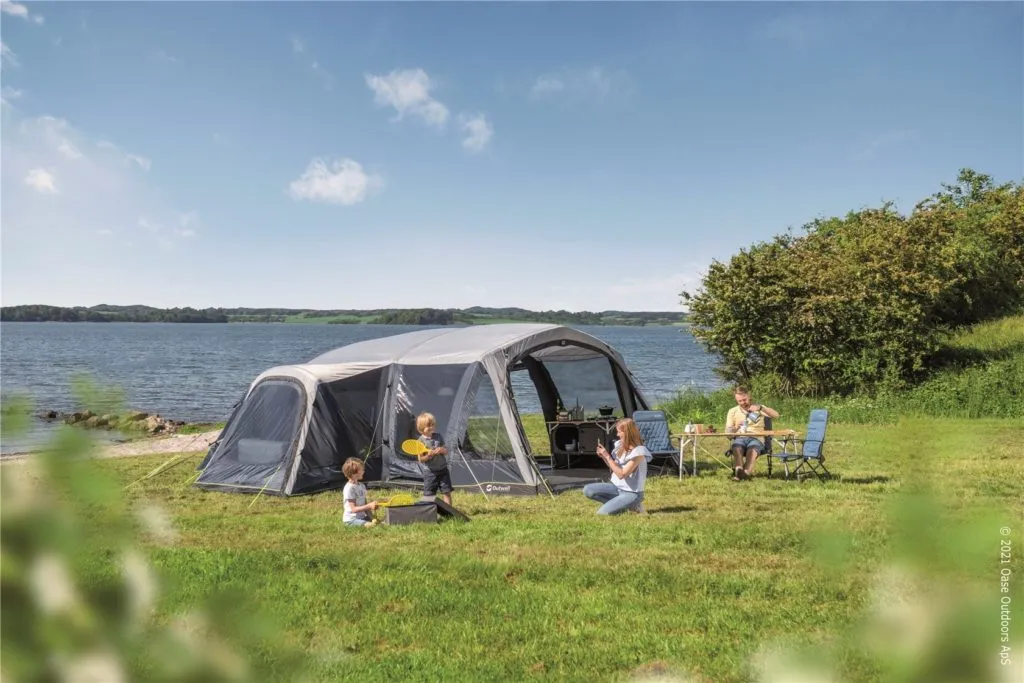
Almost every family camping trip that goes wrong goes wrong for one of the same 10 reasons, and every one of them is avoidable before you leave the drive. The mistakes are not about kit or budget. They are about picking the wrong site, skipping a garden test, and forgetting that small children get cold, bored and hungry faster than you do.
Here is the full list, most common first, with the fix for each. Sort these before you book and the trip looks after itself. If you are still choosing where to go, start with our guide to child-friendly campsites in the UK, and use Camping Sites in Britain to compare sites, caravan parks and glamping near you.
The 10 mistakes at a glance
| The mistake | The fix in one line |
|---|---|
| Too far or too ambitious for a first trip | One or two nights, under two hours from home |
| Not testing the tent | Pitch it in the garden first |
| No wet-weather backup | Pack a rainy-day plan, not just waterproofs |
| Underestimating cold nights | Insulate under the children, not just over them |
| Too much kit, or too little | Work from a written checklist |
| No snacks or entertainment | Overpack both, they weigh nothing |
| Ignoring nap and meal routines | Keep home timings roughly intact |
| Poor pitch choice | Read the ground before you unload |
| No first aid kit | Build one, keep it in the tent porch |
| Over-scheduling | Plan one thing a day, no more |
1. Booking a first site that is too far or too ambitious
Keep a first family trip short and close: one or two nights at a site no more than two hours from home. The instinct is to make the debut trip special with a long drive to the Lake District or Cornwall, but a three-hour journey with tired children, followed by a first pitch-up in an unfamiliar field, is how good intentions collapse before tea.
Book somewhere you could reach in an evening and leave early without much lost if it does not go to plan. Choose a mid-range family site with a shop, hot showers and level grass rather than a remote back-to-basics field for the first outing. Save the ambitious spots for once the children have a couple of nights under canvas behind them. Our guide to enjoying the great outdoors with kids covers easing younger ones in gently.
2. Not testing the tent before you go
Pitch the tent in the garden or a local park at least once before the trip. A brand-new or long-stored tent is the single most common thing to fail on arrival, whether it is a missing pole section, a snapped peg bag, or nobody in the family knowing which sleeve takes which pole in the rain with a toddler melting down beside you.
A garden run-through tells you how long pitching really takes, whether every part is present, and how the family splits the job. Do it in daylight, put the children in charge of the pegs to get them involved, and leave it up for an hour to check for obvious faults. If it is a used tent, spray the seams with a hose and look for leaks while you can still deal with them.
3. Forgetting a wet-weather backup plan
Pack a plan for rain, not just waterproofs, because in Britain a soggy day is a near certainty rather than a risk. Waterproof coats and wellies keep everyone dry, but they do not answer the harder question of what four children do inside a tent for three hours while it hammers down outside.
Throw in a pack of cards, a couple of board games, colouring, and a torch for shadow puppets after dark. Check the forecast on the Met Office the day before and again the morning you leave, and know where the nearest indoor bolthole is, whether a soft play, a leisure centre or a museum. Our list of campsite games for rainy days will fill an afternoon on its own.
4. Underestimating how cold nights get for children
Insulate underneath the children as much as on top of them, because the cold that wakes a child at 3am comes up from the ground, not down from the air. Even in July, clear nights in Britain routinely drop into single figures, and small bodies lose heat far faster than adults expect.
Put a foam or self-inflating mat under every sleeping bag, add a picnic blanket or old duvet beneath that, and dress children in a base layer, a hat and thick socks to sleep in. A season-three sleeping bag or a cheap adult bag they can burrow into beats a thin children's bag every time. A hot water bottle filled at bedtime holds warmth for hours. If you are camping with the very youngest, our guide to camping with a baby covers keeping infants warm safely overnight.
5. Taking too much kit, or too little
Work from a written checklist rather than memory, which is the only reliable cure for both packing too much and leaving the one thing you needed at home. Families tend to either strip the house bare and lose the tent under a mountain of gear, or travel light and discover on site that nobody packed a bottle opener, a first aid kit or spare socks.
Build a reusable list once and tick it off every trip. The non-negotiables are shelter, sleep system, warm layers, waterproofs, cooking gear, a torch each, food, water, and a first aid kit. Everything else is comfort. A good rule for young families is to pack for wet and cold even in summer, then add treats, not to pack for sun and hope. Save the list on your phone so it is ready for next time.
6. Bringing no snacks and no entertainment
Overpack snacks and things to do, because both weigh almost nothing and both head off meltdowns before they start. Fresh air and running about turn children ravenous, and a hungry, bored child on a campsite is the fastest route to a trip nobody enjoys.
Bring more snacks than you think you could possibly need, keep them sealed against wasps and mice, and have them within reach rather than buried at the bottom of a crate. For entertainment, a football, a bucket and spade, bikes, and a few small games cover most of a weekend. If your site is near quiet lanes or trails, our guide to family-friendly cycling routes near campsites is worth a look before you go.
7. Ignoring nap and mealtime routines
Keep your home timings roughly intact, because a campsite is exciting enough without also scrapping the routines that keep small children even-tempered. A missed nap or a meal two hours late will undo the calmest toddler, and the great outdoors gets the blame for what is really an empty stomach and no sleep.
Aim for meals and naps at close to their usual times, even if the setting is a camping chair rather than a highchair. Bring familiar foods alongside the campfire treats, keep a rough bedtime, and accept that a slightly later night is fine as long as the day had its usual anchors. Predictability is what lets children relax into somewhere new.
8. Choosing the pitch badly
Read the ground before you unload, because the pitch you pick in 30 seconds is the bed you lie in for two nights. The classic errors are camping in the lowest corner of a field where water pools, on a slope that slides everyone to one end of the tent, or right beside the toilet block, the bins or the main gate.
- Choose level ground, or point the tent so heads are uphill of feet if you cannot find flat
- Avoid the lowest point of the field, which floods first in rain
- Keep some distance from toilets, bins and the entrance for noise and smell
- Look up for dead branches and avoid pitching directly under a lone tree in case of wind
- On family sites, a spot near the play area buys you a coffee in peace while the children play in sight
9. Camping without a first aid kit
Build a proper first aid kit and keep it in the tent porch where you can find it in the dark. Grazed knees, splinters, insect bites, blisters and small burns are near guaranteed with children outdoors, and the nearest pharmacy is often closed or miles away by the time you need it.
Stock plasters in several sizes, antiseptic wipes, a bandage, tweezers, a tick removal tool, children's paracetamol, antihistamine, sun cream and after-sun. Add any regular medicines and know the site's postcode and pitch number in case you need to direct help to you. The NHS first aid pages are a sound reference for anything beyond the everyday.
10. Cramming too much into the days
Plan one main thing a day and leave the rest open, because children enjoy a campsite most when they are allowed to be bored in it. Parents often line up a beach, a castle and a walk into a single day, then spend it herding tired children between car parks instead of letting them potter.
Pick one outing, keep the rest of the day loose, and build in nothing time for den-building, puddle-jumping and doing very little. The unplanned hours are usually the ones children remember. If you do want the days to teach something without feeling like school, our guide to making a camping trip educational for kids keeps it light.
Frequently asked questions
What is the most common family camping mistake?
Being too ambitious on a first trip. A long drive to a remote site with young children, then a first-ever pitch-up in an unfamiliar field, stacks the odds against you. One or two nights close to home, on a proper family site, is far more likely to go well.
How do I keep children warm camping at night?
Insulate underneath them. Put a foam or self-inflating mat and a spare blanket beneath every sleeping bag, dress children in a base layer, hat and socks to sleep in, and add a hot water bottle at bedtime. Ground cold, not air cold, is what wakes children up.
What should be in a family camping first aid kit?
Plasters, antiseptic wipes, a bandage, tweezers, a tick removal tool, children's paracetamol, antihistamine, sun cream, after-sun and any regular medicines. Keep it in the tent porch, and note your site postcode and pitch number in case you need to call for help.
How long should a first family camping trip be?
One or two nights. A single night tells you whether everyone enjoys it with very little at stake, and you can always extend once you know. Book somewhere under two hours from home so an early exit costs you little if the weather or the children turn.
What age can you start camping with children?
Any age, including babies, with the right preparation. The key is warmth overnight, familiar routines, and keeping the first trips short and close. Start easy and build up as the children get used to sleeping under canvas.
How do you entertain children on a rainy campsite?
Pack for it in advance. Cards, board games, colouring and torches for shadow puppets fill a wet afternoon in the tent, and knowing the nearest soft play or leisure centre gives you an escape. Assume rain in Britain and plan the day around it rather than hoping.
The short version
Keep the first trip short and close, test the tent in the garden, insulate under the children, and overpack snacks and things to do. Do that and the other mistakes mostly sort themselves out.
Everything here comes down to picking the right site and planning for weather and tiredness before they arrive. Compare family sites near you across our campsite listings, or read the full guide to child-friendly campsites in the UK to find the right one for your first trip.