Child-Friendly Campsites in the UK: What to Look For and Where to Go
· Updated
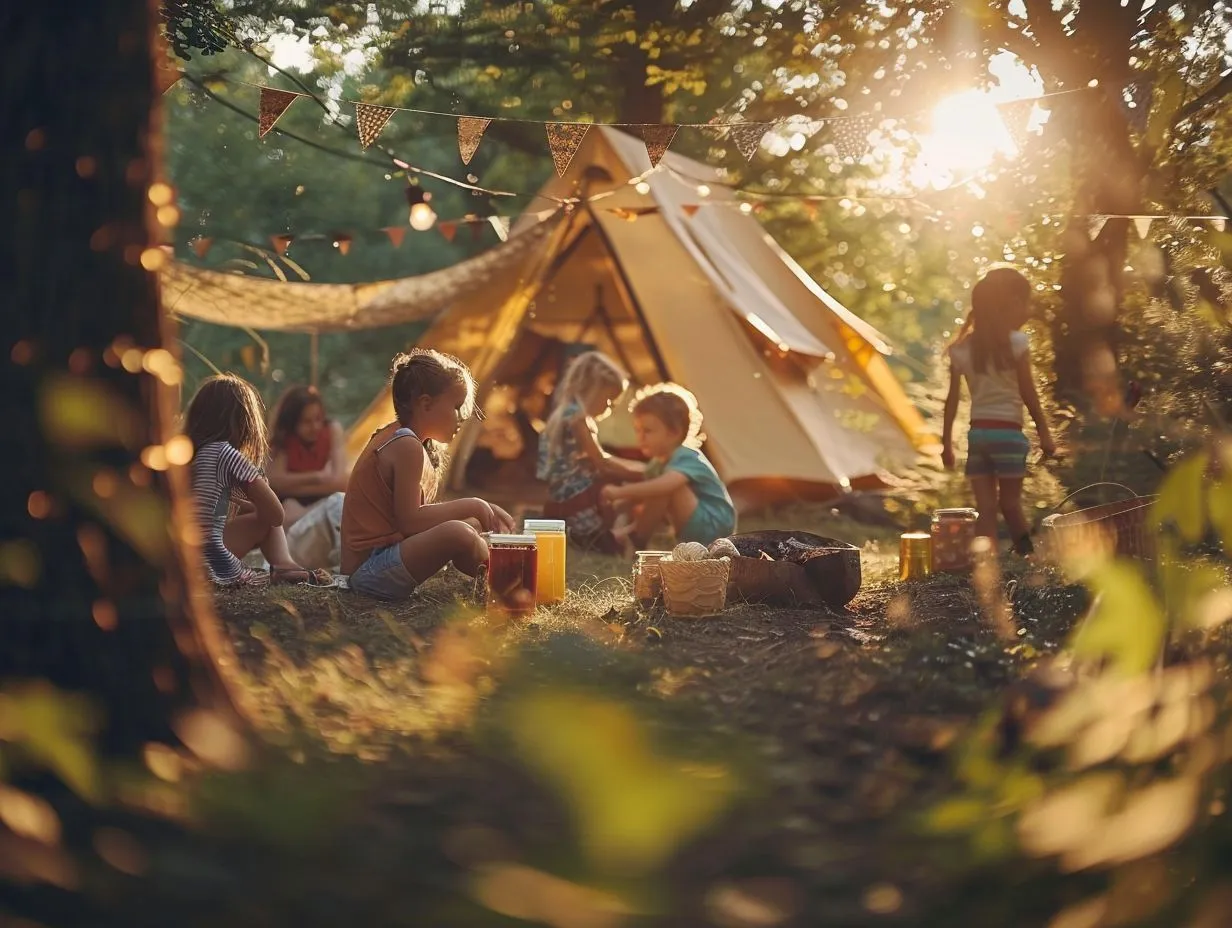
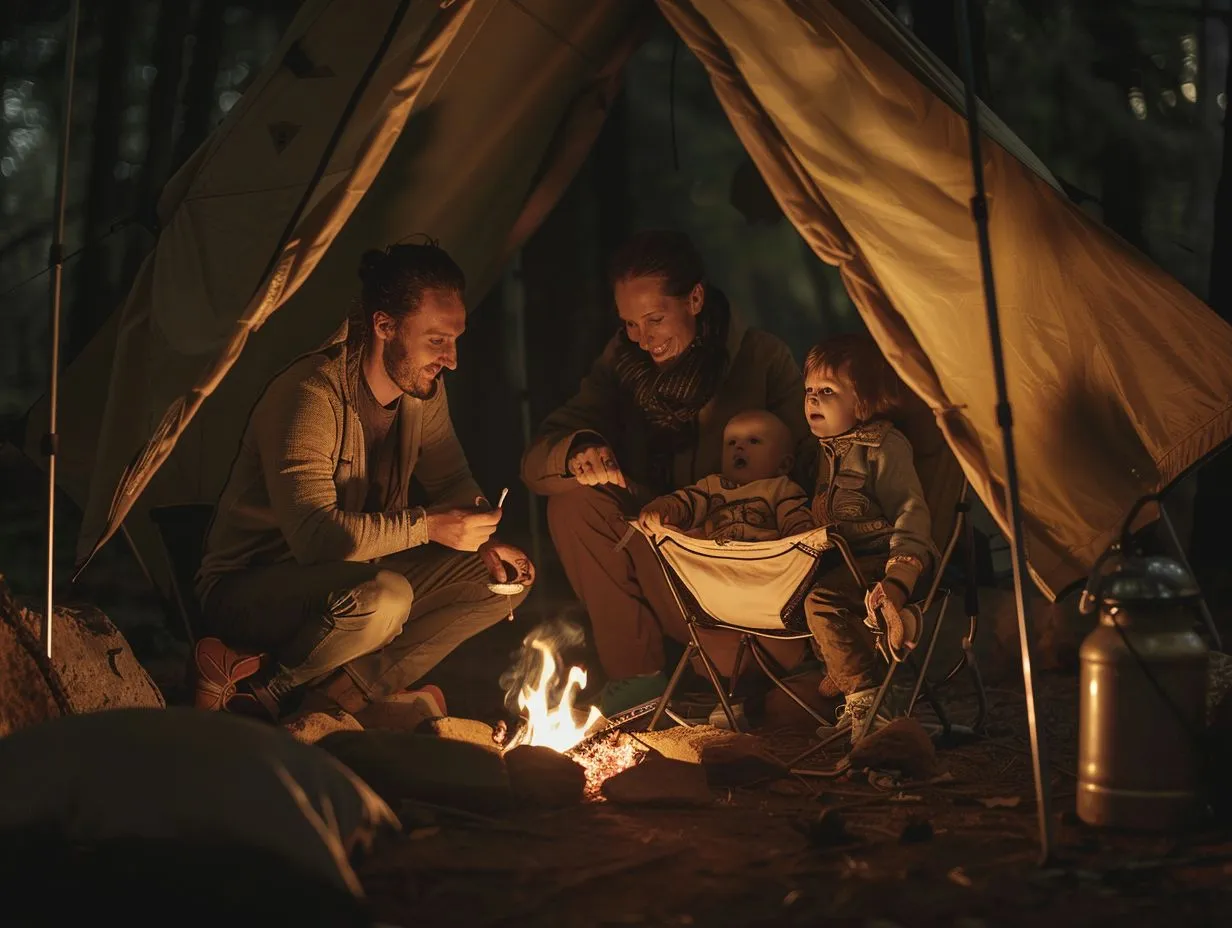
A child-friendly campsite is one where you can take your eyes off the kids for two minutes without your heart stopping. In practice that means a few specific things: a safe distance from roads and open water, somewhere flat and enclosed for little ones to run, a clean family bathroom, and other children for yours to fall in with by teatime.
The glossy extras (heated pools, kids' clubs, adventure playgrounds) are lovely but secondary. Get the basics right and a wet weekend in a field becomes the trip your children talk about all year. This guide covers what to look for, how camping changes as they grow, how to keep everyone entertained when it rains, and the regions and park types that suit families best.
It is the family camping guide from Camping Sites in Britain, where you can find and compare campsites, caravan parks and glamping across the UK.
What to look for, by your child's age
What makes a site work changes completely between a newborn and a ten-year-old. A pitch that is perfect for a baby (warm, quiet, two steps from the car) is a boring one for an older child who wants a games field and a gang to join. Use this to match the site to who you are actually bringing.
| Your child's age | What matters most on site | Worth checking before you book |
|---|---|---|
| Babies (under 1) | Warmth, a clean family bathroom, a level pitch near the facilities | Baby-changing, somewhere to heat a bottle, a short walk to the car |
| Toddlers (1 to 4) | Traffic-free space, water kept at a safe distance, a flat pitch | Enclosed play area, distance from ponds, roads and the car park |
| Young children (5 to 9) | A playground, other kids, room to run and cycle | Games field, bike-friendly tracks, families already on site |
| Older children (10+) | Activities, a shop or signal, a bit of freedom | Pool or water sports, an on-site cafe, walking and cycling routes |
What makes a campsite child-friendly
Five things separate a genuinely family-friendly site from one that merely allows children. Space, safety, facilities, play and other families. Every good family campsite has most of them, and the listings that call themselves child-friendly should be able to tick all five.
Space and a safe layout
Room to breathe is the single most valuable thing a family site can offer. Generous pitches mean children can play beside the tent without straying into a neighbour's guy lines, and a site that separates its family field from the adults-only and campervan areas is telling you it has thought about this. Check where your pitch sits in relation to the entrance road, the car park and any pond, river or lake, because those are the three hazards that matter most with young children.
Family shower rooms and baby facilities
A family bathroom changes a trip with small children. A single lockable room with a toilet, a basin at child height and space for a buggy means you are not juggling a toddler and a baby across a cold shower block at bedtime. Look for baby-changing units, hot water that actually stays hot, and washing-up areas, since the facilities block is where you will spend more time than you expect.
Play areas and things to do
A playground buys you the most precious thing on any family holiday, which is ten minutes to make a cup of tea. Fenced play areas, a games field, a small shop selling ice creams and a nature trail all earn their keep. On larger holiday parks this extends to heated pools, soft play and organised clubs, which is exactly what you want in changeable British weather.
Quiet hours and other families
A site with an enforced quiet time, usually from 10 or 11pm, is a site that understands families. It means an early bedtime for the children stands a chance, and it filters out the crowd who came to drink until 2am. The bonus is social: on a good family site your children will have found a pack of new best friends within the hour, which is half the point of camping in the first place.
Camping with babies and toddlers
Camping with a baby is far more manageable than it sounds, and the youngest children are often the easiest to take. A baby has no expectations, sleeps a great deal and needs a warm, dry, familiar routine, all of which you can carry with you. The two real jobs are keeping them warm at night and keeping the setup close to the car. Pack more layers than you think you need, a proper insulated sleeping mat underneath them, and a bottle-warming plan that does not involve wrestling a stove in the dark. Our full guide covers the kit and the sleep: read tips for camping with a baby.
Toddlers are the genuine challenge, because they are mobile, fearless and drawn to exactly the things you do not want them near. This is where site choice does the heavy lifting. A flat, enclosed pitch well away from water and the access road removes most of the worry before you have unpacked a single bag. Bring a travel highchair or a picnic blanket to contain mealtimes, plenty of familiar snacks, and something to mark out your patch, because a two-year-old understands "our square" far better than "stay close".
Camping with older children
Older children need a job and a bit of rope. From around five, kids want to be useful and independent, so hand them real tasks: pumping up airbeds, fetching water, collecting kindling, reading the map to the shower block. A camping trip is one of the best classrooms going, teaching fire, weather, cooking and wildlife without a worksheet in sight. We have turned that into a proper plan in how to make a camping trip educational for kids.
The bigger prize with this age group is freedom, carefully rationed. A safe site lets a nine-year-old walk to the shop or the playground alone, which feels enormous to them and is a large part of why children love camping. Give them a torch, a meeting time and a patch of the site to call their own, and let them get gloriously filthy. Our wider guide to enjoying the great outdoors with kids has more on pitching the balance between adventure and safety.
Keeping children entertained when it rains
It will rain, so plan for it rather than hoping. A single wet afternoon can sink a family trip, and the families who enjoy camping are simply the ones who packed for weather. A dry, roomy porch or a cheap tarp gazebo gives the children somewhere to be that is not the sleeping tent, and a bag of indoor games turns a washout into a highlight. Cards, dominoes, a compact travel board game, colouring, and the old campsite favourites of torch shadow puppets and hide-and-seek all work brilliantly. We have gathered a full set in campsite games for rainy days.
The other trick is to embrace the wet rather than fight it. Waterproofs and wellies for everyone means a rainy day becomes a puddle-jumping, den-building, worm-hunting adventure instead of three people trapped under canvas. Children mind the rain far less than adults do, provided they are dressed for it and there is a hot chocolate waiting at the end.
Family activities and days out
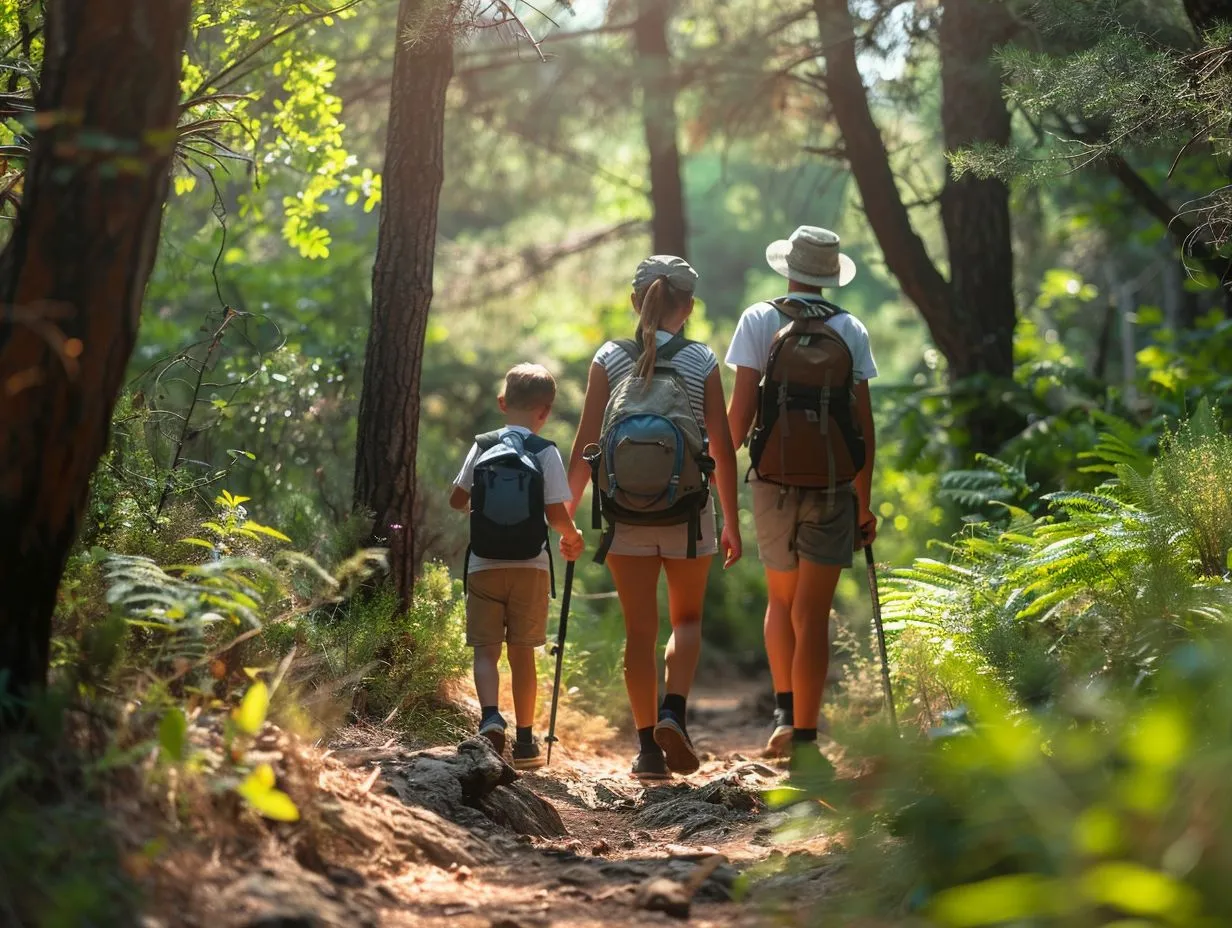
The campsite is a base, and half the fun is what you do from it. Traffic-free cycling is one of the best family days out in Britain, and a great many campsites sit within reach of an old railway path or forest trail where children can ride safely away from cars. See our pick of family-friendly cycling routes near campsites for routes that suit small legs.
For rainy days or a treat, the big attractions do the entertaining for you. Britain is well supplied with family days out, from the theme parks clustered around Dorset to the country's best water parks. Norfolk in particular rewards a family camping trip, with beaches, steam railways and seal trips within an easy drive, all covered in exploring Norfolk with kids.
Try the back garden first
A back-garden campout is the smartest way to test camping with children before you commit to a weekend away. You get the whole experience, the tent, the sleeping bags, the torches and the excitement, with the safety net of your own back door ten steps away. If it goes wrong at 2am, everyone troops inside and sleeps in their beds, no harm done. If it goes well, and it usually does, you have a child who now trusts the tent and cannot wait for the real thing.
It is also the ideal dry run for your kit. You will quickly learn whether the airbeds hold air, whether the sleeping bags are warm enough, and how long it takes to get everyone settled, all lessons far better learned in the garden than in a field in the rain. Our ultimate guide to camping in your back garden walks through the whole thing.
Best regions and park types for families
Some parts of Britain are simply built for family camping. The New Forest in Hampshire is arguably the finest family camping destination in England, with wild ponies, donkeys and cattle wandering freely between the campsites, gentle traffic-free tracks for young cyclists, and beaches on the Solent within reach. Forestry England runs a group of large, well-spaced sites in the middle of the forest, so children can watch ponies graze from the tent door. See the official listings at Camping in the New Forest, and browse your options across the country in our campsite listings.
For coast and beaches, the West Country is hard to beat. Family sites cluster across Devon and Cornwall, with surf beaches, rock pools and mild weather, while Dorset pairs its beaches with the fossil-hunting Jurassic Coast. Further north, the Lake District and North Yorkshire offer lakes, easy fells and steam railways.
On park type, the choice comes down to how much you want laid on. A large family holiday park (think heated pool, clubhouse, entertainment and a shop) is close to weatherproof and ideal for a first trip or for older kids who want things to do. A small, quiet farm or countryside campsite offers space, freedom and a fraction of the cost, but you bring your own entertainment. Neither is better; they suit different families and different weeks.
Common mistakes to avoid
Most family camping disasters come from the same short list of avoidable errors. Underpacking on warm clothes, forgetting the wet-weather plan, choosing a pitch too far from the toilets, and cramming three days of driving and attractions into a weekend so nobody actually relaxes. Overtired, overscheduled children are the fastest route to a miserable trip, so build in slow mornings and let them play in the mud. We have collected the biggest culprits in 10 common blunders that spoil family camping trips, and reading it before you pack will save at least one of them.
Keeping children safe on site
Three hazards account for nearly all the real risk when camping with children, and all three are easy to manage. Water, traffic and fumes.
- Water. Ponds, rivers, lakes and the sea are the biggest danger to young children on a campsite. Choose a pitch away from open water, set a firm rule that water is a grown-ups-together activity, and never rely on a fence or a fleeting glance.
- Traffic. The site access road and car park move slowly but children move unpredictably. Teach little ones where the edge of "our patch" is, and keep toddlers within arm's reach near any moving vehicle.
- Carbon monoxide. Never take a barbecue, stove or any burning fuel inside a tent or awning, even one that seems to have gone out, because a cooling barbecue releases carbon monoxide you cannot see or smell. It has killed campers. Cook outside in the open air, and read the official warning at carbon monoxide dangers when camping.
Beyond that, teach older children a few campsite basics: where your tent is (count the rows, or tie a ribbon on the guy line), your mobile number written on their arm or a wristband, and where to find a site warden. In the New Forest and other open sites, remind them the ponies and cattle are wild animals to admire from a distance, not pets to feed.
Which type of site should you choose?
Match the site to your family, not to the best photos online. Run through these questions before you book.
- How old are the children? Under-fives point you towards a small, quiet, enclosed site near the facilities. Over-eights point you towards a bigger park with pools, activities and other kids.
- Is this your first family trip? If so, favour a holiday park with a pool and a shop, or start with a back-garden campout, so a bad-weather day has a backup plan.
- What is the weather forecast? A washout weekend is far more bearable on a park with indoor facilities than on a remote field with nothing but a view.
- How far are you willing to drive? A brilliant site two hours away beats a mediocre one down the road, but not with a car full of toddlers. Keep the first trips short.
- Tent, or something with walls? A camping pod, safari tent or static caravan takes the weather worry out of a family trip entirely, at a higher price, and many family parks offer them alongside pitches.
Frequently asked questions
What makes a campsite child-friendly?
Space to play, a safe layout away from water and roads, a clean family bathroom with baby-changing, a play area or games field, and other families on site. An enforced quiet time from around 10pm helps too, since it protects an early bedtime and filters out late-night noise.
What age can you take a baby camping?
There is no set age, and many parents camp with babies from a few months old. The keys are keeping them warm at night with plenty of layers and an insulated mat, keeping your pitch close to the car and facilities, and choosing mild weather. Babies often travel more easily than toddlers.
How do you keep children entertained camping in the rain?
Pack for it. A roomy porch or a tarp gazebo, waterproofs and wellies for everyone, and a bag of cards, dominoes and travel games turn a wet day around. Children mind rain far less than adults if they are dressed to jump in puddles and build dens.
Where is the best place to camp with a family in the UK?
The New Forest is a standout, with free-roaming ponies, safe cycling tracks and nearby beaches. Devon, Cornwall and Dorset offer coast and rock pools, while the Lake District and North Yorkshire add lakes and steam railways. Large family holiday parks suit first-timers and changeable weather.
Is camping safe for young children?
Yes, with sensible precautions. The three real hazards are open water, site traffic and carbon monoxide from barbecues or stoves, so pitch away from water, keep toddlers close near vehicles, and never bring any burning fuel inside a tent. Beyond that, camping is one of the safest family holidays going.
Should we try camping in the garden first?
It is the best possible warm-up. A back-garden campout gives children the full tent-and-torches experience with their bed a few steps away, and it lets you test your kit and sleep setup before a weekend in a field. If it goes well, they will be desperate for the real trip.
The short version
Pick a site with space, a safe layout and a clean family bathroom, choose it to match your children's ages, and pack properly for rain. Start with a back-garden campout or a well-equipped holiday park, keep the youngest ones warm and close to the car, and mind the water, the traffic and the barbecue fumes.
Do that and the rest looks after itself, because children are built for camping. Find the site that fits your family in our campsite listings, or start planning your trip at Camping Sites in Britain.