Educational Camping Activities for Kids: Sneak Learning Into the Trip
· Updated
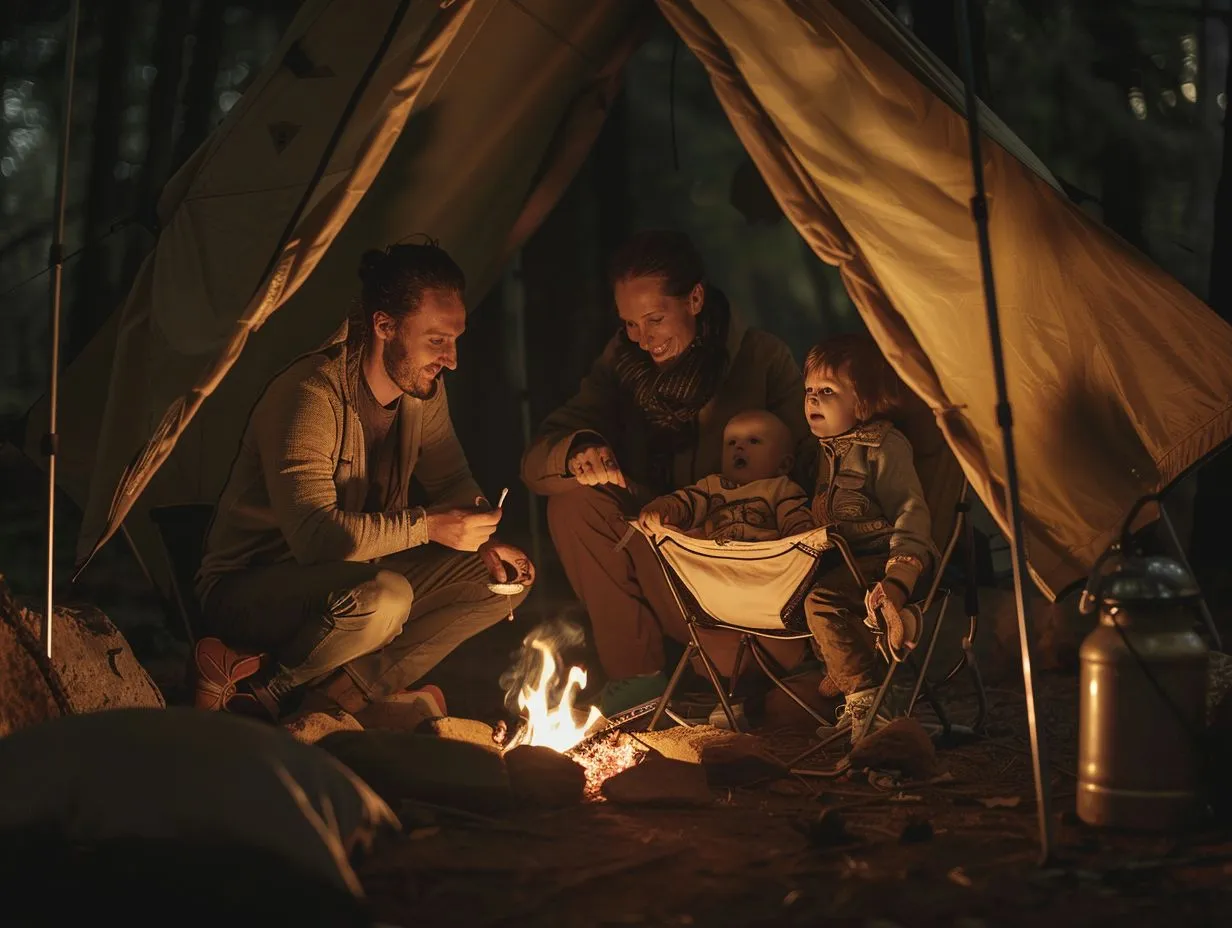
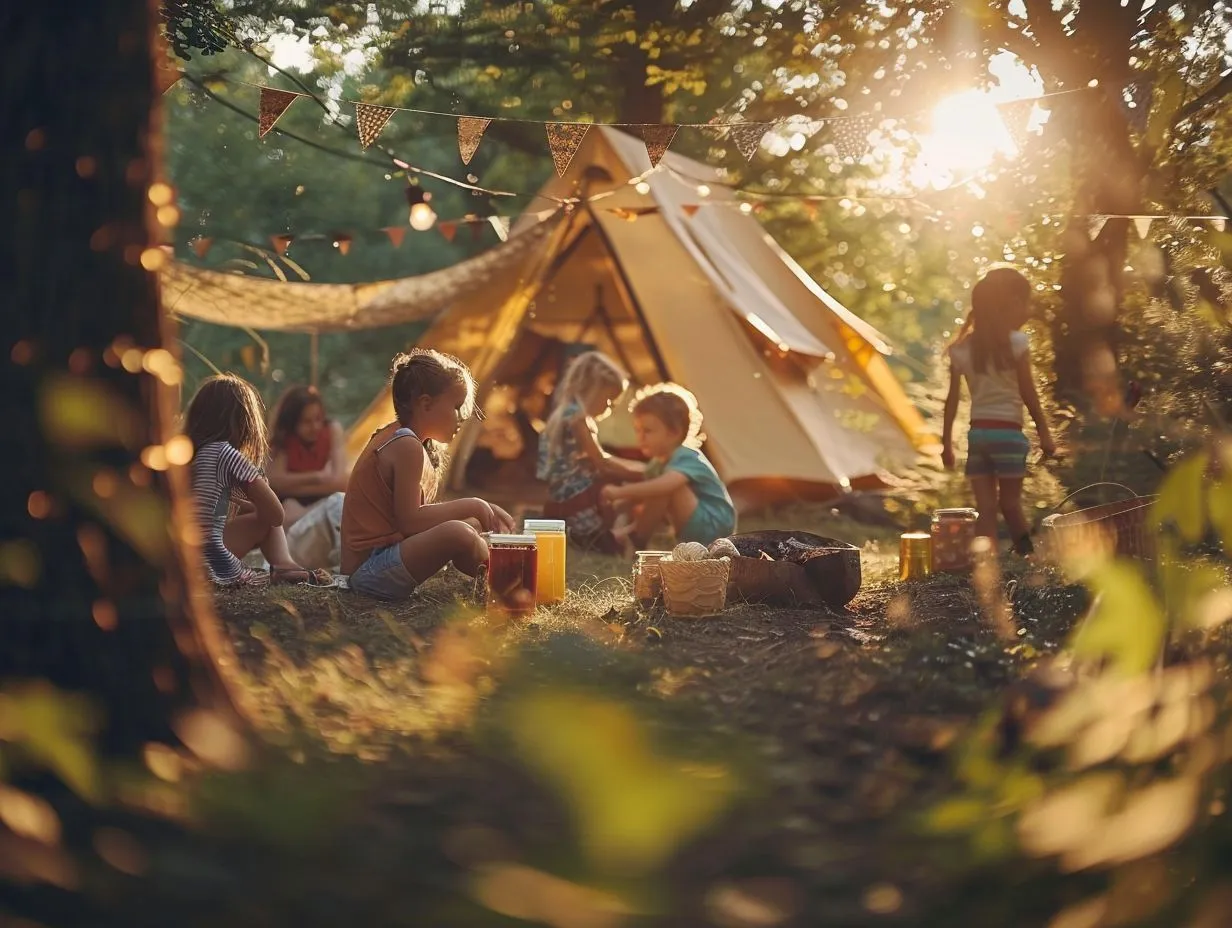
The trick to an educational camping trip is that the children never find out. A weekend in a field quietly covers biology, astronomy, geography, chemistry and history, and the moment it feels like a lesson, it stops working. So you do not run a lesson. You point at things, hand over a phone with the right app on it, ask a good question, and let curiosity do the rest.
Here are the activities that actually land with kids, what each one teaches without anyone mentioning it, and the kit that makes them work. It is part of our guide to child-friendly campsites in the UK, from Camping Sites in Britain, where you can find and compare family sites across the country.
What a camping trip teaches, at a glance
Almost every subject on the school timetable has an outdoor version that is more fun and sticks better. This table maps the activity to what children are really learning, and the age it tends to click.
| Activity | What they are actually learning | Works best from |
|---|---|---|
| Tree, bird and bug ID with apps | Biology, observation, classification | Age 5 |
| Stargazing and constellations | Astronomy, scale, seasons | Age 6 |
| Map reading and navigation | Geography, scale, direction | Age 7 |
| Fire lighting and camp cooking | Chemistry, physics, safety | Age 8, supervised |
| Pond dipping and habitats | Ecology, food chains | Age 5 |
| Castles and heritage sites | History, timelines | Age 6 |
| Nature journal | Writing, drawing, memory | Age 6 |
Nature study: name the things around you
Identifying what you can see is the easiest win of the trip and the one that needs no planning at all. Children are natural collectors, and a name turns a random tree into a thing they own. Free apps do the hard part, so nobody has to know an oak from an ash to get started.
Put Merlin Bird ID, made free by the Cornell Lab of Ornithology, on a phone before you leave home. It listens to birdsong and tells you what is singing, which feels like magic to a seven year old at breakfast. For plants, trees and minibeasts, Seek by iNaturalist identifies things from a photo without collecting any personal data, so it is safe to hand over.
Set a small challenge, not a lecture: five birds by lunch, three trees by the fire, one bug nobody in the family has ever seen. Our guide to the best apps for identifying wildlife while camping covers which ones are worth the storage, and the RSPB wildlife pages are a solid free reference when you get home.
Stargazing: the sky is the best screen
A dark rural pitch shows children more stars than they have seen in their lives, and that first look up does most of the teaching for you. Away from town lights the Milky Way is visible on a clear moonless night, and picking out constellations turns the whole sky into a puzzle they can solve.
Start with the easy landmarks. The Plough is up all year in Britain, and its two end stars point straight to Polaris, the North Star, which never moves. From there you can find Cassiopeia, and in summer the bright triangle of Vega, Deneb and Altair overhead. Apps like SkyView Lite or Stellarium hold a phone up to the sky and label everything in real time, which settles arguments fast.
For the real show, aim for one of Britain's dark sky reserves: Northumberland, Galloway Forest, Exmoor, the South Downs or Bannau Brycheiniog (the Brecon Beacons). Better still, time a trip to a meteor shower. The Perseids peak around 12 August every year and throw dozens of shooting stars an hour, and our guide to planning a camping trip around meteor showers has the dates and the kit.
Map reading: put them in charge of the way
Hand a child the map and they stop being a passenger. Navigation teaches scale, distance, direction and a bit of quiet responsibility, and it is one of the few skills that genuinely fades without paper practice. A phone does it all, which is exactly why doing it the old way feels like an adventure.
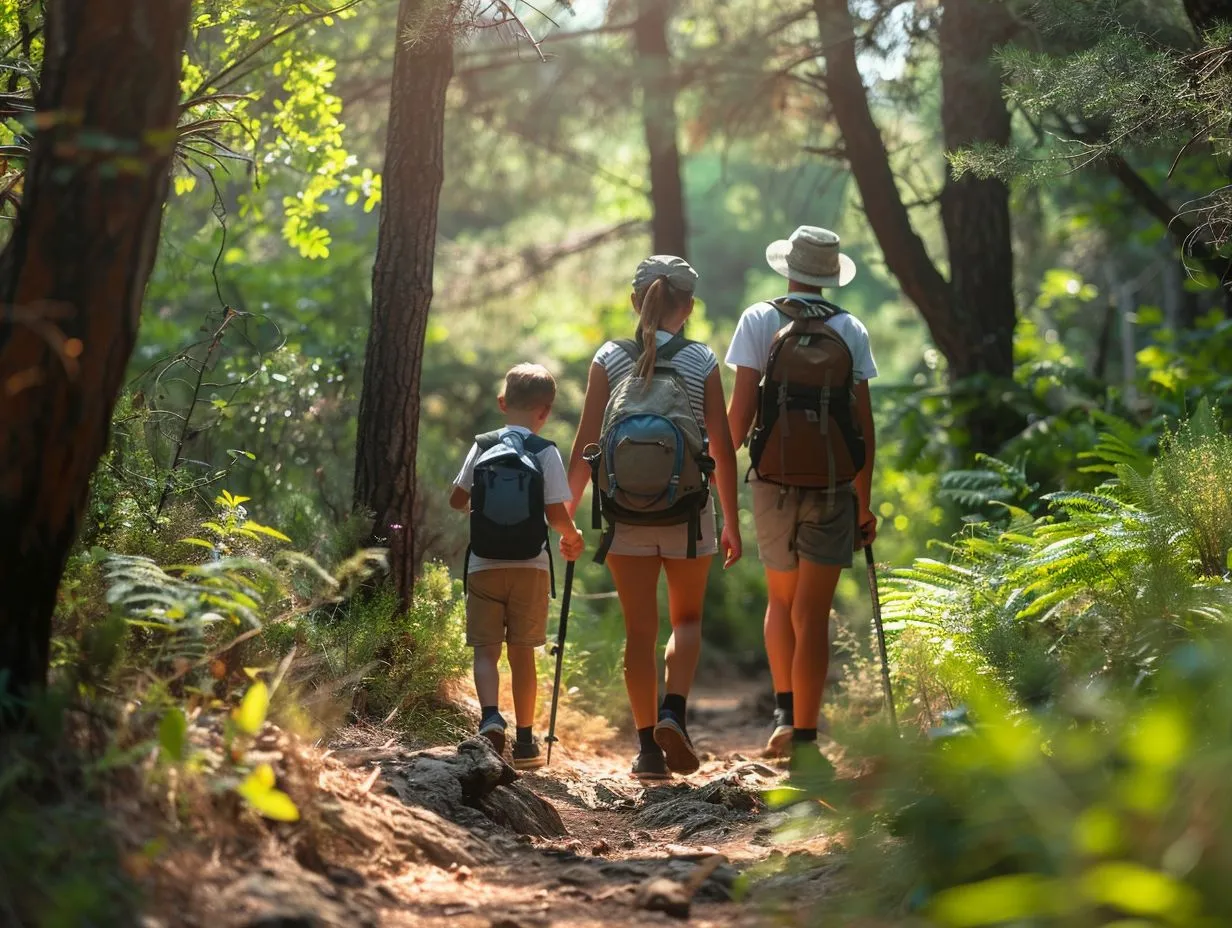
Buy the Ordnance Survey Explorer map for your area, the orange 1:25,000 ones, where four centimetres on the map is one kilometre on the ground. Show them the grid, let them work out which way is north with a compass, and give them the job of getting the family to the next gate or trig point. On a walk from the site, ask them to guess the distance to a landmark, then check it. They will be closer than you think by the second day.
Keep the first outings short and winnable. A family-friendly loop from the campsite is plenty, and our family-friendly cycling routes near campsites work the same way on two wheels, with the child up front reading the turns.
Fire and cooking: chemistry you can eat
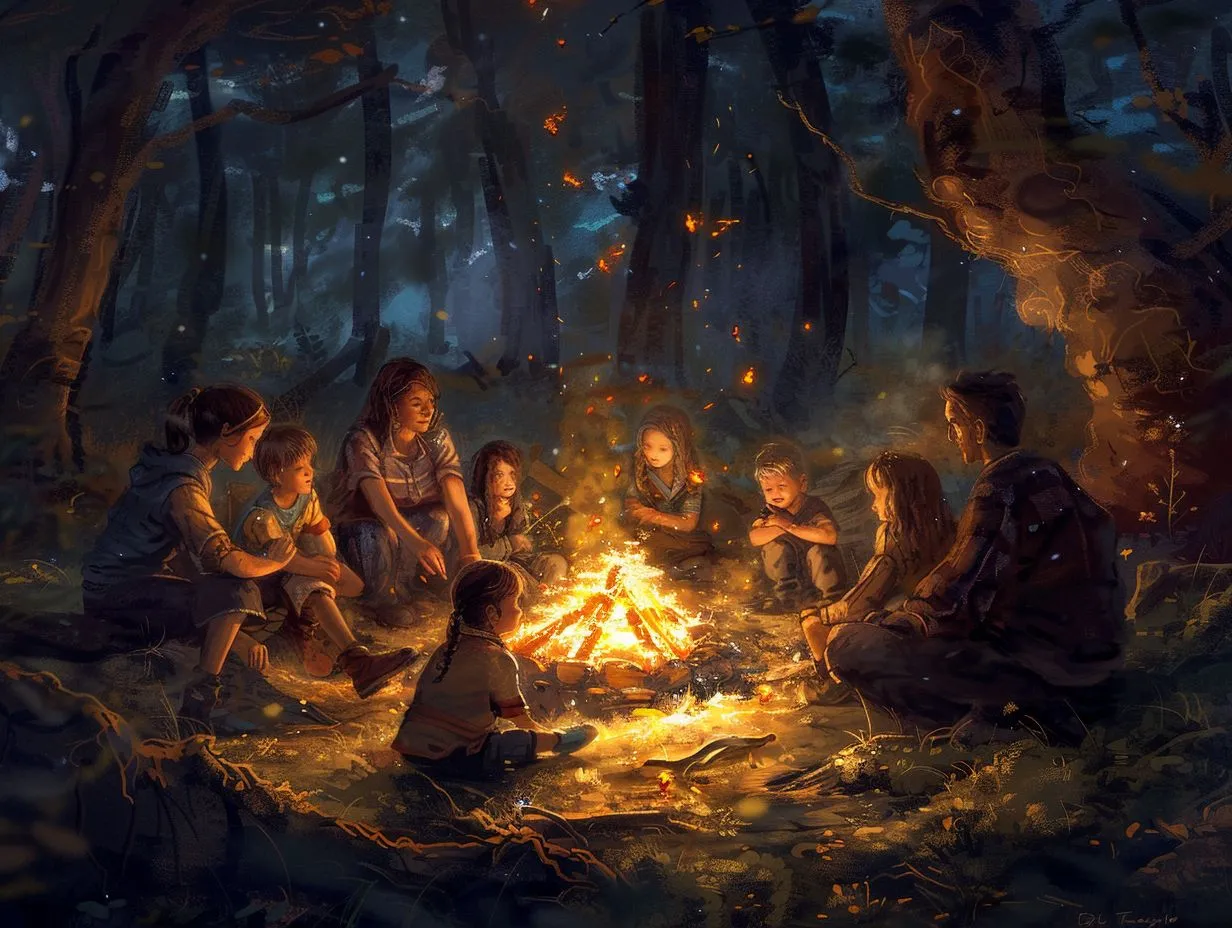
A campfire is a chemistry lesson that ends in marshmallows, which is why it is the activity children remember for years. Lighting a fire safely teaches them that flames need three things, fuel, heat and oxygen, and that taking any one away puts it out. That single idea is the whole of fire safety and a chunk of GCSE science in one go.
Let older children build the fire under supervision. Show how a spark catches dry tinder before kindling before logs, and why you blow on embers to feed them oxygen. At the stove, cooking is physics and chemistry you can taste: water always boils at 100°C, dough rises because trapped gas expands, and a toasted marshmallow browns through the Maillard reaction, the same thing that makes toast and steak taste good.
Keep a bucket of water within reach, never leave the fire unattended, and follow the site's fire rules, since many pitches ban open flames in dry spells. The Countryside Code asks everyone to be careful with fire on open land for good reason.
Wildlife and habitats: how it all connects
Once children can name a few species, the next question sells itself: what eats what, and who lives where. A pond, a hedge and a rock pool are three different worlds within a short walk of most sites, and comparing them teaches ecology far better than a diagram ever will.
Pond dipping needs nothing more than a net, a white tray and a bit of pond water. Scoop, tip it into the tray, and watch pond skaters, water boatmen and the odd newt appear. Talk about the food chain in front of them: tiny things eaten by bigger things eaten by the heron on the far bank. Lift a log or a stone (and put it back exactly as it was) to find the woodlice and beetles that never see daylight. Coastal sites add rock pools at low tide, the best free aquarium in Britain.
For the practical side of getting small children out and interested without a meltdown, our tips for enjoying the great outdoors with kids cover pace, snacks and how long any of this actually holds their attention.
History: castles and heritage on the doorstep
A ruined castle beats a textbook because children can climb the history. Most parts of Britain have a castle, abbey, hillfort or Roman remains within half an hour of a campsite, and English Heritage, the National Trust, Cadw in Wales and Historic Environment Scotland keep hundreds of them open, often free to members.
Pick a site with something to do, not just something to look at. Bodiam or Corfe Castle for a proper moat and murder holes, Hadrian's Wall for the scale of the Roman frontier, or any local hillfort where you can stand on 2,000-year-old earthworks. Ask the questions that make it real: who lived here, why is it on a hill, what happened when it was attacked. Many sites run free children's trails that turn a walk round the walls into a hunt. If you are pitched in Dorset, our guide to Dorset's family attractions pairs the heritage with a day the kids will campaign for.
The nature journal: tie it all together
A cheap notebook is the single best educational tool you can pack, because it turns everything else into writing, drawing and memory. Ten minutes of journalling in the evening quietly practises the skills schools spend terms on, and it gives children a record of the trip that beats any photo.
Keep it loose. A sketch of a feather, the name of a bird from the app, a pressed leaf taped in, the shape of a constellation, one sentence about the fire. Younger children draw, older ones write and label. Give them prompts rather than rules: what was the loudest thing you heard today, what would you tell your best friend about, what do you want to find tomorrow. The journal is also the perfect rainy-tent activity, and our campsite games for rainy days keep the momentum going when the weather closes in.
Keeping it fun, not schooly
The fastest way to kill an educational trip is to make it feel compulsory. A few simple rules keep it on the right side of the line.
- Follow their lead. If they are obsessed with beetles, do beetles all day and forget the stars. Depth beats coverage.
- Never call it learning. It is a challenge, a hunt, a mission, a job. The word "educational" is for the parents only.
- Let them teach you. Being the family expert on wasps or the Plough is a powerful motivator for a nine year old.
- Keep sessions short. Ten focused minutes lands better than an hour that ends in a strop.
- Bring the right kit and stop. A net, a map, a notebook, a torch and a phone with three apps covers everything on this page.
Avoid the classic own goals too. Our guide to common blunders that spoil family camping trips covers the tired, hungry, over-scheduled mistakes that turn any activity sour, learning or not.
Frequently asked questions
What age can children start learning on a camping trip?
From about age three for simple sensory activities like collecting leaves, spotting colours and listening for birds. Bird and bug ID with apps works from five, map reading and fire science from seven or eight. Match the activity to the child, not the timetable.
What is the best free app for identifying wildlife with kids?
Merlin Bird ID for birdsong and Seek by iNaturalist for plants, trees and minibeasts. Both are free, work from a photo or sound, and Seek collects no personal data, so it is safe to hand to a child.
Do I need to be an outdoors expert to teach my kids?
No. The apps identify the wildlife, the map does the geography, and letting children work things out alongside you beats lecturing them. Learning together, and admitting when you do not know, is more effective than pretending to be an expert.
Where can we go stargazing with children in the UK?
Any dark rural campsite works, but Britain's dark sky reserves are best: Northumberland, Galloway Forest, Exmoor, the South Downs and Bannau Brycheiniog. Time a visit to the Perseid meteor shower around 12 August for dozens of shooting stars an hour.
What should I pack to make a camping trip educational?
A cheap notebook and pencils, a small net, an Ordnance Survey Explorer map and compass, a torch, and a phone loaded with Merlin, Seek and a star app. That covers biology, geography, astronomy and writing for a few pounds.
How do I stop it feeling like school?
Never call it a lesson, follow the child's interest, keep each activity to ten minutes, and frame everything as a challenge or a hunt. If they lose interest, stop. The best educational trips are the ones the children think were just fun.
The short version
You do not teach a camping trip, you set it up and get out of the way. Load three free apps, pack a notebook, a map and a torch, and let a field, a fire and a dark sky do the work. The children learn biology, astronomy, geography and history, and remember it as the best weekend of the summer.
When you are ready to book, browse child-friendly campsites in the UK or search the full campsite directory to find a site with the wildlife, dark skies or castles your family will love.