Walking boots or trail shoes? How to choose for UK hills
· Updated
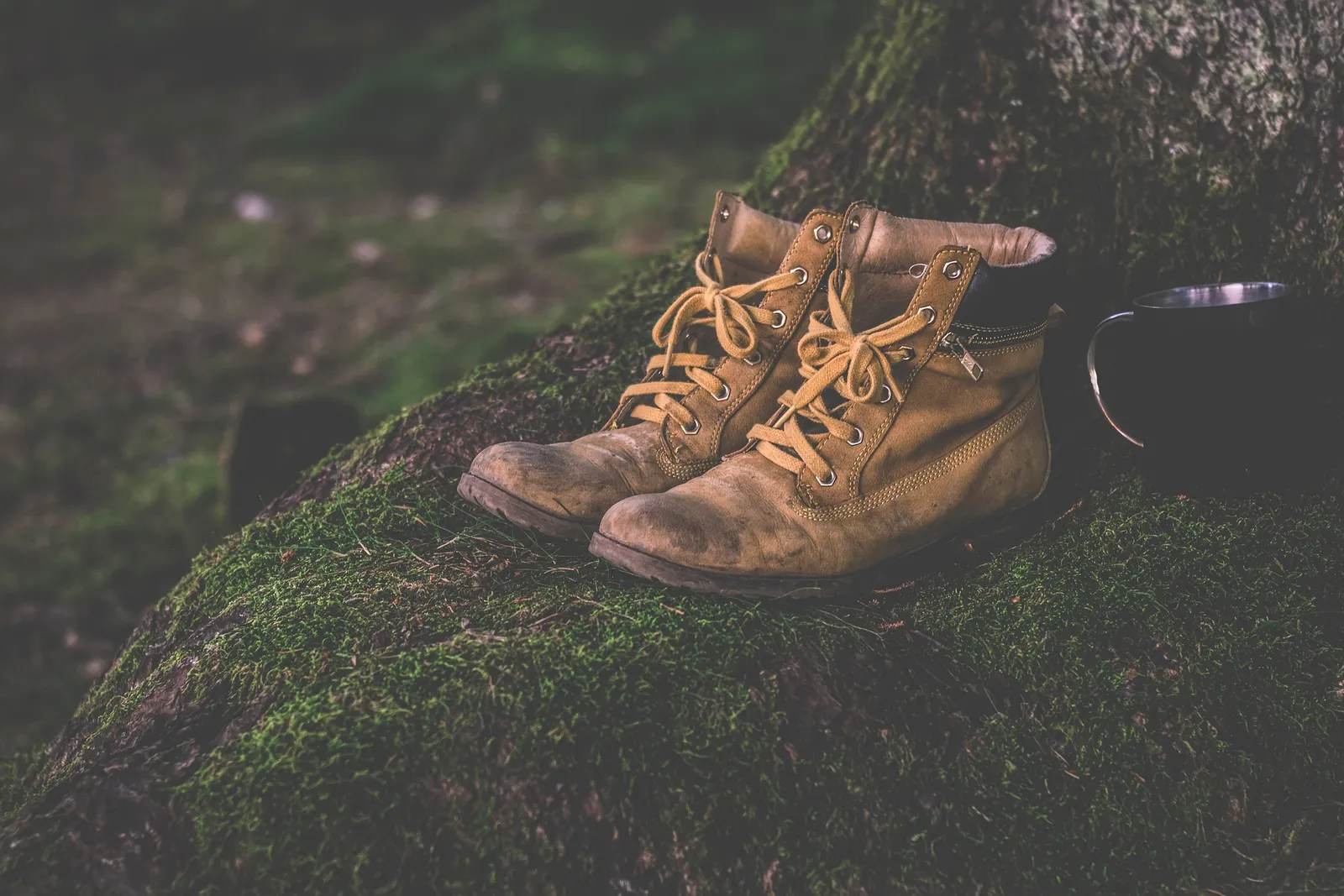
Here is the short answer. Choose walking boots for mountains, rough or boggy ground, winter, and any hike where you are carrying a heavy pack. Choose trail shoes for made paths, dry summer trails and fast, light walking. If your feet are healthy and you are sticking to well-kept routes, trail shoes are lighter, cooler and more comfortable than most people expect. If the terrain turns steep, wet or wild, boots earn their weight.
Neither is simply better. They are tools for different ground, and the right pick depends on where you walk, what you carry and the time of year. This guide is part of our wider advice on camping along the UK's national trails, and it sits alongside the campsite listings at Camping Sites in Britain so you can plan the walk and the pitch together.
Get the category right, then get the fit right, and your feet will barely feature in the day. Get it wrong and they will be all you think about.
Walking boots or trail shoes: the quick verdict
Match the footwear to the ground and the load, not to fashion or to what the person in the shop happens to sell. The table below is the fast version.
| Your walk | Best choice | Why |
|---|---|---|
| Mountains, Munros, scrambling | Walking boots | Ankle support, stiff sole, protection on rock |
| Boggy moorland, tussocky ground | Walking boots | Warmer, more waterproof, better underfoot |
| Winter hillwalking | Walking boots | Warmth, waterproofing, stiffness for grip |
| Multi-day backpacking with a heavy pack | Walking boots | Support under load, steadier on descents |
| National trail paths, canal towpaths, forest tracks | Trail shoes | Lighter, cooler, comfy over the miles |
| Dry summer day hikes, fast walking | Trail shoes | Quick, breathable, dry out fast |
| Rocky day walks, easy scrambles, light pack | Approach shoes | Grippy, protective, still fairly light |
Walking boots: when the ground gets serious
Walking boots are the choice whenever the terrain, the weather or the weight on your back turns the walk into hard work. Their taller cuff supports the ankle, which matters most on uneven, rocky and steep ground where a foot can roll. A stiffer, thicker sole spreads the load, resists sharp stones and stays comfortable under a full backpacking pack that a soft sole would let you feel through the day.
They are also warmer and, as a rule, more waterproof than trail shoes, which is why they own the winter hills and the classic British bog. On Dartmoor, the Peak District groughs, the boggy approaches to a Lake District summit or a wet Welsh ridge, a boot keeps water and cold out for longer.
The trade-off is weight. Boots are heavier on the foot, warmer than you want on a hot day, and they need more breaking in. For a mountain day, a winter walk or a multi-day route with a laden pack, that weight buys you support, warmth and protection you will be glad of. Safety on high ground is about more than footwear, so pair good boots with the wider advice in our guide to mountain safety.
Trail shoes: light, fast and cooler
Trail shoes, sometimes called trail runners, are the choice for well-made paths, dry trails and fast, light hiking. They weigh far less than boots, which adds up over a long day because every step lifts less off the ground. They breathe better, run cooler in summer, feel more comfortable straight out of the box, and they drain and dry quickly when you do get them wet, which is often a bigger advantage than trying to keep water out at all.
What you give up is support and protection. There is no ankle cuff, the sole is softer and more flexible, and a sharp rock or a heavy pack will make itself felt more than it would in a boot. For most day walks on Britain's national trails, forest tracks and coastal paths in dry conditions, none of that is a problem, and plenty of long-distance walkers now cover the whole of a route like the West Highland Way or the South West Coast Path in trail shoes.
If you are moving light and fast, poles take strain off the legs and add stability that trail shoes do not, which is worth reading up on in our guide to the best hiking poles.
Approach shoes: the middle ground
Approach shoes sit between the two and suit rocky day walks where you want grip and protection without full boots. They were designed for walking in to climbs over rough ground, so they have sticky rubber, a firmer toe and a more protective sole than a trail shoe, while staying lighter and lower than a boot.
For scrambly day hikes with a light pack, dry rock and easy grade-one scrambles, they are a brilliant compromise. They are not a winter or a heavy-load solution, and they lack the ankle support of a boot, so treat them as a specialist option rather than a do-everything shoe.
How to decide: the five factors that actually matter
Work through terrain, load, season, your own ankles and, above all, fit. Those five settle almost every case.
Terrain
Rocky, boggy, steep or trackless ground argues for boots; made paths argue for shoes. The rougher and wetter it gets underfoot, the more you want the stiffer sole and the higher cuff. A graded national trail or a towpath asks for none of that.
Load
A heavy pack argues for boots. Weight on your back changes everything: it presses the sole into every stone, tires the feet faster and makes ankles less stable on descents. A stiff boot carries a multi-day load far more comfortably than a soft trail shoe. A daypack with lunch and a waterproof does not.
Season
Winter argues for boots. Cold, snow, ice and short wet days all favour the warmth and waterproofing of a boot, and proper winter walking with crampons needs a stiff boot to take them. Summer swings the other way, when breathable trail shoes keep feet cool and dry quickly after a shower or a stream crossing.
Your ankles
Your own history counts. If you have weak ankles or a record of rolling them, the support of a boot is worth having, especially on rough ground. If your ankles are strong and used to uneven terrain, you may prefer the freedom and lighter feel of a shoe.
Fit above all
Fit matters more than the category. A boot that rubs is worse than a shoe that fits, and vice versa. Whatever type you land on, the pair that fits your foot properly and has been broken in is the one that will keep you comfortable. That is where the buying tips below come in, and it is worth getting right before any big route, including the ones in our guide to how to plan a multi-day hike.
Buying tips: getting the fit right
Buy on fit, not on colour or brand, and give yourself time to get it right. A few simple rules cover most of it.
- Get fitted in the afternoon. Feet swell through the day and on a long walk, so trying footwear on later gives you the truer size. Morning-fitted boots can feel a size too small by mile eight.
- Allow a thumb's width at the toe. With your foot slid forward, you want roughly a thumb's width of room ahead of your longest toe. Too little and your toes will jam painfully on every descent.
- Wear proper hiking socks. Try footwear on with the walking socks you will actually wear, not thin cotton ones. The right socks change the fit and do half the job of preventing blisters.
- Break them in before a big walk. Wear new boots or shoes around the house and on short local walks first, building up before you commit to a full day or a multi-day route. This is doubly true for stiffer boots.
- Decide on the membrane. A waterproof lining is a real choice, not an automatic yes, as the next section explains.
The membrane question: waterproof or not
A waterproof membrane keeps water out, but it also runs warmer and stays wet once flooded, so it is a trade-off rather than a free upgrade. A Gore-Tex or similar lining will keep out rain and shallow puddles and is genuinely useful in cold, wet British conditions, which is part of why boots so often have one.
The catch is that a membrane makes footwear warmer and less breathable, which is uncomfortable on hot summer days. And once water comes in over the top, through a deep bog or a stream crossing, the membrane that kept water out now traps it in, and lined footwear dries slowly. Non-waterproof trail shoes let water straight back out and dry on your feet as you walk.
As a rough guide: pick waterproof for winter, wet ground and cold weather, and consider non-waterproof trail shoes for dry summer walking and anywhere you expect to be crossing water often. There is no single right answer, only the right answer for your conditions.
Where to try them out
Test new footwear on a real walk before you rely on it, ideally somewhere with a bit of everything. A weekend based at a campsite near good paths lets you rack up the miles and find any hot spots before a big trip. You can browse and compare sites across the country in the Camping Sites in Britain directory and pick a base close to the trails you want to walk.
Frequently asked questions
Are walking boots or trail shoes better for UK hiking?
It depends on the ground. Boots win on mountains, boggy moorland, winter walks and multi-day routes with a heavy pack. Trail shoes win on made paths, dry summer trails and fast, light hiking. For most graded national trails in good weather, trail shoes are enough.
Do I need boots for the Lake District or Snowdonia?
For the high fells and summits, yes, boots are the safer choice, given the rocky, steep and often wet ground and the ankle support they give under a pack. For low-level valley paths and lakeside walks in dry weather, trail shoes are fine.
Can you wear trail running shoes for hiking?
Yes. Many walkers cover long distances, including full national trails, in trail running shoes. They are lighter, cooler and dry faster than boots. The trade-off is less ankle support and protection, so they suit good paths and lighter loads more than rough mountain ground.
Should hiking footwear be waterproof?
Not always. Waterproof linings keep rain out and suit winter and wet, cold ground, but they run warmer, breathe less and dry slowly once flooded. For dry summer walking and frequent stream crossings, non-waterproof trail shoes that drain and dry quickly are often better.
How much room should you leave at the toe of walking boots?
About a thumb's width. Slide your foot forward in the unlaced boot; you want roughly a thumb's width of space ahead of your longest toe. This stops your toes jamming on descents. Always try footwear on in the afternoon with proper hiking socks.
How long does it take to break in walking boots?
Allow a couple of weeks of gradual wear. Start around the house, then short local walks, building up the distance before any big route. Stiffer leather boots need longer than flexible fabric ones. Trail shoes need little to no breaking in.
The short version
Boots for mountains, bog, winter and a heavy pack; trail shoes for made paths, dry trails and fast summer miles; approach shoes for rocky day walks in between. Whatever you choose, fit beats category every time, so get sized in the afternoon, leave a thumb's width at the toe and break them in first.
When you have the footwear sorted, plan the rest of the trip with our guide to camping along the UK's national trails.