How to Plan a Multi-Day Hiking Trip in the UK
· Updated
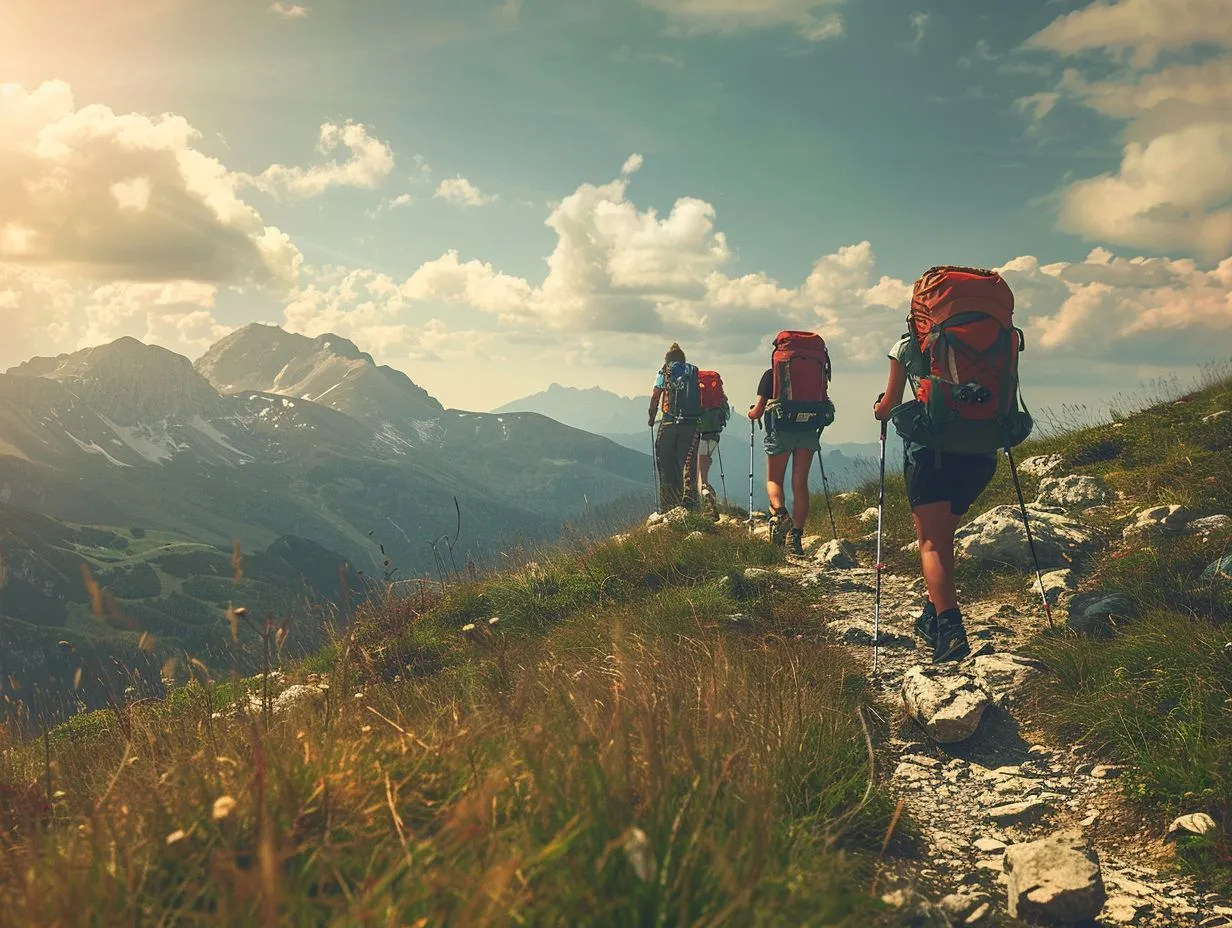
Planning a multi-day hike comes down to five decisions made in order: the route, how far you walk each day, where you sleep, how you get there and back, and how you stay safe. Get those right and the rest is packing. A realistic first target for most people is a waymarked National Trail walked at 12 to 18 miles a day, with a bed or a pitch booked at the end of each stage.
The easiest way to start is a route that does the hard work for you. Britain's National Trails are signed with the acorn symbol, split into sensible day stages by the guidebooks, and lined with campsites, bunkhouses and B&Bs. Our guide to camping along the UK's national trails covers the trails themselves; this page is the planning process that turns one into a trip you can actually walk.
This is the multi-day planning guide from Camping Sites in Britain, where you can find and compare campsites, bunkhouses and glamping the length of every major trail.
Choose the route first
Start with a waymarked National Trail unless you have a specific reason not to. They are navigable in poor weather, resupply is straightforward, and you are rarely far from help. Three make excellent first multi-day walks.
| Trail | Length | Typical days | Character |
|---|---|---|---|
| West Highland Way | 96 miles | 7 to 8 | Milngavie to Fort William, Scotland's most walked long trail, good infrastructure |
| Pennine Way | 268 miles | 16 to 19 | Britain's first National Trail, tough moorland, a serious undertaking |
| South West Coast Path | 630 miles | Section it | England's longest National Trail, walked in one to two week chunks |
You do not have to walk a whole trail. Most people take a week and do one section, and the South West Coast Path in particular is designed to be broken into stretches. A self-planned route linking rights of way is possible and rewarding, but leave it until you have a couple of waymarked trips behind you, because you are then responsible for every navigation decision and every night's shelter.
Match the distance to your fitness, not your ambition. Roughly 12 to 18 miles a day is a sustainable range for a reasonably fit walker, and you should sit at the lower end where there is heavy ascent, rough ground or a full pack. Twenty miles a day with 1,000 metres of climb for a week is an athlete's schedule, not a holiday.
Work out how long each day takes
Use Naismith's Rule to turn a distance into hours. The rule allows one hour for every 5km (roughly 3 miles) you walk, plus one extra hour for every 600 metres of ascent. That works out at about 5km/h on the flat and one added minute for every 10 metres you climb.
So a 20km day with 800 metres of ascent is four hours of walking plus about 80 minutes of climbing, near enough five and a half hours before you add rest stops, lunch and photographs. Add a generous margin for a heavy pack, wet ground or tired legs late in a trip, and never plan to finish at dusk. The figures come from the mountaineering guidance at nationaltrail.co.uk and the standard hill walking sources, and they are a floor, not a promise.
Sort your accommodation
Decide your sleeping style early, because it drives your pack weight, your daily distance and your budget. You have five realistic options on a UK trail.
- Campsites. The flexible middle ground. You carry a tent but get facilities, and most trails have a site at or near the end of each stage. Prices run from about £8 to £20 a pitch.
- Bunkhouses and hostels. A bed, a drying room and a kitchen, so you carry no shelter and no stove. Common along the West Highland Way and in the national parks.
- Bothies. Basic free shelters, mostly in Scotland, maintained by the Mountain Bothies Association. Bring everything and follow the Bothy Code; they are shared, first come first served, and never guaranteed.
- B&Bs and inns. The lightest way to walk, since you carry only a daypack. Book well ahead in summer, especially in villages with a single pub.
- Wild camping. Legal in Scotland under the Land Reform (Scotland) Act 2003 and, in England, only on parts of Dartmoor. Everywhere else in England and Wales you need the landowner's permission. Read the full rules in our guide to backpacking in the national parks before you rely on it.
You do not have to pick one. Many people mix a couple of campsite nights with a bunkhouse midway through for a shower and a proper dry out. Whatever you choose, book ahead in July and August, when trail towns fill up fast. Compare pitches and beds along your route in our campsite directory, and browse sites near the northern end of the West Highland Way in the Scottish Highlands.
Plan the logistics
Getting to the start and home from the end is the part most first-timers underestimate. Linear trails begin and finish in different places, so work out both journeys before you book anything else. The West Highland Way is a model here: a train to Milngavie at the start and a train or bus back from Fort William at the finish, no car left stranded.
If you drive, either use a trail with good public transport at each end or arrange a shuttle, because a car parked at the start is useless when you finish 90 miles away. Check resupply too. Note which stages pass a shop or a pub doing food, and carry enough between them, as some days on the Pennine Way have nothing open for 20 miles. For a lighter walk, several trails have luggage transfer services that move your main bag between accommodation for a daily fee, leaving you a daypack.
Mapping and navigation
Carry a paper map and a compass, and know how to use them, even on a waymarked trail. Signs get vandalised, cloud comes down, and a flat phone leaves you with nothing. The Ordnance Survey 1:25,000 Explorer series is the standard for walkers, and the relevant sheets or a printed strip map should live in a waterproof case.
A GPX file of the route on a phone app is a brilliant backup and worth having, but treat it as the second system, not the first. A phone dies in the cold and cracks on rock. If you are rusty, our guide to how to use a map and compass covers taking a bearing and relocating yourself, which are the skills that matter when the path disappears into mist on a moor.
Kit and pack weight
Pack weight decides whether the trip is a pleasure or a slog, and it is the one variable fully under your control. Aim to keep a loaded pack under about a quarter of your body weight, and weigh it at home before you commit. Every item earns its place or stays behind.
The big three are shelter, sleeping system and pack, and that is where weight is won or lost. A lighter tent and a well-chosen sleeping bag for the season save more than trimming the small stuff ever will. Layer your clothing rather than packing bulky single items, always carry full waterproofs, and take a proper first aid kit including blister plasters. Choosing a bunkhouse or B&B route removes the tent, stove and sleeping bag entirely, which is the fastest way to a light pack.
Food, water and fuel
Plan food by the day and by the meal, then add one spare day's worth. Lightweight, high-energy items carry best: porridge, dehydrated evening meals, oatcakes, hard cheese, nuts, dried fruit and plenty of snacks you will actually eat when tired. Count on burning far more than a normal day, so pack more than feels sensible.
For water, fill up at every reliable source and treat anything from a stream. Upland British water looks clean but can carry bugs from livestock and wildlife upstream, so carry a filter or purification tablets and never assume. Plan your water around the day's resupply points, and in hot weather carry extra between them, because a dry ridge on a warm afternoon is where people get caught short.
Weather, season and fitness
The best months for a UK multi-day walk are roughly May to September, with May and June often driest and September quieter underfoot. Scottish trails add the midge, which peaks from June to August on the west coast, so an exposed, breezy schedule beats a sheltered lochside one in high summer. Whatever the forecast, British weather turns fast, so plan for rain on every trip.
Build fitness before you go rather than on day one. In the weeks beforehand, do progressively longer walks carrying the actual pack you will use, on the kind of ground you will meet. Break in your boots on those walks too, because new boots on a long first day are the single most common cause of trip-ending blisters. If your boots still rub after a few outings, sort it before the trip, not on it.
Safety
Leave your plan with someone at home: your route, your daily stages, your accommodation and the time you expect to finish, plus what they should do if they do not hear from you. This one habit does more for your safety than any piece of kit.
Check the mountain forecast from the Mountain Weather Information Service (MWIS) the night before each day in hill country, and be willing to shorten or abandon a stage when it turns. Carry a charged phone and a power bank, know that in the UK you reach Mountain Rescue by calling 999 and asking for the police, then Mountain Rescue, and register for the emergency SMS service in advance so you can text when there is no signal for a call. For steep and exposed ground, our guide to mountain safety covers the extra margins you need above the treeline.
A day-by-day planning checklist
Work through this in order and you will have a walkable trip rather than a wish.
- 8 to 12 weeks out. Choose the trail and the section. Split it into daily stages of 12 to 18 miles using a guidebook, and sense-check each day's hours with Naismith's Rule.
- 6 to 8 weeks out. Book accommodation for every night. Confirm travel to the start and home from the end. Start your training walks with a loaded pack.
- 4 weeks out. Buy or service your kit, weigh the loaded pack, and break in your boots on real walks.
- 2 weeks out. Buy and portion the food. Order OS maps, load a GPX backup, and note every resupply and water point per stage.
- Final week. Check MWIS and the general forecast, adjust any risky stage, and register for the 999 emergency SMS service.
- Day before. Leave your full plan and finish times with someone at home, and pack the bag you weighed.
Frequently asked questions
How many miles a day should I plan for a multi-day hike?
Plan 12 to 18 miles a day for a reasonably fit walker, sitting at the lower end where there is heavy ascent, rough ground or a full pack. Use Naismith's Rule to convert distance and climb into hours before committing to any stage.
What is Naismith's Rule?
Naismith's Rule estimates walking time: allow one hour for every 5km, plus one extra hour for every 600 metres of ascent. That is roughly 5km/h plus one minute for every 10 metres you climb. Treat it as a minimum and add time for rests and tiredness.
Which is the best National Trail for a first multi-day walk?
The West Highland Way, 96 miles from Milngavie to Fort William, is the popular choice. It is well waymarked, has campsites, bunkhouses and B&Bs at sensible intervals, and has trains at both ends, so the logistics are simple.
Can I wild camp on a UK hiking trip?
In Scotland, yes, under the Land Reform (Scotland) Act 2003 and the Scottish Outdoor Access Code. In England, wild camping is a right only on parts of Dartmoor; elsewhere in England and Wales you need the landowner's permission.
How heavy should my backpack be?
Aim to keep a loaded pack under about a quarter of your body weight, and weigh it at home before you go. Save weight on the tent, sleeping bag and pack first, or remove the tent entirely by walking a bunkhouse or B&B route.
How do I call for help in the UK mountains?
Call 999 and ask for the police, then Mountain Rescue. Register for the emergency SMS service beforehand so you can text when there is no signal for a call, and always leave your route and finish times with someone at home.
The short version
Pick a National Trail, split it into 12 to 18 mile days checked against Naismith's Rule, book a bed or a pitch for every night, and sort travel to both ends before anything else. Train with a loaded pack, break in your boots, carry a map and compass, and leave your plan with someone at home.
Do that and you have a trip you can walk. Start with the routes themselves in our guide to camping along the UK's national trails, then find your nightly stops in the campsite directory.