Mountain Safety in the UK: How to Stay Safe on the Hills
· Updated
Most trouble on a British hill comes from the same short list every time: the weather turned, someone got lost in cloud, or the daylight ran out. None of it needs technical rock climbing to go wrong. A wet, windy day on Snowdon, Scafell Pike, Ben Nevis or a Brecon Beacons ridge is enough, and every year Mountain Rescue is called to walkers who were simply underprepared for how fast a UK mountain can change.
Staying safe is mostly about three decisions you make before you leave the car park: check the mountain weather, pick a route within your ability, and tell someone where you are going and when you will be back. Get those right and carry the right kit, and the hills are one of the best things about this country.
If you are building a longer trip around the high ground, our guide to camping along the UK's national trails covers routes and pitches, and you can find and compare sites near the hills with Camping Sites in Britain.
Plan before you leave
Good planning prevents most mountain emergencies, and it starts with the forecast. Mountain weather is not valley weather, so check a dedicated mountain service rather than a town forecast. The Mountain Weather Information Service (MWIS) and the Met Office mountain forecast both give summit wind speed, cloud base, temperature and visibility for UK upland areas. Read both, because they can differ, and pay attention to the wind at the tops rather than the ground.
Pick a route within your ability and your group's ability, not your ambition. Look at the distance, the total ascent and the terrain, and be honest about the slowest person in the party. A good rule of thumb for planning time is roughly 4km an hour plus an extra hour for every 600m of climbing, then add margin for weather and rests.
Then tell someone your plan. Leave a trusted person your route, your start point, your expected return time and how many are in the group, and agree what they should do if you do not check in. This single habit is what lets Mountain Rescue find you quickly if something goes wrong. If you are stringing several days together, our guide on how to plan a multi-day hike walks through logistics and daily distances.
Navigation: map, compass and a phone as backup
Carry a paper map and compass and know how to use them, because that is the only navigation that never runs out of battery. Use an Ordnance Survey Explorer (1:25,000) or Landranger (1:50,000) map for the area, and a proper baseplate compass. Being able to take a bearing, follow it, and relocate yourself in poor visibility is the core skill that keeps hillwalkers safe when the cloud comes down.
Do not rely on a phone alone. Screens crack, batteries die fast in the cold, and signal is patchy on UK mountains. A mapping app is a brilliant backup and worth having, but it sits alongside the map and compass rather than replacing them. Carry a power bank if you lean on your phone for navigation.
For emergencies, note your what3words location as well as your grid reference. what3words pins your position to a three-word address that call handlers can use, and a six-figure grid reference from your OS map does the same job the traditional way. Knowing both means you can give a rescuer your exact spot whether or not the app is working. New to this? Start with our guide on how to use a map and compass and practise on low ground first.
What to pack, even in summer
Pack for the weather you might get, not the weather in the car park. UK summits can be 10°C colder than the valley with a hard wind on top, so warm and waterproof layers go in the bag even on a bright July morning. Here is the core kit for a UK hill day.
| Item | Why it matters |
|---|---|
| Layers you can add and remove | Base layer, mid layer and a warm top, so you can adjust as you climb and stop |
| Waterproof jacket and trousers | Wind and rain are the main causes of cold on UK hills, not low temperatures alone |
| Spare warm layer | A dry fleece or insulated jacket in the bag for when you stop, or if someone is hurt |
| Hat and gloves | Carry them even in summer, because the summit wind chill is the problem, not the date |
| Head torch | Plus spare batteries, so a slow day does not become a night descent in the dark |
| Whistle | Weighs nothing and carries far further than your voice for signalling |
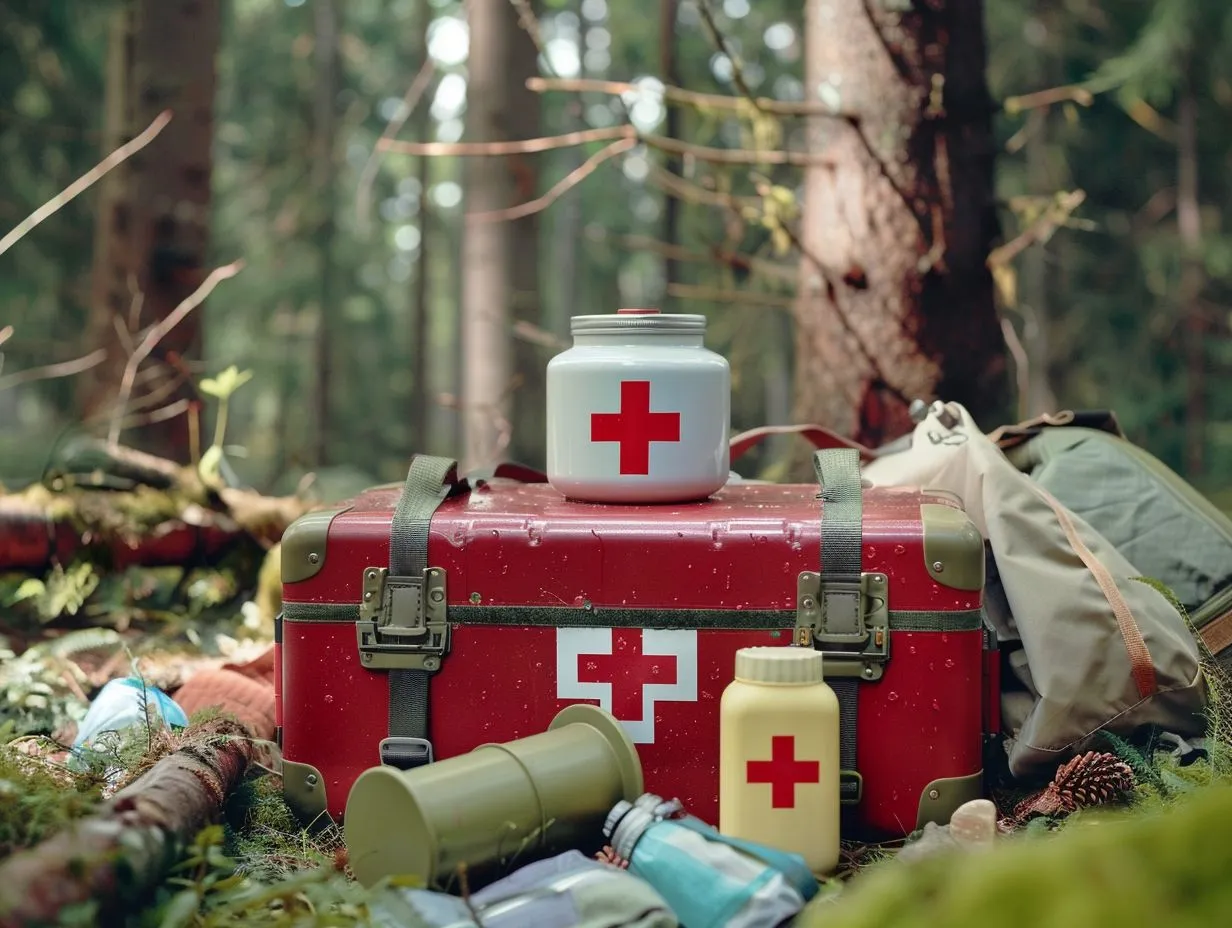
| First aid kit | Basics plus any personal medication, plasters, tape and a foil blanket |
| Food and water | More than you think you need, including something high energy in reserve |
| Group shelter or bothy bag | A lightweight fabric shelter that keeps a casualty warm and dry while you wait for help |
| Map, compass and charged phone | The navigation trio, with the phone as backup rather than your only tool |
Wear proper footwear with grip and ankle support, and sun cream is worth it too, because there is nothing between you and the sun on an exposed ridge. If you are new to the high ground, our roundup of beginner-friendly mountain hikes points to routes where you can build confidence with all this kit.
The real UK dangers
The genuine hazards on British mountains are weather, ground and daylight, not exotic risk. Knowing them means you can plan around them.
- Fast weather changes. Wind, rain and cloud can arrive within an hour on a UK summit. Check the mountain forecast, watch the sky, and be ready to turn back early rather than push on into worsening conditions.
- Cloud and whiteout. When cloud drops onto the tops, visibility can fall to a few metres and everything looks the same. This is when map and compass work earns its place, and when following a bearing carefully matters most.
- Cold and wind chill. Wet and windy is the dangerous combination in Britain, not deep cold on its own. It draws heat out fast and can bring on hypothermia even in summer, which is why waterproofs and a spare warm layer are not optional.
- Steep ground. Slips and trips on steep, wet or loose ground cause a large share of UK mountain injuries. Slow down on descents, which is where most falls happen, and avoid steep drops in poor visibility.
- River crossings. Mountain streams rise quickly after rain and moving water is stronger than it looks. If a crossing looks doubtful, walk upstream to a safer point or turn back rather than wade a torrent.
- Short winter daylight. In December a UK hill can be dark by 16:00. Plan the day around the light, start early, carry a head torch, and set a firm turnaround time.
Winter needs a different level of kit and skill
Winter on UK mountains is a serious step up, not the summer route with snow on it. Frozen ground, hard snow and ice make even easy summer paths dangerous, and stopping a slip on a steep icy slope requires an ice axe and crampons plus the training to use them properly. Without those skills, a winter summit like Ben Nevis or a snowed-up Lake District ridge is beyond safe reach, and a slide on frozen ground has killed experienced walkers. If you want to move onto the hills in winter, book a winter skills course before you go, not after.
What to do in an emergency
If someone is badly hurt, lost or cannot continue, call for help early rather than waiting to see if it improves. In the UK, dial 999 or 112, ask for the Police, then ask for Mountain Rescue. Police coordinate mountain rescue in England, Wales and Scotland, so this is the correct route every time.
Give the call handler your location as a grid reference or a what3words address, plus the casualty's name, age and injuries, the number in your group and your phone number. Then stay where you are unless it is unsafe, keep the casualty warm and sheltered with your spare layer and group shelter, and wait to be contacted by the team. If you have no phone signal, try to move to higher ground or a ridge to get a bar, or send two people down to raise the alarm while the rest stay put.
If you cannot phone at all, use the international mountain distress signal: six blasts of a whistle or six flashes of a torch in one minute, then a minute's pause, then repeat. The reply from rescuers is three signals a minute. This is why a whistle and a head torch are on the kit list.
Mountain Rescue in the UK is a volunteer, charity-run service, and it is free to call. The people who come out are unpaid volunteers giving their own time, so never hesitate to call because of cost, and equally, never treat them as a substitute for planning. Full guidance is on the Mountain Rescue England and Wales website.
Frequently asked questions
How do I call Mountain Rescue in the UK?
Dial 999 or 112, ask for the Police, then ask for Mountain Rescue. Give your location as a grid reference or what3words, the casualty's details and injuries, your group size and your phone number, then stay put until the team contacts you.
Is Mountain Rescue free?
Yes. Mountain Rescue in the UK is a charity staffed by unpaid volunteers, and it is free to call out. Never delay calling because you are worried about a bill, as there is not one.
What weather forecast should I check before a UK hill walk?
Check a mountain-specific service, not a town forecast. The Mountain Weather Information Service (MWIS) and the Met Office mountain forecast both give summit wind, cloud base, temperature and visibility. Read both and pay most attention to the wind on the tops.
Do I still need a map and compass if I have a phone?
Yes. Phones lose signal, crack and drain fast in the cold, so carry an OS Explorer or Landranger map and a compass and know how to use them. A mapping app is a useful backup, but it should never be your only means of navigation.
What kit do I need for a mountain in summer?
Layers, waterproof jacket and trousers, a spare warm layer, hat and gloves, a head torch, whistle, first aid kit, plenty of food and water, and a map and compass. UK summits stay cold and windy even in July, so warm kit goes in the bag every time.
Can I climb a UK mountain in winter without special skills?
No. Winter turns easy summer paths into dangerous frozen ground where stopping a slip needs an ice axe, crampons and the training to use them. Take a winter skills course before attempting a snowed-up UK summit.
The short version
Check the mountain forecast on MWIS or the Met Office, pick a route you can genuinely manage, and tell someone your plan and return time. Carry a map, compass, waterproofs, a spare warm layer, a head torch and a whistle, and turn back early when the weather or the daylight turns against you. If it goes wrong, dial 999, ask for Police then Mountain Rescue, and stay put.
Sorted on the safety, you can get on with the good bit. Find a base camp near the hills over on Camping Sites in Britain and start planning the adventure.