Backpacking and Wild Camping in the UK's National Parks: A Practical Guide
· Updated
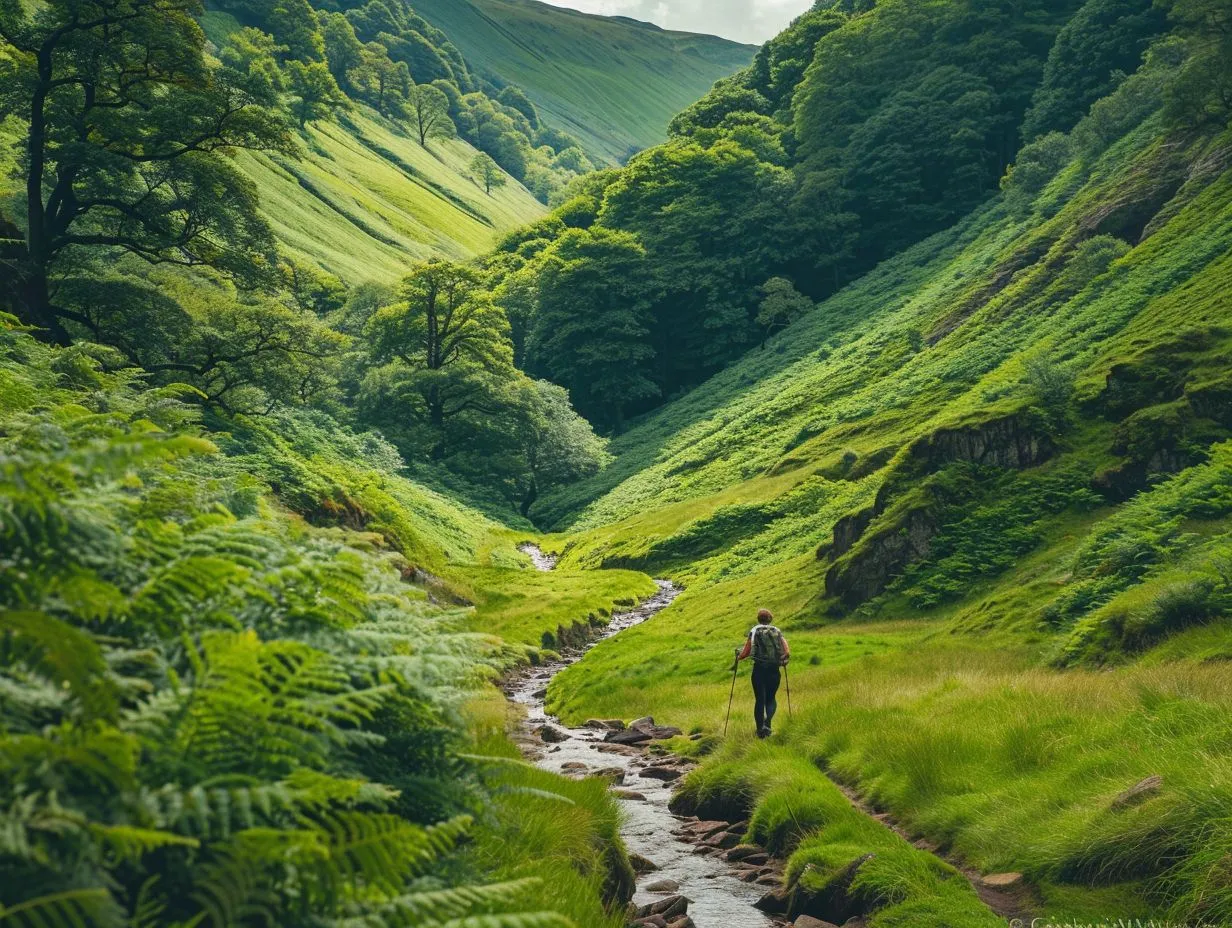
Multi-day backpacking, walking from spot to spot and carrying your tent on your back, is one of the finest ways to see the UK's national parks. The catch is the law: across most of England and Wales you need the landowner's permission to pitch a wild camp, whereas Scotland gives you a broad legal right to do it responsibly. Dartmoor is the one exception in England, where a UK Supreme Court ruling on 21 May 2025 confirmed a public right to backpack camp in permitted areas.
Get the access rules right and the rest is craft: a light pack, a warm sleep system, water you can treat, and the navigation to find a high, quiet pitch before dark. This is the wild-camping backpacking guide from Camping Sites in Britain, and it sits alongside our guide to camping along the UK's national trails if you would rather follow a waymarked long-distance route.
If wild camping is not your thing, or you want a shower and a solid first night, you can book a pitch through our campsite directory and start walking from there.
Where backpacking works well in the UK
The best backpacking is in the upland national parks, where the terrain is open, the paths are established, and there is high ground to camp on away from roads and houses. Here is how the main parks compare.
| National park | Country | Why go | Wild camping status |
|---|---|---|---|
| Lake District | England | England's classic mountain backpacking, high tarns and fells | Needs the landowner's permission, tolerated high up by custom |
| Eryri (Snowdonia) | Wales | Rugged peaks, the Rhinogydd and the Carneddau | Needs the landowner's permission |
| Cairngorms | Scotland | The UK's largest park, vast remote plateaux | Legal right under Scottish access law |
| Bannau Brycheiniog (Brecon Beacons) | Wales | Rolling grassy tops, good for a first trip | Needs the landowner's permission |
| Peak District | England | Gritstone edges and moorland, close to northern cities | Needs the landowner's permission |
| Dartmoor | England | Open moorland, the only legal wild camping in England | Legal right in permitted areas (Supreme Court, 2025) |
The Lake District is where most people start, and our Lake District campsites make a handy base for the first and last nights of a longer route. The Cairngorms and the wider Scottish Highlands offer the most genuine wilderness, and Dartmoor is the obvious choice if you want to wild camp legally without leaving England.
The wild camping law, and it matters
Wild camping means pitching outside a formal campsite, and the right to do it depends entirely on where you are. This is the single most important thing to get right before you go, because the rules differ across the three nations.
England and Wales
In England and Wales you have no general right to wild camp, and pitching without the landowner's permission is technically trespass. In practice, backpackers have long camped high on the open fells of the Lake District and Eryri under an informal code: arrive late, leave early, pitch above the highest wall or fence, and cause no trouble. That is tolerance, not a legal right, so ask permission where you can and move on if asked.
Dartmoor, the exception
Dartmoor is the one place in England with a legal right to backpack camp. On 21 May 2025 the UK Supreme Court dismissed a landowner's challenge and confirmed that the public may wild camp on the commons within permitted areas of the park. You must still follow the park authority's rules on where and how, so check the Dartmoor National Park camping map and guidance before you set off, as some areas are excluded.
Scotland
Scotland gives you the widest freedom in the UK. The Land Reform (Scotland) Act 2003 and the Scottish Outdoor Access Code grant a right of responsible access to most land, which includes lightweight wild camping for a night or two. The main exception is the busiest shores of Loch Lomond and the Trossachs, where camping management byelaws require a permit or a campsite booking in the marked zones from 1 March to 30 September. Read the Scottish Outdoor Access Code guidance on camping for the full detail.
Camp responsibly wherever you are
Good wild camping leaves no sign you were ever there. Whether you are exercising a legal right in Scotland or camping on tolerance in the Lakes, the same code applies, drawn from Leave No Trace and the Countryside Code.
- Arrive late, leave early. Pitch at dusk and be packed up soon after dawn, so you are barely seen
- Keep it small. One or two small tents, not a large group or a big family frame tent
- Camp high and remote. Well away from roads, houses, farmland and the honeypot spots, above the last wall where you can
- No fires. Use a stove, never an open fire, which scars the ground and is a wildfire risk on dry moorland
- Carry out everything. All litter, all food waste, and human waste buried well away from water or carried out entirely
- Leave the pitch pristine. Move stones back, fluff up flattened grass, and take nothing with you but photographs
Kit that earns its place on your back
Every gram counts when you carry your home for miles, so the aim is a light, warm, weatherproof pack rather than the biggest kit list. Build it around four things: shelter, sleep, water and safety.
A light pack and a small tent
A 50 to 65 litre rucksack is plenty for a multi-day trip, and a base weight of 10 to 12kg before food and water is a realistic target for a first light setup. Choose a small, low, freestanding or trekking-pole tent in a muted colour, which pitches discreetly and stands up to hill weather. Pack it in a dry bag and keep the load close to your back.
A sleep system that keeps you warm
Cold comes up from the ground, so your sleeping mat matters as much as your bag. Use an insulated mat with an R-value of 3 or more for three-season UK use, and higher again for cold nights on the tops. Pair it with a sleeping bag rated to the temperatures you expect, and keep both bone dry inside a liner bag.
Water and food
Treat all water from streams and tarns, even high on the fells, because livestock and wildlife share the catchment. Carry a filter, purification tablets, or the means to boil, and fill up from running water above any grazing where you can. For food, plan calorie-dense, light meals such as dehydrated dinners, oats, nuts and hard cheese, and carry a small gas or meths stove with enough fuel for every brew and boil.
Skills that keep you safe
Navigation and weather sense are what separate a good trip from an epic. Mobile signal is patchy or absent across most upland parks, so you cannot rely on a phone to find the way or call for help.
Navigation and weather
Carry a paper OS map and a compass, and know how to use them, because a phone battery dies and a screen fails in the wet. Our guide to how to use a map and compass covers the basics of taking and following a bearing. Check the mountain forecast the night before and again in the morning: the Mountain Weather Information Service (MWIS) gives free, park-specific forecasts for the UK's upland areas, including cloud base and wind on the summits, which matters far more than the valley forecast.
Planning and emergencies
Plan the route properly before you leave, and tell someone your intended line and return time. Our guide to how to plan a multi-day hike walks through daily distances, escape routes and resupply. Carry a small first aid kit, a head torch, spare warm layers and a bothy bag or emergency shelter. If someone is seriously hurt or lost, call 999 or 112 and ask for the police, then Mountain Rescue. If you are pushing on to higher, steeper ground, our notes on mountain safety are worth a read first.
Frequently asked questions
Is wild camping legal in the UK?
It depends where you are. Scotland gives a broad legal right under the Land Reform (Scotland) Act 2003. In England and Wales you generally need the landowner's permission, except on Dartmoor, where the Supreme Court confirmed a public right in May 2025.
Can you wild camp in the Lake District?
Not by right. There is no legal right to wild camp in the Lake District, but backpacking high on the fells is widely tolerated if you arrive late, leave early, pitch a single small tent well above the valley, light no fire and leave no trace.
Where can you legally wild camp in England?
Dartmoor is the only place in England with a legal right to backpack camp, confirmed by the UK Supreme Court on 21 May 2025 for permitted areas of the moor. Everywhere else in England needs the landowner's permission.
Do you need a permit to wild camp in Scotland?
Usually no. The Scottish Outdoor Access Code lets you camp responsibly on most unenclosed land. The exception is the marked zones around Loch Lomond and the Trossachs, where a permit or campsite booking is required from 1 March to 30 September.
What R-value sleeping mat do I need for UK backpacking?
Aim for an R-value of at least 3 for three-season use in the UK, and higher for cold or high-altitude nights. The mat insulates you from the cold ground, and getting it wrong is the most common reason backpackers have a freezing, sleepless night.
How do you get help if something goes wrong?
Call 999 or 112 and ask for the police, then Mountain Rescue. If you have no signal, try moving to higher ground or send someone for help. Registering for the emergencySMS service in advance lets you text 999 when a call will not connect.
The short version
Backpacking through the UK's national parks is brilliant, and the law is the part to get right first: permission needed across most of England and Wales, a legal right on Dartmoor and in Scotland, and Leave No Trace everywhere. Sort your access, pack light and warm, and learn to navigate off the phone.
Ready to plan a trip? Read our guide to camping along the UK's national trails, or find a first-night base in our campsite directory.