Loch Lomond and The Trossachs National Park: a Visitor and Camping Guide
· Updated
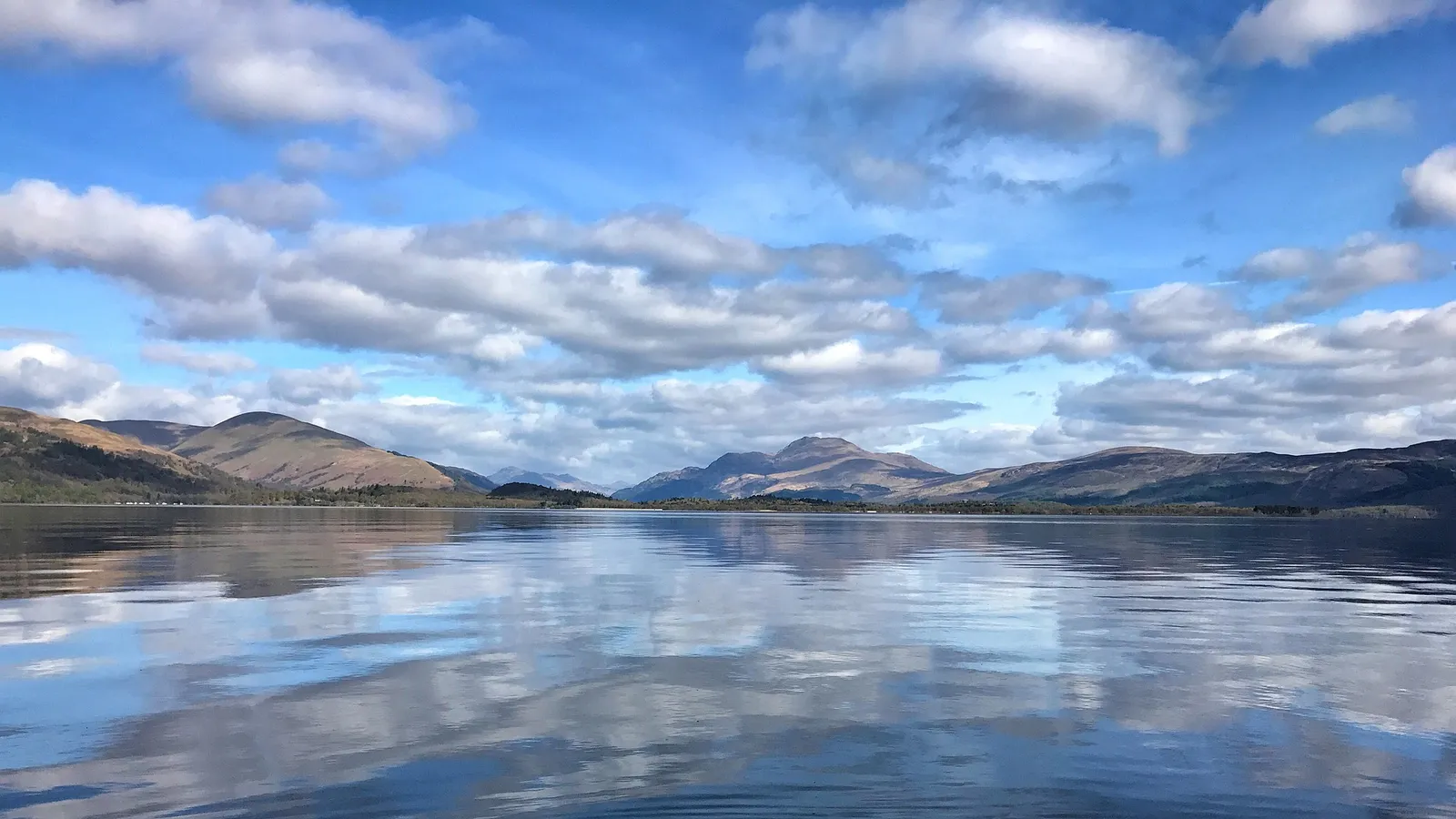
Loch Lomond and The Trossachs became Scotland's first national park in 2002, and it remains the most accessible slice of Highland scenery in Britain, roughly 45 minutes north of Glasgow. If you want to camp beside the water between 1 March and 30 September, the single most important thing to know is that much of the popular lochshore falls under camping management byelaws, so you need a permit or a booked campsite pitch to stay overnight in those zones.
This is part of our guide to camping in the UK's national parks, and it is written for people who actually want to pitch up rather than just admire the view. It comes from Camping Sites in Britain, where you can find and compare campsites, caravan parks and glamping across the country.
Where the park is and what it covers
The park spreads across 720 square miles of west central Scotland, from Balloch at the southern tip of Loch Lomond up into Breadalbane and west to the Argyll Forest. Loch Lomond itself is the largest freshwater loch in Great Britain by surface area, at 71 square kilometres, and it holds more than 30 islands, some wooded, some with the ruins of chapels and castles.
The loch sits on the Highland Boundary Fault, the geological seam that separates the flat, farmed Lowlands from the mountainous Highlands. You can see the join for yourself from the top of Conic Hill above Balmaha, where the line of islands running down the loch traces the fault. If that kind of landscape interests you, our guide to the UK's geological wonders near campsites covers more of it.
The camping byelaws and permits (read this first)
From 1 March to 30 September you cannot simply pitch a tent anywhere along the busiest lochshores. The National Park Authority introduced camping management byelaws in 2017 covering four designated management zones on the most popular water frontages, and inside those zones every overnight stay needs either a camping permit or a pitch at a managed campsite.
A camping permit costs £4.50 per tent or per motorhome or campervan, per night, booked in advance through the park authority. Camping in a management zone without a permit or a campsite booking is a criminal offence and can bring a fine, so it is worth sorting before you travel. Outside the zones, and outside the 1 March to 30 September season, normal Scottish access rules apply. Always check the current zone map and price on the National Park Authority camping permit page before you book.
Managed campsites in the zones
The park authority runs four low-cost campsites that sit inside or beside the management zones, which is the simplest way to stay legally beside the water.
| Campsite | Location | Good for |
|---|---|---|
| Sallochy | East shore of Loch Lomond, near Rowardennan | West Highland Way walkers, lochside tent pitches |
| Inchcailloch | Island off Balmaha | A short boat trip and a proper island wild-camp feel |
| Loch Chon | Between Aberfoyle and Stronachlachar | Quieter Trossachs setting, motorhomes and tents |
| Loch Achray | Near Callander in the Trossachs | Central base for Ben A'an and Loch Katrine |
These fill up fast in July and August, so book early. If a managed site is full, plenty of commercial campsites and caravan parks sit just outside the zones around Balloch, Luss and Aberfoyle. Browse the full campsite directory to compare pitches, prices and facilities.
Wild camping and the Scottish Outdoor Access Code
Scotland gives you a right to wild camp on most unenclosed land under the Land Reform (Scotland) Act 2003, exercised responsibly under the Scottish Outdoor Access Code. That right still exists across most of the national park. The Loch Lomond byelaws are the deliberate exception: they suspend informal camping in four small, heavily used zones during the busy season because those specific shores were being damaged by litter, fires and abandoned tents.
Away from the zones you can still camp wild, and the code is simple in practice. Pitch on ground that is not enclosed farmland, stay one or two nights in any one spot, keep away from houses and roads, take every scrap of rubbish out, and use a stove rather than lighting a fire on peaty or dry ground. Leave the pitch cleaner than you found it. The same principles run through our advice on how to choose a campsite in the Highlands.
Walking, water and the big days out
The park's headline walk is Ben Lomond, at 974 metres the most southerly Munro in Scotland and one of the most climbed hills in the country. The standard route starts at Rowardennan on the east shore and takes most walkers five to six hours there and back. Conic Hill above Balmaha is a far shorter climb with an outsized view down the island chain, ideal for an afternoon.
The West Highland Way, Scotland's best known long-distance path, runs the length of the loch's eastern shore between Drymen and Crianlarich, so the east side is busy with through-walkers all summer. In the Trossachs to the east, Loch Katrine is the scenic heart of the area: you can sail it aboard the steamship SS Sir Walter Scott, first launched in 1899, or cycle the traffic-free road along its northern shore.
The main villages and where to base yourself
Three villages carry most of the visitor traffic, and where you base yourself shapes your trip.
- Balloch sits at the southern foot of the loch and is the easiest arrival point, with a train station direct from Glasgow, boat trips and the Loch Lomond Shores centre.
- Luss is the postcard conservation village on the west shore, with a beach, a pier and cruises, though it gets extremely busy on summer weekends.
- Balmaha on the quieter east shore is the walkers' hub, at the foot of Conic Hill and on the West Highland Way, with the boat to Inchcailloch leaving from here.
A campervan is a brilliant way to link them, though be aware that overnight parking is restricted in and around the management zones. Our guide to the best sites for campervanning in Scotland covers where you can legally stay.
Best time to visit
Late spring and early autumn are the sweet spots. May and early June give you long daylight, the hills at their greenest and, crucially, fewer midges than high summer. July and August are warm and lively but bring the worst of the Highland midge, especially on still, damp evenings by the water, so pack a head net and repellent. September is quieter, often clear, and the permit season still runs to the end of the month.
Frequently asked questions
Do you need a permit to camp at Loch Lomond?
Yes, if you are camping in one of the four designated management zones between 1 March and 30 September. You need either a £4.50 per night permit or a booked pitch at a managed campsite. Outside those zones and dates, standard Scottish access rights apply.
Can you wild camp in Loch Lomond and The Trossachs National Park?
Yes, across most of the park under the Scottish Outdoor Access Code. The exception is the four lochshore management zones, where informal camping is restricted during the season and a permit or campsite booking is required.
How much does a Loch Lomond camping permit cost?
A permit costs £4.50 per tent, motorhome or campervan, per night, booked in advance through the National Park Authority. Prices can change, so confirm on the park authority's permit page before you travel.
What are the campsites run by the national park?
The park authority runs four managed campsites: Sallochy and Inchcailloch on Loch Lomond, plus Loch Chon and Loch Achray in the Trossachs. They are low-cost, sit inside or beside the management zones, and book up quickly in summer.
Is Ben Lomond hard to climb?
Ben Lomond is a straightforward but strenuous Munro at 974 metres, taking most walkers five to six hours return from Rowardennan. It needs proper footwear, layers and a weather check, but no technical skill on the standard tourist path.
How do I get to Loch Lomond from Glasgow?
Balloch, at the southern end of the loch, is around 45 minutes by car or a direct train from Glasgow. Balmaha and the east shore are reached by road via Drymen. The west shore villages sit on the A82.
The short version
Loch Lomond and The Trossachs is the most reachable big scenery in Britain, but the lochshore is managed. If you want to camp near the water in the main season, buy a £4.50 permit or book one of the four national park campsites, and camp responsibly under the Scottish Outdoor Access Code everywhere else.
Plan your dates around the midges, base yourself in Balloch, Luss or Balmaha, and start your search in our campsite directory or the wider guide to camping in the UK's national parks.