How to Choose a Campsite in the Scottish Highlands
· Updated
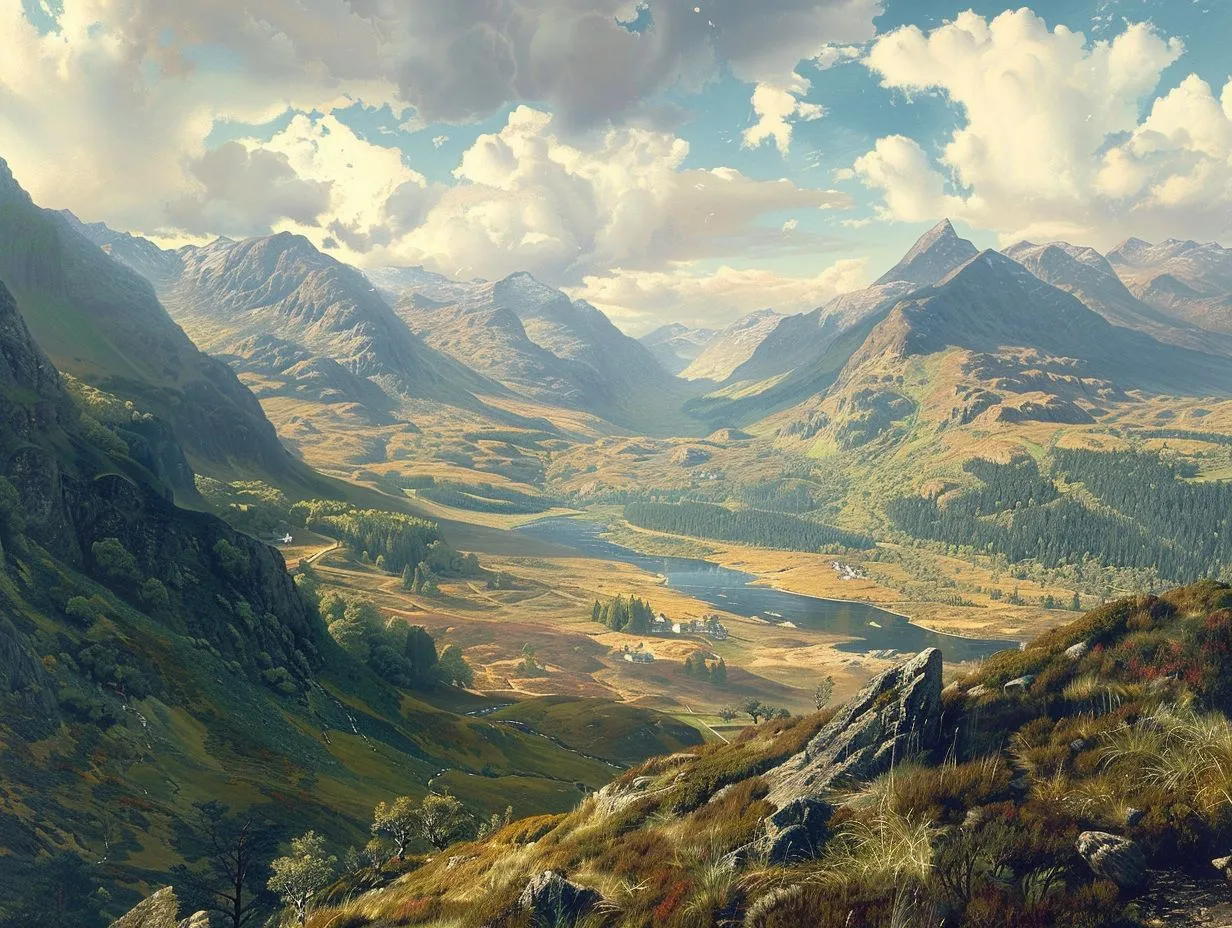
The right Highland campsite is the one that matches your route and your tolerance for midges. You want a pitch sheltered enough to sit out in the evening, exposed enough to keep the midges moving, reachable on the single-track roads you will actually be driving, and stocked with whatever facilities matter to you, from a hot shower to an electric hook-up. Get those four things right and the scenery does the rest.
The Highlands cover roughly a third of Scotland, so there is no single best site, only the best one for where you are heading. This guide is part of our wider look at camping in the UK's national parks, and it sits alongside the full listings on Camping Sites in Britain, where you can filter Highland sites by facilities and location.
Start with the midges, then everything else
Midges decide more Highland trips than weather or price, so plan around them first. The Highland midge, Culicoides impunctatus, is active from late May to September, at its worst from June to August, and it is the single biggest reason people cut a west coast trip short. It cannot fly in wind above about 6mph, it is inactive below 10C, and it swarms at dawn and dusk on still, humid, overcast evenings, especially near standing water.
That biology is your best friend when choosing a pitch. A slightly exposed, breezy site is close to unbearable-free even in July, while a pretty, sheltered spot beside a loch on a warm damp evening will drive you into the tent by 8pm. If you are camping in high summer on the west coast, weight your choice towards open ground and check a midge forecast before you commit. Our guide to preparing for a camping trip in Scotland covers the head nets and repellents that make the difference.
What to look for in a Highland pitch
Judge a Highland site on shelter, midge exposure, access and facilities, in that order. The scenery is a given, so the practical details are what separate a brilliant weekend from a soggy one. Run through this checklist before you book.
- Shelter versus airflow. Trees and walls block wind and rain but they also trap midges. A pitch with some tree cover to one side and open ground to the other is the sweet spot.
- Drainage and ground. Highland rain is frequent and heavy. Avoid the lowest corner of any field, look for a gentle slope, and favour firm grass over boggy ground near a burn.
- Road access. Many of the best sites sit at the end of single-track roads with passing places. Check what your vehicle and your nerves can handle, particularly Bealach na Ba to Applecross, which climbs to 626m and is not for large caravans.
- Electric hook-up (EHU). Common at established parks near Fort William and Aviemore, rare or absent at remote north and west coast sites. Confirm it rather than assume it.
- Water and facilities. Serviced sites have toilets, showers and often a drying room, which is worth more than you think in the Highlands. Basic sites may have a single tap and a compost loo.
Highland areas at a glance
Different corners of the Highlands suit different trips, so pick your area before you pick your pitch. The table below sets out the main bases, what each is good for, a real established campsite in each, and a rough guide to a tent pitch. Prices are per night for a small tent in the 2026 season and rise with electric hook-up and in peak weeks.
| Area | Good for | Example campsite | Typical tent pitch |
|---|---|---|---|
| Fort William and Glen Nevis | Ben Nevis, the West Highland Way | Glen Nevis Caravan and Camping Park | From around £24 |
| Glencoe | Climbing, hillwalking, waterfalls | Invercoe Caravan and Camping Park | £25 to £32 |
| Aviemore and the Cairngorms | Family trips, forests, Loch Morlich | Glenmore Campsite, by Loch Morlich | £22 to £30 |
| Kintail and the west | Munros, the Five Sisters, Skye access | Morvich Caravan and Motorhome Club Site | £20 to £30 |
| Applecross and Torridon | Single-track drama, sea views | Applecross Campsite | £20 to £28 |
| Durness and the north coast | Beaches, the NC500, dark skies | Sango Sands Oasis, Durness | £18 to £26 |
| Glen Affric and Cannich | Ancient pinewood, quiet glens | Cannich Caravan and Camping Park | £18 to £26 |
If you are driving a big loop rather than basing yourself in one glen, read our guide to the best scenic drives to campsites, which covers the North Coast 500 and the road to Applecross. Campervanners should also see the best sites for campervanning in Scotland for the practicalities of single-track roads and overnight stops. For the Caledonian pine country around Aviemore and Glen Affric, our list of the best campsites for exploring ancient woodlands names sites within walking distance of the old forest.
Booked campsite or wild camping?
You can legally wild camp across most of the Highlands, which is not true of England. The Land Reform (Scotland) Act 2003 gives you a statutory right of responsible access to most unenclosed land, and the Scottish Outdoor Access Code sets out what responsible means: small numbers, small tents, two or three nights at most in one spot, well away from houses and roads, taking every scrap of litter home and never damaging the ground with fires.
One point trips people up. The seasonal camping permit zones only apply inside Loch Lomond and The Trossachs National Park, not the Highlands. Inside that park, camping byelaws run from 1 March to 30 September and you need either a booked campsite or a permit costing £4.30 per tent or motorhome per night, as set out on the National Park's byelaws page. Loch Lomond and The Trossachs is a separate national park south of the Highlands proper, so if you are camping around Glencoe, Torridon or the Cairngorms those permits do not apply. A booked site is still the easier option in high summer for showers, security and midge-managed ground.
Prices and when to book
Expect to pay roughly £18 to £30 for a tent pitch at an established Highland site, with electric hook-up adding a few pounds and hardstanding motorhome pitches costing more. Fort William sites start from around £24 a night in 2026, and the popular parks near Ben Nevis, Glencoe and Loch Morlich fill fast for July, August and any bank holiday weekend.
Book the honeypot sites well ahead for peak summer, especially Glen Nevis, Glenmore and anywhere on the NC500, where demand outstrips pitches. Shoulder season, late May and September, is the sweet spot: prices ease, the biggest midge weeks have passed or not yet arrived, and you will still get long Highland evenings. Remote west and north coast sites are more likely to have space on the day, but do not count on it in August.
Frequently asked questions
When is the best time to camp in the Highlands?
Late May and September. You get long days and open sites without the worst of the midges, which peak from June to August. High summer is warmest and busiest, so book ahead and favour breezy, exposed pitches on the west coast.
Do I need a permit to camp in the Scottish Highlands?
No. Seasonal camping permits apply only inside Loch Lomond and The Trossachs National Park, not the Highlands. Across the Highlands you can wild camp responsibly under the Scottish Outdoor Access Code, or book any established campsite.
How bad are the midges when camping in the Highlands?
Bad from June to August on still, damp evenings, especially on the west coast and near water. They cannot fly in a breeze above about 6mph, so an exposed pitch, a head net and repellent keep them manageable. Check a midge forecast before booking.
Can I take a caravan on Highland single-track roads?
Often yes, but not everywhere. Roads with passing places suit most touring caravans if you drive patiently. Avoid steep passes such as Bealach na Ba to Applecross with a large caravan, and check each site's access notes before setting off.
Which Highland campsites have electric hook-up?
Established parks near Fort William, Glencoe and Aviemore usually offer electric hook-up, including Glen Nevis and Glenmore. Remote north and west coast sites often do not, so confirm hook-up availability when you book rather than assuming it is there.
How much does a Highland campsite cost?
Around £18 to £30 per night for a tent pitch at an established site in 2026, more with electric hook-up or for a motorhome. Fort William sites start from about £24. Wild camping under the access code is free.
The short version
Choose your area first, then pick a pitch that is sheltered but breezy, drains well, sits on a road you are happy to drive, and has the facilities you need. Book the honeypot sites early for summer, aim for late May or September if you can, and always plan around the midges.
Ready to pick a site? Browse campsites in the Scottish Highlands or read more about camping in the UK's national parks.