Secluded Campsites in the UK: Where to Find Britain's Quietest Pitches
· Updated
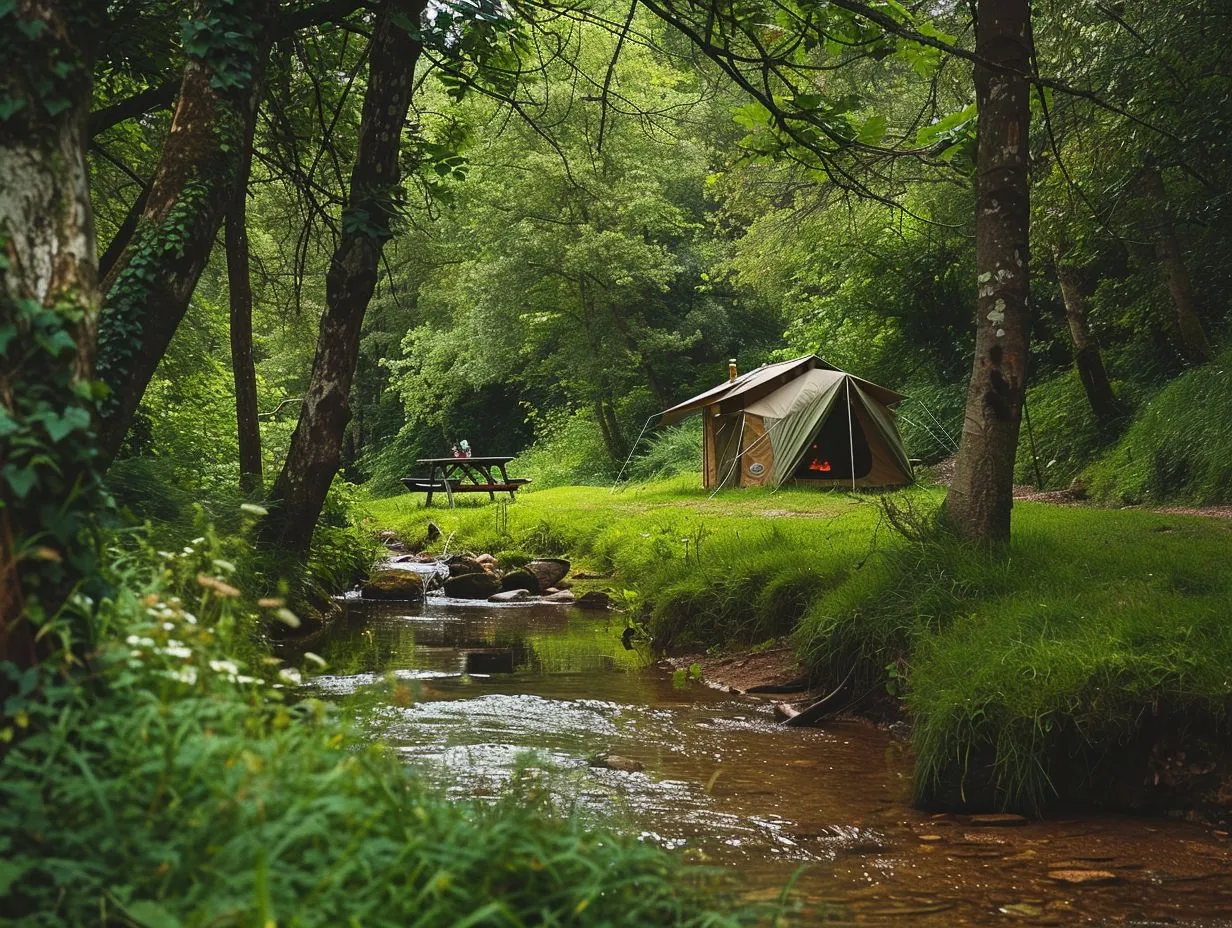
The quietest campsites in Britain are almost never the ones that come up first. They are the five-pitch field behind a farm, the certificated location with a dozen regulars and no bar, and the handful of small sites in glens and moorland corners that the big booking platforms barely list. Find those and you get the countryside more or less to yourself, often for £12 to £20 a night.
This guide names the real quiet areas worth driving to, explains the certificated five-pitch sites that most campers have never heard of, and covers where you can legally pitch wild. It is part of our guide to wild camping in the UK, and it sits alongside the campsite listings at Camping Sites in Britain, where you can filter for small, adults-only and off-grid pitches.
What actually makes a campsite secluded
Seclusion in Britain is mostly about size and pitch count, not remoteness on a map. A 12-pitch site 20 minutes off the A1 can feel wilder than a 300-pitch holiday park in the middle of nowhere, because the thing that ruins quiet is other people, generators and site lighting, not distance from a town. These are the signals that matter:
- Small pitch counts. Anything under 30 pitches, and especially the five-van certificated sites, stays quiet even in August
- No bar, no pool, no club house. Facilities draw crowds and evening noise. A tap, a toilet block and a field is the quiet-camper's ideal
- Adults-only or "no groups" policies. These filter out the stag weekends and the large family parties
- Basic or off-grid. No electric hook-ups and a long walk to the car means fewer, more committed campers
Certificated sites: Britain's best-kept secret
The single most reliable way to find a genuinely quiet pitch is a certificated site, and most campers have never heard of them. These are small sites licensed through one of the two big clubs, capped at five caravans or motorhomes at any one time, and many take a few tents as well.
The Caravan and Motorhome Club calls its version a Certificated Location (CL), and there are over 2,000 of them across the UK. The Camping and Caravanning Club runs the equivalent Certificated Site (CS) scheme. Both are usually a corner of a working farm, a paddock or an orchard, with a tap and a chemical waste point and often nothing else. You need to be a club member to book, which costs around £50 a year, and pitch fees typically run £10 to £18 a night.
Because they are capped at five units, a CL is quiet by law, not by luck. You can turn up on the August bank holiday, the single busiest weekend of the British camping year, and share a field with four other outfits. That is the trade for no showers and no shop.
| Site type | Run by | Max size | Typical price |
|---|---|---|---|
| Certificated Location (CL) | Caravan and Motorhome Club | 5 caravans or motorhomes, plus some tents | £10 to £18 a night |
| Certificated Site (CS) | Camping and Caravanning Club | 5 caravans or motorhomes, plus some tents | £10 to £18 a night |
| Small independent farm site | Private landowner | Varies, often under 20 pitches | £12 to £22 a night |
If a five-pitch field with no hook-up sounds like your idea of a good weekend, our guide to off-grid camping in Britain covers the kit that makes it comfortable.
The quiet areas worth driving to
Some parts of Britain are simply emptier than others, and they reward the extra hour on the road. These five stay quiet even when Snowdonia and the honeypot Lake District villages are gridlocked.
Knoydart, the Scottish Highlands
Knoydart is the most remote peninsula in mainland Britain, and you cannot drive to it. You reach the village of Inverie by a seven-mile boat from Mallaig or an 18-mile walk over the hills, which is exactly why it is so quiet. There is a small campsite at Long Beach run by the Knoydart Foundation, and the wider peninsula is prime wild-camping country under Scottish access law. It is the closest thing Britain has to genuine wilderness camping. You can start planning from the Highlands campsite listings.
Assynt, north-west Sutherland
Assynt, further north again in the Highlands, is a landscape of isolated mountains rising straight out of bog and lochan: Suilven, Quinag and Stac Pollaidh stand alone rather than in ranges. The population is tiny, the single-track roads keep the crowds thin, and small crofting campsites at Achmelvich and Clachtoll sit right on white-sand bays. Midges are the price you pay from June to August, so pick an exposed, breezy pitch.
The Cambrian Mountains, mid Wales
The Cambrian Mountains are the empty middle of Wales, the moorland spine between Snowdonia and the Brecon Beacons that almost nobody visits. Sometimes called the Desert of Wales, the area around the Elan Valley reservoirs has some of the darkest night skies in the country and a scattering of small farm sites and CLs. If you want the feel of upland Wales without the Snowdon car-park queues, this is it.
The Northumberland coast
Northumberland has England's emptiest coastline: miles of pale sand, castles at Bamburgh and Dunstanburgh, and hardly anyone on the beach even in July. The stretch between Beadnell and Berwick-upon-Tweed is dotted with small, unfussy sites within walking distance of the dunes, and inland the Northumberland International Dark Sky Park over Kielder is one of the best places in England to camp under real darkness.
The Yorkshire Wolds
The Yorkshire Wolds are the quiet alternative to the crowded Dales and Moors: a fold of chalk hills and dry valleys east of York that David Hockney made his subject and most tourists drive straight past. Small sites and CLs tuck into the valleys, walking on the Wolds Way is gentle and empty, and you are 30 minutes from the coast at Flamborough. Browse the wider region through the North Yorkshire listings and filter for small sites.
Can you just pitch wild instead?
In most of Britain, no, not without the landowner's permission. Wild camping law is the single most misunderstood thing about camping off the beaten path, so it is worth being clear.
- Scotland: wild camping is a legal right across most unenclosed land under the Land Reform (Scotland) Act 2003, provided you follow the Scottish Outdoor Access Code. The Loch Lomond and the Trossachs National Park requires a permit in its management zones from 1 March to 30 September.
- Dartmoor: the one place in England with a legal right to wild camp on foot. The UK Supreme Court confirmed that right on 21 May 2025, as reported by the British Mountaineering Council. Camp in the designated areas shown on the National Park map, not on farmland or in the valleys.
- Everywhere else in England, Wales and Northern Ireland: you need the landowner's permission. Pitching without it is trespass. In practice many upland walkers pitch discreetly high on the fells, arriving late and leaving early with no trace, but that is tolerance, not a right.
Wherever you pitch wild, follow Leave No Trace: carry everything out, use no fires unless they are expressly allowed, and go to the toilet well away from water. Our guide to the essential skills for wild camping covers the practical side, and how to choose a site for wild camping in Scotland goes deeper on the one country where it is a right.
How to find the quiet ones
The small sites that stay quiet are the ones the big platforms rank last, so you have to look where the crowds do not. A few habits turn up far better pitches:
- Search the club directories directly. The CL and CS listings are the fastest route to a five-pitch field. Neither shows up well on a general web search
- Filter our own listings for small and off-grid. Start at the full campsite directory and narrow by size, adults-only and no electric hook-up
- Read the reviews for the word "quiet". Campers who value peace say so, loudly, and so do the ones who were kept awake
- Go midweek and shoulder season. Late May, early June and the second half of September are the quietest good-weather windows in Britain
- Ring the site. The best small farm sites often do not take online bookings at all, which is precisely why they stay quiet
Frequently asked questions
What is the most secluded campsite in the UK?
The Long Beach campsite on the Knoydart peninsula is the strongest contender, reachable only by a seven-mile boat from Mallaig or an 18-mile walk. For a bookable pitch closer to a road, the five-van certificated sites in Assynt and mid Wales are about as quiet as Britain gets.
What are certificated sites and how do I book one?
Certificated sites are small pitches capped at five caravans or motorhomes, run through the Caravan and Motorhome Club (CLs) or the Camping and Caravanning Club (CSs). You join the club for around £50 a year, then book directly through its site directory. Pitches usually cost £10 to £18 a night.
Can I wild camp anywhere in England?
No. Dartmoor is the only place in England with a legal right to wild camp on foot, confirmed by the UK Supreme Court on 21 May 2025. Everywhere else you need the landowner's permission, and pitching without it is trespass.
Which part of England is quietest for camping?
The Northumberland coast and the Yorkshire Wolds are England's quietest good-camping areas, both far less visited than the Lake District or the Cotswolds. Northumberland also has the Kielder dark sky park for stargazing away from any crowds.
How do I find a quiet pitch in August?
Book a certificated five-pitch site, which stays quiet by law even on the bank holiday, or head to an emptier region such as Assynt, the Cambrian Mountains or Northumberland. Filter for small, adults-only and off-grid sites, and go midweek where you can.
The short version
Britain's quietest camping is not about going furthest, it is about going smallest: the five-van certificated sites, the sub-20-pitch farm fields, and the handful of emptier regions like Knoydart, Assynt, the Cambrians, Northumberland and the Yorkshire Wolds. Filter for size and facilities, not distance, and you will find peace even in peak season.
Start with the campsite directory and narrow by pitch count, or read the full guide to wild camping in the UK if you want to go beyond the marked pitch entirely.