Wild Camping in the UK: The Law, the Rules and How to Do It Right
· Updated
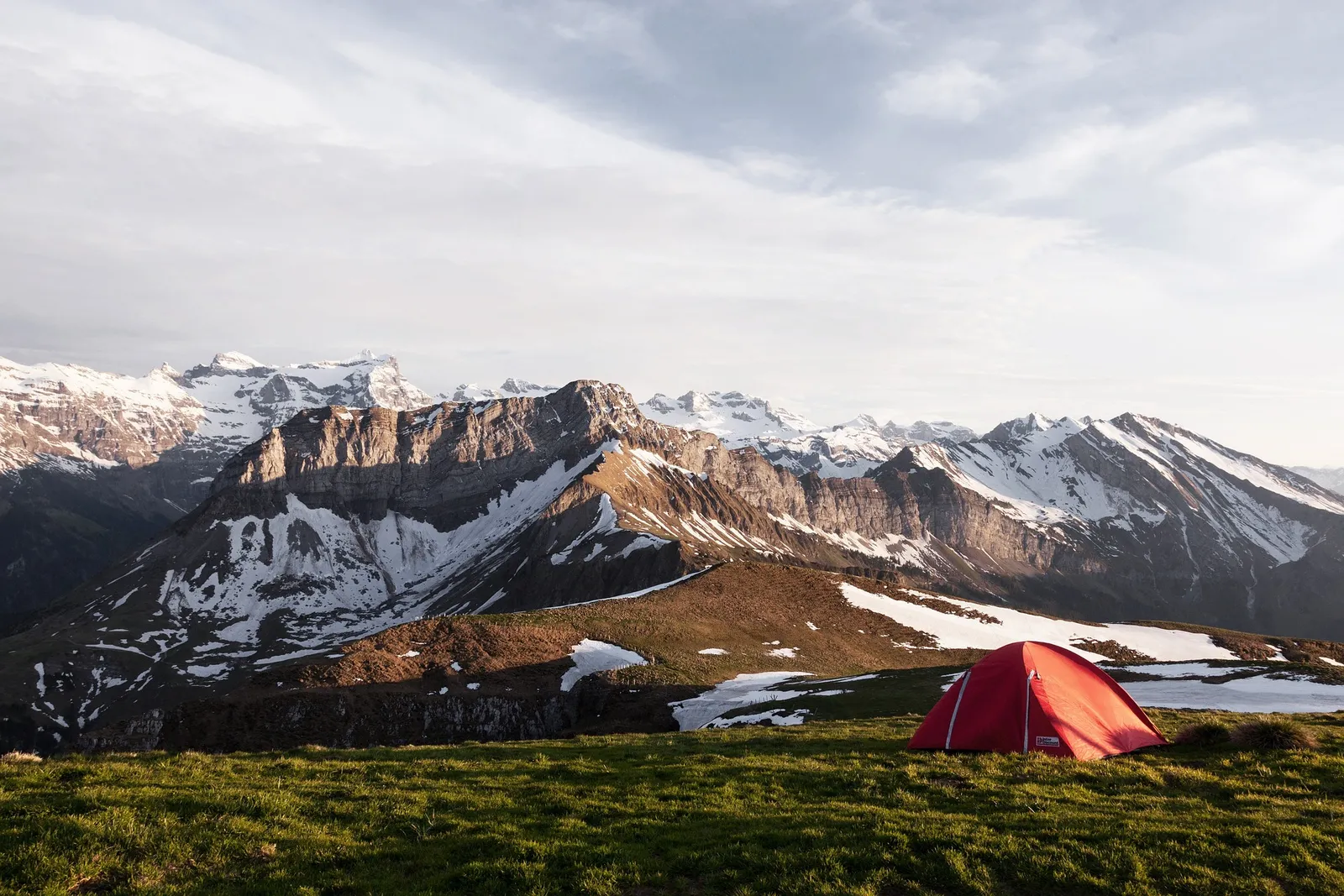
Wild camping means pitching for the night away from any organised campsite, on open land, and carrying everything out with you the next morning. In the UK it is legal in far fewer places than most people assume. Scotland gives you a broad right to do it. England gives you exactly one: Dartmoor. Everywhere else in England and Wales, you need the landowner's permission first.
That single fact catches people out constantly, so this guide sets out the law nation by nation, then shows you how to do it properly: how to choose a spot, what to pack, how to leave no trace, and how to stay safe. Get the law right and the rest is the best kind of camping there is.
It is the wild camping guide from Camping Sites in Britain, where you can find and compare campsites, caravan parks and glamping across the UK.
Is wild camping legal in the UK?
It depends entirely on which nation you are standing in, and the rules are genuinely different in each. There is no single UK law on wild camping. Here is the position across all four, current as of 2026.
| Nation | Can you wild camp? | The detail |
|---|---|---|
| Scotland | Yes, broadly | A legal right on most unenclosed land under the Land Reform (Scotland) Act 2003, following the Scottish Outdoor Access Code. Loch Lomond and The Trossachs needs a permit in its management zones from 1 March to 30 September. |
| England (Dartmoor) | Yes, a legal right | The only place in England with a public right to wild camp, confirmed by the UK Supreme Court on 21 May 2025. You must camp in the areas the map allows and follow the park's rules. |
| England (elsewhere) | Only with permission | No general right. You need the landowner's consent before you pitch, or you are trespassing. |
| Wales | Only with permission | No general right to wild camp. Ask the landowner first, exactly as in most of England. |
| Northern Ireland | Only with permission | No general right. Land access is more restricted than the rest of the UK, so permission is essential. |
For the full breakdown of where you can and cannot pitch a tent, and what trespass actually means in practice, read our companion guide: can you legally pitch a tent anywhere in the UK.
Wild camping in Scotland
Scotland gives you the broadest right to wild camp anywhere in Britain. The Land Reform (Scotland) Act 2003 created a right of responsible access to most unenclosed land, and that includes lightweight camping for a night or two. You do not need to ask a landowner, provided you follow the Scottish Outdoor Access Code.
The word that matters is responsible. The right covers small numbers, small tents, and short stays on open hill and moorland. It does not cover pitching in fields of crops or livestock, next to houses, in enclosed farmland, or arriving by car and camping beside it. Keep well away from buildings and roads, take all litter home, and use the toilet properly, which means at least 30 metres from water and buried.
The one big exception is Loch Lomond and The Trossachs National Park. From 1 March to 30 September you need a permit to camp within its management zones, or you must use one of the campsites instead. Permits are booked online and cost a few pounds a night. Outside those zones and those dates, the normal Scottish right applies. For choosing the right pitch north of the border, read the full guide: how to choose a site for wild camping in Scotland.
Wild camping in England: Dartmoor and nowhere else
Dartmoor is the only place in England where you have a legal right to wild camp without asking anyone. That right was challenged, and on 21 May 2025 the UK Supreme Court settled it for good: it dismissed the landowners' appeal and confirmed that the public right to backpack camp on the Dartmoor commons is real and protected under the Dartmoor Commons Act 1985.
The right is not a free pass across the whole moor. You must camp in the areas shown on the Dartmoor National Park Authority's camping map, keep to small tents and small groups, stay one night in any one spot, and pitch away from roads, farmland and livestock. Check the current map and rules on the Dartmoor National Park Authority site before you go, because the permitted areas do change.
Everywhere else in England, there is no general right to wild camp. That includes the Lake District, the Yorkshire Dales, Northumberland and Snowdonia, all of which people assume are open. On the high fells above the intake wall, quiet, responsible one-night camping is often tolerated in practice, but tolerated is not the same as legal. Technically you are trespassing unless you have the landowner's permission, so pitch late, leave early, and never assume you are entitled to be there.
Wild camping in Wales and Northern Ireland
Neither Wales nor Northern Ireland gives you a legal right to wild camp. The rules mirror most of England: the land belongs to someone, and you need their permission before you pitch. Snowdonia and the Brecon Beacons draw a lot of hopeful wild campers, but there is no automatic right on either, and the national park authorities ask people to use recognised sites.
In practice, the answer in Wales is to ask. Many hill farmers will say yes to a single, quiet tent for one night if you knock on the door and ask nicely, and some run informal, back-to-basics pitches for a small fee. If you want the remote feeling without the legal grey area, an off-grid pitch with the owner's blessing is the sensible route. Read the full guide: off-grid camping in Britain.
How to wild camp responsibly
The rules of wild camping are unwritten but simple, and following them is what keeps the right alive where it exists and keeps landowners tolerant where it does not. Get these six habits right and you will rarely have a problem anywhere in Britain.
- Arrive late, leave early. Pitch as dusk falls and be packed up soon after sunrise. A tent that appears at nightfall and is gone by breakfast bothers nobody.
- One night, one spot. Move on the next day rather than settling in. Wild camping is for passing through, not setting up camp for a week.
- Stay out of sight. Pitch away from roads, paths, houses and popular viewpoints. If nobody can see you, nobody is troubled by you.
- Leave no trace. Take every scrap of litter home, including food waste and tea bags. The spot should look exactly as you found it, as if you had photographed it on arrival and matched it on the way out.
- No fires. Open fires scar the ground, spread on dry moorland and are banned in most upland areas. Use a stove instead, and read our guidance further down on kit.
- Go to the toilet properly. Bury human waste at least 30 metres from any water, path or pitch, and carry a lightweight trowel to do it. Pack out toilet paper or bury it deep.
Follow the Countryside Code in England and Wales and the Scottish Outdoor Access Code in Scotland. Both boil down to the same idea: respect the land, respect the people who live and work on it, and protect the wildlife. For the deeper skills that make all of this second nature, read the full guide: essential skills for wild camping.
How to choose a wild camping spot
The perfect pitch is flat, sheltered, out of sight and close to where you want to be in the morning. Camping high on the hills is nothing like a flat campsite field, so a little care in choosing your ground makes the difference between a good night and a battering.
Look for level, well-drained ground rather than a hollow, because hollows collect cold air and rainwater. Find natural shelter from the wind, a low rise or a band of rock, but never pitch directly beneath a crag where loose stone could fall or at the very bottom of a valley where cold air pools. Camp above the highest field wall, the intake wall, so you are on open hill rather than enclosed farmland, and keep well clear of paths, streams used for drinking, and any livestock.
If you are aiming for a summit sunrise, get as close to the top as the ground allows so you have the shortest walk before dawn. To find genuinely remote ground away from the crowds, read the full guide: camping off the beaten path in Britain. And if you want to sharpen your map skills first, our campsite listings can get you a comfortable base to practise from before you head out into the wild.
What to pack for wild camping
Wild camping is about carrying everything on your back, so kit is a balance between weight and safety. Cut the wrong corner and a wet, cold night turns dangerous fast. This is the core list, and none of it is optional in the British hills.
- A lightweight tent or bivvy in a muted colour, which pitches fast and stays out of sight.
- A sleeping bag rated for the season plus an insulated sleeping mat, because most of your warmth is lost into the ground, not the air.
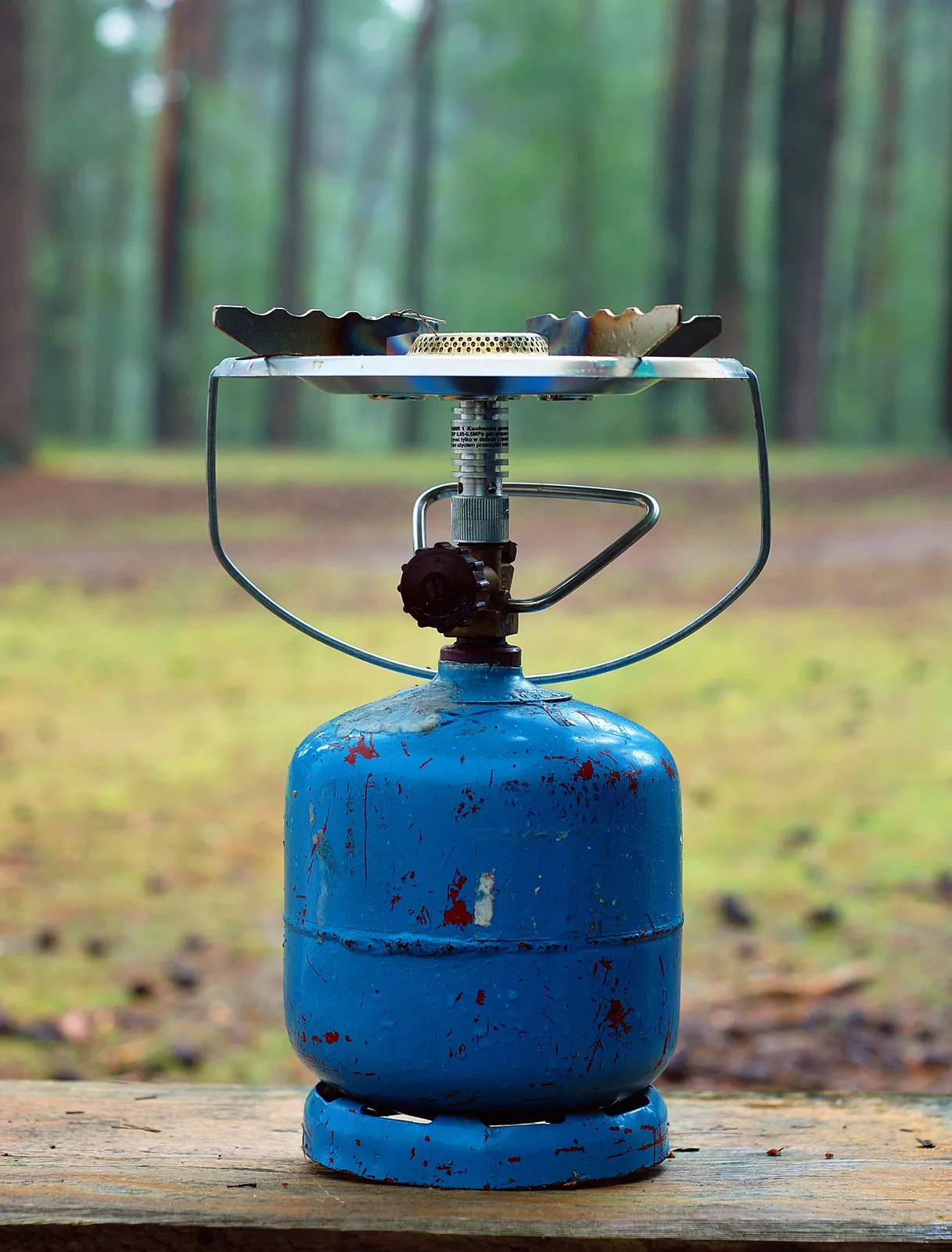
- A stove and fuel for hot food and drink, since open fires are out. A small gas or meths stove weighs almost nothing.
- At least two litres of water plus a means to purify more, whether a filter or purification tablets, because upland streams are not always safe to drink untreated.
- Warm and waterproof layers. The weather turns quickly on high ground even in summer, so pack for colder and wetter than the forecast.
- A head torch with spare batteries, a first aid kit, and a lightweight trowel for toilet duties.
- An Ordnance Survey map and compass, and the skill to use them. A phone is a backup, not a plan, because signal and battery both fail in the hills.
- Enough food for your trip plus one spare meal, sealed against rain and wildlife.
Knowing which plants and fungi you can safely gather is a bonus rather than a food strategy, but it adds a lot to a trip. If you fancy it, read the full guide: mushroom identification for campers, and never eat anything you cannot name with total certainty.
Is wild camping safe?
Wild camping carries more risk than a managed campsite, but thousands of people do it safely every weekend by preparing properly. The dangers are the weather, the terrain and being alone in a remote place, not wildlife, because Britain has nothing that will hurt you in your tent.
The single most important habit is to tell someone your plan: your route, your rough camping area, and when you expect to be back. Carry a charged phone and a power bank, check the mountain weather forecast before you set off, and know how to call Mountain Rescue, which you reach by dialling 999 and asking for the police, then Mountain Rescue. Learn to recognise the early signs of hypothermia, which is the real hazard on a cold, wet British hill.
If you are heading out alone, take extra care and build your confidence gradually. For the skills and mindset that make remote solo trips genuinely safe, some campers start with a proper course. Read the full guide: the best outdoor survival courses in the UK.
Should you wild camp or book a campsite?
Wild camping suits confident, self-reliant campers who want solitude and can carry everything they need. A campsite suits everyone else, and there is no shame in choosing one. The honest answer is that most people are better off starting on a site and working up to the wild.
Choose wild camping if you are comfortable with map and compass, happy to carry a full pack up a hill, camping legally in Scotland or on Dartmoor or with a landowner's blessing, and confident in your own weather and safety judgement. It gives you silence, dark skies and a summit to yourself.
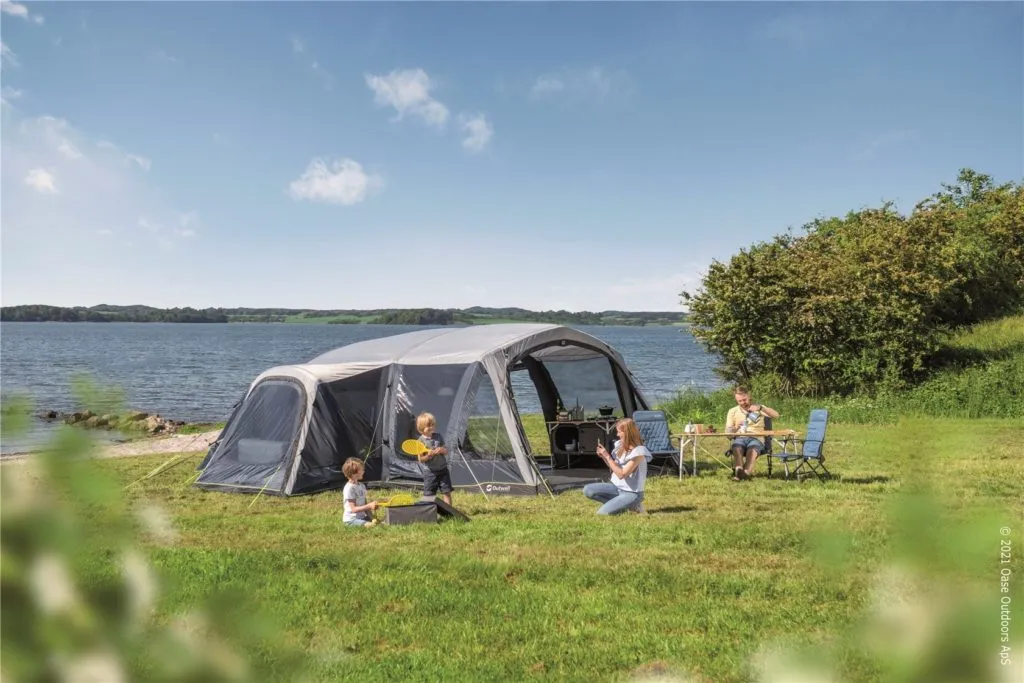
Choose a campsite if you are new to camping, travelling with young children, want a toilet and a shower, or simply want to arrive by car and relax. You still get the outdoors, minus the risk and the heavy pack. When that is the right call, browse our full directory of UK campsites to find somewhere near the hills you want to explore, from the Lake District to the Scottish Highlands.
Frequently asked questions
Is wild camping legal in England?
No, not as a general right. Dartmoor is the only place in England with a legal right to wild camp, confirmed by the UK Supreme Court on 21 May 2025. Everywhere else in England, you need the landowner's permission or you are trespassing.
Where can you wild camp legally in the UK?
In most of Scotland, under the Land Reform (Scotland) Act 2003, and on Dartmoor in England. Everywhere else in England, Wales and Northern Ireland needs the landowner's permission. Loch Lomond and The Trossachs needs a permit from 1 March to 30 September.
Do you need a permit to wild camp at Loch Lomond?
Yes, within the national park's camping management zones between 1 March and 30 September. Permits are booked online for a few pounds a night. Outside those zones and dates, the normal Scottish right of responsible access applies.
Can you light a fire when wild camping?
No, avoid open fires. They scar the ground, spread easily on dry moorland, and are banned across most upland areas and national parks. Use a lightweight camping stove for cooking and hot drinks instead, and take all your rubbish home.
Is wild camping allowed in the Lake District or Snowdonia?
Not as a legal right. Both are in England and Wales, where there is no automatic right to wild camp. Quiet, responsible one-night camping high on the fells is often tolerated, but technically you need the landowner's permission.
Is wild camping safe for beginners?
It can be, with the right preparation, but beginners are better starting on a campsite. Learn navigation, check the weather, tell someone your route, and build up to remote trips. The main risks are cold and terrain, not wildlife.
The short version
Wild camping is a legal right in most of Scotland and on Dartmoor, and needs the landowner's permission everywhere else in the UK. Wherever you pitch, arrive late, leave early, stay one night, keep out of sight, light no fires and leave no trace.
Get the law and the etiquette right and it is the most rewarding way to sleep outdoors in Britain. If you would rather start with a shower block and a marked pitch, find your spot in our UK campsite directory and work your way up to the wild.