Best Beaches in West Sussex: A Camper's Guide to the Coast
· Updated
The best beaches in West Sussex sit along a 25-mile stretch between Chichester Harbour and the mouth of the River Arun. West Wittering is the pick for a Blue Flag family day and watersports, East Head next door is a National Trust dune spit, Bracklesham Bay is the one for fossils, Climping is the quiet unspoilt escape, and Littlehampton is the classic resort with the café and the amusements.
Most are shingle at high tide and reveal firm sand as the water drops, so a tide check turns an average visit into a brilliant one. This guide covers what each beach is actually good for, the dog rules that change with the season, where to launch a board, and which campsites put you within striking distance.
It is part of our guide to coastal camping in the UK, from Camping Sites in Britain, where you can find and compare campsites, caravan parks and glamping across the country.
The West Sussex beaches at a glance
West Wittering is the standout for families and water sports, but the right beach depends on what you are after. This table sorts them by what they do best.
| Beach | Surface | Best for | Dogs in summer | Lifeguards |
|---|---|---|---|---|
| West Wittering | Sand and shingle | Families, kitesurfing, swimming | Restricted in bathing zone | Yes |
| East Head | Sand and dunes | Dunes, wildlife, quiet walks | Allowed, on lead near wildlife | No |
| Bracklesham Bay | Sand and shingle | Fossils, windsurfing | Allowed everywhere | No |
| East Wittering | Sand and shingle | Local cafés, family swims | Allowed everywhere | No |
| Climping | Shingle over sand | Peace, dunes, dog walks | Allowed everywhere | No |
| Littlehampton | Sand and shingle | Resort, food, amusements | Restricted on main beach | Seasonal |
| Pagham Harbour | Shingle and mudflat | Birdwatching, nature reserve | On lead, ground-nesting birds | No |
West Wittering
West Wittering is the best all-round beach in West Sussex, and the only one here that holds a Blue Flag for water quality and management. It is a wide expanse of clean sand at low tide with a shallow, gently shelving entry that suits paddling children, plus a huge car park run by the West Wittering Estate. Book parking ahead in summer, because the beach regularly sells out on hot weekends and there is no roadside alternative nearby.
It is one of the south coast's premier spots for kitesurfing and windsurfing, thanks to reliable wind over the harbour mouth and a dedicated launching area kept clear of swimmers. Lifeguards patrol from mid May to mid September, 10am to 5pm daily. Swim between the red and yellow flags and give a wide berth to the fast tidal flow near the harbour entrance, a spot known locally as The Hinge, where the current runs hard on an ebbing tide (West Wittering Estate beach safety).
East Head
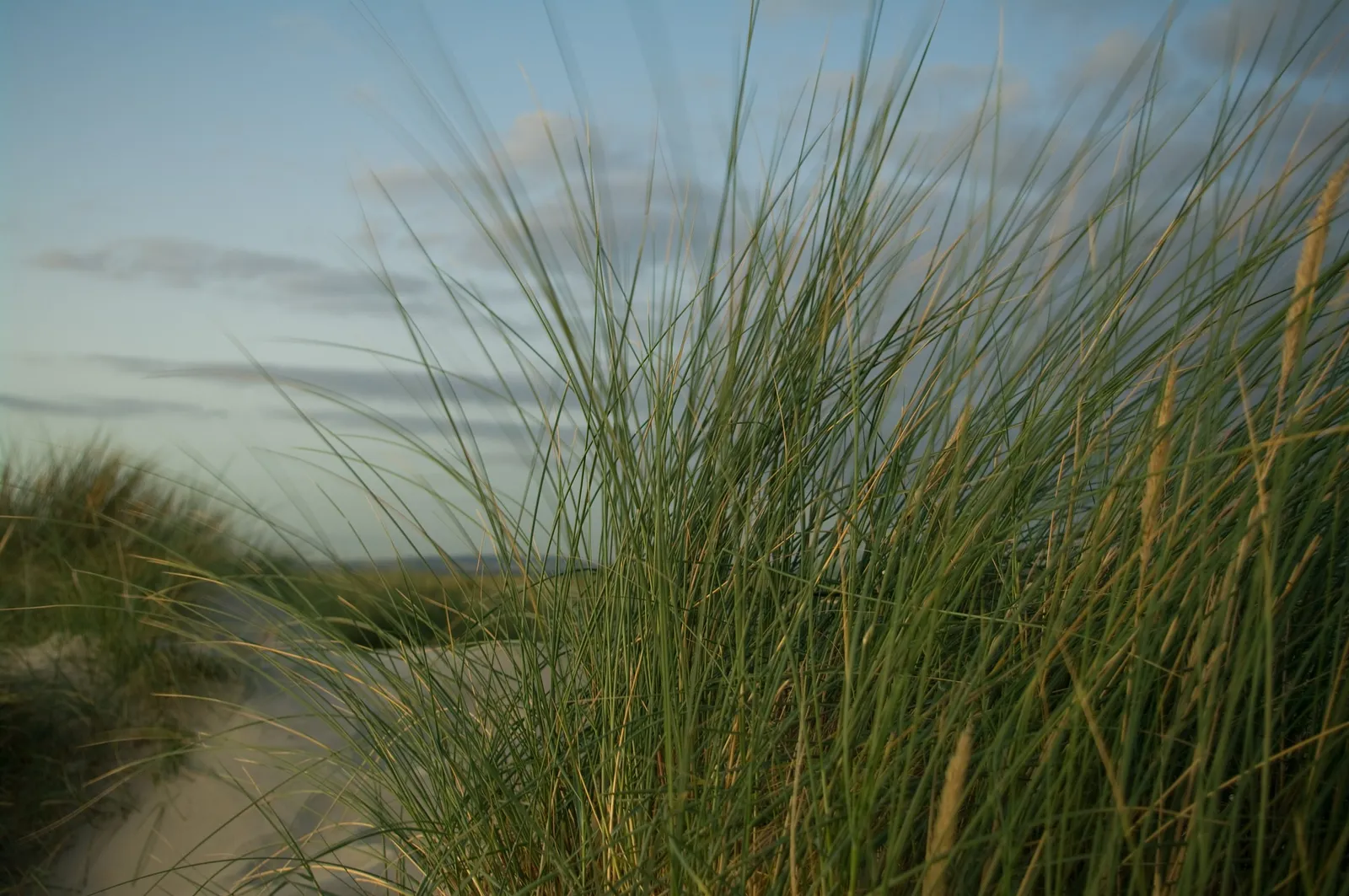
East Head is the sand-dune spit at the western end of West Wittering, owned by the National Trust and forming the eastern gatepost of Chichester Harbour. It is a designated Site of Special Scientific Interest, a shifting bar of marram-covered dunes, saltmarsh and firm tidal sand that feels wild in a way the main beach does not. Keep off the fenced dune faces and keep dogs on a lead near the saltmarsh, which is a feeding ground for wading birds (National Trust, East Head).
Bracklesham Bay
Bracklesham Bay is the fossil beach, one of the finest sites in southern England for Eocene finds around 45 million years old. As the tide drops it exposes clay beds packed with sharks' teeth, shell casts and the occasional sea urchin, best hunted in the freshly washed shingle on a falling tide after a storm. Take a small bag and check tide times first, because the productive zone is only uncovered around low water (Discovering Fossils, Bracklesham Bay).
Beyond fossils it is a proper family beach with sand at low tide, a café, and steady conditions that draw windsurfers and paddleboarders. Dogs are welcome here all year. If fossil hunting is the whole point of your trip, our guide to the best campsites for dinosaur fossil hunting lines up more sites across the country.
East Wittering and Climping
East Wittering is the low-key neighbour to West Wittering, with a mix of sand and shingle, a cluster of independent cafés and shops behind the front, and dogs allowed year round. It is the easy choice when the West Wittering car park has sold out, and the swimming is calmer and less crowded.
Climping, a few miles east near Littlehampton, is the one to head for when you want space and quiet. It is an undeveloped stretch of shingle backed by rare sand dunes and open fields, part of a protected coastline with no arcades and only a small car park and a pub for facilities. Dogs run free here all year, which makes it a favourite for out-of-season walks. For more beaches in this vein, see our guide to Britain's secret beaches and cove campsites.
Littlehampton
Littlehampton is the traditional resort of the West Sussex coast, a long sand and shingle beach with the full seaside kit. The promenade has amusements, the award-winning East Beach Café, and the Longest Bench in Britain running along the green. It is the best base for a family holiday that mixes beach time with things to do when the weather turns. The quieter West Beach, across the Arun and reached on foot or by the summer ferry, is dune-backed and far calmer.
Pagham Harbour
Pagham Harbour is not a swimming beach but a Local Nature Reserve, and it is the best birdwatching on this coast. Managed by the RSPB, the tidal inlet between Selsey and Bognor Regis draws thousands of wintering wildfowl and waders, plus breeding terns and rare visitors that pull birders from across the south. There is a visitor centre at Sidlesham and a network of footpaths around the harbour. Keep dogs on a lead in spring and summer to protect ground-nesting birds (RSPB Pagham Harbour).
Dog rules by beach and season
Dog access on the West Sussex coast is seasonal, and the rules differ from beach to beach, so check before you travel with a dog in summer. The busiest bathing beaches restrict dogs between spring and early autumn, while the quieter beaches stay open all year.
- West Wittering: dogs are kept out of the Blue Flag bathing zone (the beach hut area between groynes 14a and 18) from 1 May to mid September, and welcome everywhere from mid September to April.
- East Wittering and Bracklesham Bay: well-behaved dogs are allowed everywhere, all year.
- Selsey East Beach: dogs banned between groynes E26 and E33 from 1 May to 30 September (Chichester District Council byelaws).
- Climping: open to dogs off the lead all year.
- Littlehampton: dogs restricted on the main resort beach in summer; West Beach is more relaxed.
Assistance dogs are exempt from these bans everywhere, and you must clean up after your dog on every beach or risk a fixed penalty.
Safety, tides and swimming
The single most important thing on this coast is the tide, because the Witterings and the harbour mouth have strong currents and a fast incoming tide over flat sand. West Wittering is the only lifeguarded beach in the group; everywhere else you swim at your own risk, so treat unpatrolled beaches with respect. Follow a few basics:
- Check tide times before you set off and never get cut off on a sandbar as the tide floods.
- At West Wittering, swim between the red and yellow flags and avoid the current at The Hinge near the harbour entrance.
- If you get caught in a rip current, do not swim against it. Float, raise an arm and call for help.
- In an emergency on the coast, call 999 and ask for the Coastguard (RNLI rip current advice).
Camping near the West Sussex beaches
The best camping bases for these beaches sit on the Manhood Peninsula around the Witterings and Bracklesham, and inland near Chichester and Arundel for the eastern beaches. Sites near the coast fill fast in July and August, so book early and search by location to pitch within a short drive of the sand. Browse and compare options in our campsite directory to match a site to the beach you want.
If you would rather build the trip around the walking, the coast here links into longer routes covered in our guide to Britain's coastal pathways, including the flat, easy stretches around Chichester Harbour.
Frequently asked questions
What is the best beach in West Sussex?
West Wittering is the best all-round beach in West Sussex. It holds a Blue Flag, has clean sand at low tide, lifeguards in summer, and a dedicated area for kitesurfing and windsurfing. Book parking ahead, as it sells out on hot days.
Which West Sussex beaches allow dogs in summer?
East Wittering, Bracklesham Bay and Climping allow dogs all year. West Wittering restricts dogs only in the bathing zone from 1 May to mid September, so the rest of that beach stays open to them.
Where can you find fossils in West Sussex?
Bracklesham Bay is the best fossil beach in West Sussex, exposing Eocene sharks' teeth and shells around 45 million years old. Hunt the freshly washed shingle on a falling tide, ideally after a storm, and check tide times before you go.
Is West Wittering good for kitesurfing?
Yes. West Wittering is one of the top kitesurfing and windsurfing spots on the south coast, with reliable wind over the harbour mouth and a launching area kept clear of swimmers. Watch the strong tidal current near the harbour entrance.
Are West Sussex beaches sandy?
Most are shingle at high tide and sandy at low tide. West Wittering and East Head have the most sand, while Climping and Pagham are shingle. Check the tide, because low water uncovers far more firm sand for families.
The short version
West Wittering wins for families and water sports, Bracklesham for fossils, Climping for peace and East Head for dunes and wildlife. Check the tide and the seasonal dog rules before you set off, and book coastal pitches early in summer. Ready to plan the trip? Start with our guide to coastal camping in the UK or find a base in the campsite directory.