Best Beaches in Somerset for Campers: A Coast Guide
· Updated
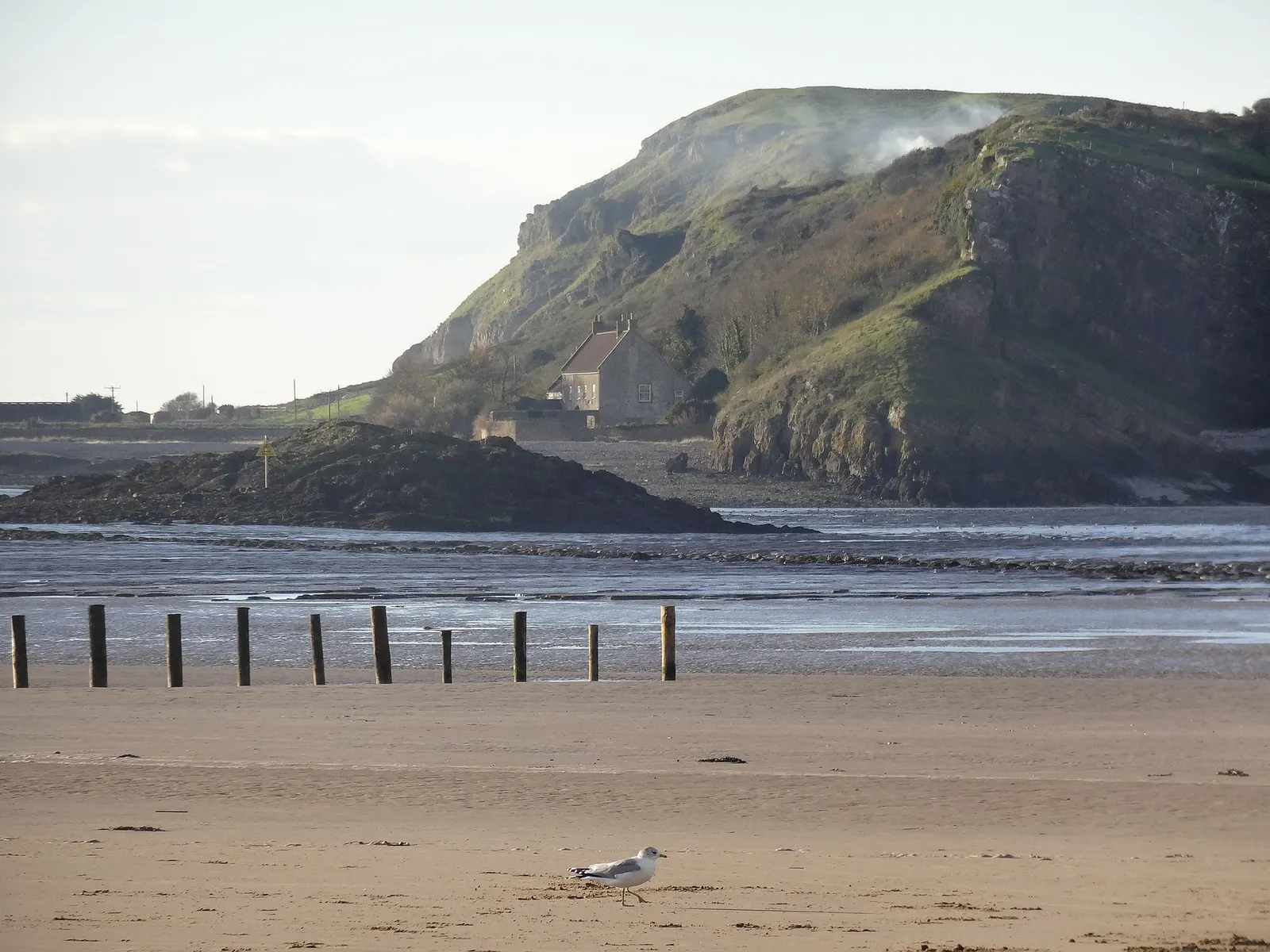
The best beaches in Somerset for campers run from the classic resort sands of Weston-super-Mare, through the endless dunes of Brean and Berrow, to the dark fossil ledges of Kilve and the Exmoor edge at Minehead. It is a coast of huge skies, miles of firm sand at low water and proper seaside towns, and it sits on one of the most powerful tides on the planet.
That tide is the thing to respect. The Bristol Channel has the second highest tidal range in the world, the sea can retreat well over a mile, and the exposed flats hide soft, sinking mud that traps people every summer. Get the timing right and Somerset is brilliant. This is part of our guide to coastal camping in the UK, and here at Camping Sites in Britain we would rather you pitched up, checked the tide and stayed well clear of the water line at low tide.
The best beaches on the Somerset coast
Somerset's beaches are big, open and tidal, so pick one for the day you want rather than expecting the same experience everywhere. Here are the ones worth planning a trip around.
Weston-super-Mare
Weston-super-Mare is the classic Somerset resort and the obvious base for families. The Grand Pier reaches out over the sand with an indoor funfair, the seafront runs for miles, and the donkey rides on the beach have carried children up and down since Victorian times. The catch is the tide and the mud. When the sea goes out it goes out a long way, and the RNLI at Weston pulls people from deep, sticky mud most summers, including five rescues in a single day in July 2025. Enjoy the top of the beach and the promenade, and do not walk out to find the water.
Brean
Brean gives you seven miles of flat, open sand and is the go-to for space, kite flying and a long walk. At its northern end rises Brean Down, a dramatic limestone headland run by the National Trust with a Victorian fort at the tip and huge views across the channel to Wales. The sand is firm near the top of the beach but turns to soft mud lower down, so keep to the dry sand and treat the flats with real caution.
Burnham-on-Sea
Burnham-on-Sea is home to Somerset's most photographed landmark, the Low Lighthouse, a white wooden tower with a red stripe that stands on nine timber legs right on the beach. Built in 1832 and known locally as the Lighthouse on Legs, it still guides boats into the River Parrett. Burnham also carries the strongest mud warning on this coast. The flats here are notorious, and Somerset Council is blunt about it: at low tide, never walk out to the water line, as there is sinking mud. Photograph the lighthouse, then stay on solid ground.
Kilve
Kilve is the beach for fossil hunters and rock poolers. Its dark blue-grey ledges are Jurassic shale packed with ammonites, and the tumble of flat rocks at the foot of low cliffs makes for a completely different day out from the sandy resorts. Take an old pair of trainers, watch the incoming tide against the cliffs, and collect only loose fossils from the beach rather than hammering the cliff face. If fossils are your thing, our guide to the best campsites for dinosaur fossil hunting is a good next read.
Minehead
Minehead sits where the Somerset coast meets Exmoor, and it is the official start of the South West Coast Path, England's longest waymarked trail at 630 miles. A steel sculpture of a pair of hands holding a map marks the spot on the seafront. The beach is sandy and gently shelving near the harbour, the town has the full seaside offering, and the moor rises steeply behind. For walkers this is a proper launch pad, and our guide to Britain's coastal pathways covers what lies west from here.
Dunster Beach
Dunster Beach is a quiet, low-key shingle and sand strip backed by a famous colony of timber holiday chalets and a nature reserve. It is calmer than the resorts, good for a peaceful stroll, and it sits just below medieval Dunster village with its castle and packhorse bridge, so you can pair a beach walk with one of the prettiest inland stops in the county.
Blue Anchor
Blue Anchor Bay is a long, flat beach known for its red alabaster cliffs and easy rock pooling at low water. It is a relaxed spot with a small line of shops and a station on the West Somerset Railway, so you can arrive by steam train. As everywhere on this coast, the sand gives way to mud further out, so keep your paddling to the shallows near the top of the tide.
Watchet
Watchet is a working harbour town rather than a bucket-and-spade beach, and it is all the better for it. The marina, the quirky Contains Art gallery in a shipping container and the statue of the Ancient Mariner make it a fine half-day, and the pebble and mud foreshore either side offers fossil hunting similar to Kilve. Use it as a characterful base for exploring the quieter western end of the coast.
The tide and mud: how to stay safe
Read this before you set foot on any Somerset beach at low tide. The Bristol Channel has the second highest tidal range in the world, beaten only by the Bay of Fundy in Canada, and Somerset Council warns that the exposed flats hide sinking mud that has trapped many visitors.
The danger is simple to avoid and easy to underestimate. When the sea drops it can uncover more than a mile of glistening flats that look like firm sand from the promenade. Walk out towards the distant water and you can sink to your knees or waist in mud, unable to free yourself, with a fast tide returning across ground that fills quicker than you can walk. That combination is what forces the RNLI call-outs every year.
| Rule | Why it matters |
|---|---|
| Never walk out to the water line at low tide | The flats hide soft, sinking mud; this is Somerset Council's clear instruction |
| Check the tide times before you go | The range is enormous, so the beach changes completely within hours |
| Swim only around high tide | At Berrow and Brean the advice is to swim within two hours either side of high water |
| If you get stuck, do not struggle | Spread your weight, stay calm and call 999 for the Coastguard |
| Watch the cliffs at Kilve and Watchet | An incoming tide can cut you off at the base of the cliffs |
The official source is worth a look before your first visit: see Somerset Council's beach and water safety guidance and the RNLI's beach safety advice. Follow it and the mud stops being a threat and becomes just a good story to tell.
Camping near the Somerset beaches
The coast between Brean and Minehead is one of the best served camping strips in the South West. The Brean and Berrow area alone holds several large holiday parks and touring sites within a short walk of the sand, and the villages around Kilve, Watchet and Blue Anchor offer quieter, smaller sites for anyone wanting Exmoor on the doorstep. Minehead works well as a base for both the beach and the moor.
Browse and book pitches across the region through our directory of campsites in Britain, and if you are new to pitching on the coast, our advice on choosing and setting up a coastal trail and campsite will help you pick a spot that suits the tides and the weather.
Frequently asked questions
Which is the best beach in Somerset for families?
Weston-super-Mare is the top family choice. It has the Grand Pier funfair, donkey rides, miles of sand and a full seafront of amusements. Keep children on the upper beach and the promenade and away from the mud at low tide.
Is it safe to walk out on the sand at low tide in Somerset?
No. Somerset Council advises never to walk out to the water line at low tide because the flats hide soft, sinking mud. The sea also returns fast across a huge distance. Stay on the firm, dry sand near the top of the beach.
Why is the mud at Burnham-on-Sea so dangerous?
Burnham sits on the Bristol Channel, which has the second highest tidal range in the world. When the tide drops it exposes over a mile of soft mud that can trap people to the waist, with a fast incoming tide behind it. Admire the Low Lighthouse from solid ground.
Where can I find fossils on the Somerset coast?
Kilve is the best spot, with dark Jurassic ledges full of ammonites, and Watchet offers similar hunting along its foreshore. Collect only loose fossils from the beach, wear old footwear and keep an eye on the incoming tide against the cliffs.
Where does the South West Coast Path start?
The South West Coast Path starts at Minehead, marked by a sculpture of two hands holding a map on the seafront. At 630 miles it is England's longest waymarked trail, running from Somerset all the way round to Poole in Dorset.
Can you swim at Somerset beaches?
Yes, but timing matters. At Berrow and Brean the advice is to swim only within two hours either side of high tide, when the water reaches the firm sand. Never try to reach the sea at low tide across the mudflats.
The short version
Somerset gives you resort fun at Weston-super-Mare, wild space at Brean, fossils at Kilve and the start of the South West Coast Path at Minehead, all wrapped around the second biggest tide on Earth. Check the tide, stay off the mud at low water, and you will have a brilliant trip. Plan the rest of your route with our guide to coastal camping in the UK, then find your pitch in our directory of campsites in Britain.