Preparing for a Camping Trip in Scotland: Access Law, Midges and Weather
· Updated
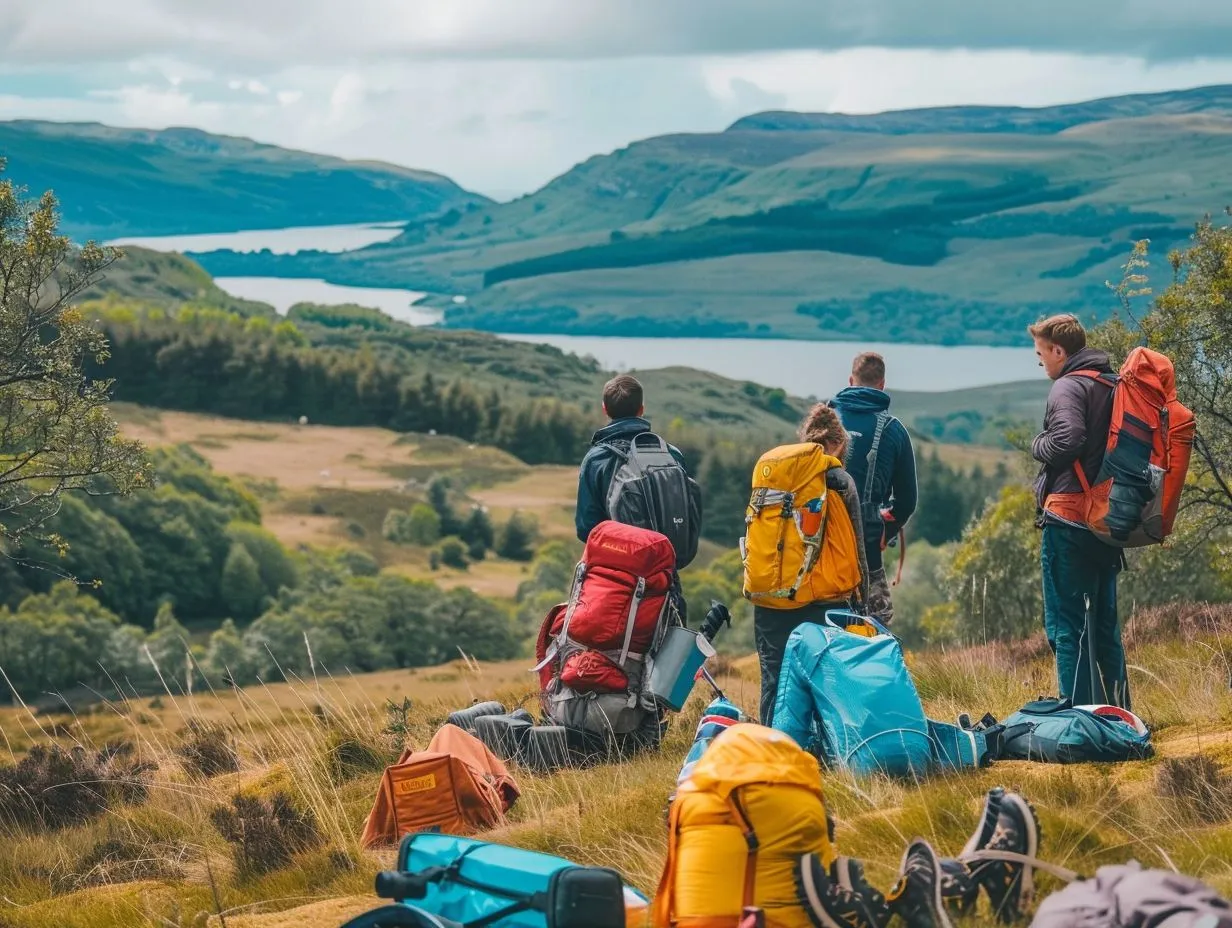
Scotland is the one part of Britain where you have a legal right to camp in wild places. The Land Reform (Scotland) Act 2003 and the Scottish Outdoor Access Code give you the right to pitch a small tent on most unenclosed land, as long as you camp responsibly and leave no trace. That freedom is the whole reason to bring a tent north of the border, and it is far broader than anything you get in England or Wales.
Two things catch people out, and neither is the law. The first is midges, which can empty a west coast pitch by breakfast in July. The second is weather that moves through sun, rain and wind inside a single afternoon. Get those two sorted and Scotland is the best camping in Britain.
This is part of our guide to camping in the UK's national parks, and it sits alongside the campsite and wild pitch listings on Camping Sites in Britain.
Where you can camp: the law
You can wild camp across most of Scotland without asking anyone, provided you do it lightweight and responsibly. The Scottish Outdoor Access Code, which puts the 2003 Act into practice, covers "lightweight camping in a tent, in small numbers and for no more than two or three nights in one place". That right applies to unenclosed hill, moor, forest and loch shore, not to enclosed fields of crops or farm animals, and not within sight of houses.
Camping responsibly is the price of the right, and it is simple enough. Camp well away from buildings and roads, use a stove rather than lighting open fires, and take every scrap of litter home. Bury human waste or bag it out, keep at least 30 metres from any water source, and remember that access rights never include driving a vehicle off the road onto the land. Move on after two or three nights so no single spot gets hammered.
The full rules are worth a read before you go, on the official Scottish Outdoor Access Code camping page. The headline is that the freedom is real and generous, and it survives only because most people use it well.
Loch Lomond and The Trossachs permit zones
There is one big exception to the right to roam, and it is the busiest national park in the country. Loch Lomond and The Trossachs National Park runs camping management byelaws that cover the popular loch shore areas from 1 March to 30 September every year. Inside those camping management zones you cannot simply pitch where you like. You either book a permit or stay on one of the park's managed campsites.
A wild camping permit costs £4.50 per tent or motorhome per night. You can book up to four weeks ahead, for a maximum of three consecutive nights in one area, and each tent needs its own permit. The park authority also runs managed campsites at Loch Chon, Loch Achray, Sallochy and on Inchcailloch island for anyone who wants a marked pitch and facilities. Book both permits and campsites through the park authority at the Loch Lomond and The Trossachs permit page.
Outside the zones, and outside the 1 March to 30 September window, the ordinary access code applies and no permit is needed. The byelaws exist because these particular shores were being wrecked by overuse, not because Scotland has quietly repealed the right to camp.
Midges: the real enemy
The Highland midge, Culicoides impunctatus, is the single reason people cut a Scottish trip short. They swarm in their thousands, the bites itch for days, and on a bad evening a head net is the only thing that keeps you sane. The season runs from late May to September and peaks from June to August, worst on the west coast and through the Highlands.
They are beatable because their weaknesses are so specific. Midges cannot fly in wind above about 6mph, they go quiet in bright sun and below roughly 10°C, and they are at their absolute worst at dawn and dusk on still, humid, overcast days. Boggy, damp ground near standing water is where they breed, so an exposed, breezy pitch on higher, drier ground is close to midge free even in July.
- Pack a head net. It weighs nothing and it is the only thing that reliably works when they are bad.
- Use a proper repellent. Smidge, which uses picaridin, or a DEET repellent both work well. Reapply after sweating or swimming.
- Choose the pitch for wind. A breezy, dry spot beats a sheltered, pretty one by water every time.
- Time your evenings. Cook and eat before dusk, or wait until full dark when they settle.
Check a midge forecast before you commit to a west coast site in summer. The Scottish midge forecast rates the risk region by region through the season, so you can pick calmer dates or a breezier east coast pitch when the west is at its worst.
Scottish weather and how to layer
Plan for four seasons in one day, because in the Highlands you will often get them. Expect sun, heavy rain, strong wind and a sharp temperature drop after dark, sometimes all within a few hours, even in June. The mistake is packing for the forecast rather than for the range, and the fix is layering.
Build your clothing in three parts: a wicking base layer, an insulating mid layer such as fleece or a light down jacket, and a genuinely waterproof and windproof outer shell. Add a warm hat and gloves whatever the month, since clear Highland nights get cold well into summer. Sturdy, waterproof boots matter more here than almost anywhere in Britain, because the ground stays wet and the terrain is rough.
Check the mountain forecast, not just the town one, before you set off, and have a plan for pitching in wind and rain. A tent with a decent hydrostatic head, extra guy lines and a few spare pegs will handle a Scottish squall that would flatten a summer festival tent.
Ticks and Lyme disease
Ticks are the one genuine health risk on this list, and Scotland has plenty of them. They live in long grass, bracken and woodland edge, and the Highlands are a well known hotspot. Bites happen from spring to autumn and peak in early summer, exactly when you are most likely to be out in the hills.
Check yourself every evening. Look at the backs of the knees, the groin, the waistband, the armpits, behind the ears and along the hairline, and check children and dogs too. A newly attached tick is the size of a poppy seed, so you are feeling and looking carefully, not glancing.
To remove one, use fine-tipped tweezers or a tick tool, grip as close to the skin as possible and pull slowly straight up. Do not squeeze, twist or burn it. Watch the bite over the following weeks: a spreading circular or bullseye rash, or flu-like symptoms, means you should ring your GP or call 111, because Lyme disease is treated easily when caught early and badly when caught late. A tick tool costs a couple of pounds and belongs in your first aid kit.
What changes for Scotland versus England
Scotland asks more of your kit than a sheltered English site does, mostly because of wind, wet ground and midges. If your camping so far has been Devon or the Lake District in summer, here is what to upgrade before you head north.
| Kit | Fine for lowland England | What Scotland needs |
|---|---|---|
| Tent | Festival or basic three-season | Higher hydrostatic head, good wind stability, sewn-in groundsheet |
| Pegs and guys | Standard pegs | Extra guy lines plus rock or V pegs for soft, boggy ground |
| Insect defence | Optional repellent | Head net plus Smidge or DEET, non-negotiable May to September |
| Sleeping bag | Two-season | Three-season, because clear Highland nights turn cold |
| Footwear | Trainers | Waterproof boots for wet, rough, uneven terrain |
| Cooking | Campfire optional | Stove only, since open fires are discouraged under the access code |
The tent and the midge kit are the two that genuinely matter. Everything else you can improvise; a flimsy tent in a Torridon gale and no head net on a still July evening are the two ways people end up driving home early.
Where to pitch: the best areas
Scotland's finest camping is in the north and west, where the mountains are biggest and the land is wildest. The Cairngorms offer high plateau and ancient Caledonian pine forest, with easier access and slightly fewer midges than the west. Glen Coe delivers the most dramatic mountain scenery in Britain within a short walk of the road. Torridon, further north west, is remote, spectacular and properly wild, the sort of place the right to roam was made for.
For the widest choice of sites with facilities across the region, browse our Highlands campsites, or search all of our campsite listings to compare pitches, prices and reviews before you book. If you are choosing a base for the mountains, our guide to how to choose a campsite in the Highlands walks through what to look for.
Two more resources worth a look while you plan. If you are touring rather than backpacking, read our guide to the best sites for campervanning in Scotland, and if getting there is half the trip, our pick of the best scenic drives to campsites covers routes like the road through Glen Coe.
Frequently asked questions
Can you wild camp anywhere in Scotland?
Almost anywhere, but not everywhere. The Land Reform (Scotland) Act 2003 gives you the right to lightweight camp on most unenclosed land for two or three nights. The main exception is Loch Lomond and The Trossachs, where camping management byelaws require a permit or campsite from 1 March to 30 September.
Do you need a permit to camp in Scotland?
Only inside the Loch Lomond and The Trossachs camping management zones between 1 March and 30 September, where a permit costs £4.50 per tent per night. Everywhere else, the Scottish Outdoor Access Code lets you camp responsibly with no permit and no fee.
When are midges worst in Scotland?
June to August, at dawn and dusk, on still, humid, overcast days near boggy or standing water. They cannot fly in wind above about 6mph, so a breezy, dry pitch is your best defence. Carry a head net and Smidge or DEET repellent from late May onwards.
What is the best month to camp in Scotland?
Late May and September are the sweet spots: long enough days, fewer midges than high summer, and quieter sites. June to August brings the warmest weather but the worst midges, especially on the west coast. May is often the driest month in the Highlands.
Do I need different kit for camping in Scotland?
Yes. Bring a wind-stable tent with a higher hydrostatic head, extra guy lines and pegs, a three-season sleeping bag, waterproof boots and a head net. Scotland's wind, wet ground and midges ask more of your gear than a sheltered English summer site.
Are there ticks in the Scottish Highlands?
Yes, and the Highlands are a hotspot. Ticks live in long grass and bracken and can carry Lyme disease. Check yourself, children and dogs every evening, remove any tick promptly with a tick tool, and see a GP if a spreading rash or flu-like symptoms follow.
The short version
You can camp wild across most of Scotland for free under the Scottish Outdoor Access Code, as long as you pitch small, leave no trace and move on after a couple of nights. The two things to prepare for are midges, beaten with a head net, repellent and a breezy pitch, and weather, beaten with layers and a tent that can take wind and rain.
Sort those and Scotland gives you the wildest, most rewarding camping in Britain. Start planning with our guide to camping in the UK's national parks, or jump straight to the Highlands campsites and find your pitch.