The Best UK Camping Sites for Photographers: Where to Pitch for the Shot
· Updated
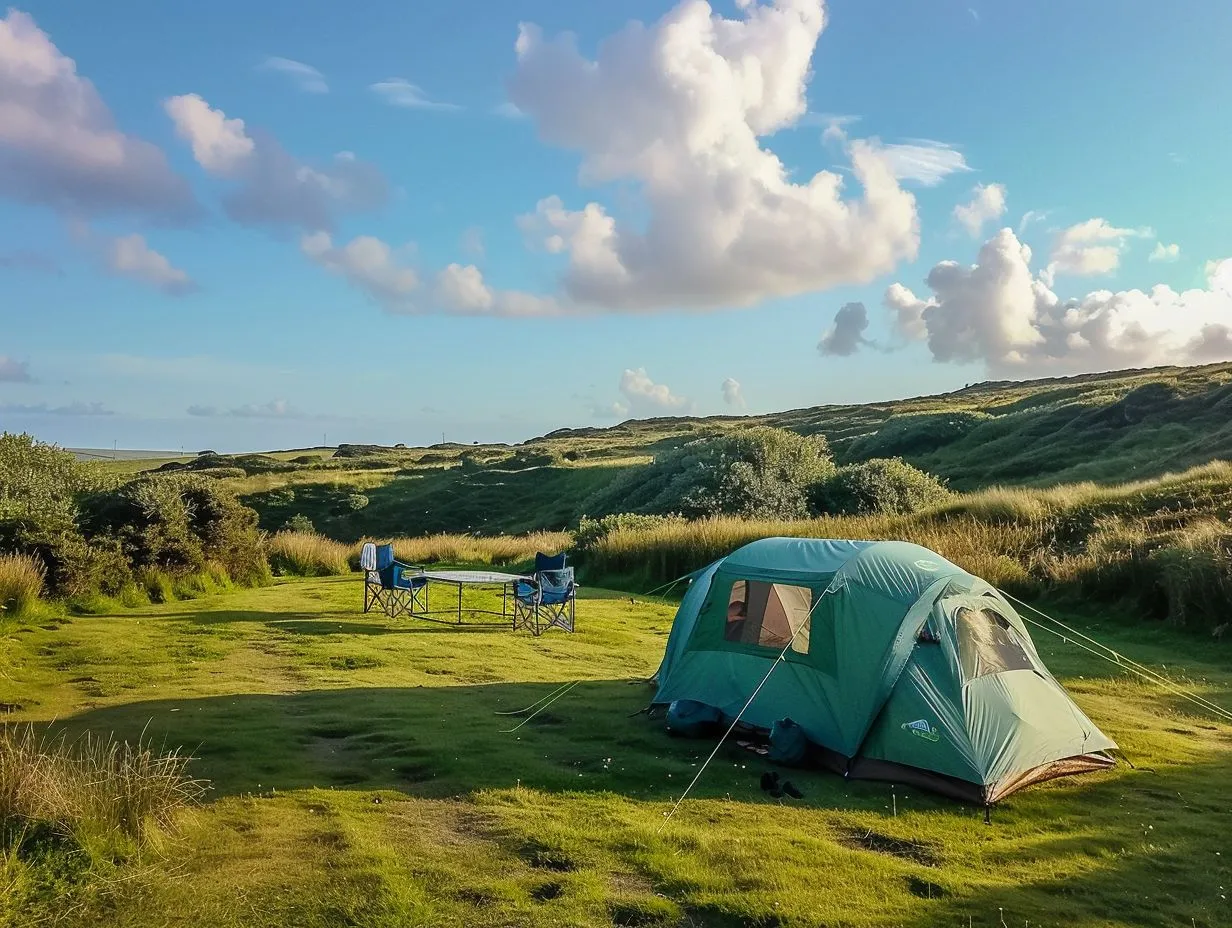
The best photographs in Britain are taken at dawn, and the only reliable way to be standing in the right place at dawn is to have slept a short walk from it. That is the case for camping as a photographer: not the campsite itself, but where it puts you. Base yourself near Buttermere and you can be on the shoreline before the wind picks up, while the day visitors are still an hour down the motorway.
This guide names the most photogenic regions in the UK and the camping that puts you on location for first light. For each one you get the signature shot, the light that suits it best, and a sense of what you are photographing. It sits alongside our companion piece on the best campsites for stargazing, because many of these same places turn out brilliant skies after dark.
It comes from Camping Sites in Britain, where you can find and compare campsites, caravan parks and glamping near every region below.
What makes a place worth camping for
A location earns its place here when it gives you a repeatable shot in good light and camping close enough to catch it. That means proximity to the subject, a clear view of where the sun rises or sets, and enough variety that a wet morning does not end the trip. The regions below all clear that bar, and most reward a two or three night stay rather than a single dash.
Golden hour does the heavy lifting. The hour after sunrise and the hour before sunset give you low, warm, directional light and long shadows, and at dawn you usually get stiller water and fewer people as a bonus. Camping is what buys you that dawn hour without a three o'clock alarm and an hour's drive.
The Lake District: reflections and fells
The Lake District is the classic UK landscape trip, built on still water and steep fells. The signature shot is a dawn reflection: Buttermere with the sentinel pines mirrored in the lake, or Derwentwater from Ashness or Friar's Crag as the light hits Catbells across the water. Both work best at first light in autumn, when the fells turn bronze and the mornings are calm.
Camp near the water and you can walk to the shoreline before sunrise while the surface is glass. Higher up, the tarns reward the effort: Innominate Tarn on Haystacks and the little pools above Blea Tarn give you foregrounds most visitors never see. Base yourself around Keswick or Borrowdale for Derwentwater, or in the Buttermere valley for the quieter western lakes. Browse options across the region on our Lake District and Cumbria campsites pages.
The Isle of Skye: drama and weather
Skye is the most dramatic landscape in Britain, and its weather is part of the appeal rather than a problem to wait out. The three names to know are the Quiraing, a landslip of ridges and pinnacles that photographs best in raking morning light, the Old Man of Storr, the great leaning pinnacle above the Trotternish ridge, and the Fairy Pools below the Cuillin, where clear plunge pools stack up a stream with the mountains behind.
The Storr and the Quiraing both face broadly east, so they come alive at dawn. Skye's fast-moving cloud gives you shafts of light and clearing storms that a settled day never would, so book two or three nights and let the weather come to you. Camping on the island keeps you close to trailheads that involve long single-track drives from anywhere off it.
Glencoe and the Highlands: mountains and lochs
Glencoe delivers big mountain drama with short walks to the shot. The pyramid of Buachaille Etive Mor above the little white cottage at Lagangarbh is one of the most photographed views in Scotland, and it faces the sunrise, so a dawn start with the River Coupall in the foreground is the reason to be there. The wider Highlands add lochs, glens and glassy dawn reflections at places like Loch Achtriochtan and Loch Leven.
Weather and light change by the minute here, which is exactly what you want. Camp in or near the glen so you are set up before the first coach arrives, and keep an eye on the tops for the clearing cloud that makes the difference. Find bases across the region on our Scottish Highlands campsites pages.
The Jurassic Coast: sea stacks at sunrise
Dorset's Jurassic Coast is the best sea-stack and sunrise coastline in England. Durdle Door, the natural limestone arch, and Old Harry Rocks, the white chalk stacks off Studland, are the headline subjects, and both face roughly east, so sunrise through and beside them is the shot to plan around. A long exposure to smooth the sea, timed for the sun rising through the arch in summer, is the postcard.
The light is best at dawn before the beach fills, and blue hour just before sunrise gives you soft graduated skies over the water. Camping along the coast means a short pre-dawn walk down to the cove rather than a fraught early drive and a scramble for parking. Compare sites on our Dorset campsites pages.
Northumberland: castles, empty beaches and dark skies
Northumberland pairs a photogenic coast with the darkest skies in England. Bamburgh Castle on its dune above miles of empty sand is the signature, strongest at sunrise from the beach to the south or under the Milky Way after dark. The beaches here stay genuinely quiet, which means clean foregrounds and reflections in the wet sand at low tide.
Inland, Northumberland is home to one of the largest areas of protected dark sky in Europe, so a coastal day of castles and beaches rolls straight into an astro night. That double life makes it ideal if you want to combine landscapes with night work, which we cover in our guides to night sky photography and campsites near dark sky parks.
Eryri (Snowdonia): peaks and lake reflections
Eryri gives you Wales's highest ground reflected in still water. The classic frame is Yr Wyddfa (Snowdon) mirrored in Llyn Padarn at Llanberis, with the lone tree at Llyn Padarn a favourite foreground at dawn. The lake faces the mountain across calm water, so a still morning delivers a clean reflection with the summit catching the first light.
Sunrise is the moment, both for the calm surface and for the warm light on the peaks. Higher up, Llyn Llydaw and Glaslyn on the way to the summit give you dramatic alpine foregrounds if you are prepared to walk in early. Camping around Llanberis or the Ogwen valley keeps the trailheads and the lakeshores within easy reach. See what is available on our Gwynedd campsites pages.
The Yorkshire Dales: waterfalls, walls and a viaduct
The Dales are about human-made lines in a natural landscape. Drystone walls climbing over green fells give you ready-made leading lines, the waterfalls at Aysgarth and Ingleton reward the long exposure that silks the water, and the Ribblehead Viaduct striding across open moor is one of the great engineering subjects in Britain, especially with a steam train crossing it or the Milky Way arcing over the arches.
Overcast days actually help the waterfalls, cutting harsh contrast and letting you slow the shutter, while Ribblehead is best at dawn, dusk or after dark. Camping in Ribblesdale or Wensleydale puts you on the moor for the low light the viaduct needs.
The New Forest: autumn woodland and ponies
The New Forest is the best accessible woodland photography in southern England, and it comes with free-roaming subjects. Autumn is the season: beech and oak turning, mist between the trunks at dawn, and the famous ponies grazing the heath and lanes. Woodland rewards patience and a longer lens to isolate order out of the chaos of branches.
Soft, overcast light or early morning mist suits the trees far better than hard sun, so the shoulders of the day and the shoulders of the year are your friends here. Keep your distance from the ponies and other stock; they are working animals of the Forest, not props. Camping in the Forest itself means you are among the trees for the mist before it burns off.
Pembrokeshire: coast, cliffs and wildlife
Pembrokeshire is Wales's coastal wildlife trip, with a National Park that is almost entirely coastline. The cliffs, coves and offshore islands give you sea stacks, arches and turquoise water, while the islands of Skomer and Skokholm draw puffins and vast seabird colonies in spring and early summer. St Govan's Chapel wedged into the cliff and the beaches at Barafundle and Marloes are all camera country.
Golden hour along the Pembrokeshire Coast Path gives warm light across the cliffs, and the seabird season peaks from April to July. Camping near the coast puts you on the path for the light and within a short hop of the island boats, which leave early and fill fast.
Practical tips for photographers who camp
The habits that separate good camping photography from lucky snaps are mostly about being ready before the light arrives. Get these right and the locations above do the rest.
- Start early, and check the sun. Work out where the sun rises and sets relative to your subject the night before, and be in position for blue hour, not scrambling as the light peaks.
- Carry a tripod. It is non-negotiable for dawn reflections, silked waterfalls, blue hour and any night work. A cable release or a two-second timer stops shake on long exposures.
- Live by a weather app. Cloud, wind and tide decide your shot. The Met Office for forecasts, a tide table for the coast, and a sun and Milky Way planner all earn their place.
- Protect kit from damp. Tents get condensation and dew soaks everything at dawn. Keep gear in dry bags, throw in silica sachets, and let a cold camera warm up slowly before you open it to avoid internal condensation.
- Respect land and wildlife. Stick to paths, close gates, keep back from birds and animals, and follow the Countryside Code in England and Wales or the Scottish Outdoor Access Code in Scotland. Ask before you cross private land, and leave no trace.
For the craft side, from filters and settings to composition in changing light, see our companion guide to camping photography tips.
Frequently asked questions
Where is the most photogenic place to camp in the UK?
The Lake District and the Isle of Skye are the two strongest all-rounders, one for still-water reflections and fells, the other for dramatic light and weather. The Jurassic Coast is the pick for sunrise sea stacks, and Northumberland for castles paired with dark skies.
What time of day is best for landscape photography?
Golden hour: the hour after sunrise and the hour before sunset, when light is low, warm and directional. Dawn also gives you stiller water and fewer people. Blue hour, just before sunrise and after sunset, suits coastlines and cityscapes for its soft, even light.
Why camp rather than drive to these locations?
Camping close to the subject lets you be in position for first light without a long pre-dawn drive and a scramble for parking. The best light is often gone within an hour of sunrise, so being a short walk away is a real advantage.
What camera gear should I take camping?
A camera, a sturdy tripod, a wide lens for landscapes and a longer lens for wildlife and detail. Add spare batteries, extra cards, a cleaning cloth, dry bags to keep kit dry, and a head torch for setting up before dawn. Filters help with waterfalls and bright skies.
Can I photograph wildlife like puffins and ponies up close?
Keep your distance and use a longer lens rather than approaching. Puffins on Skomer and Skokholm are best photographed from the marked paths, and New Forest ponies are working stock, not tame. Getting close stresses animals and often ruins the shot anyway.
Which UK regions are best for combining landscapes and night skies?
Northumberland, the Yorkshire Dales and Eryri all pair strong daytime landscapes with dark skies for astrophotography. Base near a dark sky area and you can shoot golden hour and the Milky Way from the same campsite in one trip.
The short version
Pick a region for its signature shot, camp close enough to walk there for dawn, and let the weather and the light do the work. Skye and the Lakes for the biggest drama, the Jurassic Coast for sunrise stacks, Northumberland and the Dales when you want the stars too. Find your base near any of them across our UK campsite listings.