Safe Drinking Water While Camping: How to Source and Treat It
· Updated
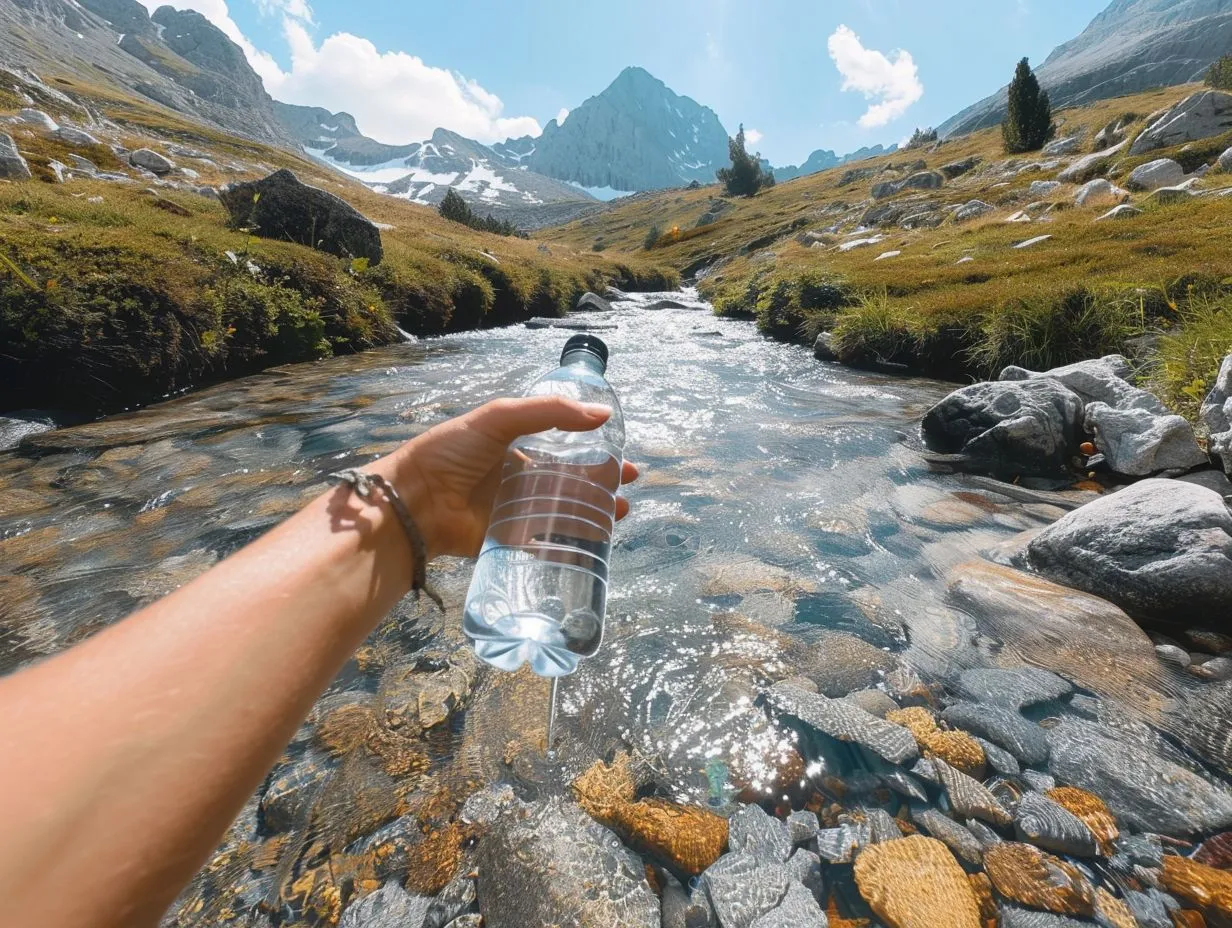
The safest drinking water on any camping trip is the water you did not have to treat: a campsite tap marked as drinking water, or clean water you carried in from home. If you can fill up from either of those, do it and stop worrying. Treatment is for when you cannot, and every wild source, no matter how clear it looks, should be treated before it goes anywhere near your mouth.
Get this wrong and you can pick up a stomach bug that turns a brilliant weekend into a miserable one, and a nasty one at that if you are miles from help. It sits alongside knowing your essential first aid tips for campers, one of the plain, practical bits of safety that keeps a trip on track.
This guide from Camping Sites in Britain covers where to get water, why untreated wild water is risky, and the four ways to make it safe done properly.
Start with the easiest safe source
On most UK trips you never need to touch a stream. Book a site with a mains tap and your water problem is solved before you arrive. Look for a tap marked as drinking water, potable water or wholesome water; that means it meets the same standard as the water at home and needs no treatment.
If you are pitching somewhere without a mains supply, carry water in from home in a clean, food-grade container. A rigid jerry can or a collapsible carrier both work. Fill it at the kitchen tap, keep the cap on, and you have known-safe water for drinking, cooking and brushing teeth. Plan for around three to five litres per person per day in warm weather, more if you are walking hard. You can browse sites and check their facilities across our directory at campsites.
Only when neither of those is an option, on a wild pitch, a long hike or a multi-day route, do you need to treat water from the landscape around you. That is where the rest of this guide comes in.
Why untreated wild water is risky
Clear, cold and fast does not mean clean. The water in a hillside stream can carry things that will make you very ill, and none of them are visible.
The main worry is two microscopic parasites, Giardia and Cryptosporidium, which get into water through animal or human faecal contamination. Both cause horrible stomach illness: cramps, watery diarrhoea, sickness and days of feeling wretched, sometimes weeks. Cryptosporidium in particular is stubborn and hard to kill. On top of the parasites you can pick up harmful bacteria, chemicals from farm run-off such as fertiliser and slurry, and whatever has washed in from a dead sheep lying upstream where you cannot see it.
In the British uplands, livestock is the constant. Sheep and cattle graze right up to the watercourses, so assume any open water has passed through or near an animal at some point. That is why the rule is simple: treat it, every time.
The four ways to treat water done right
There are four proven methods, and each has a job it does well. Boiling is the surest, filtering handles the everyday stuff, chemical tablets are light and easy to carry, and UV is quick in clear water. Here is how they compare.
| Method | Kills or removes | Watch out for |
|---|---|---|
| Boiling | Everything: bacteria, viruses and parasites including Giardia and Cryptosporidium | Needs fuel and time; water must cool before drinking |
| Filtering | Bacteria and protozoa (parasites) | Most filters do not remove viruses; check the pore size |
| Chemical | Bacteria and viruses; chlorine dioxide also tackles Cryptosporidium | Needs contact time; iodine is weak against Crypto |
| UV | Bacteria, viruses and parasites | Only works in clear water; needs batteries |
Boiling
Boiling is the gold standard and kills everything, parasites included. Bring clear water to a rolling boil for one full minute, and at high altitude give it three minutes to be safe, though in Britain a minute is fine for anywhere you are likely to pitch. A rolling boil means big, tumbling bubbles across the whole surface, not just a few rising from the bottom. Let it cool naturally before you drink or decant it. The only downsides are the fuel you burn and the wait, which is why many campers carry a backup for water they will drink on the move.
Filtering
A good camping filter removes bacteria and protozoa, so it deals with Giardia and Cryptosporidium as you drink. Water passes through a physical membrane fine enough to strain the nasties out, and you get clean water straight away with no waiting and no taste. The catch is that most filters do not remove viruses, though in the UK backcountry that is a low risk. Pick the right one and look after it: our guide to the best portable water filters for campers covers pore sizes, types and maintenance.
Chemical treatment
Chemical treatment means chlorine dioxide or iodine, sold as tablets or drops, and it is the lightest option to carry. You add it to the water and wait, and the contact time on the packet matters: give it the full time stated, which can be up to four hours for cold or cloudy water against Cryptosporidium. If you have a choice, use chlorine dioxide rather than iodine, because iodine kills bacteria and viruses but works poorly against Cryptosporidium, while chlorine dioxide handles Giardia and is effective against Crypto too. Iodine is also not for long-term use or for anyone pregnant.
UV light
A UV purifier such as a SteriPEN kills bacteria, viruses and parasites by stirring ultraviolet light through the water for a minute or so. It is fast and adds no taste. The two conditions are that the water must be clear, as cloudy water shields microbes from the light, and the unit needs charged batteries, so it is worth carrying spares on a longer trip.
Combine methods for dodgy water
If the water looks murky or you are downstream of animals or farmland, do not rely on one method. Filter it first to take out the sediment and parasites, then treat the filtered water with chemical drops or UV to mop up anything left. Filter then chemical, or filter then UV, gives you two lines of defence for the water you trust least.
UK-specific guidance on wild sources
Where you draw from matters as much as how you treat it. In Britain the lowest-risk water is a fast-flowing stream high in the hills, above any habitation and above where livestock graze. Moving water that has just come off high ground has had less chance to pick up contamination, though you still treat it.
Higher-risk water is anything still or slow, anything near or downstream of farmland, and any pool where animals gather. Stagnant water, ponds and the sluggish lower reaches of a river are the ones to avoid drawing from at all if you can. The guidance is straightforward:
- Prefer fast-flowing water from high up, above people and animals.
- Avoid still, slow, or farm-adjacent water where you can.
- When in doubt, treat it, and treat it thoroughly.
- Never assume clear water is clean; the things that make you ill are invisible.
If you are heading somewhere genuinely remote, water is one item on a longer list. Read our guide to staying safe when camping in remote areas before you go, and think about how much you will drink on the walk in, covered in our piece on hydration while hiking.
Managing water at camp
Treating water is wasted effort if you then pour it into a dirty bottle. Keep your containers clean: wash carriers and bottles with hot, soapy water, rinse well, and let them dry before storing them. A funk in a bottle left damp between trips is the sort of thing that undoes all your care.
Do not cross-contaminate. Keep one container for treated, drinkable water and a separate one for untreated water you are about to filter or boil, and never let the two touch. Wash your hands before handling drinking water, keep caps on, and do not dunk the mouth of a clean bottle into a stream. Simple habits, but they are what keep safe water safe.
Frequently asked questions
Can you drink stream water in the UK without treating it?
No. Even a clear, fast Highland stream can carry Giardia, Cryptosporidium and bacteria from livestock upstream. Always boil, filter, chemically treat or UV-treat wild water before drinking it. Clear water is not the same as clean water.
How long should you boil water to make it safe?
Bring clear water to a rolling boil for one full minute, then let it cool. At altitudes above roughly 2,000 metres boil for three minutes, though you will rarely need that in Britain. Boiling kills bacteria, viruses and parasites, including Cryptosporidium.
Does a camping filter remove Giardia and Cryptosporidium?
Yes. A good portable filter with a fine enough pore size removes protozoa such as Giardia and Cryptosporidium, along with bacteria. Most filters do not remove viruses, but that is a low risk in the UK backcountry. Check the manufacturer's rating before you buy.
Is chlorine dioxide or iodine better for water treatment?
Chlorine dioxide is better. It kills bacteria and viruses and is effective against Cryptosporidium, whereas iodine works poorly against Crypto. Follow the contact time on the pack, up to four hours for cold or cloudy water. Iodine is also unsuitable for long-term use or during pregnancy.
What is the safest way to get drinking water while camping?
The safest option is a campsite tap marked as drinking water, or water carried in from home in a clean, food-grade container. Neither needs treating. Only turn to wild water when you have no mains or carried supply, and treat it before drinking.
Can you treat very dirty water for drinking?
Yes, but use two methods. Filter it first to remove sediment and parasites, then treat the filtered water with chlorine dioxide or UV to deal with anything remaining. Filter then chemical, or filter then UV, is the safe approach for water you do not trust.
The short version
Fill up from a drinking-water tap or carry clean water from home whenever you can, because that is always the safest choice. When you must use wild water, treat it every time: boil it for a rolling minute, filter it, use chlorine dioxide, or zap it with UV, and combine methods for the dodgiest sources. For the wider safety picture, start with our essential first aid tips for campers, and find your next pitch across our campsites directory.
Boiling times and guidance on Giardia and Cryptosporidium in this article follow the CDC water treatment guidance for camping and hiking.