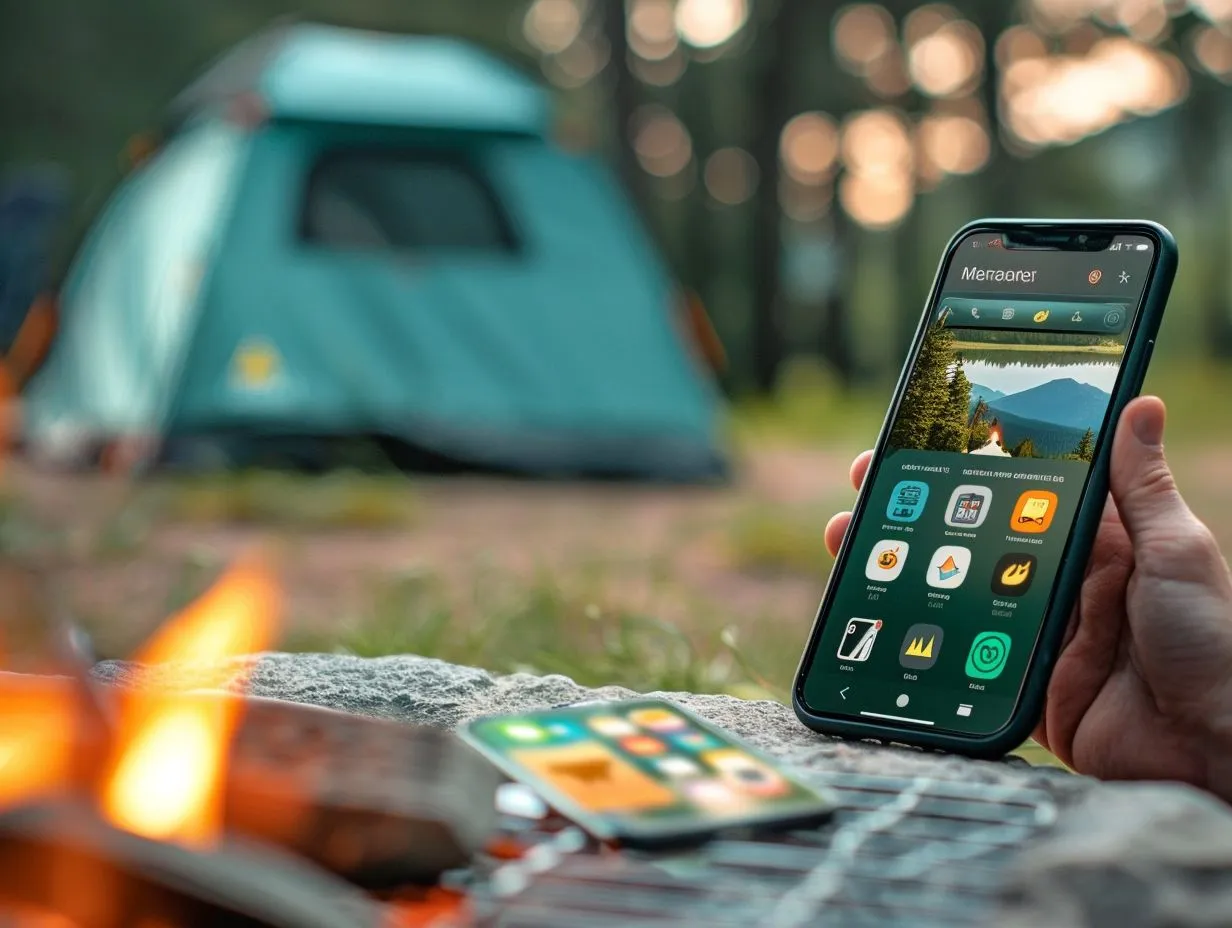
The Best Waterproof Cases for Camping Electronics: Keep Kit Dry.
· Updated
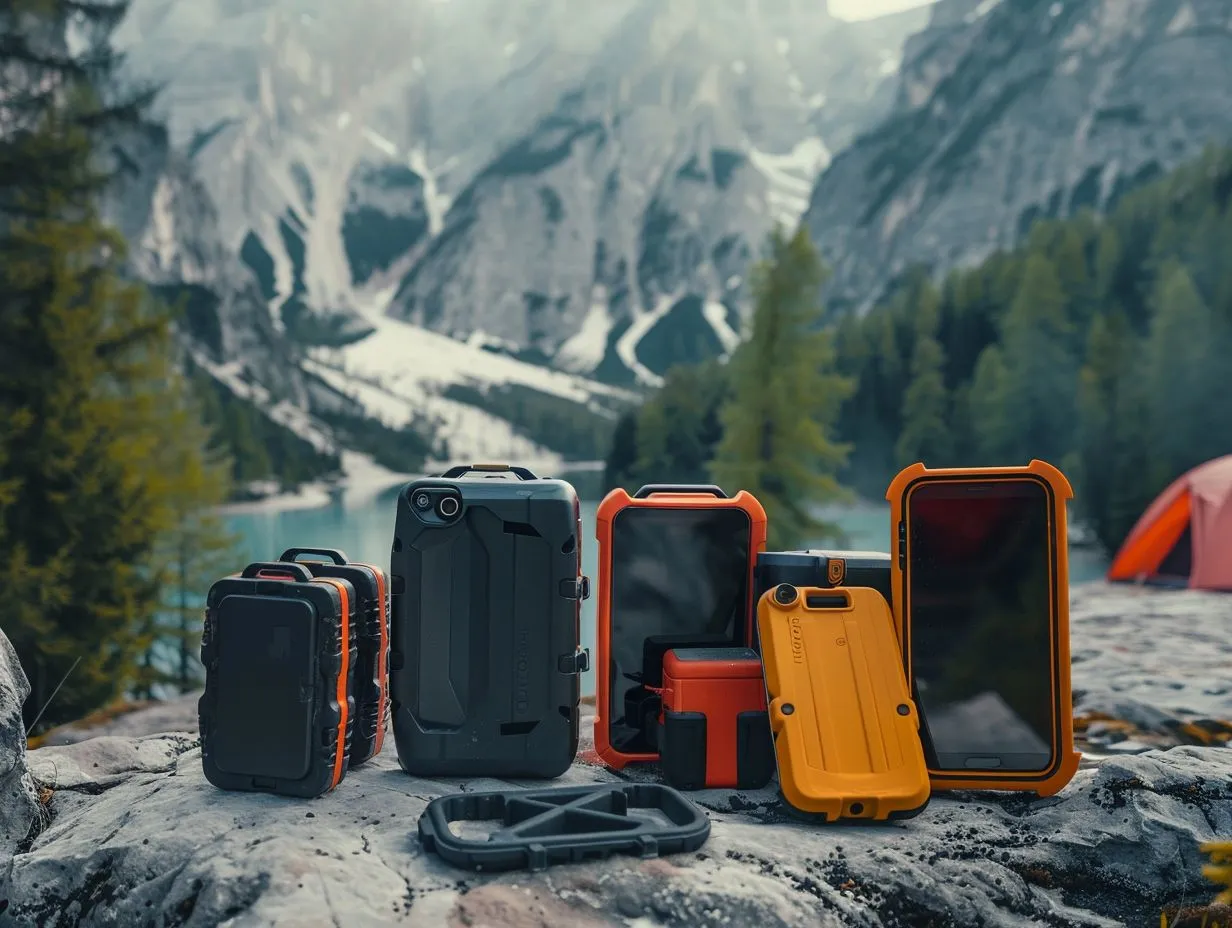
The best waterproof case for camping is the one matched to the job: a cheap floating TPU pouch for your phone at the beach or in a kayak, a hard crushproof case like a Pelican for a camera, and a roll-top dry bag for a pile of power banks and cables. One case rarely covers everything, so pick by what you are protecting and how wet it is likely to get.
Your phone probably already carries an IP67 or IP68 rating, which sounds reassuring until you learn that rating fades with age, does not cover salt water, and was never meant for pressure or a dropped handset on rock. That is why a dedicated case earns its place in the pack, alongside sensible power planning covered in our guide to electric hook-up and powering your camp.
This is the kit guide from Camping Sites in Britain, where you can find and compare campsites, caravan parks and glamping across the UK.
What IP ratings actually mean
An IP rating is a two-digit code from the international standard IEC 60529 that tells you how well a sealed device resists solids and water. The first digit covers dust and particles on a scale to six, and the second covers water on a scale to nine. Read the digits separately: IP68 means the first digit is six and the second is eight, not sixty-eight.
The first digit maxing out at six means dust-tight, with no ingress of particles at all. On the water scale, seven means the device survives immersion up to one metre for 30 minutes, and eight means it survives continuous immersion deeper than one metre at a depth and duration the manufacturer states. A nine or 9K rating means it resists high-pressure, high-temperature jets. If you see an X, as in IPX8, that digit was simply not tested, not that it failed.
| Rating | Dust | Water | What it means for camping |
|---|---|---|---|
| IP54 | Dust-protected | Splash-proof | Fine for drizzle, not for a dunking |
| IP67 | Dust-tight | 1m for 30 minutes | Survives an accidental drop in a puddle |
| IP68 | Dust-tight | Beyond 1m, depth stated | Handles rain and a brief submersion |
| IP69/IP69K | Dust-tight | High-pressure jets | Rugged kit and action cameras |
Two things matter for campers. First, those tests use clean fresh water, so a rating tells you nothing about salt water, which is corrosive and voids most warranties. Second, the rating is measured on a new device in a lab. Seals perish, adhesive weakens and every drop chips away at the protection, so a two-year-old IP68 phone is not the sealed unit it was on day one. Treat the rating as a bonus, not a licence to go swimming.
The options, by what you are protecting
Match the case to the device and the level of water risk, because the right answer for a phone in a kayak is not the right answer for a camera in a rucksack. Here are the five types worth knowing.
Waterproof phone pouches and dry pouches
A dry pouch is the cheapest and most useful bit of water protection you can buy, usually a clear TPU sleeve with a clamp seal, a lanyard and enough air trapped inside to float. You operate the touchscreen straight through the window, which works for tapping and swiping, though the camera shoots through plastic so photos soften a little. These are ideal for kayaking, paddleboarding, beach days and river swims, and most carry an IPX8 rating.
The catch is that a poor seal or a nicked pouch lets water straight in, so buy from a known brand rather than the cheapest listing, and always run the tissue test below before you trust it with your phone.
Hard waterproof cases
Hard cases are the serious end: rigid, crushproof, dust-tight and submersible, built to protect cameras, drones, lenses and delicate kit. Pelican, Peli (the same brand in Europe), Nanuk and similar makes use a moulded shell, an O-ring seal and a pressure-release valve, and most carry an IP67 rating with customisable foam that grips each item so nothing rattles loose. A camera body and two lenses survive a drop onto rock or a dunk in a stream inside one of these.
They are bulky and not cheap, so they suit the gear you cannot afford to lose rather than a single phone. If you are carrying a proper camera into wet or rough country, this is the case to own.
Roll-top dry bags for bulk electronics
A roll-top dry bag is the simplest way to keep a pile of gadgets dry in one go: power banks, cables, a head torch, a Kindle and a spare battery all live inside one bag. You fold the top over three or four times and clip it, trapping a pocket of air that keeps water out and helps it float. They come in sizes from two litres to over 60, so you can dedicate a small one to electronics inside a larger pack. The wider case for carrying one is covered in the general dry-bag approach to camp storage.
Rugged phone cases
A rugged case is the everyday answer for a phone that lives in your pocket rather than a kayak. Brands build shockproof, sealed cases that add drop protection and a water seal you can rely on day to day, which matters far more than the phone's own rating once that rating has aged. Pair one with a dry pouch for the genuinely wet days and your phone is covered on land and water.
Waterproof and rugged power banks
A rugged power bank keeps your charging sorted when the weather turns, with a sealed, dust-tight and often IP67-rated body that shrugs off rain and mud. It is the piece most people forget, then regret when a downpour kills the cheap battery keeping their phone alive. For choosing capacity and the right model, see our guide to the best battery packs.
What to look for when buying
Judge a case on five things, in this order: the rating, the seal, floatation, screen usability and size. A stated IP rating or a depth in metres is the baseline, so be wary of anything that only claims to be waterproof with no figure to back it. Everything else follows from how and where you will use it.
- The IP rating or stated depth. Look for a specific figure, IP67, IP68 or a depth in metres, not a vague waterproof claim.
- A reliable seal. An O-ring on a hard case or a proven clamp on a pouch. This is the part that fails, so it matters most.
- Floatation. Anything used near open water should float, or you will watch it sink. Most pouches and dry bags do; hard cases usually float too until fully loaded.
- Screen usability. A pouch you can tap and swipe through, and buttons you can press on a rugged case, or it stays in your bag when you need it.
- Size. Match it to the device. A phone pouch swamps a small compact; a camera case is dead weight for a single handset.
Practical tips that save your kit
Test every waterproof pouch before you trust a phone to it. Seal a folded tissue inside, hold the empty pouch under water for a couple of minutes, then check the tissue is bone dry. Do this the day you buy it and again at the start of each season, because a seal that passed last summer may not pass this one.
For cameras and anything with a lens, drop a silica gel sachet inside the case with the kit. It absorbs the moisture that condenses when you move gear from a cold morning into a warm tent, which is what fogs lenses and corrodes contacts. Save the sachets that come with new shoes and electronics, or buy a bag of them cheaply.
Dry everything before you seal it. Sealing a damp phone or a wet camera into a waterproof case traps the moisture against the device, which is worse than leaving it in the open air. Wipe it down, let it air for a minute, then close the seal. Keeping the whole charging chain dry matters too, which ties into how you plan power and signal off-grid, covered in our guides to staying connected off-grid and the best handheld GPS devices.
Frequently asked questions
Is an IP68 phone safe to take swimming?
Not reliably. IP68 is tested in fresh water on a new device, so it does not cover salt water, pressure or an aged seal. Use a floating dry pouch for any deliberate swim or paddle, and keep the phone's own rating as a backup only.
What is the difference between IP67 and IP68?
The dust protection is identical; both are dust-tight. The difference is water depth. IP67 survives immersion up to one metre for 30 minutes, while IP68 survives deeper immersion at a depth the manufacturer states, often 1.5 to two metres.
Do waterproof phone pouches work for photos?
Yes, but the camera shoots through the clear window, so images lose a little sharpness and can catch glare. Keep the plastic clean and flat against the lens for the best result, and expect touchscreen tapping and swiping to work normally.
Are Ziplock bags good enough for camping electronics?
They help against light rain and dust in a pinch, but they are not sealed or floating and puncture easily. Use one as a backup layer inside a dry bag, not as your only protection for a phone or camera near water.
What case protects a camera best when camping?
A hard waterproof case such as a Pelican, Peli or Nanuk. The moulded shell, O-ring seal and custom foam make it crushproof and submersible, protecting a camera body and lenses from drops, dust and a dunking that would ruin a soft bag.
Do IP ratings get worse over time?
Yes. Ratings are measured on a new device, and seals perish, adhesive weakens and every drop chips away at the protection. Treat an older phone's rating as unreliable and add a rugged case or dry pouch for genuine water exposure.
The short version
Buy a cheap floating dry pouch for your phone, a hard case for a camera, and a roll-top dry bag for everything else, then test the seals before you trust them. Do not rely on a phone's own IP rating near water, especially salt water or an ageing handset. Sort your power and connectivity alongside the waterproofing, and find your next pitch through the campsite directory at Camping Sites in Britain.