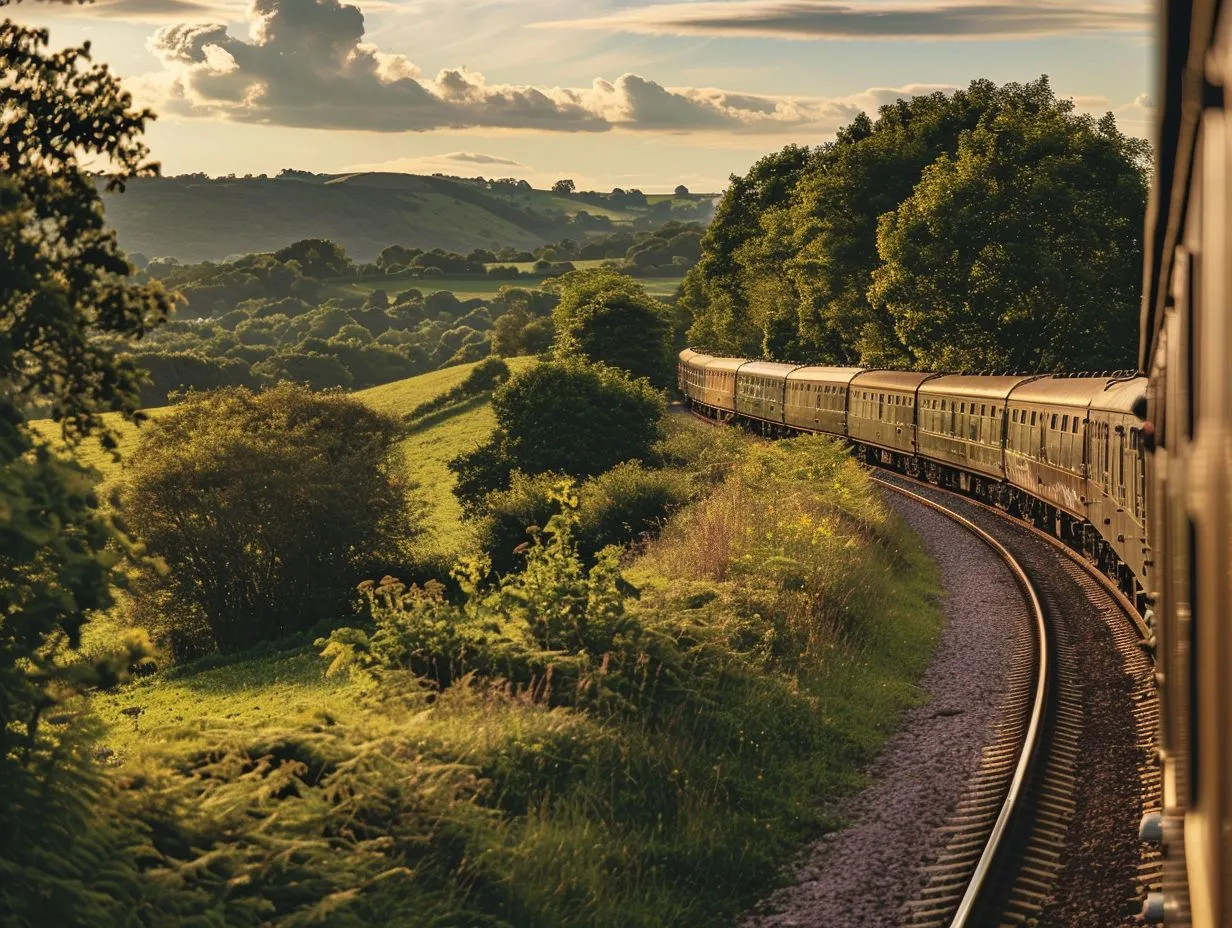
Camping near vineyards in Britain: a wine-country trip guide.
· Updated
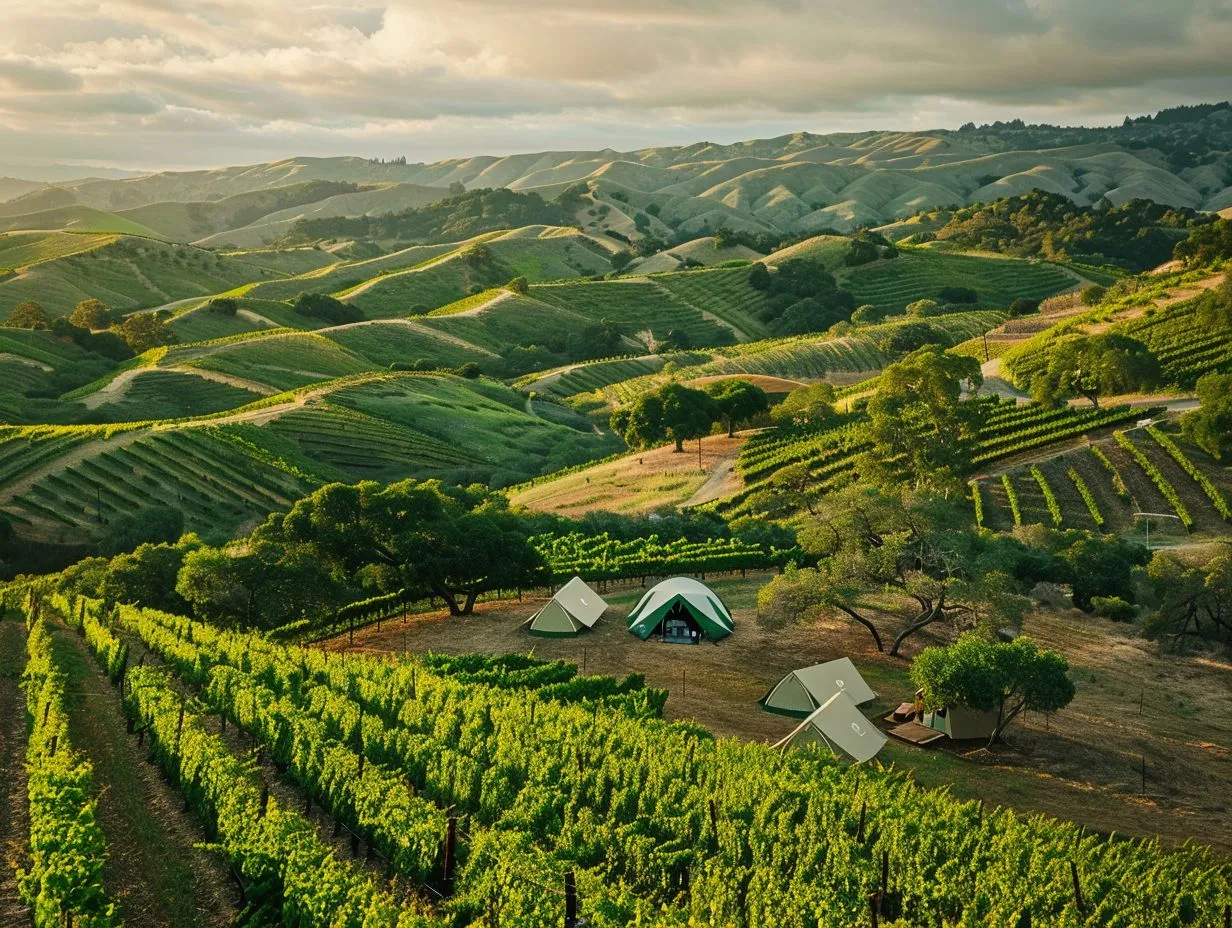
English and Welsh wine has gone from a novelty to a genuine rival for Champagne, and that makes vineyard country one of the most relaxed, grown-up camping trips you can plan. The trick is simple: base yourself at a good campsite, spend the day touring a nearby estate, taste the sparkling wine that put these hills on the map, and always sort a designated driver or a taxi so nobody gets behind the wheel after a glass.
This guide names the real, well-known vineyards that welcome visitors, and pairs them with the camping angle nearby. It is part of Camping Sites in Britain, and you can browse campsites across the UK to find a pitch close to whichever wine region you fancy.
Why Britain is now proper wine country
The reason British sparkling wine tastes so good is written in the ground. The same band of chalk that runs under the Champagne region surfaces again beneath the South Downs, so vineyards in Kent, Sussex and Hampshire grow the same three grapes (chardonnay, pinot noir and pinot meunier) in strikingly similar soil. A warming climate has done the rest, and English sparkling wine now regularly beats Champagne houses in blind tastings.
For a camper, that means a genuine day out with something to see and taste, not just a field. Most estates run guided tours, pour tastings, sell direct from the cellar door and often have a cafe or restaurant. Some host summer events, and a handful offer their own glamping or camping so you can stay on site. The rest of the time you pitch up nearby and visit by day.
Vineyards to visit in the South East
The South East is the heartland of English wine, with several of the biggest and most decorated estates within an easy drive of good camping. These are the names worth building a trip around.
- Chapel Down (Kent): one of England's largest wine producers, near Tenterden, with a well-run vineyard and winery tour, a restaurant and a big shop. Bodiam Castle and the Kent and East Sussex Railway are close by for a non-wine day.
- Denbies Wine Estate (Surrey): England's largest single-estate vineyard, spread across 380 acres near Dorking with 265 acres under vine. It runs indoor and outdoor tours, has restaurants, and even offers its own vineyard-view accommodation at The Vineyard Hotel if you want a night off canvas.
- Nyetimber and Ridgeview (Sussex): two of the most awarded sparkling producers in the country. Nyetimber opens for a limited number of ticketed days each year, while Ridgeview near Ditchling runs regular tours and tastings with views over the Downs.
- Bolney Wine Estate and Rathfinny (Sussex): Bolney is one of England's older vineyards with a relaxed cellar door, and Rathfinny near Alfriston is a huge modern estate in the South Downs National Park with a celebrated restaurant.
Sussex and Surrey are packed with campsites and touring parks, many within a short hop of these estates, so you can pair a morning walk on the South Downs Way with an afternoon tasting.
Vineyards to visit in the South West
The South West swaps chalk for a milder maritime climate, and it has produced some of Britain's most respected wines. It also happens to be prime camping and glamping country.
- Camel Valley (Cornwall): a family-run, award-winning vineyard in the Camel Valley near Bodmin, famous for its sparkling wines. Its guided Grand Tour and Tasting is one of the best wine experiences in the county, and it sits close to the Camel Trail cycle route. Browse campsites in Cornwall to pitch nearby.
- Sharpham (Devon): set on a bend of the River Dart near Totnes, with vineyard tours, tastings and a lovely wild setting. There is excellent camping across Devon, from the coast to Dartmoor.
- Dorset and Somerset: vineyards are dotted across both counties, including well-known names in the Somerset hills and along the Jurassic Coast. Base yourself at one of the campsites in Dorset and make a wine stop part of a wider coast-and-countryside trip.
Beyond the South: Hampshire, Essex and Wales
Wine country stretches well beyond the obvious corners. Hampshire is home to Hambledon, England's oldest commercial vineyard, founded in 1952 on the edge of the South Downs and now a serious sparkling-wine producer with tours and dining. Essex has a growing cluster of vineyards on its warm, dry, low-rainfall soils, and Wales has its own scene, with vineyards in the Vale of Glamorgan, Monmouthshire and the southern valleys producing still and sparkling wines worth seeking out. Wherever you are heading, there is likely a vineyard within reach of a decent pitch.
How to plan a vineyard camping trip
Treat the vineyard as the highlight and the campsite as your comfortable, affordable base. A little planning turns a nice idea into a proper trip.
| Step | What to sort |
|---|---|
| Pick your region | Choose one wine area (South East, South West, Hampshire, Essex or Wales) so you are not driving miles between estates. |
| Book tours ahead | Many vineyards need tours and tastings booked in advance, and some open only on set dates. Check before you travel. |
| Choose your base | Find a campsite within a short drive or taxi ride. On-site glamping or camping at a vineyard is a bonus where it exists. |
| Plan the transport | Decide your designated driver, or line up taxis and public transport, before the first tasting. |
| Leave room to buy | Cellar-door sales are part of the fun. Pack a cool bag and a bit of space in the car for a few bottles. |
If you like the idea of a themed trip built around good food, drink and days out, you might also enjoy our guides to festive camping trips and camping near stately homes. For a walking-led break, our route notes on walking the Cotswolds pair well with the vineyards dotted through that part of the country.
Never drink and drive: the one rule that matters most
Wine tasting and driving do not mix, so plan your transport before you plan anything else. In England and Wales the legal limit is 35 micrograms of alcohol per 100 millilitres of breath, or 80 milligrams per 100 millilitres of blood (GOV.UK, drink-drive limit). Scotland's limit is lower still.
There is no reliable way to judge how many drinks will keep you under the limit, because it varies from person to person, and alcohol can stay in your system into the next morning. The safe answer is simple: if you are tasting, you are not driving. Nominate a designated driver who stays sober, use local taxis, or plan the day around buses and trains. Many vineyards will happily package up your tasting samples to enjoy back at the campsite, which is the perfect end to the day anyway.
Frequently asked questions
Can you camp at a vineyard in Britain?
Some vineyards offer their own on-site glamping or camping, though most do not. The common approach is to book a nearby campsite as your base and visit the vineyard by day for a tour and tasting.
Which is England's largest vineyard?
Denbies Wine Estate in Surrey is England's largest single-estate vineyard, covering 380 acres near Dorking with 265 acres under vine. It runs tours and tastings and has its own vineyard-view accommodation.
Where is England's oldest vineyard?
Hambledon in Hampshire is England's oldest commercial vineyard, founded in 1952 on the edge of the South Downs. It is now a respected sparkling-wine producer offering tours and dining.
Why is English sparkling wine so good?
The same chalk geology that runs under the Champagne region also lies beneath the South Downs, and a warming climate suits the classic grapes. English sparkling wines now regularly beat Champagne houses in blind tastings.
Can I drive after a wine tasting?
No. If you are tasting wine, do not drive. Arrange a sober designated driver, a taxi or public transport before you set off. There is no safe amount to drink and then drive.
Do vineyards charge for tours and tastings?
Most do. Guided tours with tastings are usually ticketed and often need booking in advance, while cellar-door shops let you taste or buy without a full tour. Check each vineyard's website before you travel.
The short version
British wine country is one of the most relaxed camping trips going: pitch up near a chalk-soil estate in Sussex, Kent or Hampshire, or a river-valley vineyard in Cornwall or Devon, and spend the day touring and tasting. Book tours ahead, buy a few bottles at the cellar door, and always sort a designated driver or taxi. Find your base among campsites across the UK and start planning.