Walking the Cotswolds: Best Scenic Circular Routes and Villages.
· Updated
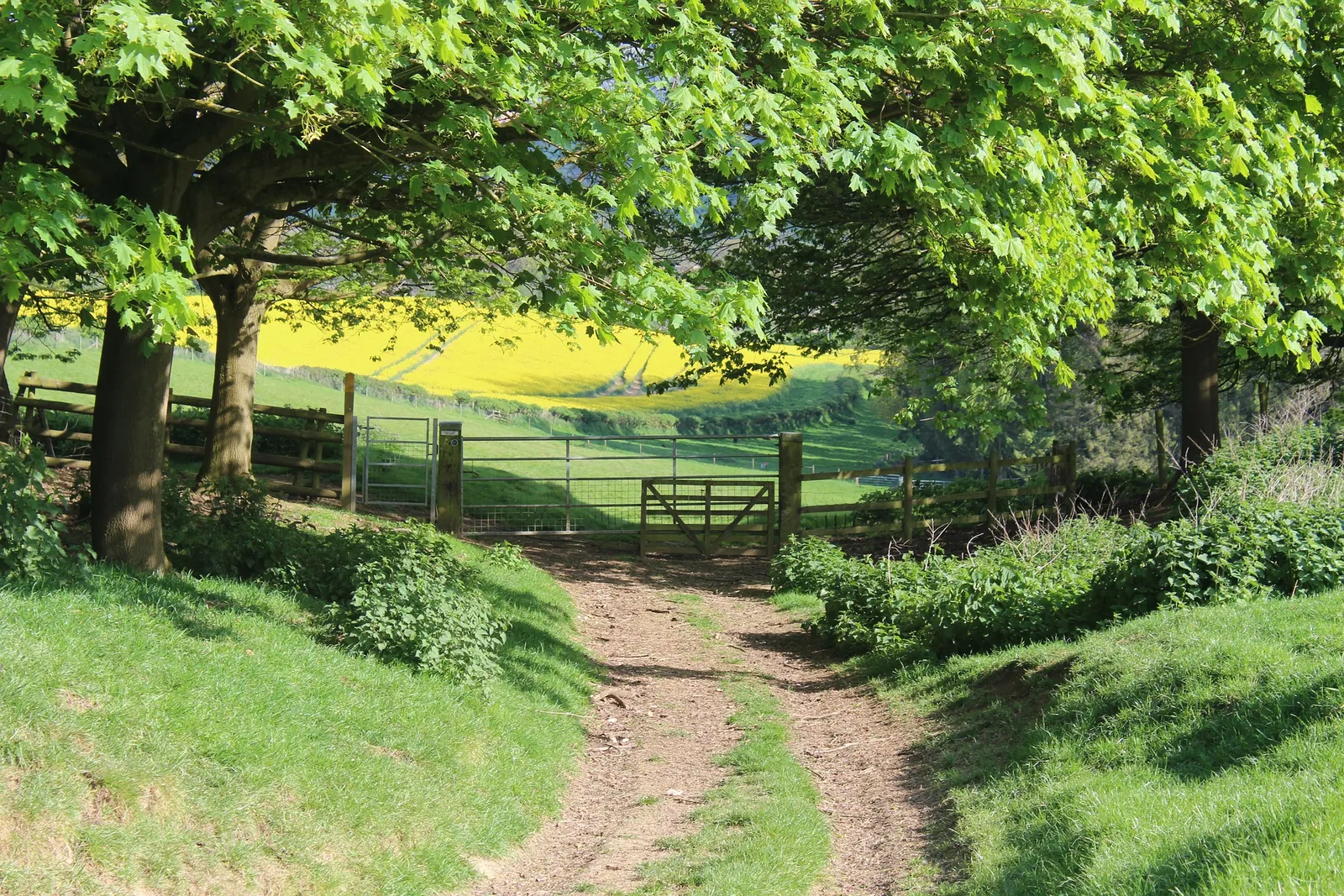
The Cotswolds is the finest place in England for easy circular walking, and you do not need to tackle the whole long trail to see the best of it. This is the largest National Landscape in England and Wales, covering 790 square miles of honey-coloured limestone villages, drystone walls and gentle rolling hills, and almost every famous village has a short loop that starts and finishes at the pub. The terrain is kind, the paths are mostly waymarked, and the classic walks suit families and easy walkers as much as seasoned hikers.
Below are the loops worth planning a trip around, with rough distances, the villages they link and where the good pubs sit. Most run between three and seven miles, so you can walk one before lunch and still have the afternoon for tea and a poke around the shops.
This guide sits alongside our wider guide to camping along the UK's national trails, and it comes from Camping Sites in Britain, where you can find and compare campsites, caravan parks and glamping across the country.
The Cotswold Way: the spine you can walk in day sections
The Cotswold Way is a 102-mile National Trail running along the western escarpment from Chipping Campden to Bath, and the smart way to walk it is in day sections rather than one long push. It is well waymarked in both directions with the National Trail acorn, and much of it links directly to the honeypot villages, so you can pick a scenic stretch, walk out along the ridge and loop back through the valley below.
The finest single days are the northern sections around Broadway, Stanton and Chipping Campden, where the views open west across the Vale of Evesham to the Malverns and Wales. You can confirm current route and closure information on the official Cotswold Way National Trail pages before you set off.
Circular walks from the honeypot villages
The best short loops in the Cotswolds start from the well-known villages, because that is where the paths, the parking and the pubs all come together. Here are the classics, with rough distances and terrain.
| Walk | Rough distance | Best for |
|---|---|---|
| Bourton-on-the-Water and the Slaughters loop | 3 to 4 miles | Easy classic, families |
| Bibury and the Coln valley | 4 to 5 miles | Riverside, prettiest village |
| Broadway and Broadway Tower | 5 miles | Big views, one steady climb |
| Chipping Campden and Dover's Hill | 4 to 5 miles | History and escarpment views |
| Snowshill and the lavender fields | 4 to 6 miles | Summer colour, quiet lanes |
| Castle Combe and the By Brook | 3 to 5 miles | Southern Cotswolds, film-set village |
| Painswick and the beacon | 4 to 6 miles | Steeper, fewer crowds |
Bourton-on-the-Water and the Slaughters
This is the easiest classic loop in the Cotswolds and the one to do first. From Bourton-on-the-Water, the walk of roughly three to four miles follows the River Windrush and field paths up to Lower Slaughter, with its old mill and clear stream, then on to Upper Slaughter before circling back. It is flat, well trodden and doable with a pushchair on a dry day. Bourton gets very busy in summer, so start early and park in the main village car park rather than on the lanes.
Bibury and the Coln valley
Bibury has been called the most beautiful village in England, and a circular walk from it takes in Arlington Row, the row of 17th-century weavers' cottages, before heading out along the River Coln. A loop of four to five miles links quiet water meadows and farmland with the neighbouring village of Coln St Aldwyns, where there is a good country pub. Arlington Row is a lived-in National Trust terrace, so admire it from the lane and keep to the path.
Broadway and Broadway Tower
The Broadway loop gives you the biggest views for the least effort, at about five miles with one steady climb. From the wide main street you follow the Cotswold Way up onto the escarpment to Broadway Tower, a folly that stands at one of the highest points in the Cotswolds with views said to reach 16 counties on a clear day. Come back down through parkland and you have earned lunch in the village. There is a deer park and a cafe at the tower itself.
Chipping Campden and Dover's Hill
Chipping Campden pairs a beautiful market town with a proper viewpoint. A circular walk of four to five miles climbs from the town, the northern end of the Cotswold Way, up to Dover's Hill, a natural amphitheatre owned by the National Trust that looks out over the Vale of Evesham. The town's curved High Street of golden stone and its 17th-century Market Hall are worth an unhurried wander before or after.
Snowshill and summer lavender
Snowshill is a quiet hilltop village that comes into its own in summer, when the nearby Cotswold Lavender fields turn the slopes purple, usually from late June into July. A loop of four to six miles links Snowshill with Stanton and Stanway, two of the most unspoilt villages in the area, on gentle paths with wide views. Check the lavender farm's open dates before travelling, as the bloom window is short and weather dependent.
Castle Combe and the southern Cotswolds
Castle Combe, often filmed and often called one of the prettiest villages in England, anchors a lovely loop in the quieter southern Cotswolds near Chippenham. A walk of three to five miles drops down past the market cross and the bridge, then follows the By Brook through woodland. It is a good choice when the northern honeypots are heaving, and it has a country pub for the finish.
Painswick for a steeper day
Painswick, the so-called Queen of the Cotswolds, offers a bit more climb and rather fewer crowds. A circular walk of four to six miles takes in the churchyard with its famous clipped yews and heads out to Painswick Beacon, an Iron Age hillfort with views across the Severn Vale. The paths here roll a little harder than around Bourton, so wear proper footwear.
What the walking is actually like
Cotswold walking is gentle, green and rarely remote, which is exactly why it suits families and easy walkers. The hills roll rather than tower, the highest ground on the escarpment sits around 1,000 feet, and you are almost never far from a village, a lane or a pub. Underfoot you get grassy field paths, drystone-walled bridleways and short stretches of quiet road, most of it clearly waymarked.
The one thing to plan around is mud. Cotswold clay and limestone hold water, so field paths that are firm in summer turn heavy and slippery from November to March. Waterproof boots and gaiters make winter walks far more pleasant, and after heavy rain the riverside sections near Bourton and Bibury can flood. In high summer the honeypot villages fill by mid morning, so early starts pay off.
If you fancy comparing the terrain with other gentle-to-moderate regions, our guides to walks in the North York Moors and walks in Lincolnshire cover two more areas that reward easy day walking. For flatter, waymarked options with almost no climbing at all, Britain's canal paths are hard to beat.
Dogs, pubs and the Countryside Code
The Cotswolds is excellent dog-walking country, with a country pub at the end of most loops that will welcome a muddy spaniel by the fire. Many paths cross working farmland with sheep and cattle, so keep dogs on a lead around livestock, and give cattle a wide berth, especially with calves in spring and early summer.
Follow the Countryside Code: shut gates behind you, keep to paths across fields, take your litter home and clean up after your dog. Park considerately in the small villages, using the marked car parks rather than blocking narrow lanes and residents' access, because these are lived-in places rather than theme parks.
Where to camp for Cotswold walking
Base yourself near the northern villages for the best walking, since Broadway, Chipping Campden, Bourton and the Slaughters sit within a short drive of each other. There are campsites, caravan parks and glamping sites across Gloucestershire and the wider Cotswolds, many within walking distance of a village pub. Browse and compare options in the Camping Sites in Britain directory to find a pitch that puts you on the doorstep of the loops above.
Frequently asked questions
What is the easiest circular walk in the Cotswolds?
The Bourton-on-the-Water and the Slaughters loop, at roughly three to four miles. It follows the River Windrush and level field paths through Lower and Upper Slaughter, is well trodden and mostly flat, and is manageable with children or a pushchair on a dry day.
How long is the Cotswold Way?
The Cotswold Way is a 102-mile National Trail running from Chipping Campden to Bath along the western escarpment. Most people walk it in day sections over a week or more, or pick single scenic days near Broadway and Chipping Campden.
Which is the most beautiful Cotswold village to walk from?
Bibury is widely called the most beautiful village in England, thanks to Arlington Row and the River Coln, and it makes a lovely four to five-mile loop. Bourton-on-the-Water, Castle Combe and Snowshill are strong rivals for the title.
Are Cotswold walks dog friendly?
Yes. The Cotswolds is excellent dog-walking country with dog-friendly pubs at the end of most loops. Keep dogs on a lead around sheep and cattle, follow the Countryside Code and clean up after your dog on shared paths.
When is the best time to walk in the Cotswolds?
Late spring to early autumn gives the firmest paths and longest days, with lavender at Snowshill peaking in late June and July. Winter walking is fine but muddy, so wear waterproof boots and expect some riverside sections to flood after heavy rain.
Do I need to book or pay for Cotswold circular walks?
No. The footpaths, bridleways and the Cotswold Way are free public rights of way and mostly waymarked. You only pay for parking in the villages and for attractions such as Broadway Tower or the Cotswold Lavender fields.
The short version
Start with the Bourton and Slaughters loop, add Bibury and Broadway Tower, and you have seen the best of the Cotswolds on your feet in a long weekend. Pick firm dates, park considerately, keep dogs under control around livestock and follow the Countryside Code.
When you are ready to plan a trip, read our guide to camping along the UK's national trails and find a nearby pitch in the Camping Sites in Britain directory.