How to Prepare for Unexpected Weather While Camping in Britain.
· Updated
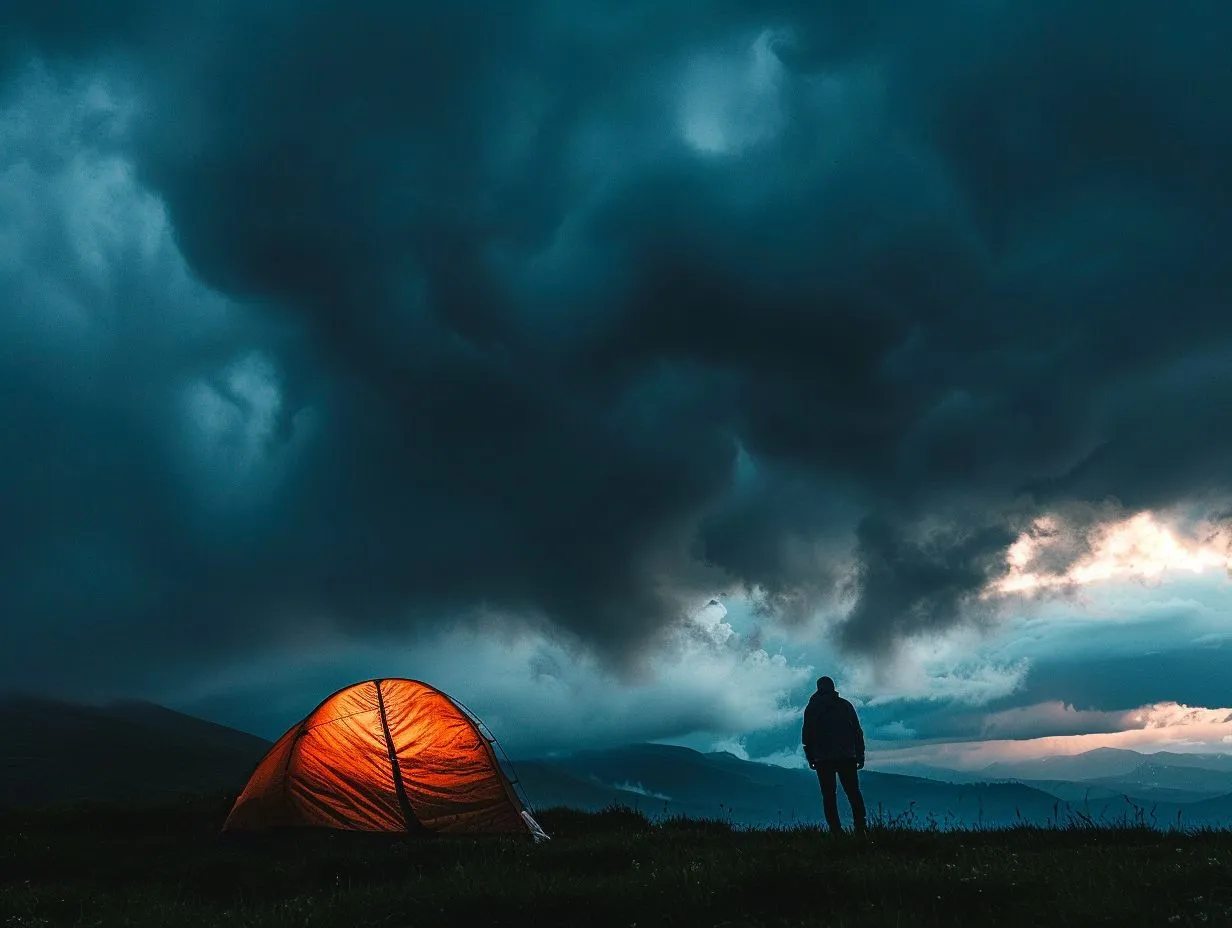
British weather changes fast, so the trick is not to predict it but to pack and pitch for whatever turns up. A single summer day here can serve sun, a downpour and a cold wind off the hills before teatime, and the campers who cope are simply the ones who checked the forecast, brought layers and waterproofs, and knew where to shelter if it got serious.
Preparing for sudden weather comes down to four habits: read the forecast before and during your trip, pack for all four seasons whatever the month, know how to handle each type of turn, and keep a plan B. Do those and a change in the sky becomes an inconvenience rather than a crisis. It also pays to travel with a stocked kit and know the basics, so read our guide to essential first aid tips for campers before you set off.
This guide is from Camping Sites in Britain, where you can find and compare campsites, caravan parks and glamping across the UK.
Check the forecast before and during your trip
Never rely on a single glance at the forecast the night before. Weather in Britain is driven by fast-moving Atlantic fronts, so the picture that matters is the one from the hours you are actually pitched, and it is worth refreshing morning and evening once you are there.
Build a small stack of sources rather than trusting one. Each covers a different job.
- The Met Office app for the general forecast and, crucially, official weather warnings pushed to your phone.
- MWIS (Mountain Weather Information Service) if you are anywhere hilly or upland, because valley forecasts miss the wind, cloud and cold that hit higher ground.
- A rain-radar app such as RainToday or the Met Office rainfall map, which shows the actual band of rain moving toward you so you can time the tent zips and the dash to the car.
Understanding yellow, amber and red warnings
The Met Office issues warnings through the National Severe Weather Warning Service, and the colour tells you how seriously to take it. Colours combine how likely the weather is with how bad its impact could be, so a yellow warning can still mean dangerous conditions in your spot.
- Yellow: be aware. Disruption is possible. Plan around it, expect some travel delay and keep an eye on updates.
- Amber: be prepared. There is a good chance of disruption, danger to life and damage. This is the point to rethink an exposed pitch or a hill route.
- Red: take action. Dangerous weather is expected and there is a risk to life. Do not camp through a red warning. Strike camp early or do not travel at all.
You can check live warnings for your area on the Met Office UK warnings page before you leave and each morning of the trip.
Pack for four seasons whatever the month
Pack as if all four seasons might show up, because in Britain they often do. A warm July afternoon can turn into a wet, windy evening and a surprisingly cold night, so the goal is a kit that covers sun, rain and cold in the same bag rather than betting on the forecast holding.
Layering is what makes that possible. Build from three parts you can add or shed in seconds.
- A base layer that wicks sweat, so you stay dry from the inside when you are moving.
- A warm mid layer, a fleece or light insulated jacket, for when the wind turns or the sun drops.
- A waterproof shell, jacket and overtrousers, that actually keeps rain out rather than a shower-resistant softshell.
Add sun protection to the same bag: sun cream, a hat and sunglasses. Sunburn is one of the most common problems on British campsites precisely because nobody expects it. A warm hat, gloves and spare dry socks weigh almost nothing and turn a miserable cold night into a comfortable one.
Sudden weather scenarios and how to handle them
Most bad trips come down to four turns in the weather, and each has a simple response. Deal with the specific one in front of you rather than worrying about all of them at once.
A sudden downpour and flooding
Pitch on higher ground with a slight slope, never in a dip or the lowest corner of a field where water pools. Look for old watercourses and stay well back from streams and rivers, which can rise fast after heavy rain upstream even when it is dry where you are. A groundsheet footprint and a taut flysheet keep the worst out. Our full guide to camping in wet weather covers keeping the tent and your kit dry.
High winds and storms
Pitch the strongest end of the tent into the wind, usually the low back rather than the door, so gusts flow over it instead of scooping it up. Guy out every point, use proper pegs for the ground you are on, and drop anything tall you do not need. If the wind keeps building, know when to strike camp or leave rather than wrestle a failing tent in the dark. See securing your tent in high winds for the full method.
A heatwave
Find or make shade, because a tent in full sun becomes an oven by mid-morning. Pitch under trees or rig a tarp, keep the tent well ventilated, and drink far more water than you think you need. Save any walking for early morning or evening and rest in the heat of the day. Our guide to staying cool while camping has the detail.
A cold snap or frost
Insulate from the ground first, because most heat is lost downward while you sleep. A decent sleeping mat, or two, matters more than a thicker sleeping bag. Add layers, a warm hat in the bag and a hot drink before turning in. Read staying warm sleeping under the stars for how to hold your heat through the night.
Always have a plan B
Know your escape before you need it. When you arrive, note where the nearest solid shelter is, whether that is the site amenities block, a nearby pub or your own car, and how long it would take to reach in the dark and the wet.
Then be willing to use it. There is no prize for camping through genuinely dangerous weather, and a warm car or a pub with a fire beats a collapsing tent every time. If a red warning lands on your dates, abandon the trip and go home. The pitch will still be there another weekend.
Staying safe when the weather turns
Flexibility keeps you safe, but a few hazards need naming directly. Handle these the moment conditions change rather than hoping they pass.
- Lightning. A tent offers no protection. If a thunderstorm hits, get into a hard-topped vehicle or a solid building, avoid tall isolated trees, ridgelines and open water, and stay put until 30 minutes after the last rumble.
- Falling branches. Do not pitch directly under large trees in wind, however good the shade looks in calm weather. Dead limbs come down without warning in a gust.
- Exposure. Cold, wet and wind together cause hypothermia even in summer, especially on high ground. Get out of the wet, add layers, share warmth and take shelter early rather than pushing on.
If you are pitched somewhere with no easy help nearby, our guide to staying safe in remote areas is worth reading before you go, because a weather turn is far more serious when the nearest road is an hour away.
Frequently asked questions
How do I check the weather forecast for camping in the UK?
Use the Met Office app for the general forecast and official warnings, a rain-radar app to see rain bands approaching in real time, and MWIS for any upland or hill area. Check the night before and again each morning of your trip.
What do yellow, amber and red weather warnings mean?
Yellow means be aware and expect some disruption, amber means be prepared for likely disruption and danger to life, and red means take action because dangerous weather is expected. Do not camp through an amber or red warning in an exposed spot.
What should I pack for unpredictable British weather?
Pack layers you can add or shed: a wicking base layer, a warm fleece or insulated mid layer, and a proper waterproof jacket and overtrousers. Add sun cream, a hat, sunglasses, gloves and spare dry socks whatever the month.
How do I keep my tent safe in high winds?
Pitch the strong low end into the wind, guy out every point with pegs suited to the ground, and drop anything tall you do not need. If the wind keeps building past what the tent can take, strike camp and move to solid shelter.
Should I cancel a camping trip because of the weather?
Cancel or come home if a red warning covers your dates, or if amber conditions hit an exposed or upland pitch. There is no shame in abandoning a trip for genuinely dangerous weather. The campsite will still be there another weekend.
Can I camp during a thunderstorm?
No. A tent gives no protection from lightning. Move to a hard-topped car or a solid building, keep away from tall trees, ridges and open water, and wait until 30 minutes after the last thunder before returning to your pitch.
The short version
British weather turns fast, so prepare for all of it rather than guessing. Check the Met Office forecast and warnings before and during, pack layers, waterproofs and sun protection every time, and match each turn to its simple fix. Above all, keep a plan B and never fight weather that has become genuinely dangerous. Ready to book a spot with all that in mind? Browse and compare sites across the UK on Camping Sites in Britain.