
Are Roof Boxes Worth It for Camping Trips?
· Updated
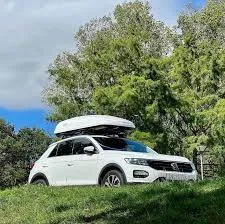
A roof box is worth it if you camp more than a couple of times a year, travel with a full car, and value a clear boot and a calm cabin over the fuel you will lose to drag. For a once-a-year trip in a big estate or people carrier, it usually is not: you will pay £150 to £600, store a bulky shell for 50 weeks, and burn more diesel every mile it is up there. The honest answer comes down to how often you go and how much you carry.
This page is part of our guide to planning your first camping trip, and it is written for tent and touring campers rather than skiers. We are Camping Sites in Britain, where you can find and compare campsites, caravan parks and glamping across the UK, so the whole point of a roof box, for us, is getting the family and the kit to the pitch without anyone sitting with a tent pole across their knees.
The case for a roof box
The main reason to fit one is simple: it moves the bulky, light gear out of the car and up onto the roof, which frees the boot for the heavy things and clears the cabin for people. A camping load is mostly volume rather than weight (sleeping bags, a rolled tent, camping chairs, an airbed, spare bedding), and that is exactly what a roof box swallows.
- Space you can actually use. A typical family box adds 300 to 500 litres, roughly a second boot, which is often the difference between a two-night trip and a proper week away.
- A clear boot and cabin. Heavy items stay low in the car where they belong, rear visibility improves, and nobody travels with a cool box on their lap.
- Safer packing. Loose gear stacked to the roofline inside the car becomes a hazard under hard braking. A box keeps it out of the passenger space entirely.
- Keeps the muck outside. Wet groundsheets, muddy wellies and the tent that never quite dried can live in the box rather than the car.
If you regularly travel as a group and pool kit between cars, the extra capacity matters even more. Our notes on planning a camping trip with friends cover how to split the load sensibly across a convoy.
The case against: the real downsides
A roof box costs you money, fuel and convenience, and those costs are easy to underestimate. Here is what you are actually signing up for.
Fuel economy takes a real hit
This is the big one, and it is worse than most people expect. A loaded roof box sits in clean, fast-moving air above the roofline and creates a lot of aerodynamic drag, and drag rises sharply with speed, so the penalty is at its worst at UK motorway speeds. In Consumer Reports testing, a loaded rooftop box cut highway fuel economy by around 25 percent, turning a car that returned close to 50mpg into one nearer 35mpg. Even an empty roof rack with no box shaves a couple of miles per gallon off.
In plain terms, a long motorway run to Cornwall or the Highlands with a full box can cost you a noticeable chunk of a tank each way. That is the number to weigh against the convenience, because you pay it on every mile the box is up there, loaded or not.
The rest of the trade-offs
- Cost. A box alone runs from about £150 for a basic model to £600 or more for a big premium one, and you also need roof bars if the car has none, which add £70 to £200.
- Wind noise. Most boxes generate a low roar or whistle at speed, worse on older or poorly fitted ones. It is livable but constant.
- Roof weight limits. Cars have a dynamic roof load limit, commonly around 75kg but often less, covering the bars, the box and everything in it. Check your handbook, because it is easy to exceed with heavy gear.
- Height and clearance. A fitted box adds roughly 40cm to your car's height. Many UK multi-storey and supermarket car parks have 1.9m to 2.1m barriers, and low garages and drive-throughs catch people out constantly.
- Handling. Weight up high raises the centre of gravity, so the car feels less planted in crosswinds and through fast corners. Drive a little more gently with it loaded.
- Storage at home. An empty box is large and awkward. You need a garage, a shed, or wall hoists to keep it for the 50 weeks a year it is not on the car.
How much do roof boxes cost?
Expect to spend between £150 and £700 all in for the box, and more once you add bars. The price tracks size, brand, material and how the lid and locks work.
| Tier | Typical price | What you get |
|---|---|---|
| Budget | £150 to £250 | Basic ABS shell, single-side opening, one simple lock. Fine for occasional use. |
| Mid-range | £250 to £450 | Dual-side opening, better seals, quieter, central locking. The family sweet spot. |
| Premium | £450 to £700+ | Sleeker aerodynamics, quick-fit clamps, multi-point locking, lighter shell. |
Do not forget roof bars. If your car has factory rails or fixed mounting points you only need crossbars, but a bare roof needs a full bar kit. Bars typically cost £70 to £200 depending on the fitting type. If you camp only once a year, hiring a box for the weekend, borrowing one, or renting a bigger car can work out cheaper than owning and storing your own.
Choosing the right size and shape
Buy for the trips you actually take, not the biggest box on the shelf, because a longer box means more drag, more weight and more parking grief. Roof boxes are measured in litres, and the size that suits you depends on how many people and how much soft, bulky kit you carry.
| Capacity | Best for | Rough load |
|---|---|---|
| 300 to 350 litres | Couples, small cars, weekends away | Two sleeping bags, a small tent, chairs |
| 400 to 450 litres | Families of four, week-long trips | Tent, bedding, airbeds, camp kitchen |
| 500 litres and up | Big families, long touring trips | Full family camp, plus awnings and extras |
Why the shape matters
A long, low, tapered box is far more aerodynamic than a tall, square one of the same volume, so shape is where you claw back some of that fuel penalty. A streamlined profile cuts drag and wind noise, which is why premium boxes are worth the money if you do a lot of motorway miles. How you pack helps too: keep the load low and even, put heavier items over the crossbars rather than at the nose or tail, and never let anything bulge the lid, because a box that will not sit flush is a box that whistles and drinks fuel.
Two practical checks before you buy. Make sure the box is not so long it fouls the tailgate when open, and measure your car with the box fitted against the height barriers you use locally so you are not caught out at the first car park.
Fitting and security
Fitting is a two-part job: roof bars first, then the box onto the bars, and neither is difficult once you have done it once. Bars either clamp to factory rails, drop into fixed points, or grip the door frames on a bare roof, and each car has a specific fitting type, so buy bars matched to your make and model. The box then sits on the bars and is held with U-bolts or a T-track clamp system underneath.
- Fit the box centrally over both bars, far enough back that the boot or tailgate clears it when open.
- Torque the clamps properly. Better boxes have a click or torque indicator so you cannot over- or under-tighten them.
- Check it before every trip. Give it a firm shove to confirm nothing has worked loose, and re-check after the first few miles.
- Never exceed the roof load limit once bars, box and contents are added together.
On security, a roof box is a target because it sits in plain sight, so most lock to the bars and lock the lid shut, ideally on a system where the key only releases when the lid is fully latched. Keep valuables out of it overnight at a campsite or in a public car park, and consider taking the box off entirely when you get home rather than leaving it on the car on the drive. A quick-fit clamp system makes that a five-minute job. It all forms part of getting the vehicle sorted before you leave, which we cover in our pre-camping checklist.
Roof box or another option?
A roof box is not the only way to carry more, and for some campers it is not the best one. A rear tow-bar mounted box or luggage rack keeps the load low, out of the wind and off the roof, so it hurts fuel economy far less, though it blocks the tailgate and needs a tow bar. A trailer carries far more again and is the answer for heavy or messy kit, but it changes how you drive, park and reverse.
For most tent campers with an average car, though, the choice is between a roof box and simply packing the car well. If you can get everything in with the seats up and still see out of the back window, you may not need a box at all. Our guide to a successful car camping trip covers loading the car properly, and it is worth trying a dry run before you spend £300.
Frequently asked questions
Are roof boxes worth it for camping?
Yes, if you camp several times a year with a full car and value the space and comfort. The extra 300 to 500 litres clears the boot and cabin. For a single annual trip, the cost, fuel penalty and storage usually outweigh the benefit.
How much fuel economy do you lose with a roof box?
A loaded box can cut motorway fuel economy by around 25 percent, because drag rises sharply with speed. Even an empty roof rack costs a couple of miles per gallon. A low, streamlined box packed flat loses noticeably less than a tall, square one.
How much does a roof box cost in the UK?
Boxes run from about £150 for a basic model to £700 or more for a large premium one. If your car has no roof bars, add £70 to £200 for a bar kit matched to your vehicle.
What size roof box do I need?
A 300 to 350 litre box suits couples and weekends, 400 to 450 litres suits a family of four for a week, and 500 litres and up suits big families or long touring trips. Buy for your usual load, not the largest box available.
Do roof boxes make the car noisy?
Most create some wind noise, a low roar or whistle that rises with speed. A streamlined box fitted flush and packed evenly is much quieter than a bulky one with an overfull lid. Premium boxes are noticeably better on long motorway runs.
Can I leave a roof box on all the time?
You can, but you should not. It adds drag and burns extra fuel on every journey, loaded or empty, adds height for car parks, and invites theft. Take it off between trips, which a quick-fit clamp system makes a five-minute job.
The short version
Get a roof box if you camp often, carry a lot of soft, bulky kit, and would rather trade some fuel and £300 for a clear boot and a calmer car. Skip it if you go once a year, drive mostly on motorways, or can pack the car well enough already. Choose a low, streamlined box in the smallest size that fits your trips, and take it off when you get home.
Once the car is sorted, the fun part is choosing where to go. Browse and compare sites across the country in our campsite directory, or start from planning your first camping trip.