Camping Hygiene: How to Stay Clean on Site and Wild Camping
· Updated
Staying clean while camping comes down to a small wash kit and a routine, not a shower block. On a serviced site you have hot showers, flush toilets and washing-up sinks a short walk away. Wild camping, you carry water to yourself and take everything out with you. The essentials are the same either way: wash your hands often, keep soap away from open water, look after your teeth, deal with toilets properly, and change your base layers before bed.
None of this needs to be a chore. A flannel, a small bottle of biodegradable soap and a clean pair of socks will keep you feeling human on the wettest, muddiest weekend. This guide is part of our advice on planning your first camping trip, and it comes from Camping Sites in Britain, where you can find and compare campsites, caravan parks and glamping across the UK.
On a serviced site versus wild camping
The kit you need depends entirely on whether you have facilities. A serviced campsite does most of the work for you; wild camping means you are the facilities. Pack for the trip you are actually taking.
| Job | Serviced campsite | Wild camping |
|---|---|---|
| Washing | Shower block, usually 20p to £1 a go or free | Flannel and a bottle of water, or a swim |
| Toilet | Flush toilets, some with chemical disposal points | Bury it 30m from water, or carry it out |
| Hands | Sinks with soap | Water and biodegradable soap, plus sanitiser |
| Washing up | Dedicated sinks, sometimes hot water | Bowl, scraped scraps binned, water strained |
| Rubbish | Bins on site | Everything packed out, nothing left |
Washing without a shower block
You do not need a full shower every day, and most campers do not get one. A proper wash of the parts that matter, face, armpits, feet, groin and hands, keeps you comfortable and cuts down on the smell and skin problems that come from days in the same clothes. Campers call it a flannel wash for a reason: a warm flannel, a splash of biodegradable soap and a litre of water does the job in five minutes.
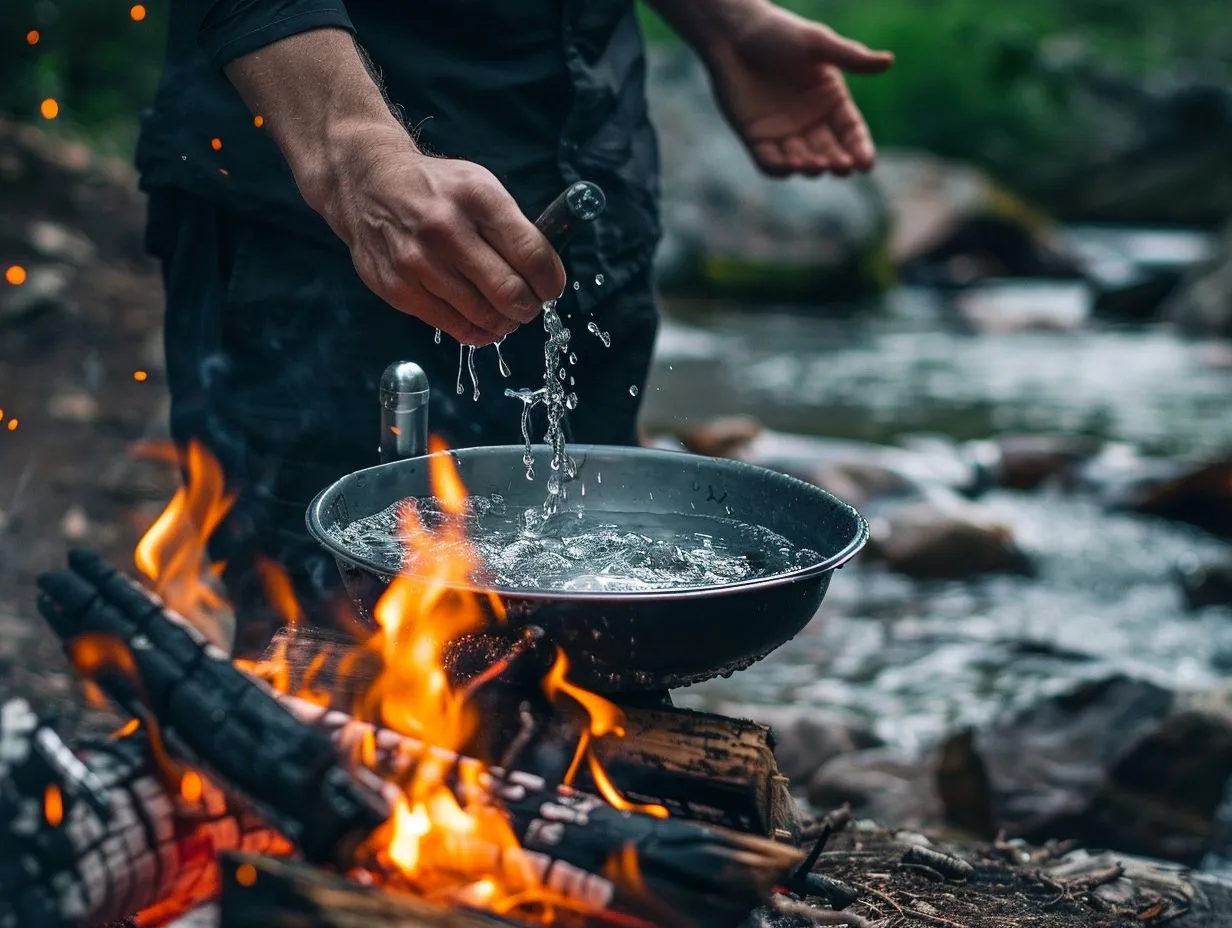
On a serviced site, use the shower block but check the meter first, as many are coin or token operated and run for a fixed number of minutes. Wild camping, heat a pan of water on the stove, let it cool, and wash well away from your tent and any stream or loch. A collapsible bowl or a solar shower bag warmed in the afternoon sun turns this from a grim splash into something you look forward to. If you are car camping you have room for a proper wash kit and even a portable shower, which we cover in tips for a successful car camping trip.
Biodegradable soap, and why it goes away from water
Biodegradable soap still pollutes if you use it straight into a river, so always wash and rinse at least 30 metres from any stream, loch or pond. Biodegradable means the soap breaks down harmlessly in soil, where microbes deal with it, not in open water, where it feeds algae and harms fish. This is the single most misunderstood point in outdoor washing.
The method is simple. Carry water away from the source in a bowl or bottle, wash there, and tip the greywater onto the ground to soak away, not back into the stream. Use a little; a pea-sized blob cleans a whole body. One concentrated biodegradable soap covers hands, body, hair and dishes, which keeps your wash kit light. If you are counting grams, see how to pack light for a camping trip.
Hand hygiene is the one that matters
Clean hands prevent the upset stomachs that ruin more camping trips than anything else. Wash your hands after using the toilet, before cooking, before eating, and after handling rubbish or firewood. On a serviced site the wash blocks make this easy; wild camping, keep a bottle of water and a bar of biodegradable soap by the tent door.
Carry an alcohol hand sanitiser as backup for when water is short or your hands are cold and you cannot face the tap. Sanitiser is a stand-in, not a replacement: it does little against visible dirt or certain stomach bugs, so wash properly whenever you can. A small bottle clipped to your rucksack means you never have an excuse.
Teeth and dental care
Brush as normal, morning and night, and just change where the water goes. Use a small amount of water in a cup rather than a running tap, and spit onto soil well away from your pitch and at least 30 metres from any watercourse, then scatter it rather than leaving a puddle. Toothpaste is mild, but the same away-from-water principle applies.
A travel toothbrush and a small tube of paste weigh almost nothing, so there is no reason to skip this. To minimise your trace when wild camping, use a pea of paste and spit it into a wide arc rather than one spot. Your normal routine, done tidily, is all that is needed.
Toilets: site facilities, chemical toilets and going wild
How you deal with the toilet depends on where you are, and it is the part campers most want to get right. There are three situations, and each has a clear method.
Site facilities
On a serviced campsite, use the toilet block and treat it as you would a shared bathroom at home. Flush, wash your hands, and do not put wipes or sanitary items down the toilet, as most sites run on septic tanks or delicate drainage that block easily. Bins are provided for a reason; use them.
Chemical and portable toilets
If you have a chemical toilet in a campervan or a portable loo for your tent, empty it only at a designated chemical disposal point, marked CDP on most sites. Never empty a cassette into an ordinary toilet, a drain or a hedge. Use the right toilet fluid and rinse the cassette at the disposal point, not at the drinking water tap. Many CSIB listings note whether a site has a chemical disposal point, which is worth checking before you book.
Going to the toilet while wild camping
When there is no toilet, bury solid waste in a hole 15cm (6 inches) deep, dug with a small trowel, at least 30 metres from paths, open water, watercourses and buildings. Cover it and replace the turf so no trace is left. This is the guidance in the Scottish Outdoor Access Code and echoed by Mountaineering Scotland. To pee, do the same, keeping 30 metres from any loch, river or burn so you do not pollute the water.
Toilet paper does not break down quickly outdoors and animals dig it up, so the tidiest option is to bag it and bin it later. In busy or sensitive spots, popular Lake District and Highland routes among them, the responsible choice is to carry all solid waste out in a sealed bag. Always wash or sanitise your hands afterwards.
Keeping clothes fresh
Clean base layers matter more than a daily shower for feeling fresh. Sweat and damp are what make you smell and chafe, so change your socks and underwear daily and sleep in dedicated night layers you keep clean and dry. Merino wool and synthetic base layers resist odour far better than cotton and dry overnight, which is why experienced campers live in them.
Air worn clothes over a guy line rather than stuffing them back in the bag, and keep damp or muddy items in a separate dry bag so they do not taint everything else. A few pegs and a length of cord make a washing line for socks rinsed in a bowl. Packing the right layers is half the battle, and our pre-camping checklist helps you get it right before you leave.
Periods while camping
Camping on your period is entirely manageable with a bit of planning, and plenty of people do it every weekend. The key is dealing with waste cleanly, because nothing goes down a campsite toilet or gets buried outdoors. Pack a supply of whatever you normally use, plus sealable bags and a few nappy sacks or a small dry bag to store used products until you reach a bin.
Tampons, pads and applicators all get bagged and binned, never flushed and never buried, as they do not break down and wildlife will dig them up. A reusable menstrual cup suits camping well because it produces almost no waste; empty it into a toilet on a serviced site, or into a buried hole 30 metres from water when wild camping, then rinse it with clean water and wash your hands. Keep hand sanitiser and a few wet wipes to hand for a quick clean-up when you cannot get to a tap.
Frequently asked questions
How do you stay clean camping without a shower?
Do a flannel wash of the parts that matter: face, armpits, feet, groin and hands. Warm a little water, add a dab of biodegradable soap, and wash away from your tent and 30 metres from any watercourse. Baby wipes handle quick clean-ups between washes.
Can you use normal soap and shampoo when camping?
On a serviced site with mains drainage, yes. Wild camping or washing outdoors, switch to a biodegradable soap and use it at least 30 metres from streams and lochs, tipping the greywater onto soil. Ordinary soap pollutes open water even in small amounts.
Where do you go to the toilet when wild camping?
Bury solid waste in a hole 15cm deep, at least 30 metres from paths, water and buildings, then cover it. Bag and bin your toilet paper. In busy or sensitive areas, carry everything out in a sealed bag. Always clean your hands afterwards.
How do you deal with periods while camping?
Bag and bin all used tampons and pads, never flush or bury them. A menstrual cup works well outdoors, emptied into a toilet or a buried hole 30 metres from water, then rinsed. Carry sealable bags, hand sanitiser and wet wipes.
How often should you wash your hands camping?
After using the toilet, before cooking, before eating, and after handling rubbish or firewood. Use water and biodegradable soap where you can, and keep alcohol sanitiser as backup. Clean hands prevent the stomach upsets that cause most camping illness.
Can you empty a chemical toilet anywhere?
No. Empty a chemical toilet or cassette only at a designated chemical disposal point, marked CDP on most campsites. Never tip it into an ordinary toilet, a drain or the countryside, and never rinse the cassette at a drinking water tap.
The short version
Pack a small wash kit, keep soap 30 metres from water, wash your hands before every meal, and change your base layers before bed. On a serviced site the blocks do most of the work; wild camping, you take everything out with you.
Get the routine sorted once and it becomes second nature. When you are ready to book, compare campsites across Britain and check the facilities before you pitch up.